Why Some Tarmac Surfaces Go Soft in Summer
Tarmac is widely used across the UK for roads, car parks, access routes, and commercial yards because it offers durability, cost-effectiveness, and relatively quick installation. When installed correctly, it performs well across a wide range of weather conditions. However, property owners sometimes notice that their surface becomes softer during periods of hot weather.
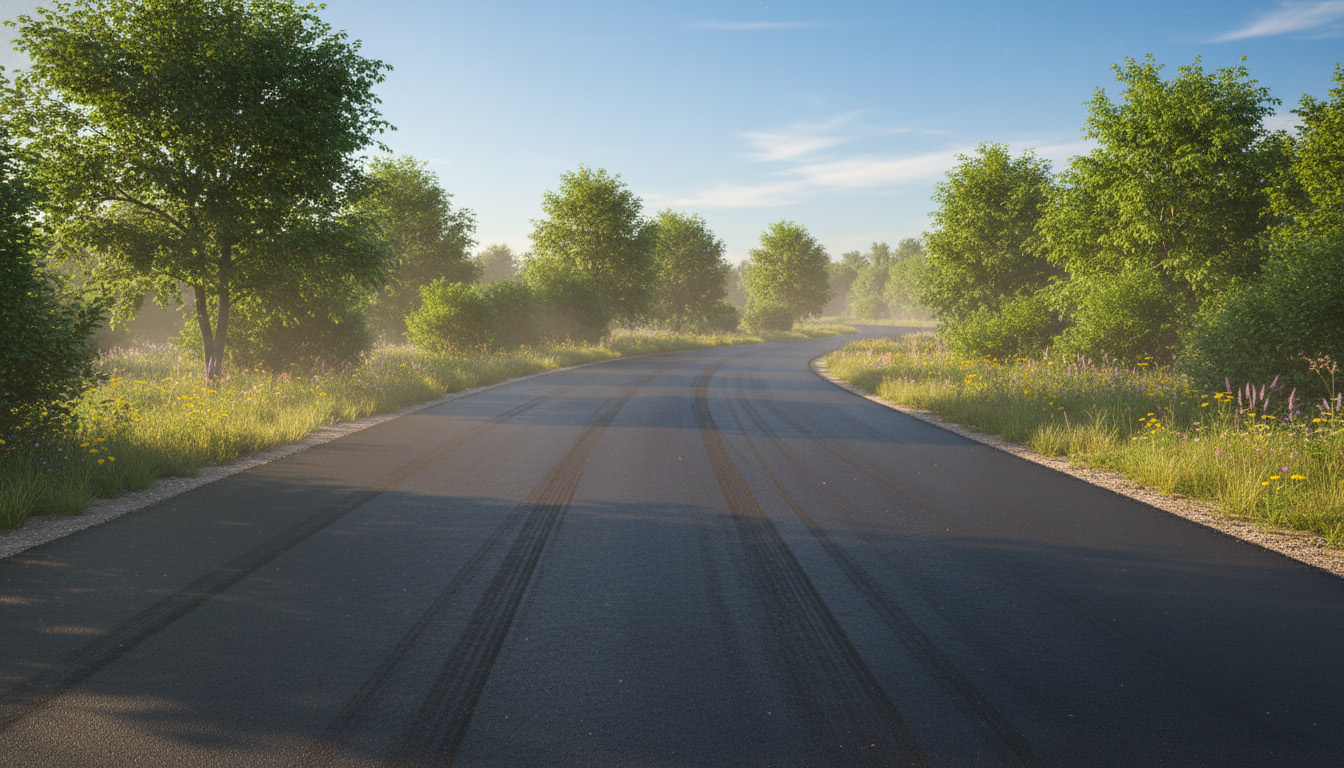
This phenomenon is most noticeable in the summer months when temperatures rise and prolonged sunlight heats the surface layer. In certain circumstances, tyres may leave marks, slight depressions may appear under parked vehicles, or the surface may feel slightly pliable when walked on.
While some minor softening is a natural property of bitumen-based surfaces, excessive softness is usually a sign that something within the surfacing structure, materials, or installation process may not have been ideal.
Understanding the causes of softening helps property owners and site managers identify potential problems early and ensure that future surfacing projects deliver long-lasting results.
Tip: Soft tarmac may indicate heat-related stress or installation issues if left unchecked. Get A Free Quote for expert advice and lasting repair solutions.
The Role of Bitumen in Tarmac Surfaces
Tarmac, sometimes referred to as tarmacadam, is produced by combining aggregates such as crushed stone with a bitumen binder. Bitumen is a petroleum-based material that acts as the adhesive element within the mixture, binding the aggregate together and providing the flexibility required for a road surface.
Unlike concrete, which is rigid, tarmac is designed to be slightly flexible. This flexibility allows the surface to cope with minor ground movement, temperature changes, and traffic loads without cracking.
However, bitumen is temperature sensitive. As temperatures rise, the binder becomes softer and more flexible. During cooler conditions it becomes firmer and more rigid. This behaviour is normal and part of what allows tarmac surfaces to perform effectively across seasonal changes.
Problems arise when the material becomes excessively soft under heat. This typically indicates that the mix design, installation process, or underlying structure was not fully optimised for the conditions in which the surface is being used.
How Summer Heat Affects Tarmac
During hot summer days, the temperature of a tarmac surface can become significantly higher than the surrounding air temperature. Dark materials absorb heat efficiently, meaning road surfaces exposed to direct sunlight can reach temperatures well above 40°C even when the air temperature is considerably lower.
When the surface layer becomes heated, the bitumen binder softens. If the surface has been designed and installed correctly, this softening should remain within safe limits and the structure of the surface will still support traffic loads without deformation.
If the mix contains too much binder, if compaction was insufficient, or if the sub-base beneath the surface is unstable, the softened material can deform under pressure. This may lead to wheel ruts, tyre marks, or small surface depressions.
Professional tarmac installation road surfacing services are designed to minimise these risks by ensuring correct materials, compaction levels, and structural preparation are used.
Poor Mix Design and Binder Content
One of the most common causes of soft tarmac surfaces in summer is an incorrect asphalt mix design. The proportion of bitumen binder must be carefully balanced with the aggregate content.
If too much binder is used, the surface may initially appear smooth and well bonded, but it will be more vulnerable to softening when exposed to heat. Excess binder reduces the structural strength of the surface and increases susceptibility to deformation.
Conversely, too little binder can lead to raveling or premature surface wear. Achieving the correct balance requires professional planning and quality control during production and installation.
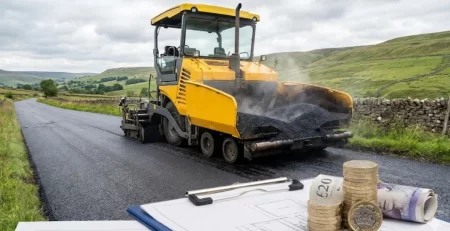
Commercial contractors experienced in machine lay tarmac typically work with controlled mix designs that meet recognised industry standards, ensuring that the finished surface maintains strength even during warmer conditions.
Insufficient Compaction During Installation
Another major factor affecting summer surface performance is compaction. During installation, newly laid tarmac must be compacted using specialist rollers to achieve the correct density.
If compaction is insufficient, small air voids remain within the surface layer. These voids weaken the structural integrity of the tarmac and make it more vulnerable to heat and traffic loads.
Under hot conditions, poorly compacted surfaces can soften and shift because the internal structure lacks the density needed to resist deformation. This can lead to surface rippling, tyre marks, or indentations where vehicles regularly park or turn.
Proper compaction is particularly important for areas that experience frequent braking, turning, or heavy loads, such as car parks, delivery bays, and industrial access routes.
Weak or Poorly Prepared Sub-Base Layers
The visible surface of a road or driveway is only one part of a much larger structural system. Beneath the tarmac layer lies the sub-base and foundation layers that support the entire surface.
If the underlying structure is weak, poorly compacted, or improperly drained, the surface layer may appear soft during warm weather because the foundation beneath it cannot provide adequate support.
When the binder softens under heat, the loads from vehicles transfer through the surface into the sub-base. If that sub-base shifts or compresses, the tarmac above it can deform or develop depressions.
Professional surfacing projects therefore place significant emphasis on preparation. Proper excavation, sub-base installation, and drainage are critical elements in ensuring long-term performance.
Property owners planning new surfacing work often benefit from consulting experienced commercial surfacing contractors who understand how to design the full pavement structure rather than focusing only on the visible surface.
Heavy Traffic and Stationary Loads
The type of traffic using the surface also plays an important role in how tarmac behaves during hot weather.
Light domestic driveways typically experience intermittent traffic and relatively low loads. Commercial environments, however, may involve delivery vehicles, forklifts, or heavy machinery that apply significant pressure to the surface.
Stationary loads can be particularly problematic. When a vehicle remains parked on hot tarmac, the combination of weight and heat can cause slight indentations in the softened binder layer.
Repeated loading in the same location, such as at loading bays or turning points, can gradually produce visible deformation if the surface has not been designed to handle those stresses.
This is why industrial yards, logistics centres, and access roads require stronger surface designs compared with standard residential driveways.
Ageing Surfaces and Binder Breakdown
Older tarmac surfaces may become more susceptible to summer softening due to ageing processes. Over time, the binder within the surface undergoes oxidation caused by exposure to air, sunlight, and weather.
This process gradually alters the chemical structure of the bitumen, which can affect the flexibility and strength of the surface.
In some cases, ageing can cause brittleness and cracking. In other cases, previous repairs or surface wear may expose binder-rich layers that respond more noticeably to heat.
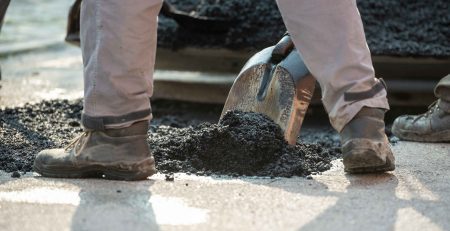
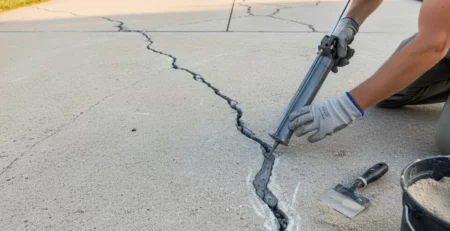
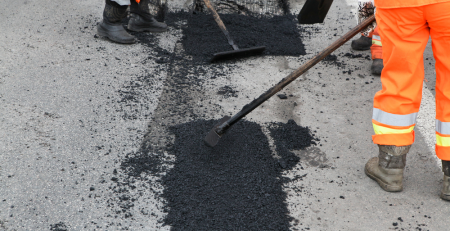
Regular maintenance and timely repairs help prevent these issues from developing into larger structural problems. When deterioration becomes visible, targeted repairs such as pothole repairs can restore surface integrity before deeper structural damage occurs.
The Importance of Proper Drainage
Drainage is another factor that indirectly influences surface performance during warm weather. Water that becomes trapped within the pavement structure can weaken the underlying layers and reduce the strength of the overall surface.
When temperatures rise and the binder softens slightly, the weakened foundation may compress more easily under traffic loads.
Proper drainage ensures that water is directed away from the pavement structure, maintaining the strength and stability of both the sub-base and the surface layer.
Professional surfacing projects therefore incorporate appropriate gradients, drainage channels, and permeable layers where required.
Preventing Tarmac Softening in Future Projects
The best way to prevent soft tarmac surfaces in summer is through proper planning, material selection, and professional installation.
A well-designed surface will account for expected traffic loads, environmental conditions, and the specific use of the area. Contractors will ensure the correct aggregate grading, binder content, and compaction levels are achieved during installation.
Equally important is the preparation of the foundation layers beneath the surface. Strong sub-bases, effective drainage, and accurate levelling all contribute to a stable pavement structure that remains durable even during warm weather.
Property owners considering new surfacing projects can review previous installations and performance examples through professional case studies to better understand how properly designed surfaces perform over time.
When Soft Tarmac Indicates a Larger Problem
While mild softening during extreme heat can be normal, persistent deformation, tyre marks, or depressions usually indicate a structural issue that should be assessed.
Early investigation can identify whether the problem lies in the surface mix, installation quality, drainage, or foundation layers. Addressing these issues promptly helps prevent further deterioration and avoids more costly repairs in the future.
Professional assessment ensures that any remedial work focuses on the underlying cause rather than simply treating the visible symptoms.