What Makes Some Potholes Return Again and Again?
Few road surface problems are as frustrating as a pothole that seems to return repeatedly. A repair may look successful at first, only for the same area to begin breaking apart again a few months later. Whether on a private road, commercial access route, industrial yard, school grounds, or car park, recurring potholes are often a sign that the underlying problem has not been properly addressed.
Many people assume a pothole is simply a hole in the surface. In reality, it is usually the visible symptom of deeper structural issues within the road construction. Unless those underlying causes are identified and corrected, the damage often returns regardless of how many times the surface is patched.
Understanding why potholes keep coming back can help property owners and site managers make better maintenance decisions and avoid unnecessary repair costs.
The Role of Water in Pothole Formation
Water is one of the most common causes of pothole development and recurrence. When water penetrates cracks in the surface, it can reach the layers beneath the asphalt or tarmac. As traffic passes over the affected area, the weakened foundation begins to move and deteriorate.
Over time, the surface loses support and starts to break apart. Even after a repair is completed, water may continue entering the same location if drainage problems remain unresolved. This allows the deterioration cycle to continue beneath the repaired section.
In many cases, a pothole repeatedly reappears because the repair focused on the damaged surface rather than the source of water infiltration.
Poor Drainage Creates Long-Term Problems
Road surfaces are designed to direct water away efficiently. When drainage systems fail or become blocked, water can remain on the surface for extended periods.
Standing water increases the likelihood of moisture entering joints, cracks, and weak points. Areas with inadequate drainage often experience repeated surface failures because the same conditions that caused the original pothole remain present after repair.
Commercial sites frequently experience this issue where heavy vehicle movements combine with poor drainage. Investing in proper drainage improvements alongside repair works can significantly reduce the likelihood of recurring defects.
For larger infrastructure projects, professional planning and installation methods such as tarmac installation help ensure both surface performance and water management are considered together.
Inadequate Repair Methods
Not all pothole repairs are created equal. Temporary repairs can provide a short-term solution, particularly during emergency situations or adverse weather conditions, but they may not address the root cause of failure.
A common problem occurs when damaged material is simply filled without removing unstable surrounding areas. While the repair may initially appear successful, weak edges and compromised material remain in place. Traffic loads quickly transfer stress back into the repaired area, causing cracks and further deterioration.
Long-lasting repairs generally require careful preparation, removal of unsuitable material, and proper compaction of replacement layers.
Weak Foundations Beneath the Surface
The visible road surface is only one part of the overall structure. Beneath it lies a foundation made up of multiple layers designed to distribute traffic loads.
When these underlying layers become weakened, the surface above inevitably suffers. Factors that can damage the foundation include:
Heavy rainfall penetrating through cracks, poor drainage conditions, inadequate original construction, and repeated loading from heavy vehicles.
If repairs focus solely on replacing the surface layer while the foundation remains compromised, the pothole is likely to return.
This is particularly common on older access roads, industrial yards, and heavily used commercial routes where years of loading gradually reduce structural integrity.
Heavy Traffic Accelerates Surface Failure
Traffic loading plays a major role in pothole recurrence. Roads designed for light vehicles can experience premature deterioration when subjected to frequent heavy goods vehicles, delivery fleets, or construction traffic.
Every vehicle passing over a weakened area applies pressure to the surface and underlying layers. Over time, this repeated stress causes movement within the pavement structure.
Even a professionally repaired pothole may fail again if the road is carrying traffic volumes or vehicle weights beyond its original design capacity.
Where heavy usage is expected, more substantial resurfacing or reconstruction may be required rather than repeated patch repairs.
Weather Conditions and Seasonal Changes
The UK’s climate creates challenging conditions for road surfaces throughout the year.
Rainfall, temperature fluctuations, and seasonal weather changes all contribute to the deterioration process. Moisture enters small cracks and weak points, gradually weakening the structure. During colder periods, expansion and contraction can widen existing defects.
The result is a surface that becomes increasingly vulnerable to traffic-related damage.
While weather alone does not cause recurring potholes, it often accelerates the failure of areas that already contain structural weaknesses.
Why Temporary Repairs Often Fail
Temporary pothole repairs serve an important purpose when immediate safety concerns need addressing. However, they are not always intended as permanent solutions.
Emergency repairs are often carried out quickly to restore usability and reduce risk. While effective in the short term, they may not include the extensive preparation required for long-term durability.
As a result, recurring potholes frequently appear in locations that have undergone multiple temporary repairs without a comprehensive structural assessment.
Property owners sometimes spend more money on repeated patching than they would have spent on a properly designed permanent solution.
Surface Cracking Often Appears Before Potholes Return
One of the most overlooked warning signs is cracking around a previous repair.
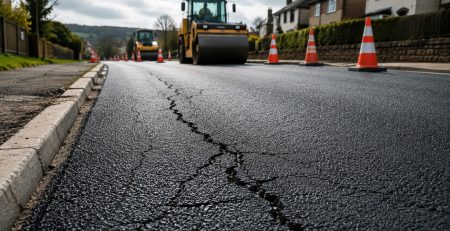
Cracks indicate movement within the pavement structure. When these cracks are ignored, water begins entering the surface again, restarting the deterioration process.
Monitoring repaired areas regularly can help identify developing issues before another pothole forms. Early intervention is usually less expensive and less disruptive than waiting for full surface failure.
Regular inspections are particularly valuable for commercial sites where surface damage can create operational disruptions and safety concerns.
The Importance of Proper Compaction
Compaction is one of the most critical stages of any repair process.
When replacement material is not compacted correctly, air voids remain within the repair. These voids allow movement under traffic loads and provide pathways for water infiltration.
Over time, the repaired section settles unevenly and begins to fail.
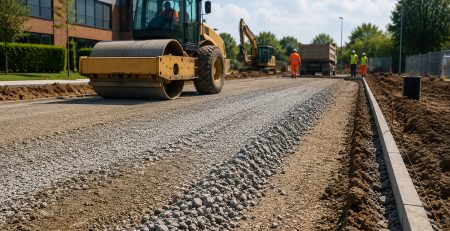
Modern construction techniques and specialist equipment help achieve consistent compaction levels, which significantly improves repair longevity. Services such as machine lay tarmac are often used where high-quality, durable surfacing is required across larger areas.
When Repeated Repairs Indicate a Bigger Issue
If the same pothole returns repeatedly, it may indicate that a more comprehensive solution is needed.
Persistent failures often suggest problems such as inadequate drainage, structural weakness within the pavement layers, poor original construction, or changes in traffic demands.
In these situations, continuing to patch the surface may only provide temporary relief.
A detailed assessment can identify whether resurfacing, reconstruction, drainage improvements, or strengthening works are required to deliver a lasting result.
Long-Term Strategies for Preventing Recurring Potholes
The most effective approach focuses on prevention rather than repeated reactive repairs.
Regular inspections help identify early signs of deterioration before major failures occur. Prompt crack sealing prevents water ingress, while effective drainage management reduces moisture-related damage.
Where surfaces are reaching the end of their service life, planned resurfacing often proves more economical than continual patching. Investing in high-quality materials and professional installation methods also contributes significantly to long-term performance.
For sites already experiencing repeated failures, specialist pothole repairs combined with an investigation into the underlying causes can provide a far more durable solution than simply filling the hole again.
Conclusion
Recurring potholes are rarely caused by a single factor. Water infiltration, poor drainage, weak foundations, inadequate repairs, heavy traffic, and weather conditions often work together to create a cycle of repeated surface failure.
The key to breaking that cycle is identifying and addressing the root cause rather than focusing solely on the visible damage. While temporary repairs may offer short-term relief, long-lasting results typically require a more comprehensive approach that considers the entire pavement structure.
For property owners and site managers, understanding why potholes return is the first step towards making informed maintenance decisions that improve safety, reduce long-term costs, and extend the lifespan of valuable road surfaces.