Can Road Surfacing Reduce Traffic Noise? The Science Behind Quieter Roads
Traffic noise has become one of the most common environmental complaints across the UK. Whether in residential estates, urban developments, commercial premises or mixed-use communities, the constant sound of vehicles can affect comfort, concentration and overall quality of life.
As vehicle numbers continue to increase and delivery traffic becomes more frequent, many property owners and site managers are exploring practical ways to reduce noise pollution. While speed limits, traffic management measures and landscaping can all play a role, one factor is often overlooked: the road surface itself.
The materials and construction methods used in road surfacing can have a significant impact on the amount of noise generated by passing vehicles. Modern surfacing technologies are increasingly designed not only for durability and safety but also for acoustic performance.
Understanding how road surfaces influence noise levels can help property owners make more informed decisions when planning new infrastructure or upgrading existing roads.
Where Traffic Noise Actually Comes From
Many people assume that engine noise is the primary source of traffic sound. While engines certainly contribute, particularly at lower speeds, tyre and road interaction becomes the dominant source of noise once vehicles travel at moderate speeds.
As tyres roll across a surface, they create vibrations and compress air within the tread pattern. These interactions generate sound waves that are projected into the surrounding environment.
The roughness of the road surface, the texture of the aggregate, vehicle speed and tyre design all influence the amount of noise produced.
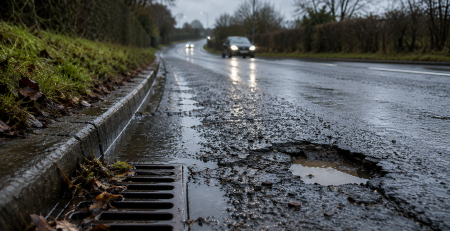
On poorly maintained roads, defects such as cracks, potholes and uneven surfaces can further increase noise levels. Vehicles travelling over these imperfections create additional vibration and impact sounds, which can be particularly noticeable in residential settings.
This means that the condition and design of the road surface itself can directly influence how noisy a road becomes.
The Relationship Between Surface Texture and Noise
Surface texture plays a crucial role in determining acoustic performance.
Traditional road surfaces often contain larger aggregate sizes that create a relatively coarse texture. While these surfaces may provide excellent grip and durability, they can generate more tyre noise because of increased vibration and air displacement.
Quieter road surfaces typically use carefully selected aggregate sizes and surface designs to minimise these effects. By creating a smoother interaction between tyre and pavement, less noise is generated during vehicle movement.
The objective is not to create a completely smooth surface, as adequate texture remains essential for skid resistance and safety. Instead, modern surfacing seeks to strike a balance between grip, durability and acoustic performance.
This balance is particularly important in residential developments where traffic moves consistently throughout the day but vehicle speeds remain relatively low.
How Modern Road Surfacing Reduces Noise
Advances in road engineering have led to the development of surfacing solutions specifically designed to reduce traffic noise.
These materials often incorporate optimised aggregate grading and surface structures that absorb or disperse sound more effectively than traditional road surfaces.
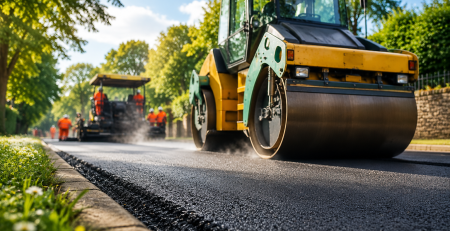
The principle is relatively straightforward. When tyre tread blocks contact the road surface, trapped air is compressed and released. Certain surfacing designs reduce this compression effect, lowering the amount of sound generated.
Some surfaces also contain microscopic voids that help absorb sound energy rather than reflecting it back into the surrounding environment.
Professional tarmac installation methods ensure these materials are laid correctly, allowing them to deliver the intended acoustic and structural performance over the long term.
Why Road Condition Matters for Noise Reduction
Even the best surfacing material will become less effective if the road is not properly maintained.
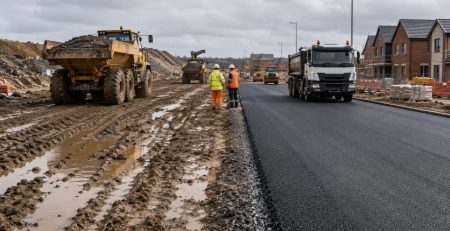
Surface deterioration can significantly increase traffic noise. Cracks, settlement, rutting and potholes create uneven travel paths that generate additional vibration and impact sounds.
When vehicles repeatedly pass over damaged areas, noise levels often rise noticeably. This is particularly evident on access roads, housing estates and private developments where traffic passes close to residential properties.
Maintaining road surfaces in good condition therefore provides benefits that extend beyond appearance and durability. A smooth, well-maintained road can contribute to a quieter environment while improving ride quality and safety.
Regular inspections and timely maintenance help preserve both structural performance and acoustic benefits.
Residential Roads and Noise Management
Residential developments present unique challenges when it comes to traffic noise.
Unlike major highways, residential roads place vehicles in close proximity to homes, gardens and communal spaces. Even relatively modest traffic volumes can become disruptive when sound reflects between buildings or travels through densely populated areas.
The growth of home deliveries has further increased vehicle movements within housing estates. Delivery vans, service vehicles and contractors often make multiple stops throughout the day, creating repeated noise events that residents may notice more readily than continuous traffic on larger roads.
For developers and estate managers, selecting appropriate surfacing materials can play an important role in creating more comfortable living environments.
When incorporated into wider planning strategies, quieter road surfaces can help reduce the overall impact of vehicle activity without restricting accessibility or functionality.
The Benefits of Machine-Laid Surfacing
Consistency is one of the key factors affecting road performance.
Uneven surfaces often generate more tyre noise because vehicles experience greater vibration as they travel across the pavement. Achieving a uniform surface profile helps minimise these disturbances.
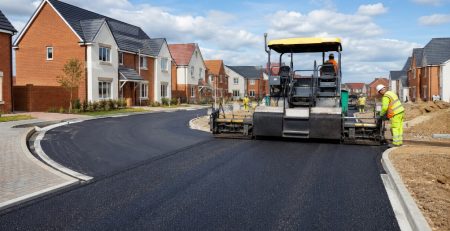
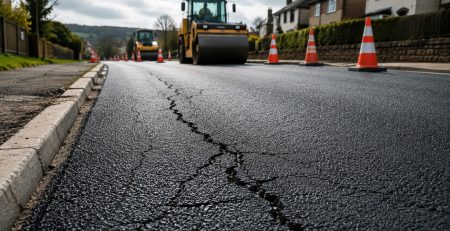
Modern machine lay tarmac techniques provide a high level of consistency during installation. By controlling material placement and compaction more accurately, contractors can create smoother surfaces that contribute to both ride comfort and reduced noise generation.
The benefits extend beyond acoustic performance. Uniform surfaces also tend to wear more evenly, reducing the likelihood of defects that could increase noise levels in the future.
For larger developments, access roads and commercial environments, machine-laid surfacing can provide long-term advantages that support both performance and user experience.
Does Speed Affect Road Noise?
Vehicle speed has a significant influence on traffic noise.
At lower speeds, engine and drivetrain sounds often represent a larger proportion of overall noise. As speed increases, tyre and road interaction becomes increasingly dominant.
This explains why quieter surfacing technologies often deliver their greatest benefits on roads carrying moderate to high-speed traffic. However, residential environments can still experience noticeable improvements because smoother surfaces reduce vibration-related sounds even at lower speeds.
Traffic calming measures and surface design frequently work together to manage overall noise levels. By encouraging appropriate driving behaviour while maintaining a high-quality road surface, property owners can create quieter and safer environments.
The Long-Term Value of Acoustic Surfacing
Noise reduction is only one consideration when selecting a road surfacing solution.
Any surface must also provide durability, drainage performance, safety and value for money. Fortunately, many modern surfacing materials are capable of delivering benefits across multiple areas simultaneously.
A well-designed road surface can help reduce maintenance requirements, improve visual appearance and contribute to a more pleasant user experience. In residential developments, these advantages may enhance overall satisfaction among residents and visitors.
The long-term value of quieter surfacing often becomes most apparent when combined with proactive maintenance strategies. Preserving surface quality helps ensure that acoustic benefits remain effective throughout the lifespan of the road.
Repairing Defects Before Noise Increases
Small defects rarely remain small indefinitely.
When minor surface damage is left untreated, vehicle loading gradually worsens the problem. Cracks widen, potholes develop and unevenness increases. As deterioration progresses, traffic noise often becomes more noticeable.
Prompt pothole repairs and surface maintenance can prevent this cycle from escalating. Addressing issues early helps maintain smoother road conditions while reducing the vibration and impact sounds associated with damaged pavement.
For site managers and property owners, preventative maintenance is frequently the most cost-effective approach to preserving both structural integrity and acoustic performance.
The Future of Quieter Roads in the UK
As communities place greater emphasis on environmental quality and resident wellbeing, quieter road infrastructure is likely to receive increased attention.
Advances in materials science continue to improve the ability of road surfaces to reduce noise while maintaining durability and safety. Combined with improved construction techniques and better maintenance practices, these developments are helping create roads that perform more effectively across a range of criteria.
For residential developments, commercial sites and private estates, road surfacing should no longer be viewed solely as a structural requirement. The choice of surfacing material can influence comfort, perception and quality of life for everyone who uses or lives near the road.
While road surfacing alone cannot eliminate traffic noise entirely, it can play a meaningful role in reducing it. Through thoughtful design, professional installation and ongoing maintenance, quieter roads are becoming an increasingly achievable goal throughout the UK.