Budgeting for Infrastructure Upgrades Without Disrupting Operations
For property owners and site managers across the UK, infrastructure upgrades are not optional. Roads deteriorate, drainage systems fail, and access routes require modernisation to meet both operational demands and safety standards. However, the challenge lies not only in funding these improvements but in delivering them without interrupting daily operations.
Infrastructure upgrades often take place in active environments such as commercial premises, industrial estates, schools, and residential developments. These spaces cannot simply pause activity while works are carried out. Deliveries must continue, staff and visitors require safe access, and business operations must remain functional.
Balancing these competing priorities requires careful infrastructure upgrade budgeting that goes beyond simple cost estimation. It involves strategic planning, phasing, and selecting the right contractors to ensure minimal disruption.
Why Budgeting Must Include Operational Continuity
Traditional budgeting approaches often focus purely on upfront costs, such as materials, labour, and equipment. While these are essential, they do not account for the indirect costs associated with disruption. Lost productivity, restricted access, and safety risks can have a significant financial and operational impact.
A well-structured budget considers the full lifecycle of the project. This includes planning for phased works, temporary access solutions, and scheduling that aligns with quieter operational periods. In many cases, investing slightly more in professional planning and execution reduces overall costs by avoiding disruption-related losses.
Working with experienced commercial surfacing contractors ensures that these factors are built into the project from the outset, rather than addressed reactively.
Planning Infrastructure Upgrades in Phases
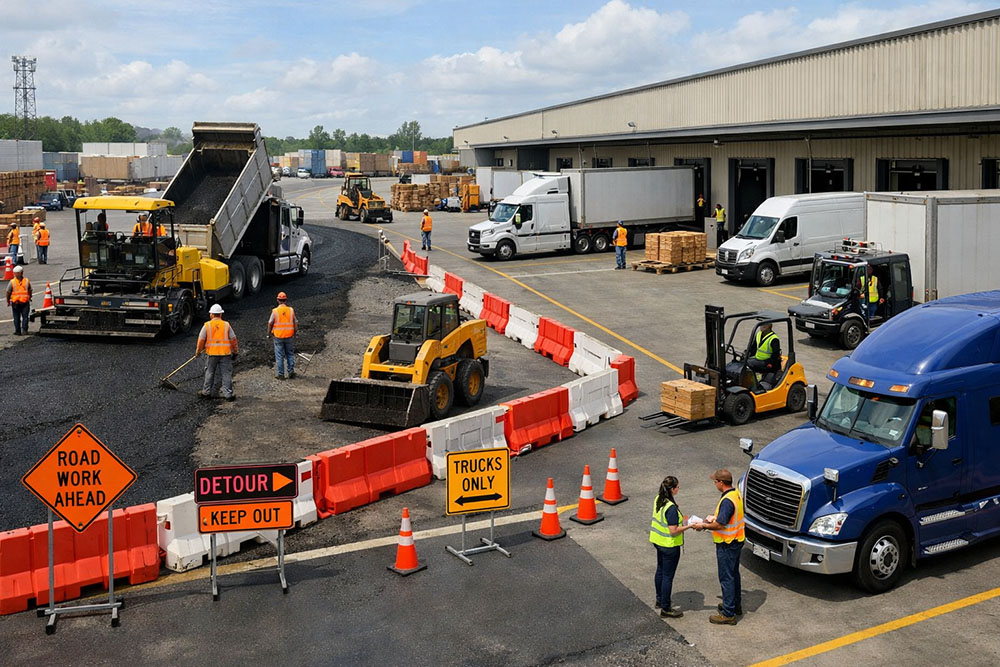
One of the most effective ways to manage disruption is through phased project delivery. Rather than closing an entire site or access route, works are divided into manageable sections that allow operations to continue alongside construction.
Segmenting Work Areas
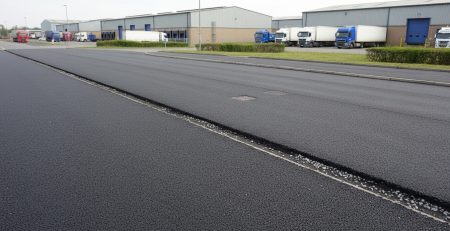
Dividing the site into zones allows contractors to focus on one section at a time while keeping other areas operational. For example, a car park resurfacing project may be completed in stages, ensuring that parking capacity is reduced but not eliminated.
This approach requires careful coordination but provides a practical balance between progress and accessibility.
Scheduling Around Peak Usage
Understanding how a site operates on a daily and weekly basis is essential. High-traffic periods, delivery schedules, and peak business hours should be identified early in the planning process.
By scheduling disruptive works during quieter periods, such as evenings, weekends, or holiday closures, the impact on operations can be significantly reduced.
Maintaining Safe Access Routes
Even during active construction, safe access must be maintained for vehicles and pedestrians. Temporary routes, clear signage, and controlled traffic management systems play a critical role in ensuring safety and continuity.
Choosing the Right Surfacing Approach
The type of surfacing solution selected can influence both cost and disruption levels. Certain methods allow for faster installation and quicker return to service, which is particularly valuable in operational environments.
For example, professional tarmac installation is widely used due to its efficiency and durability. Tarmac surfaces can often be laid and made usable within a relatively short timeframe, reducing downtime.
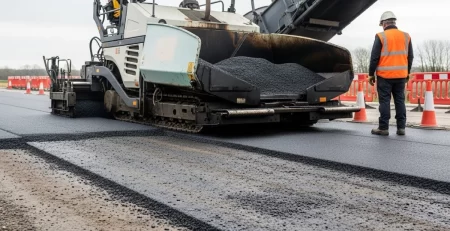
Similarly, machine lay tarmac offers a faster and more consistent application for larger areas, making it ideal for commercial sites where time constraints are critical.
Selecting the right method is not just about performance but about aligning the installation process with operational needs.
Budgeting for Preventative Improvements
A common mistake in infrastructure planning is focusing only on visible surface upgrades while neglecting underlying issues. Poor drainage, sub-base weaknesses, and existing damage can all lead to premature failure if not addressed.
Incorporating preventative improvements into the budget ensures long-term performance and reduces the likelihood of future disruption.
Addressing Drainage Systems
Effective drainage is essential for maintaining surface integrity. Water accumulation leads to deterioration, potholes, and structural damage. Investing in proper drainage solutions as part of an upgrade project protects the new surface and extends its lifespan.
Repairing Existing Damage
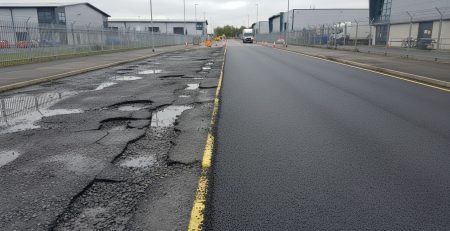
Before resurfacing, existing issues such as cracks and potholes must be properly repaired. Professional pothole repairs ensure a stable foundation, preventing recurring problems and additional costs.
By addressing these factors early, site managers can avoid repeated interventions that disrupt operations over time.
Coordinating with Stakeholders
Infrastructure upgrades affect a wide range of stakeholders, including employees, residents, visitors, and suppliers. Clear communication is essential to minimise confusion and maintain smooth operations.
Providing advance notice of works, outlining timelines, and offering alternative access arrangements helps manage expectations. When stakeholders understand what to expect, they are more likely to adapt to temporary changes.
Coordination also extends to internal teams, ensuring that operational adjustments align with construction schedules.
Leveraging Professional Expertise
Attempting to manage infrastructure upgrades without professional input often leads to inefficiencies and unexpected disruption. Experienced contractors bring not only technical expertise but also strategic planning capabilities.
Working with a specialist team ensures that projects are designed with operational continuity in mind. From initial assessment through to completion, professional contractors consider factors such as site usage, access requirements, and long-term performance.
Exploring previous projects through case studies can provide valuable insight into how similar challenges have been successfully managed.
Long-Term Financial Planning
Infrastructure upgrades should not be viewed as isolated expenses but as part of a broader asset management strategy. Developing a long-term plan allows property owners to spread costs over time and prioritise works based on urgency and impact.
Forecasting Future Needs
Understanding how infrastructure will perform over time helps in planning future budgets. Regular inspections and maintenance assessments provide data that supports informed decision-making.
Reducing Reactive Spending
Emergency repairs are often more expensive and disruptive than planned upgrades. By allocating budget for scheduled improvements, site managers can avoid the need for urgent interventions that interrupt operations.
Enhancing Asset Value
Well-maintained infrastructure contributes to the overall value and functionality of a property. Investing in quality upgrades not only improves safety and usability but also enhances long-term returns.
Minimising Risk During Upgrades
Every infrastructure project carries a degree of risk, particularly when carried out in active environments. Effective budgeting includes provisions for risk management, ensuring that potential issues are anticipated and addressed.
Health and safety considerations are paramount, especially in areas with high footfall or vehicle movement. Proper planning, clear demarcation of work zones, and adherence to regulations reduce the likelihood of incidents.
Additionally, contingency planning allows projects to adapt to unforeseen challenges such as weather conditions or site-specific constraints without causing significant delays.
Integrating Upgrades with Broader Site Improvements
Infrastructure upgrades often present an opportunity to implement wider improvements. Rather than treating surfacing works as a standalone task, they can be integrated with other enhancements such as improved layouts, accessibility upgrades, and aesthetic improvements.
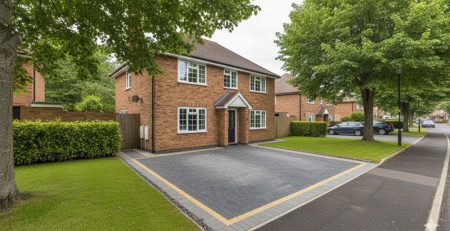
For example, upgrading access roads alongside adjacent areas such as pathways or external spaces creates a more cohesive and functional environment. Services like resin driveways can complement traditional surfacing solutions, particularly in mixed-use developments.
Taking a holistic approach ensures that investment delivers maximum value while minimising the need for future disruption.
Conclusion
Budgeting for infrastructure upgrades without disrupting operations requires a strategic and informed approach. It is not simply about allocating funds but about understanding how projects interact with daily activities and planning accordingly.
By adopting phased delivery, selecting appropriate surfacing methods, addressing underlying issues, and working with experienced contractors, property owners can achieve high-quality results while maintaining operational continuity.
Effective infrastructure upgrade budgeting ultimately reduces long-term costs, enhances site performance, and ensures that essential improvements are delivered with minimal impact on those who rely on the space every day.