Road Surfacing for Schools and Public Spaces
Public road surfacing in the UK plays a vital role in the safety, accessibility, and longevity of shared environments such as schools, playground access roads, leisure centres, parks, and community facilities. These spaces experience varied levels of foot traffic, vehicle movement, and environmental exposure, all of which place consistent pressure on surface performance. Unlike private roads, public-facing areas must meet higher expectations for safety, compliance, and durability because they are used by children, staff, visitors, service vehicles, and emergency access.
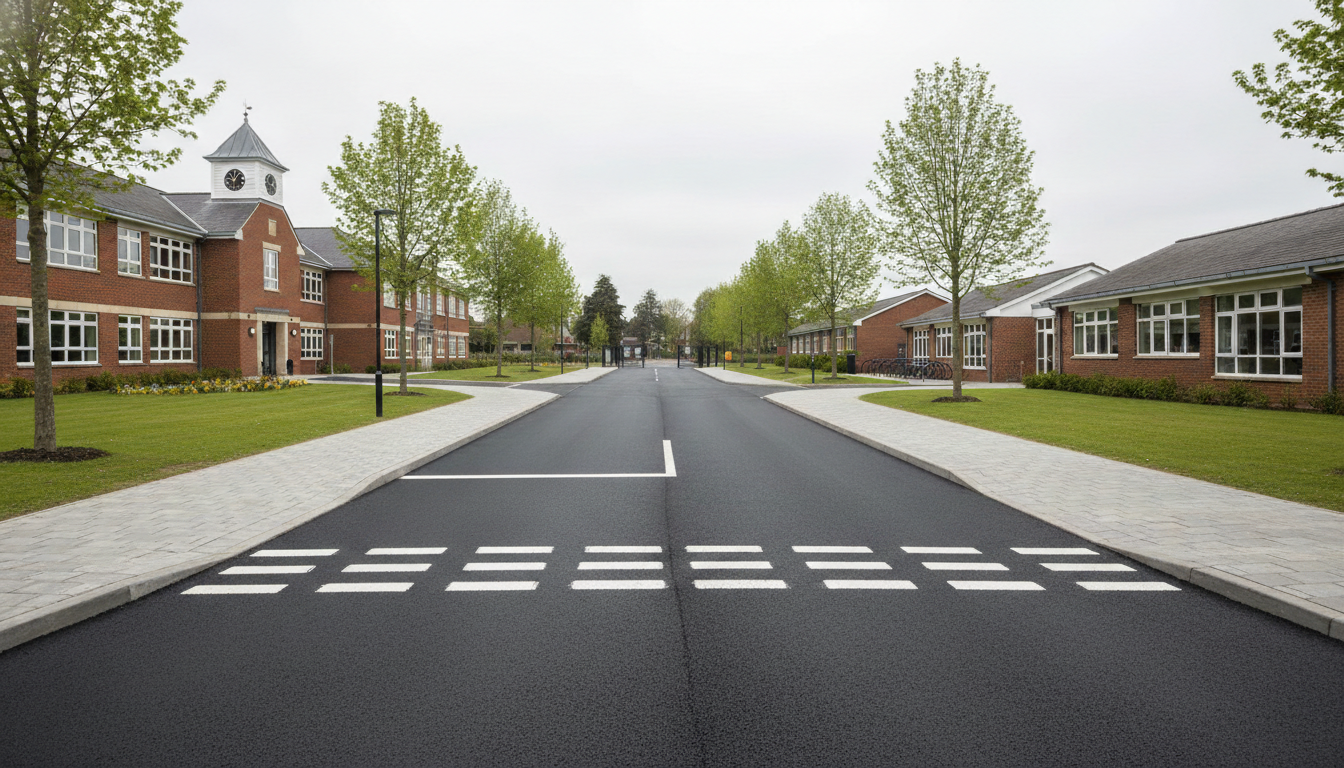
In school environments in particular, the condition of access roads, drop-off zones, and pedestrian crossings has a direct impact on daily operations. Poor surfacing can increase the risk of slips, trips, and vehicle damage while also reflecting negatively on site management. Public road surfacing UK projects therefore demand careful planning, appropriate material selection, and professional installation to ensure long-term reliability.
Key Challenges in Surfacing Schools and Public Spaces
High Footfall and Mixed Traffic Use
Schools and public spaces rarely serve a single purpose. During peak times, access roads and car parks may need to accommodate cars, minibuses, delivery vehicles, and pedestrians simultaneously. Over time, this mixed-use traffic leads to surface wear that is very different from standard residential roads. Heavy braking, turning movements, and frequent stopping can accelerate surface fatigue if the road structure is not designed correctly.
Public road surfacing UK solutions must account for this constant use by incorporating suitable base layers and surface materials that can withstand repeated stress. Without this consideration, premature cracking and deformation are likely to appear.
Safety and Duty of Care
Public authorities and site managers have a clear duty of care to ensure surfaces are safe and accessible. Uneven road levels, standing water, and surface defects can all contribute to accidents. In school settings, these risks are amplified due to the presence of children and vulnerable users.
Professional surfacing contractors understand the importance of creating smooth transitions, well-defined edges, and consistent gradients. This approach helps reduce hazards and supports safer movement across the site throughout the year.
Suitable Surfacing Materials for Schools and Public Areas
Tarmac as a Reliable Surface Solution
Tarmac remains one of the most widely used materials for public road surfacing UK projects due to its durability, flexibility, and cost-effectiveness. When installed correctly, tarmac provides a smooth, hard-wearing surface capable of handling both pedestrian and vehicular traffic.
In school environments, tarmac is often used for access roads, car parks, playground perimeters, and service areas. Its ability to be laid efficiently also helps minimise disruption during installation, which is particularly important when work must be completed within tight holiday windows.
Professional tarmac installation ensures the surface performs consistently and meets the demands of high-use public spaces.
Machine-Laid Surfacing for Consistency
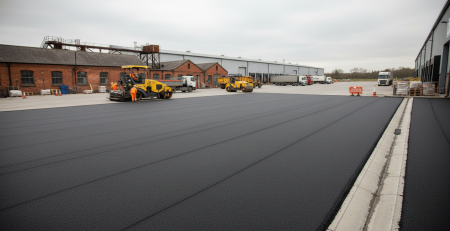
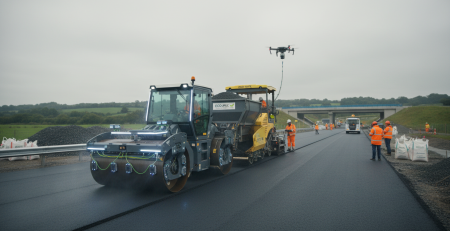
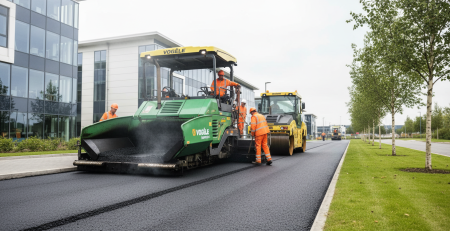
For larger public areas such as school campuses or shared access routes, machine-laid surfacing provides a uniform finish and precise compaction. This method reduces the risk of weak spots and uneven levels, both of which can compromise safety and longevity.
Using machine-laid tarmac allows contractors to deliver consistent thickness across the entire surface, improving resistance to wear and reducing long-term maintenance requirements.
Drainage Considerations in Public Road Surfacing UK Projects
Effective drainage is a critical element of any public road surfacing scheme. Schools and public spaces often include wide open areas where water can accumulate if falls and gradients are not properly designed. Standing water not only damages the surface over time but also creates slip hazards and accelerates freeze-thaw deterioration during colder months.
Professional surfacing design incorporates subtle gradients and, where required, integrated drainage systems to ensure water flows away from high-use areas. This approach helps preserve surface integrity while maintaining safe access during wet weather.
Accessibility and Compliance in Public Spaces
Public road surfacing UK works must align with accessibility standards to ensure inclusive use. This includes providing smooth transitions between surfaces, maintaining appropriate gradients for wheelchair access, and ensuring clear visibility of pedestrian routes.
In school settings, accessible surfacing supports pupils, staff, and visitors with mobility needs while also facilitating safe movement for pushchairs and service equipment. Contractors experienced in public sector projects understand how to balance compliance with durability, ensuring surfaces remain functional for years to come.
Minimising Disruption During School Surfacing Works
Phased Installation Planning
One of the key considerations when resurfacing schools and public spaces is minimising disruption to daily operations. Schools in particular often require work to be completed during holidays or weekends to avoid interfering with lessons and safeguarding routines.
Careful planning allows surfacing works to be phased, ensuring critical access routes remain open where necessary. This level of organisation is a hallmark of experienced commercial surfacing contractors who regularly manage complex public environments.
Clear Communication with Site Managers
Successful public road surfacing UK projects rely on clear communication between contractors and site managers. This includes agreeing access points, scheduling deliveries, and managing temporary closures safely. When expectations are aligned from the outset, the project is more likely to progress smoothly and on schedule.
Long-Term Maintenance for Public Road Surfaces
Once installed, public road surfaces benefit from proactive maintenance to extend their lifespan. Regular inspections help identify early signs of wear such as minor cracking or surface fretting. Addressing these issues promptly prevents them from developing into larger, more costly repairs.
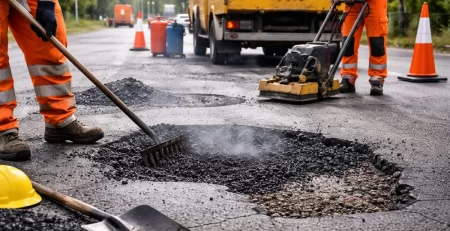
In high-use public spaces, targeted interventions such as timely pothole repairs can significantly reduce disruption and maintain a safe environment for users. A well-maintained surface also reflects positively on the organisation responsible for the site.
Why Professional Expertise Matters in Public Road Surfacing UK
Public road surfacing UK projects are rarely straightforward. They require an understanding of safety standards, usage patterns, drainage design, and material performance. Attempting to cut costs through inadequate preparation or inexperienced installation often leads to premature failure and higher long-term expenditure.
Working with established surfacing specialists ensures that every stage, from ground preparation to final compaction, is carried out to a professional standard. This approach delivers surfaces that remain safe, compliant, and visually appropriate for schools and shared public environments.
Supporting Communities Through Quality Surfacing
Well-designed and professionally installed public road surfacing contributes to the overall quality of community spaces. Smooth access roads improve daily routines for parents and staff, while durable surfaces reduce the need for frequent repairs funded by public budgets.
By investing in properly planned surfacing works, schools and public organisations create safer, more reliable environments that support education, recreation, and community engagement over the long term.