Why Road Surfacing Should Never Be Judged by Price Alone
When planning a road surfacing project, it is natural to look closely at cost. Whether the work involves a private access road, a commercial yard, a car park, a housing development or an estate road, budgets matter. However, judging road surfacing by price alone can lead to problems that are far more expensive than choosing a properly specified service from the start.
A low quotation may look appealing at first glance, especially when several contractors appear to be offering similar work. In reality, road surfacing is not a simple like-for-like purchase. The final result depends on preparation, drainage, material choice, installation method, compaction, site conditions and the experience of the contractor carrying out the work. Two prices can look similar on paper while representing very different levels of quality, durability and long-term value.
For UK property owners and commercial site managers, the real question should not only be how much the work costs. It should also be what is included, how the surface will perform, how long it is expected to last and whether the contractor has allowed for the specific demands of the site. Understanding road surfacing cost UK factors properly helps prevent short-term savings from becoming long-term repair bills.
The Hidden Risks Behind a Low Road Surfacing Price
A cheaper road surfacing quote often becomes attractive because it appears to reduce the immediate spend. However, reduced cost usually comes from somewhere. It may mean less time spent on preparation, a thinner surface specification, poorer quality materials, limited drainage consideration or a rushed installation. These details may not be obvious when the surface is first laid, but they can quickly affect performance once vehicles begin using the road.
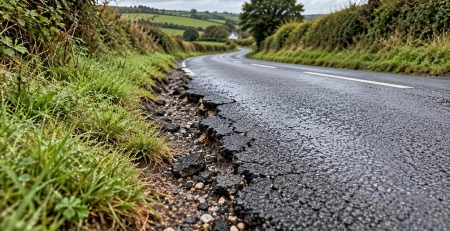
Road surfaces are exposed to constant pressure. Cars, delivery vans, refuse vehicles, heavy goods vehicles and site machinery all place different loads on the structure below. If the base is weak or the surfacing layer is not suitable for the traffic level, the finished surface may begin to deform, crack or break up much sooner than expected. What seemed like a saving can soon lead to potholes, standing water, uneven areas and disruption to site access.
This is why professional tarmac installation and road surfacing services should always be assessed on specification as well as price. A properly planned surface is designed around how the area will be used, not just how quickly it can be installed.
Preparation Has a Major Impact on Long-Term Performance
One of the most important parts of any road surfacing project is what happens before the final surface is laid. Good preparation may include excavation, removal of failed material, levelling, sub-base installation, edge support and compaction. These stages are essential because the visible surface depends on the strength of the layers beneath it.
A low-cost quote may not allow enough time or material for proper preparation. This can be particularly risky on older roads, private lanes or commercial sites where the existing base may already be damaged. Laying new material over an unstable foundation might improve appearance temporarily, but it will not solve deeper structural problems.
A well-prepared base spreads traffic loads more effectively and reduces movement within the surface. This helps prevent cracking, rutting and premature failure. For commercial sites, this is especially important because regular traffic from delivery vehicles or plant equipment can place high stress on the surface. Cutting corners during preparation is one of the most common reasons a road fails earlier than expected.
Material Quality Matters More Than the Initial Saving
The quality and suitability of surfacing materials have a direct effect on durability. Different road surfacing projects require different specifications depending on traffic type, site layout, drainage needs and expected use. A residential access road will not usually need the same design as a loading bay or industrial estate route used by heavy vehicles every day.
Choosing the cheapest option may mean the material is not suitable for the level of use. It may also mean the depth of material has been reduced to keep the quote low. This can leave the finished road vulnerable to early wear, especially in areas where vehicles turn, brake or stand for long periods.
A reliable contractor should explain why a particular material and depth are being recommended. The right specification balances cost with performance. It does not simply aim to make the quote look as low as possible. In many cases, a slightly higher initial investment can provide a surface that performs for much longer, requires fewer repairs and reduces disruption over time.
Drainage Should Never Be Treated as an Afterthought
Water is one of the biggest threats to road surfacing. If surface water is not managed correctly, it can weaken the structure, increase the risk of cracking and accelerate pothole formation. Standing water can also create safety concerns for pedestrians, vehicles and site users.
A cheaper quote may overlook drainage or assume that the existing falls are adequate. This can be a costly mistake. Proper drainage planning considers how water moves across and away from the surface. It also takes into account low spots, surrounding ground levels, entrances, kerbs and nearby buildings.
On commercial sites, poor drainage can cause operational issues as well as surface damage. Large puddles near loading areas, access points or pedestrian routes can affect safety and create a poor impression for visitors. A road that has been priced without proper drainage consideration may cost less at the start, but it is unlikely to offer the same long-term value.
Installation Method Affects Finish and Consistency
How the material is laid is another important factor when comparing road surfacing prices. Machine-laid surfacing can provide a consistent finish over larger areas, while hand-laid work may be suitable for smaller or more awkward spaces. The correct method depends on the site, access, scale of work and required finish.
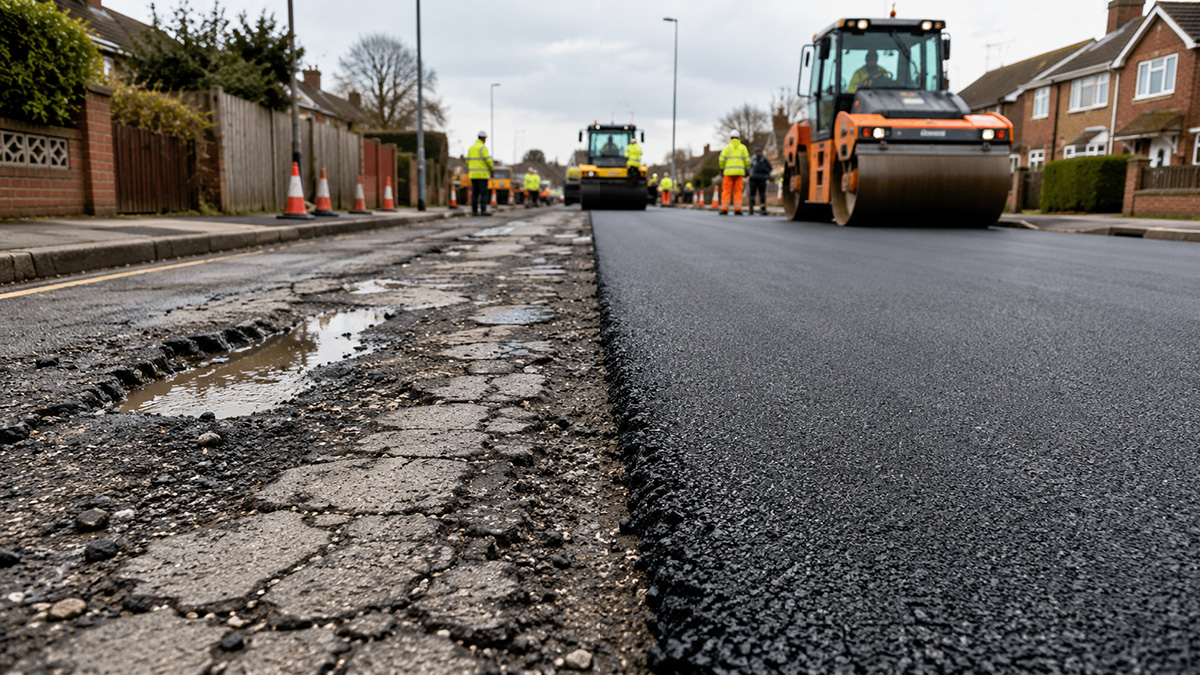
For larger roads, car parks and commercial areas, machine lay tarmac can help achieve an even surface, consistent depth and efficient installation. This is particularly useful where a smooth, durable and professional finish is required across a wider area.
A cheaper price may be based on a method that is not ideal for the project. While this may reduce labour or plant costs, it can affect the quality of the finished result. Uneven levels, poor compaction and inconsistent surface depth can all lead to early defects. The installation method should always suit the job rather than simply the lowest possible price.
Contractor Experience Can Reduce Costly Mistakes
Road surfacing is practical, technical work. Experienced contractors understand how different sites behave, how to manage weather conditions, how to prepare surfaces correctly and how to avoid common installation issues. This knowledge has real value.
An inexperienced or poorly equipped contractor may be able to provide a lower quotation, but that does not mean the project will be completed to the right standard. Mistakes in levels, compaction, material choice or drainage can affect the entire surface. Once the work is complete, these problems can be difficult and expensive to correct.
Choosing established commercial surfacing contractors is particularly important for business premises, industrial sites, car parks and access roads. These environments often need to remain operational, so poor planning can cause delays, disruption and unnecessary expense. A contractor who understands commercial requirements can plan the work around access, traffic flow, safety and long-term performance.
The True Cost of Early Surface Failure
The cheapest road surfacing option can become expensive if it fails too soon. Repairing potholes, resurfacing damaged sections and managing disruption all add to the true cost of the project. There may also be indirect costs, such as complaints from tenants, reduced access for customers, vehicle damage claims or safety concerns.
Early failure can also affect the reputation of a commercial site. Visitors, customers and staff often judge a property before they enter the building. A damaged access road or poorly surfaced car park can make a site look neglected, even when the buildings themselves are well maintained.
Professional pothole repairs are valuable when localised defects appear, but repeated repairs can indicate that the original surface was not properly specified or installed. In many cases, investing in better road surfacing from the outset reduces the need for frequent patching and helps keep the site safer and more presentable.
Comparing Quotes Properly
When reviewing road surfacing quotes, the lowest price should not be treated as the automatic winner. A fair comparison should look at what each contractor has included. This means considering preparation, material specification, surface depth, drainage, waste removal, access arrangements, edging, compaction and the likely lifespan of the finished surface.
A detailed quotation gives property owners and site managers more confidence because it shows that the contractor has properly assessed the work. A vague quotation may leave important items unclear, which can lead to extra costs later. If one quote is much lower than the others, it is worth asking what has been omitted or reduced.
Good value does not always mean choosing the most expensive option. It means choosing the option that provides the right balance of cost, durability, safety and suitability for the site. A professional contractor should be able to explain the reasoning behind the price in clear, practical terms.
Why Site Use Should Shape the Specification
Every road surfacing project should be designed around how the area will actually be used. A private driveway, a school access road, a retail car park and an industrial yard all have different demands. Traffic weight, turning movements, pedestrian use, drainage routes and maintenance expectations all influence the correct specification.
For example, areas used by heavy vehicles may need stronger construction and more careful compaction than light-use residential roads. A car park may need attention to bay areas, turning circles and pedestrian movement. A private estate road may need a balance between appearance, durability and long-term maintenance.
This is why a site visit or proper assessment is so important. Pricing a project without understanding the conditions can result in an unsuitable recommendation. The best road surfacing solution is not simply the cheapest one; it is the one that fits the site’s real use and expected traffic.
Long-Term Value Comes from Doing the Work Correctly
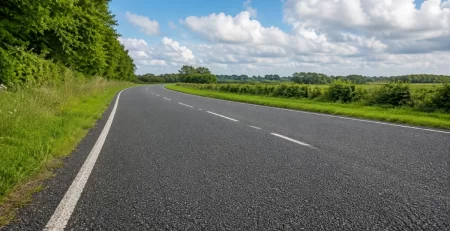
A well-surfaced road should provide safe, reliable access and stand up to daily use. It should shed water effectively, support traffic loads and maintain a professional appearance over time. Achieving this requires more than a low price. It requires proper planning, suitable materials, skilled installation and attention to detail.
For homeowners, this can mean fewer repairs and a better-looking property entrance. For commercial site managers, it can mean safer operations, fewer disruptions and a more professional environment for customers, staff and visitors. For developers and estate managers, it can mean roads that perform properly from handover and remain easier to maintain.
When road surfacing is judged only by price, important quality factors can be missed. When it is judged by value, performance and suitability, the final decision is more likely to protect the property and the budget over the long term.
Making a Confident Road Surfacing Decision
Price will always be part of the decision-making process, but it should not be the only factor. A reliable road surfacing quote should make clear what is being provided and why it is appropriate for the site. It should reflect the preparation required, the material specification, the installation method and the expected demands on the finished surface.
For property owners and commercial site managers, the aim should be to avoid false economy. A surface that costs less today but fails early is rarely the best financial choice. A properly specified and professionally installed surface may require a greater initial investment, but it can deliver better durability, safer access and fewer problems over its lifetime.
Understanding road surfacing cost UK considerations in this wider context helps you compare quotes more confidently. The best result is not the cheapest surface on paper. It is the surface that performs well, suits the site and provides lasting value after the contractors have left.