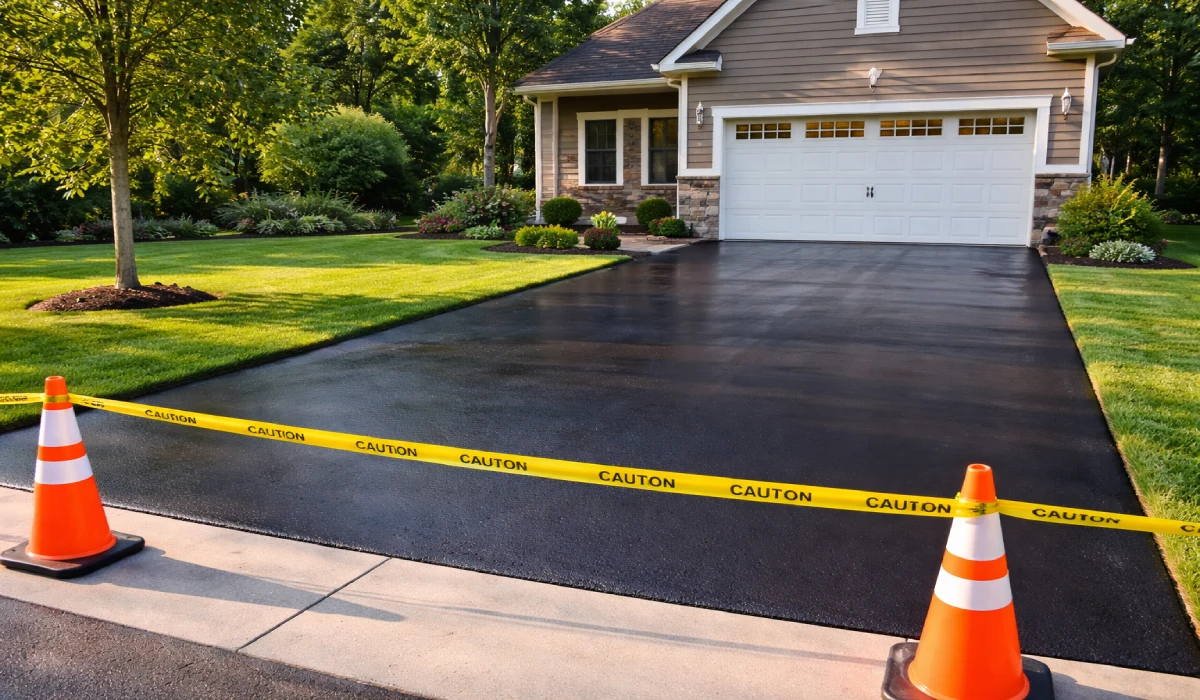
How Long After Sealing Driveway Can I Drive on It: Know the Timeframe in UK Weather
Sealing a driveway is a crucial step to protect and enhance your property’s curb appeal. Yet, one of the most common questions UK homeowners ask is: how long after sealing a driveway can I drive on it? This isn’t just about impatience.
Driving too soon can damage the seal, leading to costly repairs and reduced longevity. The answer varies widely depending on your driveway’s surface and the unpredictable UK weather. This guide will help you navigate the drying and curing times essential for maintaining your driveway’s new finish.
We’ll look into different materials like asphalt, concrete, and block paving, plus how the British climate can extend your waiting period. Get ready to learn precise, localised advice protecting your investment while avoiding common pitfalls.
Tip: Giving your sealed driveway enough time to cure helps prevent tyre marks, peeling, and premature wear. If you’re unsure about the right waiting time or need professional driveway sealing, Get A Free Quote from our experienced team.
Wait Times That Actually Matter (By Driveway Type)
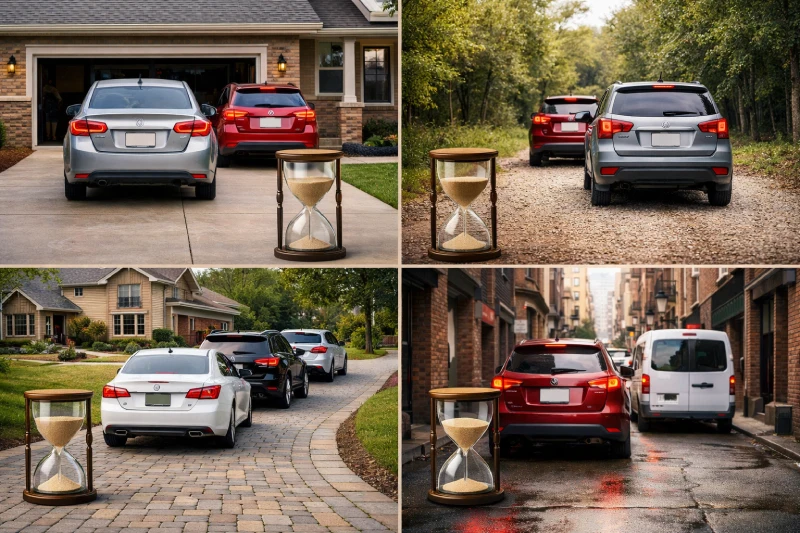
Driveway sealing wait times aren’t one-size-fits-all. From asphalt to concrete and block paving, curing depends on surface type, vehicle weight, and, crucially, the UK’s unpredictable weather.
Asphalt Driveway Sealer
For asphalt surfaces in the UK, the common recommendation is to wait 24 to 48 hours before driving on your sealed driveway. Light vehicles can typically be driven after 24 hours, but for heavier vehicles, a longer wait of 5 to 7 days is advised.
Temperature plays a big role; during cooler or damp weather, typical in Hertfordshire or Essex, consider extending to 72 hours or more. Sharp turns and sudden braking should be avoided on initial use to prevent tire marks or scuffing of the fresh sealer.
Proper curing provides durability against the wear and tear of local traffic and seasonal changes experienced across towns like St Albans, Watford, or Chelmsford.
Concrete Driveway Sealer
Concrete driveways need time to cure before traffic resumes. Generally, waiting at least 48 hours before light vehicle use is recommended. Given the moisture and cool temperatures typical around Bedfordshire or Cambridgeshire, that window might expand to up to 72 hours.
Concrete sealers often cure more slowly than asphalt because of different chemical compositions. Maintaining the seal requires careful attention during the initial hours to avoid tracking the wet sealer onto shoes or tires, which can cause unsightly marks on nearby roads or garages.
Early disturbance affects the sealer’s protection performance, especially in climate zones with high humidity, such as Oxfordshire’s wetter months.
Block Paving & Pattern Imprinted Concrete
Block paving and pattern-imprinted concrete need jointing and sealing completion before use. The typical UK guideline recommends 24 to 48 hours post-sealing before walking, but driving should be delayed at least 72 hours for maximum longevity.
This timing ensures joint stabilizers are set, and sealer penetration is sufficient. Areas like Luton, Dunstable, or Huntingdon often experience varying moisture levels, extending drying times
Sealers can be vulnerable to heavy vehicle traffic early on, leading to peeling or permanent tire marks if guidelines aren’t followed precisely.
Weather: The Silent Decider
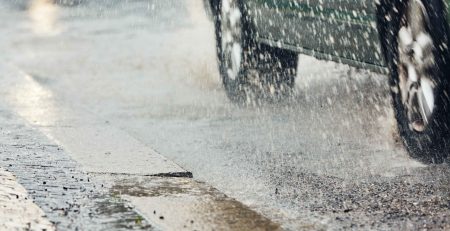
Weather is an often-underestimated factor affecting drying and curing times. In the UK’s frequently damp or overcast climate, sealing drying times lengthen considerably. You should add at least an extra 24 hours if the weather is rainy or humid, particularly in Essex or Hertfordshire.
Cold weather slows chemical curing processes, so driveway sealing drying time in cold weather could stretch beyond usual estimations. It’s best to schedule sealing in drier, warmer windows, common from late spring to early autumn.
Ignoring weather impact risks compromises the sealer’s integrity, reducing your driveway’s durability and aesthetic appeal prematurely.
What Happens If You Drive on It Too Soon?
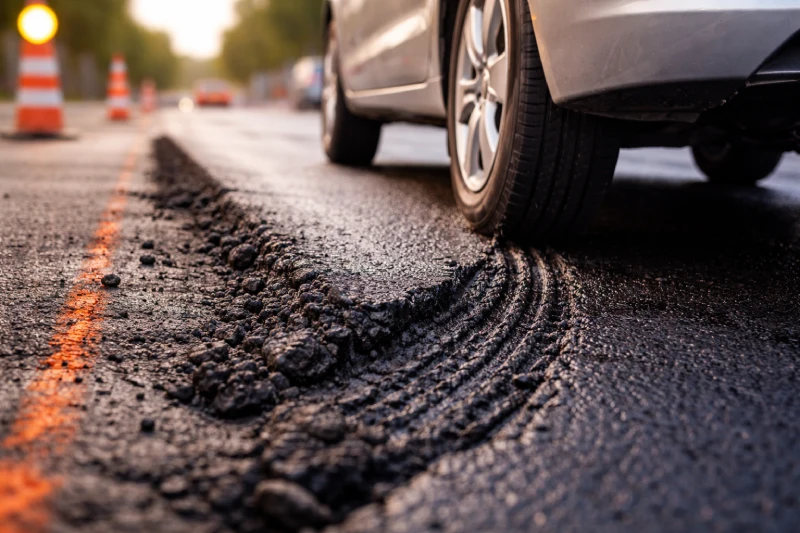
Driving on a freshly sealed driveway too soon can cause lasting damage, from permanent tyre marks and peeling to sealer tracking onto roads and garages.
Permanent Tire Marks and Peeling
Driving too soon can embed tire marks into the fresh sealant, creating unsightly permanent blemishes. The pressure and heat from tires can cause the seal to peel, exposing the surface underneath.
This effect is especially problematic for asphalt and block-paved surfaces, where the seal strength depends on proper curing protocols common in Hertfordshire and Essex. Such early damage means reapplying sealant sooner than expected, adding unnecessary cost and hassle.
Sealer Tracking on Roads and Garages
If the sealer isn’t fully dry, it can transfer onto vehicle tyres and get tracked onto public roads or your garage floors. This not only creates a mess but can also violate local council regulations and cause neighbour disputes.
Wet sealant can also stick poorly to the driveway surface, lowering its protective qualities and reducing its lifespan. Careful adherence to waiting times helps prevent these issues, maintaining a neat finish and abiding by local standards across areas like Stevenage and Chelmsford.
Early Damage Shortens Sealer Lifespan
The premature wear caused by early use leads to patchy surfaces, cracking, and faster degradation. This forces homeowners to reseal or repair sooner, erasing the investment benefits.
The UK’s climate, with frequent wet spells and temperature changes, accelerates wear if initial curing is incomplete. Following recommended UK driveway sealing curing times ensures maximum durability and cost-effectiveness over the years, whether in Hitchin, Banbury, or beyond.
Why Go with a Local Professional for Driveway Power Washing in the UK?
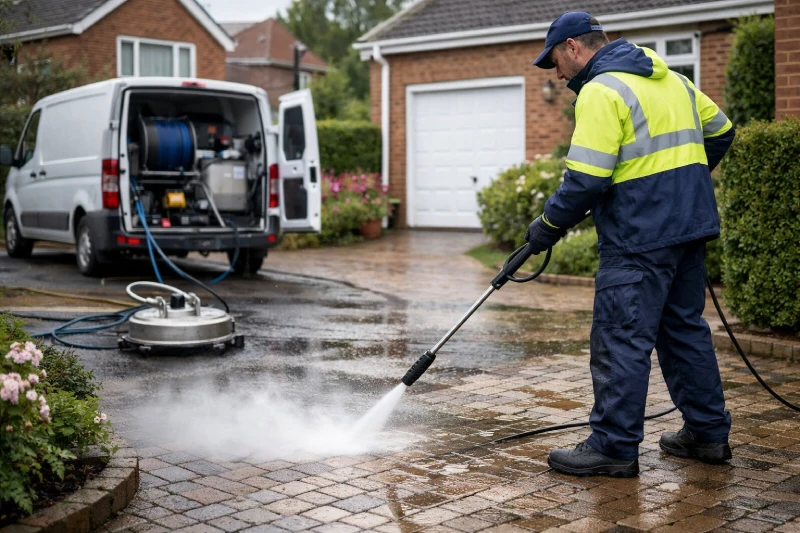
Choosing a local professional for driveway power washing in the UK means expert care tailored to regional surfaces and weather.
They Know UK Surfaces
Local companies are intimately familiar with the types of surfaces common in the area and how the UK weather affects them. Their expertise ensures the right pressure and cleaning methods are used, preserving your driveway’s integrity.
Working with an expert from Total Surfacing Solutions Ltd delivers tailored solutions rather than generic fixes that may not suit regional conditions. This knowledge translates into better preparation for sealing, improving adherence, and longevity.
Faster Response, Better Reliability
Hiring a reputable local driveway company means quicker service, reducing downtime before sealing can commence. This is essential in the UK’s often narrow weather windows.
With over 20 years of experience in delivering driveway and patio projects, local experts understand the urgency and provide straightforward service with quality workmanship. Prompt responses keep your project on schedule and reduce weather-related delays.
Proper Equipment, Not Just Pressure
Effective cleaning goes beyond high pressure. Local professionals use specialised tools suitable for tarmac, concrete, and block paving, respecting the surface’s structure.
This careful approach prevents damage that often happens with non-expert DIY attempts or generic services. Ensuring the surface is cleaned properly helps the sealant bond better, especially important under UK weather stresses.
Environmentally Responsible Cleaning
Many local companies implement environmentally friendly practices, managing waste and runoff responsibly. This is particularly important in rural Hertfordshire or protected areas near Cambridgeshire, where untreated waste could pollute local ecosystems.
Choosing local pros safeguards both your driveway investment and the surrounding environment.
Local Reputation You Can Verify
Local companies rely on their reputation, evident in reviews and word-of-mouth across Hertfordshire, Essex, and neighbouring counties.
You can verify their quality workmanship and straightforward service by checking community feedback or visiting previous job sites within your area. This transparency and accountability ensure you get the best value and trustworthiness for your money.
Areas We Cover in the UK
Our expert driveway sealing and cleaning services cover:
- Hertfordshire – St Albans, Watford, Hemel Hempstead, Stevenage, Hitchin, Welwyn Garden City, Hatfield
- Essex – Harlow, Epping, Chelmsford, Brentwood, Braintree
- Bedfordshire – Luton, Dunstable, Bedford, Leighton Buzzard
- Cambridgeshire – Cambridge, Ely, St Neots, Huntingdon
- Oxfordshire – Oxford, Banbury, Bicester, Didcot
Each area receives customised service tailored to local substrates and climate conditions.”
Where You Can Find Us?
Located in Warehams Lane Hertford, Total Surfacing Solutions Ltd serves customers throughout Hertfordshire and surrounding areas. Our operational base allows us to efficiently manage enquiries, inspections, and ongoing projects.
- Main Office: Cooks Yard, Unit 1 Warehams Lane Hertford SG14 1LA United Kingdom
- Phone: +44 1920 486310
We specialise in driveway and surface installations, repairs, and full renovations. Thanks to our convenient location, contacting us is simple; just call during office hours to arrange a consultation or site visit.
Office Hours:
- Mon–Fri: 09:00–17:00
- Sat: 09:00–15:00
- Sun: Closed
FAQs
Can you power wash a driveway after sealing?
After sealing driveway surfaces, you should avoid power washing for at least several months. Washing too soon can weaken the sealant, especially on tarmac surfacing, and reduce its ability to protect against moisture and wear.
How does sealing affect removing ice in winter?
After sealing driveway surfaces, ice becomes easier to remove because water cannot penetrate the surface. Sealed tarmac surfacing reduces freeze damage and improves winter safety, especially when combined with heated driveway systems.
Is a heated driveway still effective after sealing?
A heated driveway works very effectively after sealing driveway surfaces. While a heated driveway cost is higher initially, sealing improves heat efficiency, prevents water absorption, and helps remove ice faster with less long-term surface damage.
Does sealing a driveway help get rid of weeds?
After sealing driveway surfaces, weed growth is reduced by blocking cracks and gaps. This makes it easier to get rid of weeds and keeps tarmac surfacing cleaner, smoother, and easier to maintain over time.
Protect Your Driveway with Timed Precision
Knowing how long after sealing a driveway you can drive on it is not just about patience, but also about protecting your investment. In the UK’s variable weather, following expert guidelines, such as a minimum 24 to 72 hour wait depending on material and climate, ensures durability and a flawless finish.
Early vehicle use risks permanent damage, but with local professionals guiding the process, you’ll enjoy long-lasting results. Whether in East Hertfordshire, Essex, or Cambridgeshire, choosing trusted, experienced experts guarantees your driveway looks pristine for seasons after sealing.
Plan wisely, wait appropriately, and safeguard your driveway’s future with the right timing and professional support.