Road Surfacing Quote Checklist For Property Owners
A Road Surfacing Quote Checklist For Property Owners helps homeowners, landlords, developers, and commercial site managers understand exactly what they are paying for before approving road construction or resurfacing work. A low quotation may appear attractive, but missing excavation, insufficient sub-base preparation, inadequate drainage, or unspecified asphalt layers can lead to additional charges and premature surface failure. Comparing quotations properly means checking the full construction specification, materials, traffic requirements, site preparation, and the responsibilities of the surfacing contractor.
Total Surfacing Solutions provides residential and commercial road surfacing, tarmacadam installation, machine-laid asphalt, pothole repairs, and line marking across Hertford, Hertfordshire, Bedfordshire, Oxford, Cambridgeshire, and Essex. The company assesses ground conditions, drainage, vehicle loading, access requirements, and suitable materials before recommending a surfacing approach. This checklist explains what property owners should request in a quotation and how Total Surfacing Solutions’ services relate to each stage of the project.
Quick Check: If you are comparing quotations for a private road, commercial access route, car park, or residential surfacing project, Total Surfacing Solutions offers road construction and surfacing quotation assessments to help establish the required groundwork, materials, drainage, and installation scope before work begins.
Road Surfacing Quote Checklist For Property Owners
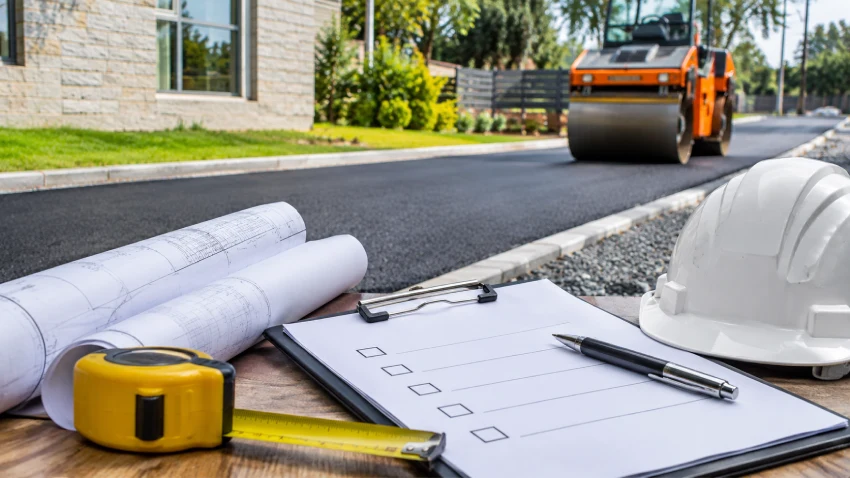
A road surfacing quotation should describe the proposed construction in enough detail for the property owner to understand what will be installed, what preparation is included, and which responsibilities remain outside the agreed work.
A headline price without measurable specifications makes comparisons difficult. One contractor may quote for a new surface course over an existing base, while another includes excavation, replacement sub-base, drainage adjustments, and additional asphalt layers. These are different scopes of work, even if both are described as road resurfacing.
The checklist below identifies the details that should be established before accepting a quotation from Total Surfacing Solutions or another contractor.
| Quotation item | What should be specified | Why it matters |
| Site survey | Existing surface, dimensions and defects | Establishes the actual scope |
| Project area | Measured square metres and boundaries | Prevents quantity disputes |
| Excavation | Depth, removal and waste handling | Clarifies groundwork allowances |
| Sub-base | Material, thickness and compaction | Supports traffic loading |
| Asphalt layers | Material type and compacted depths | Defines pavement construction |
| Drainage | Falls, channels and outlets | Reduces standing water |
| Edging | Kerbs, restraints and transitions | Protects surface boundaries |
| Installation method | Machine laying or hand laying | Affects access and workmanship |
| Traffic management | Closures, diversion and pedestrian routes | Controls disruption |
| Line marking | Parking bays, arrows and pedestrian areas | Completes traffic layout |
| Project programme | Preparation, laying and reopening | Supports site planning |
| Exclusions | Unforeseen ground conditions and additional work | Reduces surprise charges |
| Handover | Inspections, snagging and aftercare | Establishes completion standards |
The road surfacing quality inspection framework helps explain how construction quality should be assessed beyond the appearance of the completed surface.
Total Surfacing Solutions’ road and tarmac work covers residential driveways, private access roads, commercial forecourts, car parks, and industrial areas. The quotation should reflect the demands of the particular site rather than applying the same specification to every project.
Start With A Proper Road Surface Assessment
A reliable quotation begins with understanding the existing road rather than immediately selecting a new asphalt finish. The contractor should assess cracking, potholes, rutting, drainage, edge deterioration, settlement, and the condition of the supporting foundation.
Surface defects can have different causes. A few isolated potholes may be suitable for localised repairs, while widespread cracking or movement may indicate deeper structural problems. Installing a fresh surface course over an unstable road can leave the underlying cause untreated.
Existing Road Condition
The site assessment should identify whether the road is structurally sound enough for resurfacing or requires reconstruction. Where the existing base can be retained, the quotation should explain how the old surface will be prepared and how new material will be bonded.
Total Surfacing Solutions provides tarmac installation and resurfacing for properties where a damaged surface needs a practical solution. The team can assess whether patching, an overlay, or more extensive construction should be considered.
Traffic And Vehicle Loading
A private residential access road has different requirements from an industrial yard handling frequent delivery vehicles. Vehicle weight, braking, turning, parking, and repeated loading all influence the required pavement structure.
The residential and commercial tarmac specification differences provide a useful comparison of the demands placed on different surfaces.
Homeowners and site managers should tell the contractor about regular delivery vehicles, refuse collection, emergency access, and any other heavy traffic expected on the completed road.
Check Excavation And Sub-Base Preparation
The supporting foundation is one of the most important parts of a road surfacing quotation. A smooth asphalt finish cannot compensate for weak ground, inadequate compaction, or unsuitable material beneath the visible surface.
The quotation should identify whether existing surfacing will be removed, how deep excavation will extend, what sub-base material will be installed, and how the formation will be assessed.
Excavation And Waste Removal
Excavation requirements depend on the existing road condition and the proposed construction. Removing failed material may be necessary before rebuilding the foundation, particularly where potholes or settlement indicate instability.
The quotation should clarify whether excavation, removal of waste, transport, and disposal are included. It should also identify how unexpected unsuitable ground or buried obstructions would be handled.
Sub-Base Material And Compaction
The sub-base distributes traffic loads and provides support for the upper pavement layers. Its specification should be based on ground conditions and the vehicles expected to use the road.
Property owners should check the proposed material, compacted thickness, and installation method. Compaction is essential because poorly consolidated layers can settle under traffic, leading to cracks, rutting, and uneven levels.
The road foundation preparation and compaction stages explain why preparation below the visible asphalt is fundamental to durability.
Total Surfacing Solutions considers drainage, ground stability, and appropriate supporting construction when planning new tarmac and road surfacing projects.
Understand The Road Construction Layers
Road surfacing quotations can be difficult to compare when contractors use different terminology for the construction layers. A quotation may mention a sub-base, asphalt base, binder course, or surface course without explaining what each layer contributes.
The required pavement design varies with traffic loading and ground conditions. Not every project needs an identical number of layers, but each proposed layer should have a clear purpose and specification.
| Construction layer | Main purpose | What to check in the quotation |
| Subgrade | Existing prepared ground | Ground condition and required treatment |
| Capping, where needed | Improves weak formation support | Material and compacted depth |
| Sub-base | Spreads load and supports upper courses | Aggregate specification and compaction |
| Asphalt base, where specified | Provides structural pavement strength | Material and compacted thickness |
| Binder course | Supports and distributes loads beneath the surface | Asphalt mixture and depth |
| Surface course | Provides the finished running surface | Material, texture and thickness |
The flexible pavement construction layer functions explain how each part contributes to road performance.
Property owners can also review the asphalt base, binder and wearing-course differences when comparing quotations that describe different layer combinations.
A clear quotation should provide specified compacted depths where appropriate. It should not leave important structural decisions hidden behind a general phrase such as “lay new tarmac”.
Check Tarmac And Asphalt Material Specifications
Tarmacadam and asphalt are commonly used for private roads, commercial access routes, driveways, and parking areas. However, not every asphalt mixture is appropriate for every location.
A road carrying occasional cars may have different performance requirements from a loading area exposed to heavy vehicles, slow turning, and repeated braking.
The quotation should identify the proposed material and explain why it suits the intended traffic. Where a project includes several road sections with different usage, the contractor may recommend different construction details.
Total Surfacing Solutions provides tarmac and asphalt surfacing in Hertfordshire for residential and commercial applications, including access roads, car parks, forecourts, and heavy-use environments.
The material selection criteria for heavily trafficked roads help property owners understand why load, traffic movement, and surface durability should influence material choice.
For anyone researching tarmac surfacing in Hertfordshire, it is important to request the construction specification rather than compare quotations only by the final price per square metre.
Machine-Laid Versus Hand-Laid Tarmac
The installation method can influence project efficiency, surface consistency, equipment access, and the way the work is organised.
Machine-laid tarmac is particularly relevant for larger roads, car parks, industrial yards, and open surfacing areas where paving machinery can work efficiently. Hand laying may be necessary around restricted entrances, tight corners, inspection covers, or smaller sections that equipment cannot reach.
Neither method should be chosen solely because it appears cheaper. The appropriate approach depends on the site layout, material specification, traffic loading, and access available for equipment.
The mechanised and manual asphalt laying methods explain where each method is commonly used.
Total Surfacing Solutions provides machine-laid tarmac as part of its road surfacing work. Property owners should check whether the quotation includes the required paving machinery, rollers, labour, and any hand finishing around edges or restricted areas.
A clear description of these activities helps prevent disagreements about what the contractor has allowed for during installation.
Include Road Drainage In The Quotation
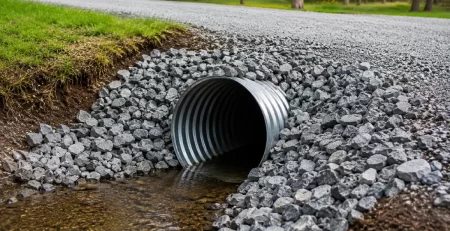
Drainage should be assessed before the new road surface is installed. Standing water can create driving hazards and contribute to deterioration when it enters cracks, joints, or weak pavement layers.
The quotation should describe how water will move away from the completed surface, including any required falls, drainage channels, connections, or adjustments to existing outlets.
Road Levels And Falls
A properly designed road needs surface levels that direct runoff toward an appropriate drainage system. Low spots can trap water even when the asphalt itself has been installed correctly.
Total Surfacing Solutions considers road levels and drainage during groundwork preparation. Where an existing road already has puddles, the quotation should explain whether the proposed work includes correcting them.
Drainage Channels And Outlets
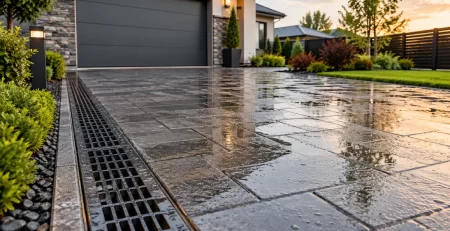
Some sites require additional drainage channels or modifications to existing systems. These works can involve excavation, pipe connections, channel installation, and adjustments around kerbs or inspection covers.
Property owners should establish whether drainage alterations are included or require a separate quotation.
SuDS And Permeable Surfacing
Sustainable drainage requirements may influence the surface choice for car parks, private access areas, and developments. Permeable materials can be useful where the complete system is designed to manage runoff, but not every permeable surface is suitable for a heavily trafficked road.
The lower-runoff surfacing material considerations explain why water management should be considered alongside traffic and structural requirements.
Compare Repair, Overlay And Reconstruction Quotes
One of the most important decisions is whether the existing road needs localised repair, resurfacing, or complete reconstruction. Each option has a different scope, cost structure, and expected outcome.
A quotation should explain why the proposed method is appropriate for the observed condition.
| Surfacing approach | Suitable circumstances | Important limitation |
| Local pothole repair | Isolated damage with sound surrounding construction | Does not correct widespread base failure |
| Localised patching | Defined areas of surface deterioration | Requires sound adjoining material |
| Asphalt overlay | Existing pavement remains structurally suitable | May preserve underlying defects if poorly assessed |
| Plane and resurface | Worn upper layer with suitable lower construction | May not resolve deeper structural weakness |
| Full reconstruction | Extensive failure or unsuitable foundation | Higher initial scope and disruption |
The road deterioration and underlying failure patterns show why early surface defects can develop into larger maintenance problems.
The tarmac overlay suitability assessment is also relevant where an existing surface may be suitable for resurfacing without full replacement.
Total Surfacing Solutions can assess whether a damaged access road or parking area requires a targeted repair or more extensive tarmac construction. Property owners should ask that the quotation distinguishes these approaches clearly.
Pothole Repairs And Existing Surface Damage
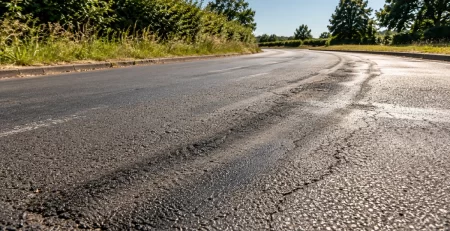
Potholes should be inspected before a resurfacing quotation is finalised because their depth and surrounding condition can indicate different levels of structural damage.
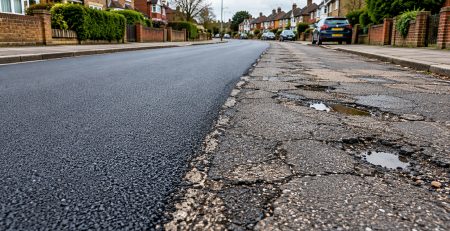
A shallow isolated defect may be suitable for a local repair. Repeated potholes in the same area may indicate water entering the pavement, inadequate support, or deterioration extending beneath the visible surface.
The quotation should identify which potholes will be repaired, how damaged material will be removed, and whether the repair includes rebuilding supporting layers where necessary.
The pothole repair scope and expenditure factors explain why the severity, location, and repair method influence the work required.
Total Surfacing Solutions provides pothole repairs for private roads, car parks, commercial premises, and other surfaced areas. Where repeated damage suggests broader failure, combining repairs with resurfacing may be more appropriate than continuing to patch isolated defects.
Include Road And Car Park Line Marking
Road and car park line marking should be considered during the quotation stage rather than added after surfacing is complete.
Commercial properties may require parking bays, directional arrows, pedestrian routes, loading areas, or clearly defined traffic movement. Private roads and shared developments may also need appropriate road markings depending on their layout and use.
Total Surfacing Solutions provides road and car park line marking in Hertfordshire alongside its wider surfacing services.
Property owners should check whether the quotation covers removal of existing markings, layout measurement, new marking materials, and the necessary access restrictions during application.
For commercial premises, the marking layout should be coordinated with surface levels, drainage, parking arrangements, and pedestrian access before resurfacing begins. This reduces the risk of changes being required after the finished road or car park has been handed over.
Include Edging And Block Paving Transitions
Road and driveway edges can be vulnerable to vehicle movement, water penetration, and inadequate support. Poorly constructed boundaries may contribute to premature cracking or breakdown even when the main asphalt surface is sound.
A quotation should therefore clarify whether kerbs, edge restraints, and transitions to adjoining surfaces are included.
Total Surfacing Solutions also provides block paving services for appropriate residential and commercial areas. Block paving may be useful for entrance details, pedestrian sections, or decorative transitions, but it should be specified according to the expected loading and drainage requirements.
Property owners researching block paving experts in Watford may need to consider how paving will connect with an asphalt driveway or private access road.
The quotation should explain who is responsible for these transitions, how levels will match, and whether the work includes removal or reinstatement of existing edging.
Resin-Bound Surfacing For Selected Road Areas
Resin-bound surfacing may be suitable for selected parts of a wider property development, including pedestrian approaches, decorative entrances, pathways, and appropriately specified parking or access areas.
It should not automatically be substituted for asphalt on heavily trafficked roads. The decision must account for vehicle loads, turning forces, drainage, and the resin system’s intended use.
Total Surfacing Solutions provides resin-bound surfacing for entrances and access areas alongside its tarmac and road surfacing work.
The quotation should specify whether resin-bound areas form part of the main contract, how the base will be prepared, and how those surfaces will connect with surrounding asphalt or paving.
For projects involving multiple materials, a coordinated specification helps avoid mismatched levels, weak edges, and unclear responsibility between separate contractors.
Review The Road Surfacing Price Breakdown
A road surfacing quotation should make it possible to distinguish the main cost components rather than presenting a single figure with limited explanation. Material quantities, excavation, groundwork, machinery, labour, drainage, traffic management, and disposal can all influence the final price.
The overall cost also depends on access. A large open car park may accommodate machine paving efficiently, while a narrow private road with several inspection covers may need more hand finishing and detailed preparation.
The machine-laid asphalt budgeting components provide further context about the costs associated with equipment, surfacing quantities, and project conditions.
Property owners should check whether the quotation identifies VAT treatment, payment stages, provisional sums, and circumstances that may lead to additional charges. An allowance for unforeseen ground conditions can be legitimate, but the process for approving additional work should be established in advance.
Total Surfacing Solutions can prepare project-specific surfacing quotations based on the work required. Comparing contractors against the same measured scope and construction specification is more reliable than assuming the lowest figure represents the same finished road.
Check Installation Time And Site Access
Surfacing work can temporarily restrict entry to homes, business premises, delivery routes, and parking areas. The quotation should therefore explain how the contractor intends to organise the work and maintain access where necessary.
Preparation, excavation, drainage, laying, compaction, and final finishing may need to occur in separate stages. The programme should account for the availability of materials, machinery, suitable weather, and any restrictions affecting the site.
Residential Access Roads
For shared residential roads, property owners may need to coordinate access with neighbours, delivery companies, and other users. The quotation should identify whether temporary closures are necessary and how residents will be informed.
Commercial Car Parks
Commercial surfacing may require phased work to keep part of the car park operational. Schools, retail premises, industrial yards, and business parks can have additional access constraints related to opening hours or delivery schedules.
The business park road maintenance planning considerations explain why access arrangements and planned works matter for operational sites.
Total Surfacing Solutions offers flexible commercial surfacing arrangements, including out-of-hours scheduling where appropriate. Property owners considering fast road surfacing installation in Hertfordshire should request a realistic programme that includes preparation and safe reopening, not simply the asphalt laying period.
Ask About Low-Maintenance Road Surfacing
Long-term maintenance should be considered when comparing road surfacing quotations. A lower initial price may not represent better value if the proposed construction is unsuitable for the traffic or drainage conditions.
A properly specified road requires an appropriate foundation, suitable asphalt materials, adequate compaction, stable edges, and controlled water movement. These factors influence how often repairs may be needed in the future.
Total Surfacing Solutions provides surfacing for residential and commercial properties where durability and manageable maintenance are important considerations. The company can discuss material selection and construction requirements according to the intended vehicle use.
The road surface maintenance and replacement cost relationships explain how construction quality can influence future repair requirements.
Owners comparing low-maintenance surfacing solutions in Hertfordshire should consider the full road structure and expected use rather than relying on claims about the finished material alone.
Road Surfacing Quotes For Private Estates
Private estate roads require more detailed planning than a simple domestic driveway because they may serve multiple properties and accommodate delivery vehicles, refuse collection, emergency access, and shared parking.
Before requesting quotations, the property owner or management company should establish whether the road is privately maintained or intended for adoption by a highway authority. This distinction may affect the applicable construction specification, drainage arrangements, inspection requirements, and future responsibilities.
The private development road ownership and construction framework explains why ownership, traffic demands, and future maintenance need to be established early.
Total Surfacing Solutions provides road and access surfacing for residential developments and shared property areas. The quotation should clarify whether the contractor’s work includes the complete road construction or only the final surface over a base prepared by another party.
Where several contractors are involved, responsibility for inspecting and accepting the underlying construction should be agreed before the surfacing begins.
Road Surfacing Quotes For Industrial Yards
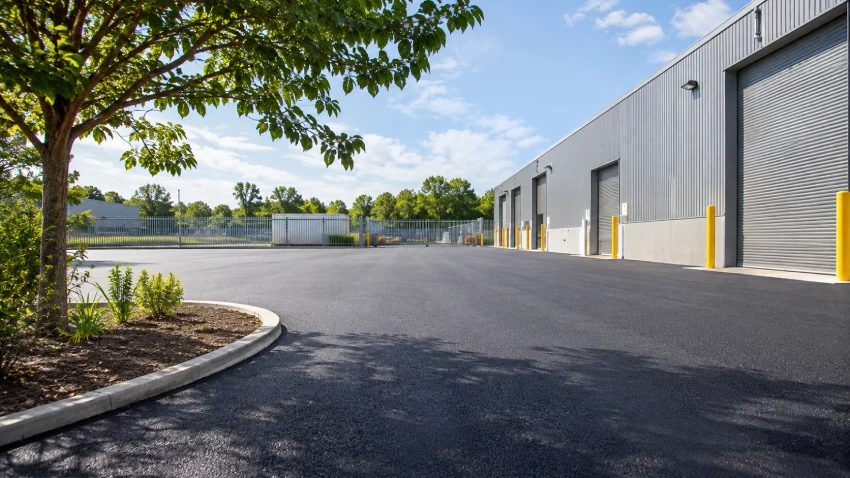
Industrial yards and commercial access routes often experience heavier loading than residential roads. Repeated movements by vans, delivery lorries, forklift traffic, or heavy vehicles can place particular stress on the surface and its supporting layers.
The quotation should identify the expected vehicle types, loading areas, turning zones, and locations where vehicles regularly brake or remain stationary. These details help determine whether the proposed construction is suitable.
The industrial yard traffic loading and pavement design factors provide further context for specifying surfaces intended for industrial use.
Total Surfacing Solutions’ commercial tarmac and machine-laid surfacing work is relevant to industrial yards, forecourts, warehouse approaches, and other operational areas.
For these projects, property owners should ask whether the contractor has allowed for stronger construction in high-stress areas, adjustments around drainage channels, and appropriate access arrangements during installation.
What Should Be Excluded From A Road Surfacing Quote?
Exclusions are as important as the work included. An otherwise detailed quotation can still lead to disagreements if it does not explain which activities are outside the agreed price.
Typical items requiring clarification include utility diversions, unexpected contaminated ground, changes to drainage connections, repairs to hidden structural defects, additional excavation, and work outside the measured boundary.
Property owners should also confirm who is responsible for obtaining any necessary permissions, arranging access, notifying affected users, and coordinating with utility owners.
If the contractor discovers unsuitable ground during excavation, there should be an agreed process for documenting the problem, proposing additional work, and obtaining approval before costs change.
A clear quotation does not need to predict every hidden condition. It should, however, make the treatment of unforeseen work understandable before the contract is accepted.
Road Surfacing Quote Checklist For Property Owners Area Coverage
Local road surfacing quotations should reflect the actual property use, ground condition, drainage, and access requirements. Total Surfacing Solutions serves Hertfordshire, Essex, and surrounding counties, including Bedfordshire, Oxford, and Cambridgeshire. The following area-specific services are relevant to machine-laid tarmac and road repairs rather than decorative driveway finishes alone.
Machine-Laid Road Surfacing Quotes In Hertfordshire
Property owners seeking machine-laid tarmac in Hertfordshire should request a quotation that specifies the asphalt layers, proposed base preparation, compaction, drainage, and machinery access. Total Surfacing Solutions provides machine-laid surfacing across Hertfordshire for commercial areas, access roads, forecourts, and residential projects. Whether the site is in Hertford, Watford, St Albans, or Stevenage, the construction specification should reflect the traffic expected on the completed surface.
Road And Car Park Pothole Repair Quotes In Hertfordshire
For pothole repairs in Hertfordshire, property owners should establish whether the quotation covers isolated surface defects or damage extending into the supporting layers. Total Surfacing Solutions provides repair work for private roads, commercial sites, and car parks. A suitable quotation should explain surface preparation, material selection, reinstatement depth where relevant, and how the repaired area will integrate with the surrounding road.
Machine-Laid Tarmac Surfacing Quotes In Essex
Essex property owners considering machine-laid tarmac for access roads, business premises, or larger parking areas should compare quotations based on the pavement construction and installation method. Total Surfacing Solutions provides machine-laid tarmac in Essex, including commercial and residential applications. Projects in Chelmsford, Colchester, Harlow, and surrounding areas should be assessed individually for vehicle loading, drainage, levels, and equipment access before the final price is established.
Choose Total Surfacing Solutions For Road Surfacing
The purpose of a road surfacing quotation is to define the work needed to produce a suitable finished surface. A clear specification should explain the preparation, supporting layers, asphalt materials, drainage, installation method, and arrangements for inspecting the completed project.
Total Surfacing Solutions provides road surfacing, tarmacadam installation, machine-laid asphalt, pothole repairs, and car park line marking for residential and commercial clients. Its services cover the stages that property owners need to understand when comparing construction proposals, from initial site assessment through to finishing and access arrangements.
For property owners considering commercial road and tarmac surfacing in Hertfordshire, discussing the site condition, traffic loading, and proposed construction before accepting a quotation can help establish a more accurate project scope. The most useful quote is one that clearly explains the work being purchased and how the completed surface is intended to perform.
FAQs About Road Surfacing Quotes
What should a road surfacing quote include?
A road surfacing quote should identify the area to be worked on, existing surface condition, excavation requirements, sub-base preparation, asphalt materials, layer thicknesses, drainage, edging, labour, machinery, and waste removal. It should also explain the expected programme, access restrictions, exclusions, and how additional work will be authorised.
For commercial roads and car parks, the quotation may also need to include line marking, traffic management, and arrangements for maintaining pedestrian access. Total Surfacing Solutions can assess the site and determine which elements are relevant to the proposed project.
How can I compare two road surfacing quotations?
The most reliable approach is to compare both quotations against the same scope and construction specification. Check whether they include the same measured area, excavation, sub-base material, asphalt layers, drainage, equipment, and disposal requirements. A lower price may reflect fewer layers, less groundwork, or exclusions that are not immediately obvious.
Ask each contractor to explain differences in construction depth and material selection. Total Surfacing Solutions can discuss the requirements of an individual road or commercial surface so the comparison focuses on what is actually being installed.
Why do road surfacing quotes vary so much?
Road surfacing quotations can vary because contractors may be proposing different methods or allowing for different site conditions. Excavation depth, ground stability, asphalt specification, access restrictions, drainage requirements, and traffic loading can all influence the amount of work involved.
A quotation for resurfacing an existing sound base is not directly comparable with a quotation for complete reconstruction. Property owners should request written specifications and clarify any provisional sums before deciding which proposal represents suitable value.
Should a road surfacing quote include a site survey?
A site assessment is important because the existing road may contain defects that are not obvious from photographs or measurements alone. Cracking, settlement, potholes, drainage problems, and weak edges can influence the required construction method.
The level of investigation should be proportionate to the project. A small local repair may need a simpler assessment than a heavily trafficked industrial road. Total Surfacing Solutions can assess existing surface conditions before recommending an appropriate surfacing approach.
Is machine-laid tarmac better than hand-laid tarmac?
Machine-laid tarmac is often suitable for larger, accessible areas where paving machinery can provide consistent material placement. Hand laying remains important for restricted locations, detailed edges, and areas that machinery cannot reach. Both methods can form part of the same project.
The decision should depend on the site rather than a general assumption that one method is always superior. A road surfacing quote should explain which approach will be used and whether hand finishing is included around covers, kerbs, and transitions.
Should drainage be included in a road surfacing quotation?
Drainage should be assessed as part of the surfacing design, but the exact work included must be confirmed in writing. Some projects may only require appropriate surface falls, while others need channels, outlet improvements, or more extensive drainage construction.
A new asphalt layer will not necessarily correct existing water problems if the underlying levels or drainage system are unsuitable. Total Surfacing Solutions considers drainage during site preparation and can identify where additional work may be necessary.
Can I resurface a private road without rebuilding the base?
An existing private road may be suitable for an asphalt overlay or resurfacing if the underlying construction remains structurally sound. However, widespread cracking, rutting, settlement, or recurring potholes can indicate that deeper repairs are needed.
The suitability of resurfacing should be determined through assessment rather than assumed from the visible condition alone. Total Surfacing Solutions can consider whether the existing pavement can be retained or requires a more extensive reconstruction approach.
Do commercial road surfacing quotes include line marking?
Not automatically. Line marking may be included in the main quotation or treated as a separate item, depending on the project scope. Parking bays, arrows, pedestrian routes, loading zones, and other markings should therefore be identified before resurfacing begins.
Total Surfacing Solutions provides line marking as part of its wider commercial surfacing services. Agreeing the required layout during the quotation stage helps avoid additional work or disruption after the finished asphalt has been installed.
How long does a road surfacing project take?
The programme depends on the size of the area, existing road condition, amount of excavation, drainage work, installation method, weather, and access restrictions. A small repair may be completed relatively quickly, while a large commercial or estate road project can involve several construction stages.
The quotation should provide a realistic sequence of work and explain when areas are expected to reopen. Total Surfacing Solutions can consider phased working or appropriate scheduling arrangements where a site must remain operational during surfacing.
Is the cheapest road surfacing quote the right choice?
The cheapest quotation is not necessarily the most suitable because it may exclude important work or propose a construction specification that does not meet the site’s traffic and ground requirements. An inexpensive surface that fails prematurely can lead to additional repairs and disruption.
Property owners should assess the complete scope, construction method, material suitability, drainage, and contractor responsibilities. A detailed quotation provides a better basis for judging value than price alone.
Can block paving be included in a road surfacing quote?
Yes. Block paving can be included for suitable entrances, pedestrian areas, parking courts, and transitions between asphalt and adjoining surfaces. The quotation should specify paving materials, base preparation, edge restraints, and how the new paving connects to the road. Heavy-use areas require a construction suitable for their expected vehicle loading.
Total Surfacing Solutions provides block paving for residential and commercial entrances, which can be considered alongside its wider surfacing work. Property owners researching block paving experts in Watford should confirm that paving is specified for the actual traffic and drainage requirements.
Can road surfacing be completed with minimal disruption?
Disruption can often be reduced through advance planning, suitable machinery, phased work, and access coordination. However, the time required depends on excavation, drainage, asphalt installation, weather, and the number of areas that must remain accessible.
Total Surfacing Solutions’ planned surfacing installation options are relevant when arranging work around residential access or commercial operating hours. The quotation should state the proposed programme, temporary restrictions, and reopening arrangements without making unrealistic completion promises.
How do I choose a road surface that needs less maintenance?
The best approach is to select a construction suitable for the expected traffic and ground conditions. A strong foundation, appropriate asphalt specification, reliable drainage, and well-supported edges can reduce avoidable deterioration. Routine inspection and early repairs remain necessary even when the initial construction is sound.
Total Surfacing Solutions offers surfacing options designed for manageable upkeep. Property owners considering low-maintenance road surfacing should compare long-term maintenance responsibilities alongside the initial installation quotation.