Does Cold Lay Tarmac Actually Work On Driveways?
Does Cold Lay Tarmac Actually Work On Driveways? Yes, cold-lay tarmac can work for small potholes, damaged edges, and localised driveway repairs when the existing surface is stable and the material is properly compacted. Ready-to-use cold-lay products are convenient because they generally require no specialist heating equipment. However, ordinary bagged cold-lay tarmac is often intended for temporary repairs rather than resurfacing an entire driveway. Poor groundwork, repeated vehicle movement, and water entering beneath the patch can cause premature failure, making the right repair method essential.
Total Surfacing Solutions provides residential and commercial tarmac installation, road surfacing, machine-laid asphalt, and pothole repairs across Hertford, Hertfordshire, Bedfordshire, Oxford, Cambridgeshire, and Essex. The company assesses damaged surfaces, supporting layers, drainage, and vehicle use before recommending suitable repair or resurfacing work. From small driveway defects to private roads and commercial parking areas, Total Surfacing Solutions helps property owners identify when temporary patching is sufficient and when professionally installed surfacing offers a more appropriate long-term solution.
Quick Check: If your driveway has repeated potholes, loose cold-lay patches, or widespread cracking, Total Surfacing Solutions can assess whether repairs or complete resurfacing are more appropriate through its driveway and road surface assessment services. Identifying the cause of the damage first helps avoid paying repeatedly for repairs that do not resolve the underlying problem.
Does Cold Lay Tarmac Actually Work On Driveways?
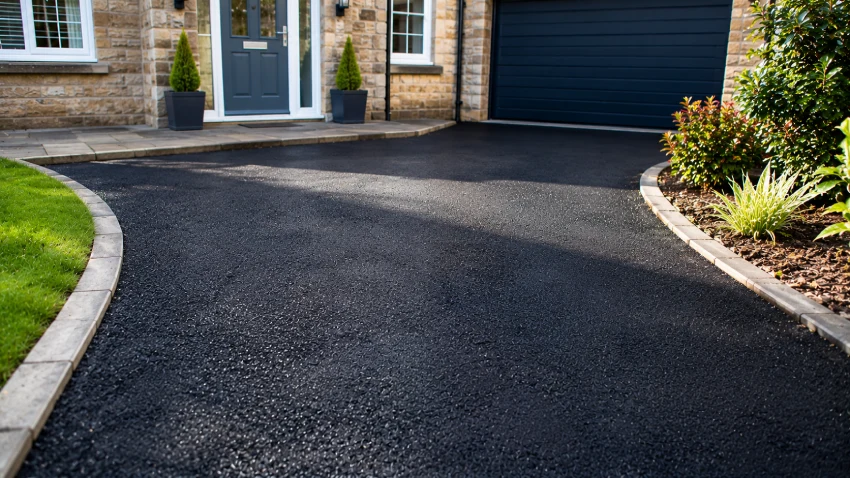
Cold-lay tarmac is a practical repair material for certain driveway defects, particularly where the damaged area is small and the surrounding surface remains structurally sound. It can be placed directly from a bag, shaped using ordinary tools, and compacted to create a more even surface. This makes it useful for isolated potholes and short-term repairs where a full resurfacing project would be disproportionate.
The limitation is that cold-lay products are not all designed for the same purpose. For example, Tarmac’s standard Cold Lay Macadam is described as a temporary repair material for driveways and paths, whereas its specialist permanent pothole repair products are manufactured for different performance requirements. The product specification, not simply the label “cold lay”, determines the intended application.
| Driveway condition | Cold-lay tarmac suitability | When professional surfacing may be better |
| Small isolated pothole | Often suitable for a local repair | If surrounding material is unstable |
| Minor surface deterioration | May provide temporary improvement | If defects cover a larger area |
| Damaged driveway edge | Possible with adequate support | If proper edge restraint is missing |
| Emergency access hazard | Can provide a temporary repair | Where a permanent reinstatement is needed |
| Repeated potholes | Unlikely to resolve the underlying cause | When drainage or base failure is present |
| Widespread cracking | Not suitable as a complete repair | Resurfacing or reconstruction may be required |
| Heavy vehicle turning area | Depends on the specialist product | Properly specified asphalt may be preferable |
| Entire worn driveway | Ordinary bagged products are generally unsuitable | Professionally installed tarmac surfacing |
The cold-applied and hot-mix asphalt repair characteristics explain why the two methods serve different purposes.
Total Surfacing Solutions considers the extent of the damage and the condition of the existing foundation before recommending a repair. A temporary patch can improve an isolated defect, but it should not be treated as a substitute for reconstructing a driveway that has lost structural support.
What Is Cold-Lay Tarmac And How Does It Work?
Cold-lay tarmac is a prepared asphalt repair mixture that can be installed without the heating process associated with conventional hot-mix asphalt. It is commonly supplied in bags and used to fill potholes, restore damaged driveway sections, or provide temporary surface reinstatement.
The material contains aggregate and a bituminous binder, but different manufacturers use different formulations. Some products gain stability as they are compacted and harden over time, while others use specialist binder technology intended for more demanding repairs.
Unlike professionally laid asphalt across a complete driveway, ordinary cold-lay repair materials are usually placed into individual defects rather than spread across a large area using paving machinery.
Why Cold-Lay Tarmac Is Convenient
For homeowners dealing with a small pothole, cold-lay tarmac offers a straightforward way to address a local problem without arranging a complete resurfacing project. It can be stored and applied in manageable quantities, subject to the manufacturer’s storage and application instructions.
The available pothole reinstatement methods in the UK explain where different repair materials and installation approaches are commonly used.
Convenience is the main advantage, but the long-term outcome still depends on preparation, compaction, drainage, and vehicle loading.
How Cold-Lay Repairs Become Firm
Cold-lay tarmac does not always harden through the same process as conventional hot-laid asphalt. Some formulations become firmer over time as volatile components dissipate, while specialist products use other binder systems that develop strength under prescribed conditions.
Because the curing behaviour differs, homeowners should follow the exact product instructions before reopening the repaired area to vehicles. A patch that looks level and compacted may still be vulnerable to turning tyres or concentrated loading.
Cold-Lay Tarmac Versus Hot-Laid Tarmac
The choice between cold-lay and hot-laid tarmac depends on whether the project involves a small localised repair or a surface that needs to withstand regular traffic over a larger area.
Conventional hot-mix asphalt is prepared and installed at elevated temperatures, then compacted while it remains workable. This method is widely used for new driveways, private roads, commercial car parks, and permanent resurfacing projects.
Cold-lay material is applied without on-site heating, making it useful for smaller repairs or situations where organising a hot-mix installation would be impractical.
| Comparison | Ordinary cold-lay tarmac | Professionally hot-laid tarmac |
| Main application | Small potholes and local patches | New driveways, repairs and resurfacing |
| Installation temperature | Applied without specialist heating | Laid hot and compacted |
| Equipment | Hand tools and suitable compactors | Specialist equipment as required |
| Typical project area | Limited damaged sections | Small repairs through to large paved areas |
| Performance | Depends on product and base condition | Specified for intended traffic and construction |
| Surface consistency | Can vary between individual patches | Suitable for a continuous finished surface |
| Long-term role | Often temporary for standard bagged products | Suitable for permanent construction when correctly designed |
Total Surfacing Solutions provides professional tarmac and road surfacing in Hertfordshire for driveways, access routes, private roads, and commercial areas.
Property owners researching road surfacing contractors in Hertfordshire should compare the proposed groundwork, material specification, drainage, and expected traffic rather than assuming that an inexpensive repair product is appropriate for every situation.
When Should You Use Cold-Lay Tarmac?
Cold-lay tarmac makes sense when the damage is limited, the surrounding asphalt remains stable, and the repair product is suitable for the location. The objective should be to restore a small damaged area without creating an uneven or poorly supported patch.
A shallow pothole in a lightly used domestic driveway may be a reasonable application. However, the same material may be less suitable for a section exposed to frequent heavy vehicles or repeated stationary steering.
Small Driveway Potholes
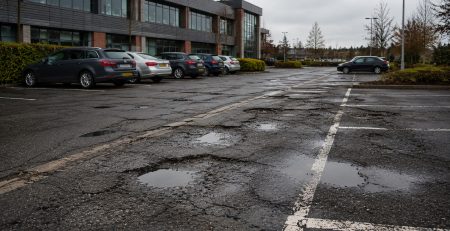
For an isolated pothole, cold-lay tarmac can restore a safer, more even surface if the base is firm and the repair is prepared correctly. Loose material must be removed, the repair depth must follow the manufacturer’s limits, and the asphalt must be properly compacted.
The small driveway pothole filling procedure explains how preparation and placement influence the outcome.
If the pothole returns shortly after repair, the problem may extend beneath the visible surface and require a different approach.
Temporary Repairs Before Resurfacing
Cold-lay tarmac can also be useful when the driveway is scheduled for future resurfacing but an immediate defect needs attention. In this situation, the patch is not expected to replace the planned work.
Total Surfacing Solutions can assess the wider driveway and determine whether a more substantial repair should be included in the eventual tarmac installation.
Emergency Surface Damage
Where an unexpected pothole creates an immediate access problem, a suitable cold-applied product may help reduce the hazard until permanent work can be arranged.
The urgent pothole intervention workflow provides further information about handling surface damage that needs prompt attention.
A temporary repair should still be selected and installed according to the product’s intended purpose. Quick access to materials does not remove the need for proper preparation.
How To Apply Cold-Lay Tarmac Properly
A successful cold-lay repair depends on much more than placing asphalt into a damaged area. The existing surface must be assessed, loose material removed, supporting layers checked, and the repair compacted according to the manufacturer’s requirements.
Inspect And Prepare The Pothole
Before starting, assess the depth of the damage and the condition of the surrounding asphalt. Crumbling edges, cracks extending beyond the pothole, or visible settlement may indicate that the defect is larger than it appears.
The repair area should be cleared of loose stones, mud, vegetation, and other contamination. Many standard cold-lay products require the area to be dry and firm enough to support traffic, although specialist products may have different requirements.
Check The Supporting Base
A firm base is essential because the repair must resist the weight and movement of vehicles. If the supporting material has washed away or become unstable, simply filling the hole with asphalt may lead to further settlement.
Where the sub-base is damaged, the supporting layers may need reconstruction before the surface is repaired. Total Surfacing Solutions considers these structural conditions when assessing recurring potholes and deteriorated driveways.
Place The Repair In Suitable Layers
Cold-lay material should be installed at the depth and in the number of layers specified by the manufacturer. For example, Heidelberg Materials’ domestic Drive Repair Asphalt guidance recommends placing deeper repairs in stages, compacting each layer before adding the next.
This is important because thick, uncompacted material may remain unstable beneath the finished surface. The repair should also finish at the correct level so it does not create a depression where rainwater collects.
Compact The Material Thoroughly
Suitable compaction is necessary to stabilise the asphalt and integrate the new material with the surrounding surface. Depending on the product and repair size, this may involve a hand tamper, plate compactor, or roller.
The repaired section should be inspected before reopening it to vehicles. Its edges, level, and stability matter as much as its immediate appearance.
For more extensive damage, Total Surfacing Solutions can assess whether professional asphalt reinstatement would be more appropriate than a domestic cold-lay patch.
How Long Does Cold-Lay Tarmac Last?
There is no universal lifespan for cold-lay tarmac because products vary considerably. Some are explicitly manufactured for temporary repairs, while specialist cold-applied materials are designed for longer-term reinstatement.
The condition of the base has a major influence on durability. A well-compacted patch installed in a sound driveway may perform better than the same material placed over loose aggregate, wet ground, or an unstable foundation.
Vehicle movement also matters. Repeated braking, turning, and heavy loading can place greater stress on a localised repair than occasional straight-line passenger-car traffic.
The factors controlling pothole patch service life explain why the surrounding construction and traffic conditions influence repair performance.
Total Surfacing Solutions can assess recurring defects and recommend whether another local repair, a larger reinstatement, or a resurfacing project is the more appropriate next step.
Why Cold-Lay Tarmac Repairs Fail
When cold-lay patches fail repeatedly, the problem is not necessarily the repair product alone. Poor preparation, weak supporting layers, inadequate compaction, and uncontrolled water movement can all contribute.
Loose Or Crumbling Edges
A patch depends on stable surrounding material. If the existing asphalt continues to break away, the repair may lose support and develop gaps along its edges.
Removing unsuitable material and establishing sound boundaries helps provide a more secure repair. Where damage is widespread, however, a larger section may need replacement.
Inadequate Compaction
Loosely compacted cold-lay material can move or settle beneath vehicle tyres. This may create an uneven finish, loose stones, or a depression that collects rainwater.
The compaction method and layer thickness should follow the selected product’s guidance. Simply pressing the top surface flat does not guarantee that a deep repair is properly consolidated.
Poor Drainage
Water entering a pothole or its surrounding cracks can affect the supporting construction. During colder weather, retained water may contribute to further deterioration as conditions change.
If the driveway repeatedly holds water, Total Surfacing Solutions can assess surface levels and drainage before recommending more substantial repairs.
Repeated Traffic Stress
Vehicle turning, braking, and concentrated wheel loads can place considerable stress on small patches. Ordinary cold-lay macadam may not be intended for these conditions.
In areas with frequent commercial traffic, a properly specified asphalt reinstatement may offer a more suitable approach than repeated use of general-purpose repair bags.
Does Cold-Lay Tarmac Work In Winter?
Cold-lay tarmac can be useful during colder months because many products can be applied without hot-mix paving equipment. However, the fact that a material is described as cold lay does not automatically mean it can be installed in freezing temperatures, heavy rain, or standing water.
Manufacturers set different conditions for application. Some require a dry, stable repair area, while specialist cold-applied products may permit a broader range of circumstances.
The winter asphalt patch preparation requirements explain why temperature, moisture, and surface preparation matter.
Total Surfacing Solutions can consider the urgency of the damage, prevailing weather, and intended traffic before determining whether temporary pothole repair or a planned asphalt installation is appropriate.
When Is Professional Driveway Resurfacing Better?
Cold-lay tarmac becomes less suitable when damage extends across a significant part of the driveway. Multiple potholes, widespread cracking, persistent settlement, or loose surface material can indicate that isolated patches will not provide a satisfactory long-term result.
Professional resurfacing allows the contractor to assess the existing construction and determine whether a new asphalt layer can be installed over the sound base or whether reconstruction is needed.
Widespread Surface Damage
Where much of the driveway is cracking or wearing away, applying separate patches can create an uneven collection of repairs. The underlying material may continue to deteriorate between the patched sections.
The tarmac overlay eligibility indicators explain when resurfacing over an existing surface may be appropriate.
Total Surfacing Solutions can assess whether the driveway needs a new wearing course or deeper structural work.
Repeated Potholes
Repeated potholes often require investigation rather than another bag of repair material. Ground settlement, water ingress, weak asphalt layers, and inadequate drainage may all contribute.
A properly planned repair may involve cutting out damaged material, rebuilding supporting layers, and reinstating the asphalt to the required specification.
Complete Driveway Reconstruction
Where the supporting construction is no longer suitable, the driveway may need excavation and rebuilding before the new surface is laid.
The new tarmac driveway construction stages explain the role of groundwork, edging, base layers, and compaction.
Total Surfacing Solutions provides residential and commercial tarmac surfacing for properties where a structurally suitable finished surface is required.
Why The Driveway Sub-Base Matters
The sub-base supports the asphalt surface and helps distribute vehicle loads to the ground beneath. If this foundation is weak or poorly compacted, repairs at the surface may continue to fail regardless of the material used.
An isolated shallow defect may need only a limited repair, while deeper potholes can indicate that damaged supporting material should be removed and reconstructed.
The vehicle loading and asphalt layer depth requirements explain why driveway thickness and foundation design should match the expected use.
Total Surfacing Solutions assesses ground stability, drainage, surface levels, and traffic requirements when considering professional tarmac repairs.
For driveways that accommodate delivery vans or other heavier vehicles, these checks are especially important because the construction must withstand more demanding loading than occasional domestic car use.
Cold-Lay Repairs Versus Machine-Laid Asphalt
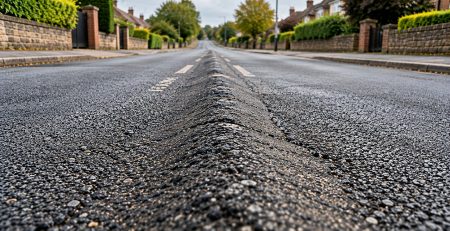
Machine-laid asphalt is relevant when larger areas need resurfacing or new construction. Paving equipment can place material across a continuous area, while rollers compact it to achieve the intended finish and density.
Hand laying remains appropriate for smaller sections, restricted entrances, edges, and locations that machinery cannot access. The correct method depends on the project dimensions and site conditions.
The asphalt paver and hand-laying suitability criteria help explain when each approach is appropriate.
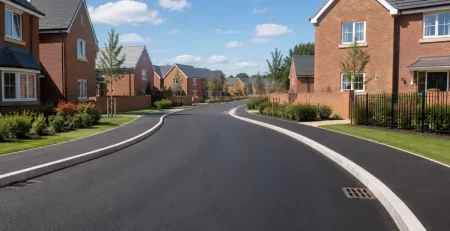
Total Surfacing Solutions provides machine-laid tarmac for suitable residential and commercial projects. Where an entire driveway has become worn or unstable, a properly planned surfacing project may provide a more consistent result than numerous cold-lay patches.
Cold-Lay Tarmac On Commercial Roads And Car Parks
Cold-lay materials can be relevant to commercial sites when a pothole needs immediate attention, particularly where a temporary repair can reduce an access hazard until permanent work is arranged.
However, busy roads, industrial yards, and commercial car parks experience different stresses from small domestic driveways. Repeated vehicle turning, heavy deliveries, braking, and concentrated loads may require more substantial repairs.
Total Surfacing Solutions provides road surfacing and asphalt repairs for these environments, including private access roads, commercial parking areas, forecourts, and industrial sites.
The appropriate treatment should reflect both the immediate defect and the planned future use of the surface. A temporary cold patch may be suitable for short-term hazard management, but it should not be confused with a complete road construction specification.
Line Marking After Commercial Asphalt Repairs
Line marking becomes relevant when pothole repairs or resurfacing affect marked parking bays, access routes, loading areas, or pedestrian zones. Repairing the asphalt may remove or disrupt existing markings, especially where a larger section of a car park or private road is reinstated.
Property managers should therefore identify which markings need to be restored as part of the overall surfacing project. The new surface must be suitable for the selected marking materials, and the application should follow the appropriate preparation and curing requirements.
Total Surfacing Solutions provides commercial road and car park line marking alongside asphalt surfacing work.
For businesses seeking commercial road line marking services in Hertfordshire, coordinating repairs and markings can help avoid separate site closures and ensure the final traffic layout is reinstated correctly.
This service is generally relevant to marked commercial surfaces rather than ordinary domestic cold-lay pothole repairs.
Could Resin-Bound Surfacing Replace An Old Tarmac Driveway?
Where an existing driveway is deteriorating across a large area, the property owner may wish to compare alternative surface materials rather than continue repairing the old tarmac.
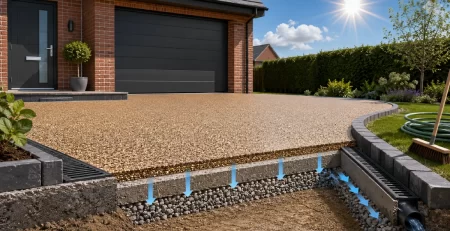
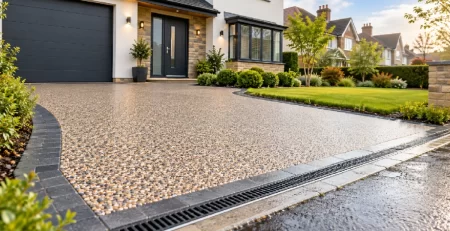
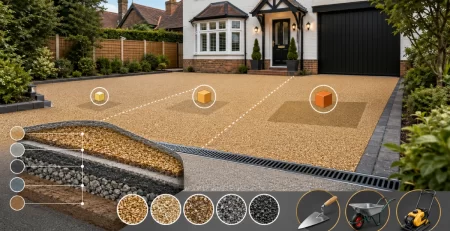
Resin-bound surfacing can provide a continuous decorative aggregate finish for suitable residential and commercial entrances. Depending on the system and supporting construction, it can also allow water to pass through the surface.
However, resin-bound materials do not automatically correct an unstable sub-base. The existing foundation must be assessed, and any necessary preparation should be completed before installation.
Total Surfacing Solutions offers resin-bound driveway and entrance surfacing as an alternative for appropriate properties.
For clients researching commercial resin-bound surfacing, the intended pedestrian and vehicle loading, drainage, and underlying construction should determine whether resin-bound materials are suitable.
A resin-bound finish may be appropriate for selected entrances, paths, or parking areas, but it should not automatically replace road-grade asphalt in heavily trafficked locations.
What Does Cold-Lay Tarmac Repair Cost?
Cold-lay tarmac may offer a relatively low initial cost for a small repair because the material is available in manageable quantities and usually does not require a full hot-mix surfacing operation.
However, the real cost depends on the pothole size, repair depth, preparation, compaction equipment, and whether the supporting layers are damaged.
The small-area driveway repair cost components help explain why a simple patch may cost less initially than a more extensive reinstatement.
For homeowners comparing repairs with complete resurfacing, the tarmac driveway replacement budgeting factors provide a different perspective on the work involved.
A temporary patch may be economical when the driveway is otherwise sound. However, repeated cold-lay repairs can become less attractive when the same defects return or the surrounding surface continues to deteriorate.
Total Surfacing Solutions can assess the condition of the driveway so that the choice between repair and replacement reflects the work actually required.
Planning Professional Surfacing Without Repeated Patching
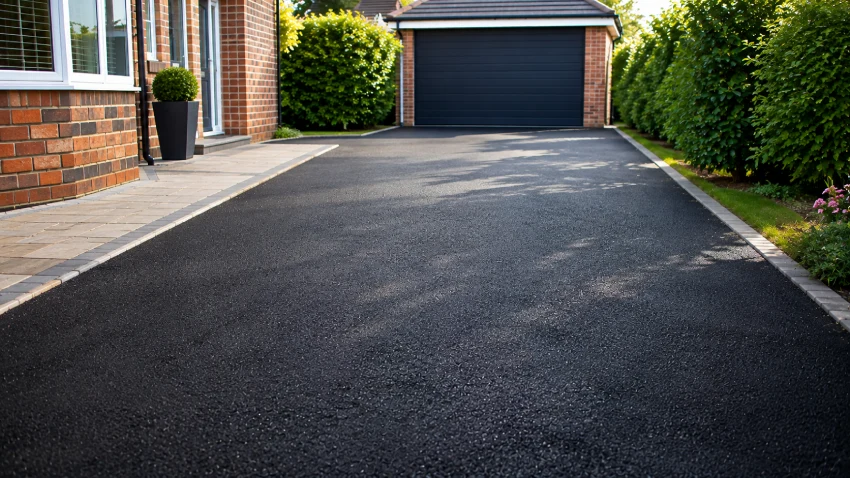
When an older driveway needs significant repairs, project scheduling becomes an important part of choosing a permanent solution. A homeowner may need to arrange alternative parking, while a commercial site may require phased access during groundwork and asphalt installation.
Total Surfacing Solutions provides planned road and driveway installation options for projects where access and disruption need to be considered alongside the construction requirements.
For property owners seeking road surfacing installation scheduling in Hertfordshire, the project programme should cover surface preparation, any necessary drainage work, asphalt installation, compaction, and safe reopening.
A well-organised installation can reduce unnecessary interruption, but the required groundwork and construction stages should not be skipped simply to shorten the programme.
Where existing cold-lay repairs repeatedly fail, planning a more comprehensive surfacing project may be more appropriate than arranging another temporary patch.
How Long Will A Professionally Surfaced Driveway Last?
The service life of a professionally installed driveway depends on the asphalt specification, supporting construction, drainage, vehicle loading, and maintenance.
A properly constructed surface should be designed around the traffic it is expected to carry, while unsuitable materials or weak foundations can shorten its useful life.
The tarmac driveway wear and replacement indicators explain how installation and maintenance influence durability.
Homeowners should also consider small repairs before moisture and traffic enlarge the damaged area. Maintaining surface levels, inspecting edges, and addressing emerging cracks can help reduce avoidable deterioration.
Total Surfacing Solutions provides road surfacing and driveway repairs across Hertfordshire and surrounding counties, helping property owners decide when maintenance remains sufficient and when more extensive work is justified.
Does Cold Lay Tarmac Actually Work On Driveways? Area Coverage
Cold-lay tarmac is most relevant to small potholes and temporary repairs, while larger or repeatedly damaged surfaces may need professional asphalt reinstatement. Total Surfacing Solutions serves Hertfordshire, Essex, Bedfordshire, Oxford, and Cambridgeshire, with the following local services directly relevant to pothole repairs and machine-laid tarmac alternatives.
Cold-Lay Tarmac And Pothole Repairs In Hertfordshire
For homeowners and commercial property managers in Hertfordshire, cold-lay tarmac may provide a temporary solution for isolated potholes where the surrounding surface is sound. Total Surfacing Solutions provides pothole repairs across Hertford, Watford, St Albans, Stevenage, and surrounding areas. Where repeated patches have failed or the damaged section has lost structural support, the company can assess whether a more substantial asphalt repair is necessary.
Machine-Laid Tarmac Alternatives In Hertfordshire
Where a Hertfordshire driveway or private access road has extensive surface wear, machine-laid tarmac may be more suitable than repeated cold-lay patching. Total Surfacing Solutions provides machine-laid asphalt for appropriate residential and commercial projects, with the proposed construction based on ground condition, drainage, and vehicle use. The condition of the existing base determines whether resurfacing is feasible or deeper groundwork is required.
Driveway And Car Park Pothole Repairs In Essex
Essex property owners can use suitable cold-lay products for certain small repairs, but recurring potholes should be investigated before additional material is installed. Total Surfacing Solutions provides pothole repair services for residential and commercial surfaces across Essex, including Chelmsford, Harlow, and Colchester. A site assessment helps establish whether the problem is localised or involves drainage, base movement, or a wider deteriorating surface.
Machine-Laid Tarmac Resurfacing In Essex
For driveways, access roads, and commercial areas in Essex with widespread asphalt damage, machine-laid tarmac can offer an alternative to numerous temporary patches. Total Surfacing Solutions provides machine-laid surfacing for suitable residential and commercial projects. The work should be specified according to traffic loading, drainage requirements, existing construction, and site access so the completed surface is appropriate for regular use.
Why Choose Total Surfacing Solutions For Tarmac Work?
Total Surfacing Solutions provides tarmacadam installation, machine-laid asphalt, road surfacing, pothole repairs, and related commercial surfacing services. This range is relevant when property owners need to distinguish between a small local repair and a more substantial construction project.
A practical repair decision begins with the surface condition, supporting layers, water movement, and expected vehicle traffic. Some isolated potholes can be repaired without replacing the complete driveway, while recurring settlement or widespread deterioration may require more extensive work.
For homeowners and commercial clients considering road surfacing in Hertfordshire, Total Surfacing Solutions can assess the existing surface and recommend an appropriate scope of repair or installation. Where a commercial project also involves traffic management, parking layouts, or alternative surfacing materials, related services can be considered as part of the wider project.
Choose The Right Repair For Your Driveway
Cold-lay tarmac can work for small driveway potholes and temporary repairs, but ordinary bagged products are not automatically suitable for constructing a complete driveway. The condition of the supporting base, quality of compaction, drainage, and expected traffic all influence whether a patch will remain serviceable.
Total Surfacing Solutions provides professional asphalt resurfacing and tarmac installation for residential and commercial properties that need more than repeated local repairs. The company can assess damaged surfaces, identify appropriate groundwork, and recommend a suitable surfacing method. Choosing the correct construction approach helps property owners avoid relying on temporary patching where a more comprehensive repair is necessary.
FAQs About Cold-Lay Tarmac On Driveways
Does cold-lay tarmac actually work for driveway potholes?
Yes, cold-lay tarmac can work for small driveway potholes when the surrounding asphalt is stable and the repair is properly prepared and compacted. Many ready-to-use products are specifically intended for local repairs to domestic driveways and paths. They can provide a practical way to address isolated damage without arranging a complete resurfacing project.
However, ordinary bagged cold-lay tarmac is often a temporary material. If a pothole returns repeatedly, Total Surfacing Solutions can assess whether the supporting base or drainage needs repair before further asphalt is installed.
Is cold-lay tarmac a permanent driveway repair?
Some specialist cold-applied asphalt products are designed for permanent reinstatement, but many standard bagged cold-lay materials are marketed for temporary driveway repairs. The distinction depends on the manufacturer, product formulation, intended traffic, and installation requirements.
Homeowners should check the technical information for the exact material before relying on it as a permanent solution. Where the driveway has extensive deterioration, professionally specified hot-laid asphalt may be more appropriate than ordinary cold-lay patching.
How long does cold-lay tarmac last on a driveway?
Cold-lay tarmac does not have one guaranteed service life because performance depends on the product, supporting base, compaction, moisture exposure, and vehicle traffic. A small patch on a sound, lightly used driveway may perform better than one exposed to heavy turning or recurring water penetration.
If the same pothole repeatedly reappears, the problem should be investigated rather than repeatedly filled. Total Surfacing Solutions can assess whether localised reinstatement or larger resurfacing work is needed.
Can cold-lay tarmac be used for an entire driveway?
Ordinary bagged cold-lay macadam is generally intended for small repairs rather than complete driveway construction. Using it across a large area can make consistent compaction and surface levels difficult, while the material may not be specified for long-term whole-driveway traffic.
Total Surfacing Solutions provides professional tarmac driveway and access surfacing for properties requiring a new finished surface. The correct installation should account for excavation, supporting layers, drainage, edges, and regular vehicle use.
Can you drive over cold-lay tarmac immediately?
The reopening time depends on the selected product. Some specialist materials permit relatively early traffic after proper installation and compaction, while other products require additional hardening time or have specific restrictions.
A fresh patch should not be assumed ready simply because the top looks firm. Homeowners should follow the product instructions and avoid aggressive braking or stationary steering until the material is suitable for use.
Can cold-lay tarmac be laid in rain?
Not every cold-lay tarmac product is suitable for wet conditions. Many standard domestic products require a dry, firm repair area, while some specialist materials are designed for different weather conditions. Standing water, frost, and loose supporting material can affect the outcome even when the repair mixture remains workable.
The manufacturer’s installation requirements should determine whether work can proceed. Total Surfacing Solutions can assess whether temporary repair or a planned asphalt reinstatement is more appropriate for the site conditions.
Why does cold-lay tarmac keep coming loose?
Cold-lay repairs can loosen because of poor compaction, weak edges, contamination, water penetration, unsuitable material, or instability in the supporting construction. Repeated tyre turning and heavy vehicles may also place more stress on the patch than it was intended to carry.
Where a repair repeatedly breaks down, adding more cold-lay material may only conceal the underlying problem temporarily. Total Surfacing Solutions can assess whether the repair area needs stronger support, drainage improvements, or professional asphalt reinstatement.
Is hot-laid tarmac better than cold-lay for driveways?
Hot-laid asphalt is generally more appropriate for constructing a complete driveway or carrying out extensive resurfacing when specified and installed correctly. It enables the material and pavement structure to be designed for the intended traffic. Ordinary cold-lay tarmac is more commonly used for small, convenient repairs.
However, some specialist cold-applied materials are suitable for more demanding permanent repairs. The correct comparison should consider the actual materials and their approved uses rather than assuming every cold-lay product performs identically.
Should I patch potholes or resurface the driveway?
Patching is often reasonable when the existing driveway is structurally sound and only a small area is damaged. Resurfacing becomes more relevant when cracking, surface wear, or potholes affect a larger section. If the supporting construction has failed, a new surface alone may not be sufficient.
Total Surfacing Solutions can assess the existing driveway and determine whether local repairs, resurfacing, or reconstruction should be considered. The aim is to address the cause of deterioration rather than repeatedly fill the same defects.
Is cold-lay tarmac cheaper than professional asphalt repairs?
Cold-lay tarmac may cost less initially for a small repair because it can be purchased in limited quantities and installed without a complete surfacing operation. However, repeated temporary repairs can become expensive when potholes return or the surrounding driveway continues to deteriorate.
Professional repairs may require greater preparation, but they also provide an opportunity to address damaged supporting layers and drainage. Total Surfacing Solutions can assess the project scope so property owners can compare a temporary patch with a suitable longer-term repair.
Can commercial car parks use cold-lay tarmac?
Cold-lay products may be useful for certain temporary or emergency repairs in commercial car parks, provided the selected material is suitable for the traffic and site conditions. However, heavy vehicles, repeated turning, and frequent use may require more demanding repair specifications than ordinary domestic cold-lay materials provide.
Total Surfacing Solutions offers commercial pothole repairs, asphalt resurfacing, and road surfacing services. The correct method should reflect traffic loading, drainage, and whether the repair is intended as temporary hazard management or permanent reinstatement.
Can resin-bound surfacing replace a damaged tarmac driveway?
Resin-bound surfacing may be suitable for replacing an older driveway when the supporting construction and intended vehicle use meet the requirements of the selected resin system. It can provide a decorative aggregate finish and, with an appropriate base, support permeable drainage design.
However, resin-bound surfacing cannot correct a failed foundation without suitable groundwork. Total Surfacing Solutions can assess whether the existing tarmac can support an overlay or whether rebuilding the base is necessary before installing a new surface.