Top Mistakes Property Owners Make When Hiring Surfacing Contractors
Hiring the right surfacing contractor is one of the most important decisions a property owner or site manager can make. Whether the project involves a commercial access road, private estate, car park, or industrial yard, the quality of the finished surface depends heavily on the expertise, planning, and professionalism of the contractor delivering the work.
Despite this, many property owners approach surfacing projects without a clear understanding of what to look for, which often leads to avoidable mistakes. These errors can result in premature surface failure, increased maintenance costs, safety risks, and disruption to site operations.
Understanding the most common mistakes helps ensure that surfacing work is completed to a high standard, delivering long-term durability and value.
Choosing Based on Price Alone
One of the most frequent mistakes is selecting a contractor purely because they offer the lowest quote. While cost is always a consideration, surfacing is not a commodity service where all providers deliver the same result.
Lower quotes often reflect compromises in materials, preparation, or installation methods. This can include thinner surfacing layers, inadequate sub-base preparation, or the use of lower-grade aggregates. These shortcuts may not be immediately visible but typically lead to early deterioration such as cracking, rutting, or potholes.
A professional contractor offering services like tarmac installation will price work based on proper specifications, ensuring the surface performs as expected over time.
Failing to Check Experience and Specialisation
Not all surfacing contractors have the same level of experience or expertise. Some may specialise in domestic driveways, while others focus on large-scale commercial or industrial projects.
Property owners often assume that any contractor can handle their project, but this is not always the case. A contractor without relevant experience may struggle with site-specific challenges such as drainage requirements, heavy traffic loads, or complex layouts.
Working with established commercial surfacing contractors ensures that the team understands the demands of business premises, including durability, compliance, and minimal disruption.
Overlooking Proper Site Preparation
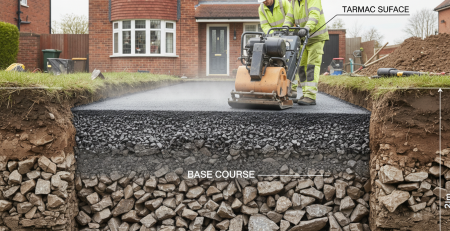
A high-quality surface is only as strong as the foundation beneath it. One of the most critical stages in any surfacing project is site preparation, yet it is often overlooked by property owners who focus only on the finished appearance.
Inadequate excavation, poor sub-base installation, or insufficient compaction can lead to structural weaknesses. These issues may not be visible initially but will eventually cause the surface to fail under traffic or environmental stress.
Professional contractors place significant emphasis on groundwork and preparation, ensuring that the surface is built to withstand long-term use rather than just providing a short-term visual improvement.
Ignoring Drainage Requirements
Water is one of the most damaging elements for any road or paved surface. Without proper drainage, water can accumulate on or beneath the surface, leading to erosion, cracking, and eventual failure.
Property owners sometimes underestimate the importance of drainage design, assuming it is a minor detail rather than a fundamental part of the project. In reality, effective drainage systems are essential for preserving the integrity of the surface.
Experienced contractors assess site gradients, water flow, and soil conditions to implement appropriate drainage solutions. This prevents standing water and protects the investment over time.
Not Verifying Previous Work
Another common mistake is failing to review a contractor’s previous projects. Visual evidence of completed work provides valuable insight into the quality and consistency of their services.
Reputable contractors are transparent about their experience and often showcase completed projects through case studies. Reviewing these examples allows property owners to assess workmanship, attention to detail, and suitability for similar projects.
Without this step, it becomes difficult to gauge whether the contractor can deliver the required standard.
Lack of Clear Project Scope
Surfacing projects require detailed planning and clear communication. When the scope of work is not properly defined, misunderstandings can arise regarding materials, thickness, timelines, and costs.
Property owners sometimes rely on informal agreements or vague quotes, which can lead to disputes or unexpected expenses later in the project. A professional contractor will provide a clear and comprehensive proposal outlining every aspect of the work.
This includes preparation, materials, installation methods, and any additional considerations such as access management or phasing.
Overlooking Equipment and Installation Methods
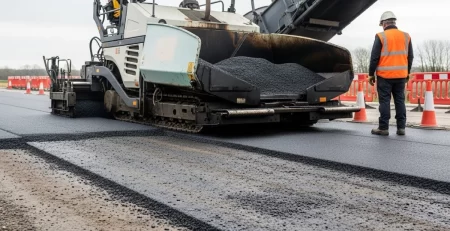
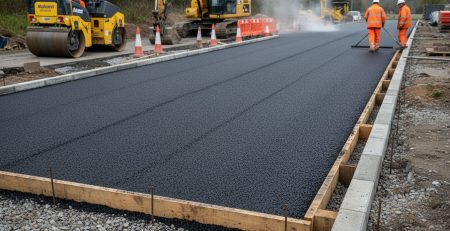
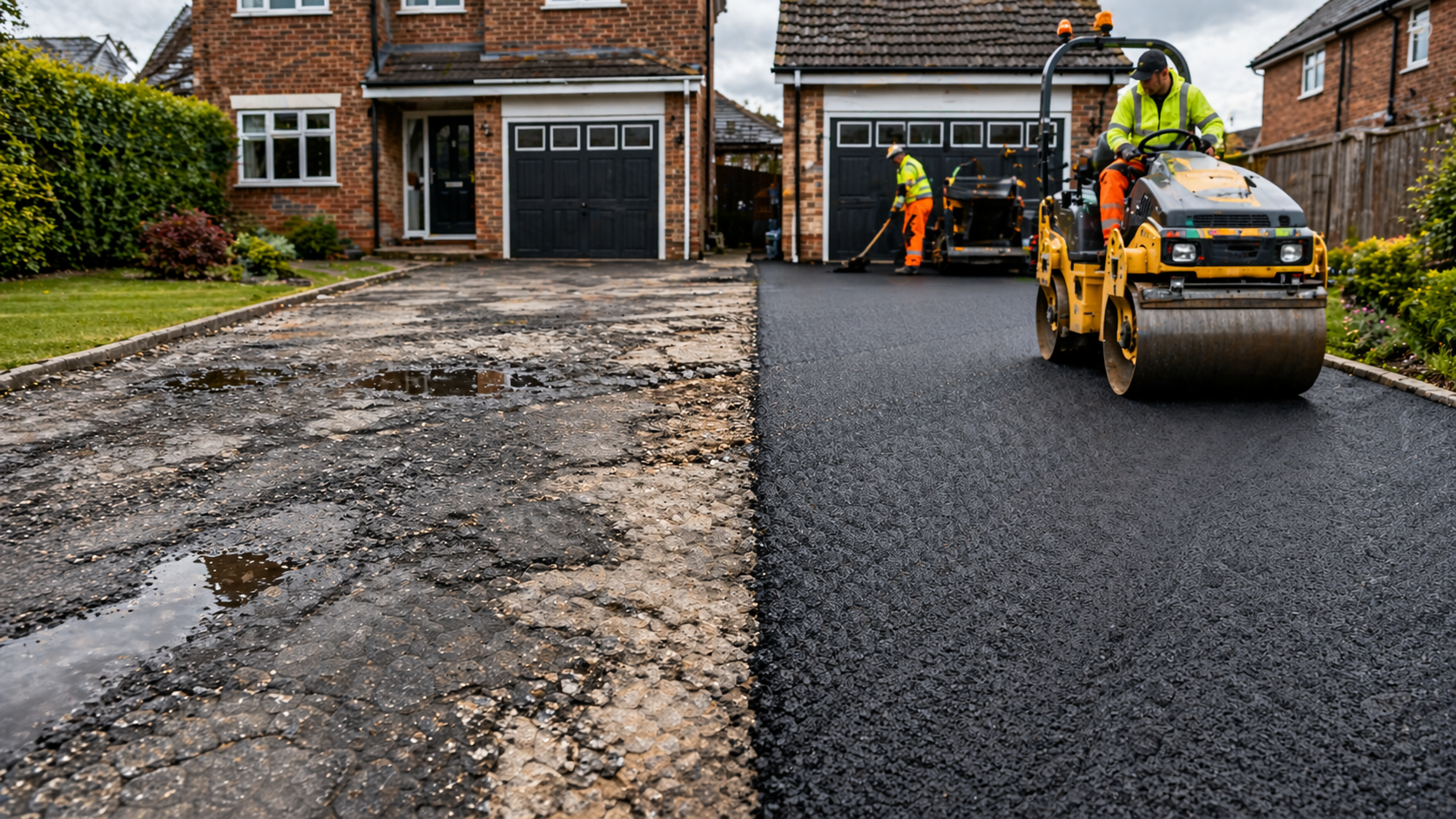
The quality of surfacing work is heavily influenced by the equipment and techniques used during installation. Modern methods, such as machine-laid surfacing, ensure consistency, proper compaction, and a smooth finish.
Choosing a contractor without the appropriate machinery can result in uneven surfaces, weak joints, and reduced durability. For larger or high-traffic areas, methods like machine-laid tarmac provide a more reliable and professional result.
Understanding how the work will be carried out is essential for ensuring long-term performance.
Not Considering Long-Term Maintenance
Many property owners focus solely on the installation phase without considering ongoing maintenance. Even the highest quality surfaces require periodic care to maintain performance and safety.
Failing to plan for maintenance can lead to minor issues developing into more significant problems. Cracks, drainage blockages, and surface wear should be addressed promptly to prevent costly repairs.
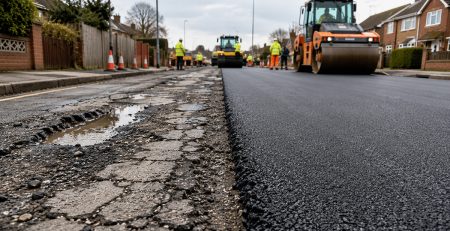
Working with a contractor who offers guidance on maintenance and potential future services, such as pothole repairs, helps extend the lifespan of the surface.
Choosing Contractors Without Proper Accreditation or Insurance
Professional surfacing contractors should operate with appropriate insurance and adhere to industry standards. Property owners sometimes neglect to verify these credentials, which can expose them to risk.
Without proper insurance, any damage or accidents during the project could become the responsibility of the property owner. Additionally, contractors who do not follow recognised standards may deliver work that fails to meet safety or compliance requirements.
Ensuring that the contractor operates professionally and responsibly is a fundamental part of the selection process.
Ignoring Local Knowledge and Coverage
Local knowledge plays an important role in surfacing projects. Contractors familiar with regional conditions understand how weather, soil types, and usage patterns affect surface performance.
Property owners benefit from working with contractors who have experience in their area, as they can tailor solutions accordingly. Reviewing the contractor’s areas we cover helps confirm their familiarity with local requirements and project types.
This local expertise contributes to more reliable and durable results.
Poor Communication Throughout the Project
Effective communication is essential from initial consultation through to project completion. Property owners sometimes underestimate its importance, leading to confusion, delays, or unmet expectations.
A professional contractor maintains clear and consistent communication, providing updates, addressing concerns, and ensuring that the project progresses smoothly. This level of transparency builds trust and ensures that the final result aligns with the original requirements.
Rushing the Decision-Making Process
Surfacing projects often represent a significant investment, yet some property owners rush the contractor selection process. This can lead to poor decisions that impact the quality and longevity of the work.
Taking the time to research, compare options, and ask detailed questions allows for a more informed choice. Engaging with experienced professionals, such as those found through domestic contractors or commercial specialists, ensures that the project is approached with the necessary expertise.
Conclusion
Avoiding these common mistakes is essential for achieving a successful surfacing project. The choice of contractor has a direct impact on the durability, safety, and overall value of the finished surface.
By focusing on experience, proper preparation, clear communication, and long-term performance rather than simply cost, property owners can ensure that their investment delivers reliable results for years to come. Careful planning and informed decision-making remain the foundation of any high-quality surfacing project.