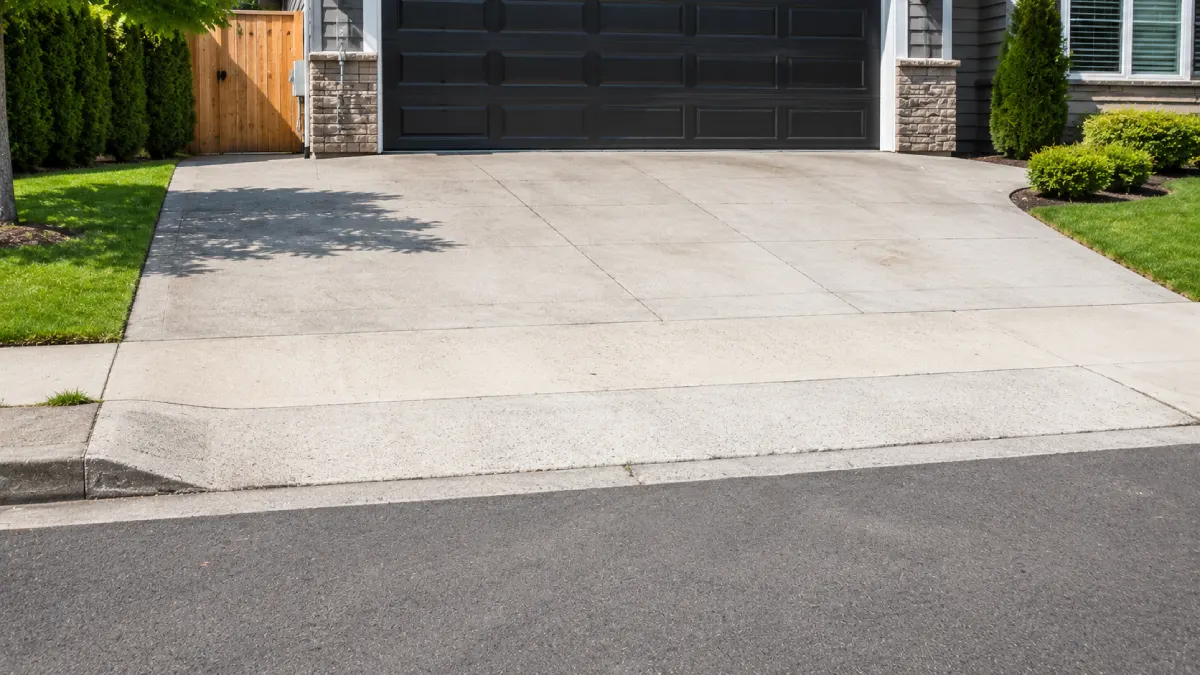
Who Is Responsible for a Driveway Apron?
A driveway apron often sits where private driveway use meets public pavement, road access, or council-controlled highway space. The serious step is to understand Maintenance & Repair, Municipal Projects, Utility Companies, dropped kerb rules, drainage, and local responsibility before changing or repairing the entrance. The experienced solution is to check who controls the apron area, confirm council permission, document damage, and use a professional surfacing contractor when the private driveway section needs repair or resurfacing.
Who Is Responsible for a Driveway Apron?
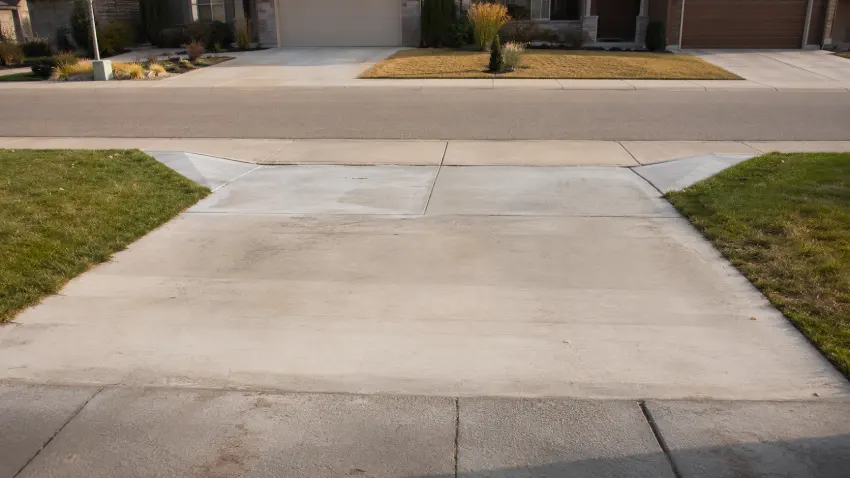
Driveway apron responsibility depends on location, ownership, public highway control, damage cause, and local council rules. This section explains the practical answer before going into repairs, permits, and exceptions.
Who Is Responsible for a Driveway Apron? In many cases, the property owner is responsible for everyday maintenance and standard repair costs, even when the apron touches a pavement, kerb, or public right-of-way.
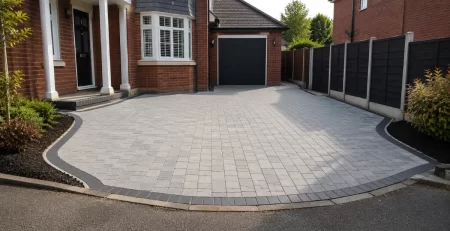
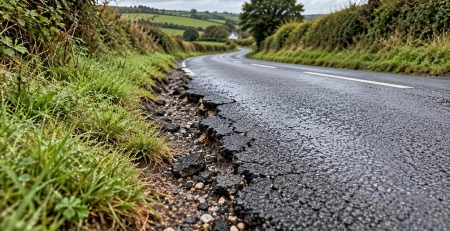
The confusion happens because the apron sits between private and public space. The driveway belongs to the homeowner, but the footway, kerb, crossover, or highway edge may be controlled by the local council.
A specialist such as Total Surfacing Solutions can inspect the private driveway surface, apron transition, and resin-bound finish to help identify whether the problem is surface wear, drainage failure, base movement, or access-edge damage.
| Situation | Usually Responsible |
| Normal wear on the private apron area | Homeowner |
| Damage from the homeowner’s contractor | Homeowner or contractor |
| Council road or pavement project damage | Council or project contractor |
| Utility company excavation damage | Utility company |
| Unauthorised apron change | Homeowner |
| Dropped kerb or crossover change | Council approval needed |
The best first step is to find out whether the damaged section is private driveway, licensed crossover, pavement, kerb, or highway-controlled land.
Maintenance & Repair: Owner Duties
Maintenance & Repair usually starts with the homeowner. This section explains everyday cleaning, minor repair, surface care, drainage checks, and damage caused by private use.
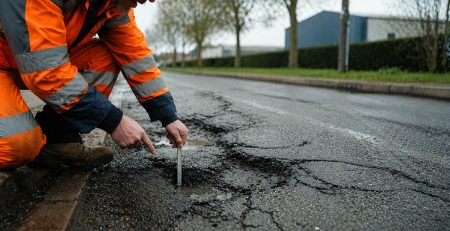
Maintenance & Repair commonly includes keeping the driveway apron safe, clean, accessible, and free from avoidable surface damage. This can involve sweeping debris, clearing leaves, controlling weeds, cleaning stains, and dealing with early cracks or loose edges.
If your own use causes damage, responsibility usually points back to you. Heavy delivery vehicles, skip lorries, trailers, landscaping equipment, or building contractors can crack apron edges, rut soft surfacing, or damage nearby driveway layers.
Homeowner duties may include:
- Clearing debris and leaves
- Removing weeds from joints or edges
- Cleaning oil or fuel stains
- Repairing standard surface wear
- Keeping drainage channels clear
- Avoiding heavy loads on weak edges
- Preventing mud movement onto the road
- Maintaining private driveway surfaces
- Checking erosion near the entrance
- Reporting unsafe highway defects separately
People comparing long-term apron upkeep with surface performance can review resin driveway advantages and disadvantages before choosing a repair or resurfacing option.
| Owner Issue | Why It Matters |
| Oil stains | Can weaken some surfaces |
| Loose edges | Can spread into the driveway |
| Blocked drainage | Causes pooling and erosion |
| Heavy vehicles | Can create cracks or ruts |
| Poor cleaning | Encourages moss and weeds |
| Weak base | Leads to repeat repairs |
If the apron surface is resin-bound, asphalt, concrete, pavers, or gravel, the repair method will change. A good repair should fix the cause, not only cover the visible damage.
Municipal Projects: Council Role
Municipal Projects can shift responsibility away from the homeowner. This section explains council roadworks, pavement work, dropped kerb changes, public drainage, and highway-controlled repairs.
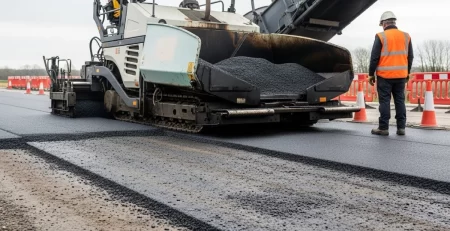
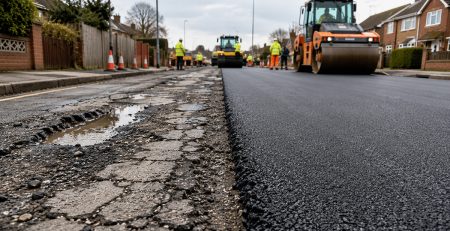
Municipal Projects may include road resurfacing, pavement replacement, kerb repairs, drainage upgrades, footway reconstruction, or public utility access controlled by the council or its contractors.
If council work damages or alters the driveway apron, the council or its appointed contractor may be responsible for reinstating the affected area. This is especially relevant when the apron must be tied back into a newly resurfaced road, pavement, kerb, or crossover.
Council involvement may include:
- Road resurfacing near the apron
- Pavement reconstruction
- Kerb replacement
- Drainage repairs
- Approved crossover works
- Public footway repairs
- Highway safety corrections
- Tree root or verge works
- Public utility coordination
- Enforcement against unauthorised works
For homeowners planning a wider entrance, widen driveway permission UK is useful because apron responsibility becomes more complex when public pavement or dropped kerb access is involved.
| Council-Related Situation | Practical Action |
| Roadworks damaged the apron | Document and report |
| Pavement work changed levels | Contact council |
| Kerb was altered | Check crossover approval |
| Drainage work affected the entrance | Request inspection |
| Unapproved works exist | Seek guidance before repair |
A homeowner should not assume they can rebuild the public edge themselves. The council may control materials, levels, contractor approval, and safety requirements.
Utility Companies: Damage Rules
Utility Companies may be responsible when their excavation or service work damages the apron. This section explains gas, water, telecom, electricity, reinstatement, and documentation.
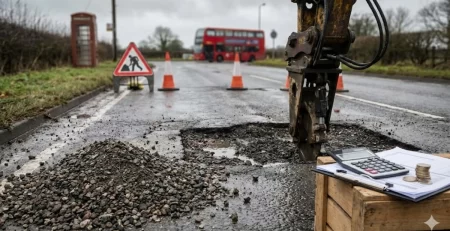
Utility Companies often work in the public right-of-way, pavement, verge, or road edge. Their work can involve digging near the driveway apron to access pipes, cables, ducts, or service covers.
If a utility company damages the apron during authorised works, they may be responsible for reinstating the affected surface. The standard of reinstatement can depend on local rules, permit conditions, material type, and whether the damage is inside public or private land.
Utility-related damage may include:
- Trench cuts
- Patch repairs
- Sunken reinstatement
- Cracked apron edges
- Damaged resin or asphalt
- Loose pavers
- Drainage disruption
- Utility cover movement
- Surface mismatch
- Compaction failure
For entrance drainage issues after utility works, driveway culvert may help explain how water movement near an access point can affect the driveway.
| Utility Work | Possible Apron Issue |
| Gas pipe repair | Trench patch through apron |
| Water main work | Settlement after reinstatement |
| Telecom ducting | Narrow surface cut |
| Electricity works | Cover or edge disturbance |
| Drain repairs | Level or fall changes |
Always take photos before and after utility work if notice is given. Clear evidence helps show whether the apron damage existed before the work or happened during reinstatement.
Permits and Changes: Approval First
Changing a driveway apron can require approval before work begins. This section explains dropped kerbs, widening, material changes, surface drainage, and highway rules.
A homeowner may be responsible for normal repairs, but that does not mean every apron change can be done freely. If the work affects a dropped kerb, public pavement, highway verge, kerb line, or vehicle crossover, approval may be needed.
In the UK, driving over the pavement to access a driveway usually requires a proper dropped kerb or vehicle crossover. Creating, widening, or modifying that crossover is normally controlled by the local council.
Before changing the apron, check:
- Dropped kerb permission
- Vehicle crossover rules
- Public pavement ownership
- Highway licence needs
- Surface water drainage
- Conservation restrictions
- Listed building rules
- Street tree protection
- Utility cover position
- Contractor approval rules
People checking driveway apron meaning should understand the apron as both a functional entrance and a legal boundary area.
| Apron Change | Permission Risk |
| Widening entrance | Council approval may be needed |
| Changing kerb line | Highway control likely |
| Replacing the private surface only | Lower risk |
| Altering pavement crossing | Approval needed |
| Changing drainage direction | Planning or highway issue |
| Working near a public tree | Extra restriction possible |
A driveway apron project should start with permission, not materials. That prevents wasted money and avoids enforcement problems.
Resin Apron Repairs: Surface Planning
Resin apron repairs should consider base stability, drainage, edge stress, and visual matching. This section explains when resin-bound surfacing fits apron repair or resurfacing.
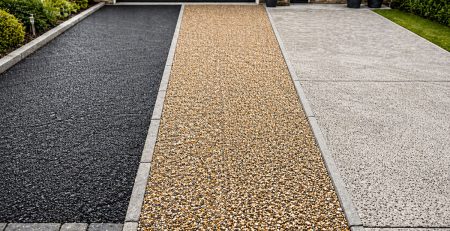
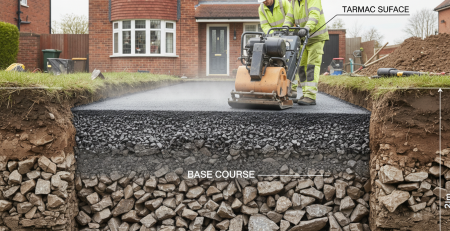
Resin-bound surfacing can be a strong choice for private driveway areas near an apron when the base is stable and drainage is planned correctly. It gives a clean, modern appearance and can blend the entrance with the main driveway.
However, resin cannot solve every apron problem. If the damage is caused by council-controlled crossover movement, poor drainage, utility reinstatement, or weak ground, those issues must be handled before resurfacing.
A resin apron repair should check:
- Base strength
- Drainage direction
- Edge restraint
- Permeability
- Existing surface condition
- Colour match
- Anti-slip texture
- Heavy vehicle use
- Curing conditions
- Maintenance access
For winter performance, resin driveways slippery is relevant. Grip, cleaning, drainage, and surface texture all affect how safe the entrance feels in wet or cold weather.
| Resin Repair Check | Why It Matters |
| Stable base | Prevents cracking |
| Correct drainage | Avoids pooling |
| Edge restraint | Protects the apron transition |
| Permeable build-up | Supports water control |
| Texture | Improves grip |
| Colour match | Improves kerb appeal |
If asphalt is involved near the entrance, new asphalt parking time can help with curing and early use rules.
A resin repair should be planned as part of the whole entrance, not just a patch on the damaged spot.
Area Coverage for Driveway Apron Responsibility
Driveway apron responsibility changes by council rules, crossover status, utility work, drainage, and private driveway condition. These area sections explain how Bedfordshire, Cambridgeshire, Essex, Hertfordshire, and Oxford homeowners should approach apron issues.
Resin Bound Driveway Repair In Bedfordshire Resin
For resin bound driveways in Bedfordshire, apron responsibility should start with a simple question: is the damage on the private driveway, the crossover, the pavement, or the highway edge?
If the damage is on the private driveway surface, the homeowner usually arranges repair. If the problem sits on the footway or kerb, the local authority may need to inspect it before any work begins.
Bedfordshire homeowners should document the damage, check whether recent council or utility work has happened, and avoid changing crossover levels without permission. A resin-bound repair can look clean, but the responsibility line should be confirmed first.
Resin Bound Driveway Repair In Cambridgeshire
For resin bound driveways in Cambridgeshire, apron problems often need careful drainage review. Flat entrances can make water pooling, settlement, and reinstatement patches more noticeable.
If a utility company has opened the ground near the apron, check whether the reinstated surface is sinking or holding water. Poor compaction after utility work can create long-term apron problems.
Cambridgeshire homeowners should separate private wear from external work damage. If the apron surface failed after gas, water, telecom, or drainage works, responsibility may not sit fully with the homeowner.
Resin Bound Driveway Repair In Essex
For resin bound driveways in Essex, driveway apron responsibility often connects with appearance and access. A cracked or uneven apron can make the whole frontage look neglected.
If the apron is part of a private resin-bound driveway, repair may be a homeowner project. If it sits within the public crossover or pavement zone, council approval may be needed before replacement.
Homeowners considering resale can also review driveway increase home value. A legal, tidy, well-drained entrance supports kerb appeal better than an unclear or patched apron.
Resin Bound Driveway Repair In Hertfordshire
For resin bound driveways in Hertfordshire, sloped aprons can create extra stress. Vehicles brake, turn, and pull away at the entrance, which increases surface wear and edge pressure.
If the apron sits on a gradient, driveway on slope may help homeowners understand why drainage and grip matter. A sloped apron can fail faster if water runs across the surface or weakens the edge.
Hertfordshire homeowners should check whether the damage is normal wear, drainage failure, or external work damage. Responsibility depends on the cause and the exact location.
Resin Bound Driveway Repair In Oxford
For resin bound driveways in Oxford, apron responsibility may need extra care because of older frontages, pavement access, conservation settings, and highway-controlled areas.
A small entrance repair can become more complex if the apron connects to a dropped kerb, pavement, boundary wall, or public access route. The council may control what can be changed and how the work must be completed.
Oxford homeowners should confirm responsibility before resurfacing. Resin-bound surfacing can create a neat entrance, but permission, drainage, and highway details should be settled first.
Final Responsibility Checklist: Act Safely
A safe apron repair starts with cause, location, and permission. This section gives a checklist before contacting a contractor, council, utility company, or insurer.
Before repairing a driveway apron, check:
- Where exactly is the damage?
- Is it a private driveway or a public footway?
- Is there a dropped kerb or crossover?
- Did council work recently happen nearby?
- Did utility works disturb the surface?
- Is drainage causing the failure?
- Is the apron dangerous for pedestrians?
- Are photos available before and after the damage?
- Is approval needed before repair?
- Does the repair need to match the driveway?
A contractor such as Total Surfacing Solutions can inspect the private driveway area, identify surface failure, and recommend a suitable resin-bound or resurfacing solution.
| Check | Why It Matters |
| Location | Shows who may control it |
| Cause | Helps assign responsibility |
| Permission | Avoids unauthorised work |
| Drainage | Prevents repeat damage |
| Utility history | Supports damage claims |
| Surface match | Protects kerb appeal |
For unstable entrance ground, muddy driveway fix and driveway erosion fix may help before resurfacing begins.
A driveway apron problem should not be repaired blindly. Confirm responsibility first, then repair the right section with the right approval.
Frequently Asked Questions: Apron Responsibility
1. Is the homeowner responsible for a driveway apron?
Often, yes. The homeowner usually handles everyday upkeep, cleaning, and normal wear on the driveway apron. However, responsibility can change if the damage involves council work, utility excavation, or public highway areas.
2. Who pays if utility work damages my apron?
If a utility company damages the apron while working on gas, water, telecom, drainage, or electrical lines, they may be responsible for reinstatement. Take photos and contact the company quickly.
3. Can I repair my driveway apron myself?
You may be able to repair private driveway areas, but do not alter public pavement, kerbs, or crossover sections without checking council rules. Unauthorised work can lead to enforcement or correction costs.
4. What if council roadworks damage the apron?
Report the issue to the council or project contractor with photos and dates. If municipal works caused the damage, they may need to inspect and arrange reinstatement.
5. Do I need permission to widen a driveway apron?
Yes, permission may be needed if widening affects a dropped kerb, pavement crossing, kerb line, highway verge, drainage, or council-controlled land. Always check with the local council before work starts.