What Is the Cheapest Driveway Material?
Many homeowners start looking for the cheapest driveway material when the existing surface is cracked, tired, or too costly to replace properly. The serious action is to compare material cost, drainage, base preparation, maintenance, and lifespan before accepting the lowest quote.
The experienced solution is simple: use loose aggregates or recycled materials for the lowest upfront cost, consider asphalt or tarmac for the most affordable solid pavement, and judge every option through a cost vs. longevity comparison. If the surface already has drainage, cracking, or base problems, it is worth getting driveway surfacing advice before choosing the cheapest option only by price.
Planning a budget-friendly driveway? Visit our service page for expert help choosing the right cheapest driveway material for your surface, budget, and long-term use.
What Is the Cheapest Driveway Material?
The cheapest driveway material is usually gravel or loose aggregate. It costs less because the material is simple, installation is faster, and large areas can be covered without complex finishing work. The real decision depends on whether you want the lowest price today or fewer maintenance problems later.
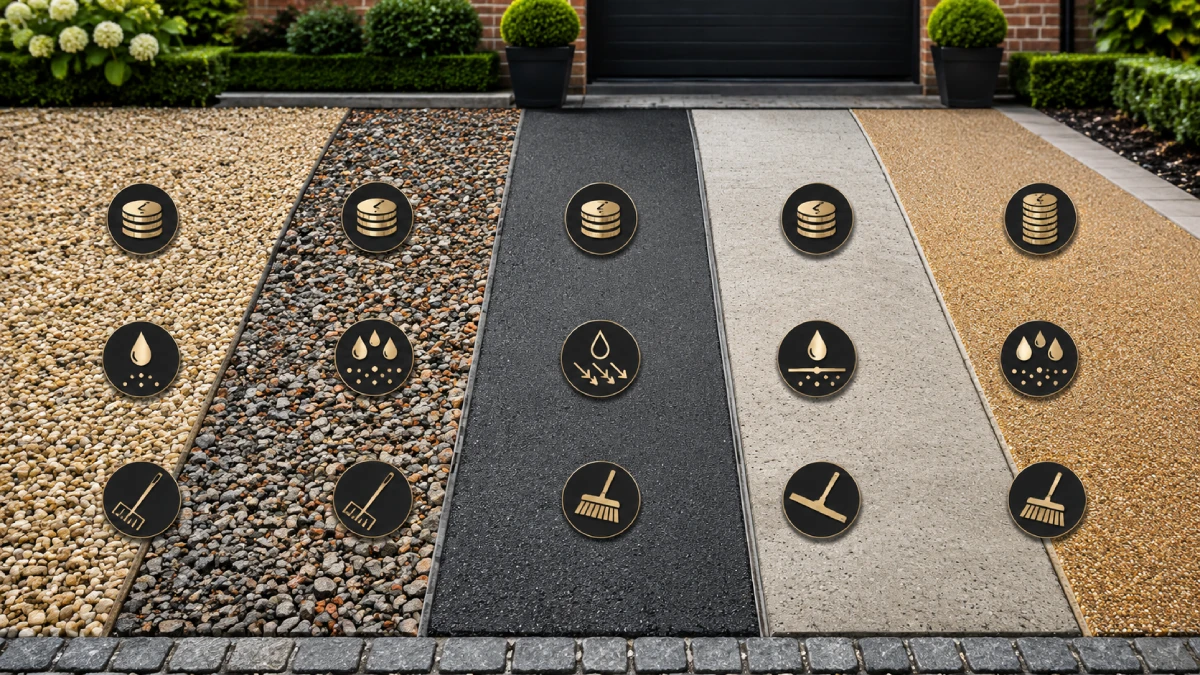
| Driveway Material | Upfront Cost Level | Maintenance Level | Best Use | Main Risk |
| Gravel / Loose Aggregate | Lowest | Medium to high | Long drives and low budgets | Ruts, weeds, stone spread |
| Recycled Materials | Very low where available | Medium | Temporary or budget access | Quality and availability |
| Asphalt / Tarmac | Low to medium | Medium | Smooth daily-use driveways | Cracks if base is weak |
| Plain Concrete | Medium | Low to medium | Hard-wearing surface | Costly cracking repairs |
| Resin Bound | Higher | Low | Modern, cleaner finish | Needs stable base |
| Block Paving | Higher | Medium | Kerb appeal and repair access | Labour-heavy install |
The first budget split is clear. Loose aggregates and recycled materials are the cheapest upfront route. Asphalt or tarmac is usually the most affordable solid pavement when the driveway needs a smoother, cleaner daily-use surface.
A proper cost vs. longevity comparison prevents a bad decision. Gravel can save money immediately, but it needs raking, weed control, edging, and top-ups. Tarmac costs more than gravel, but it can reduce loose-stone problems and make the driveway easier to use every day.
Cheapest Does Not Mean Cheapest Forever
A cheap driveway only works when the ground, water flow, and traffic level match the surface. The lowest quote can become expensive if it ignores excavation, drainage, edging, and sub-base depth. This is where many homeowners end up paying twice.
A gravel driveway can be the lowest-cost answer for a large space. But if loose stones spread into the pavement, weeds grow through the surface, or water creates ruts, the savings disappear slowly. That is why cheap material still needs correct installation.
For homeowners comparing repair and replacement, Total Surfacing Solutions can help assess whether a low-cost surface or a longer-term upgrade is more practical. A driveway that is already sinking or holding water may need more than a cheap top layer. The best decision starts with the condition of the base, not the colour of the surface.
Loose Aggregates and Recycled Choices
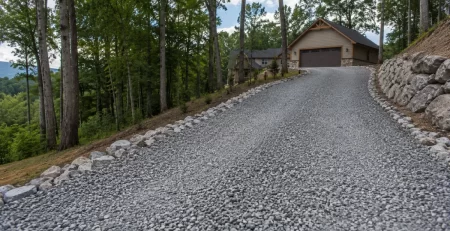
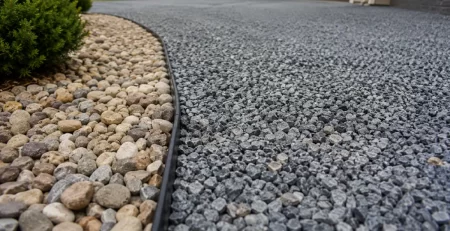
Loose aggregates are the first option for strict budgets. This includes gravel, crushed stone, limestone, and sometimes recycled crushed concrete or asphalt millings. These materials are practical when the driveway is large, rural, or mainly functional.
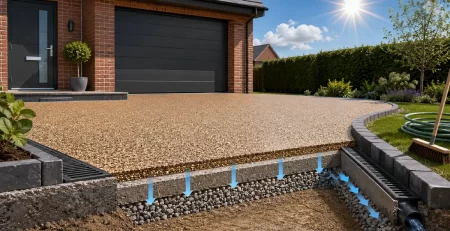
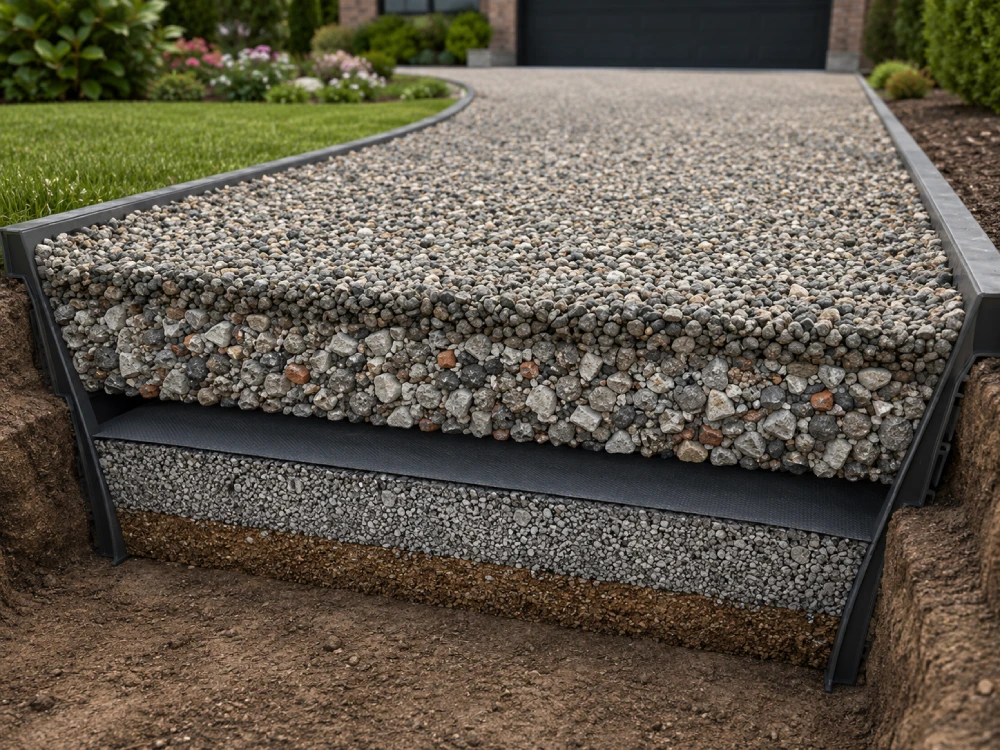
Gravel is affordable because it does not need the same finishing process as resin, concrete, or block paving. It also drains well when the sub-base and membrane are installed correctly. The downside is that loose stone moves under tyres, shoes, rain, and turning vehicles.
Recycled materials can reduce cost further in some areas. Crushed concrete and asphalt millings may be cheaper than fresh decorative gravel, depending on local availability. The risk is consistency, because recycled material can vary in size, compaction, cleanliness, and finish.
Use loose aggregate when these conditions fit:
- Lowest upfront budget matters most
- The driveway is long or large
- A rustic finish suits the property
- The owner accepts raking and top-ups
- Drainage is already manageable
- Strong edging can contain the material
Loose aggregate should not be installed carelessly. It still needs a compacted base, weed membrane, proper depth, and edge restraints. Without these, the surface can rut, spread, and look unfinished very quickly.
Tarmac Is the Cheapest Solid Surface
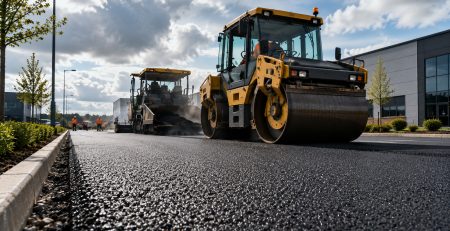
Tarmac is not usually cheaper than gravel. But it is often the cheapest practical solid surface for a driveway that needs daily vehicle use. It gives a smoother finish, fewer loose stones, and better usability for families.
This is where asphalt or tarmac becomes important. Tarmac works well for homeowners who want a low-cost surface without constant raking. It is also practical for driveways with frequent car movement and turning.
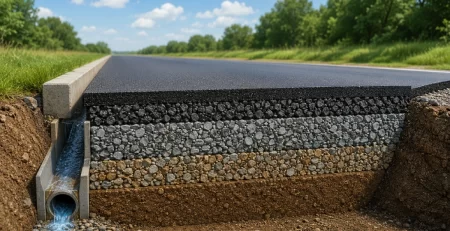
The key weakness is preparation. Tarmac needs a strong sub-base, correct compaction, clean edges, and planned water run-off. If it is laid too thin or over weak ground, the surface can sink, crack, or break at the edges.
Tarmac makes sense when:
- You want a cheap solid surface
- Cars use the driveway daily
- Gravel feels too loose or messy
- You want less routine maintenance
- The property suits a simple black finish
- Drainage and edging can be done properly
If your concern is fatigue cracking, surface stress, or repeated asphalt damage, read this asphalt fatigue failure explanation. It helps show why tarmac fails when the base or traffic load is underestimated. Cheap tarmac is only cheap when the structure underneath is right.
Concrete Gives Strength, Not Always Savings
Plain concrete can be cost-effective when the goal is a hard, long-lasting surface. It is usually more expensive than gravel or basic tarmac, but it offers strength when installed with proper thickness and base preparation. The saving comes from lifespan, not the first invoice.
Concrete is less forgiving than gravel. If the ground moves or water sits under the slab, cracks can spread through the surface. Repairing cracked concrete can be difficult because patches often remain visible.
Concrete suits homeowners who want a durable hard surface without decorative upgrades. A plain brushed finish is usually more affordable than stamped, coloured, or patterned concrete. For related surface decisions, see these concrete driveway coating basics before choosing a coating or finish.
Concrete is not the best answer if the base is uncertain. It needs control joints, correct depth, drainage falls, and stable ground. Skipping those steps makes a strong material fail early.
Resin and Block Paving Cost More Upfront
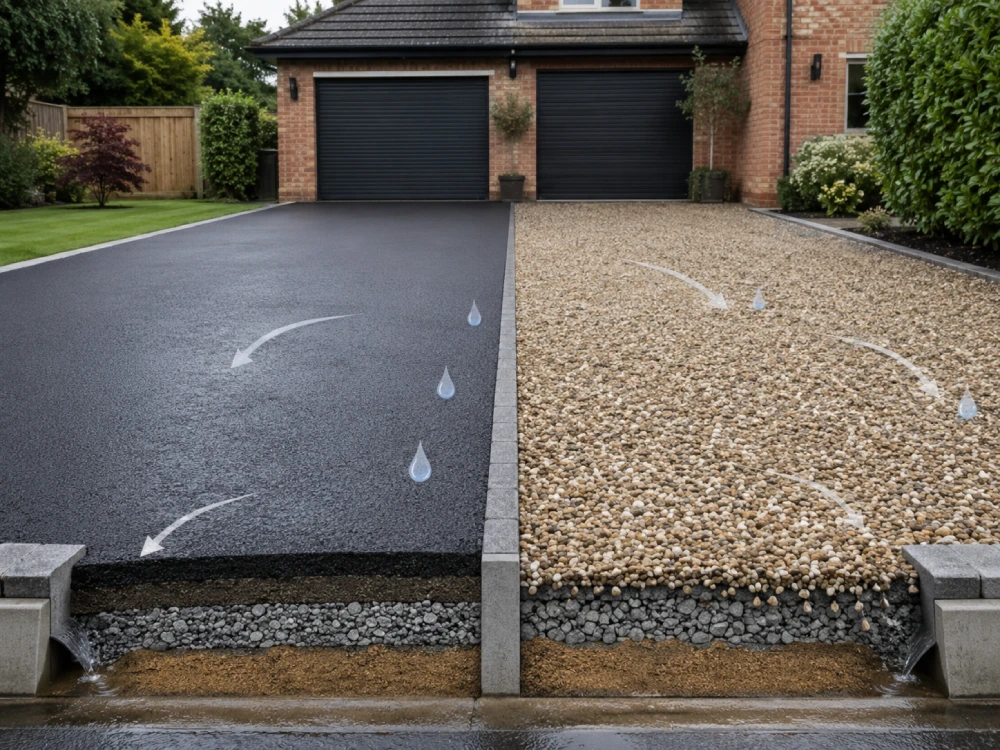
Resin and block paving are not usually the cheapest driveway materials. They become relevant when appearance, drainage, maintenance, and long-term surface quality matter more than the lowest starting price. They are better seen as upgrade options, not budget-first options.
Resin-bound driveways can give a clean, modern, permeable finish when installed over the correct base. They reduce loose-stone movement compared with gravel. But resin still needs strong groundwork, correct installation conditions, and careful preparation.
If you are comparing resin with cheaper surfaces, review these resin driveway planning factors. If drainage is the main concern, this resin bound water drainage explanation can help explain why the system differs from non-permeable surfaces. Resin is not the cheapest, but it can solve problems that cheap loose material cannot.
Block paving costs more because installation is labour-heavy. Each block must be laid, restrained, jointed, and compacted correctly. Its advantage is repair flexibility, because individual blocks can be lifted and replaced.
Drainage Decides If Cheap Survives
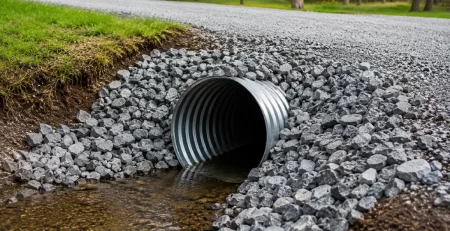
Drainage is the hidden cost behind many failed driveways. Water can wash gravel away, soften tarmac edges, undermine concrete, and expose poor sub-base work. A cheap surface without water control often becomes a repair cycle.
Before choosing material, check where water goes during heavy rain. Look for pooling, runoff from the road, water near the garage, and low points where tyres pass. These signs matter more than surface colour or finish.
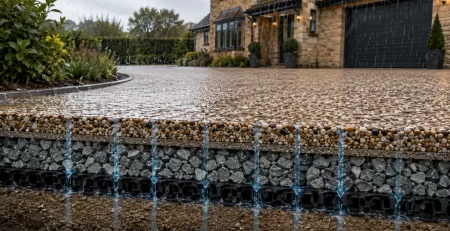
Gravel and resin-bound systems can help with water movement when installed correctly. But no material can fix a bad slope, blocked channel, or soft waterlogged base by itself. Drainage planning must come before the final surface choice.
For deeper structural thinking, connect this decision with base course durability planning. A solid base helps every surface last longer. It also reduces the chance of ruts, cracking, sinking, and repeat repairs.
Base Preparation Controls the Final Bill
The cheapest material can still have an expensive installation if the ground is difficult. Excavation, waste removal, hardcore depth, geotextile membrane, drainage, access, and edging can all change the final price. This is why two driveway quotes can look very different.
A cheap quote may only cover the visible surface. A better quote may include sub-base preparation, compaction, drainage, and proper waste handling. Comparing only the total price can hide major differences in quality.
The base carries the vehicles, not the surface alone. Gravel needs compacted layers and containment. Tarmac needs a stable foundation and clean edges.
Resin also needs a suitable base, usually concrete or tarmac. If resin is being considered later, the resin driveway groundwork structure is useful before comparing options. Good preparation can make the difference between a budget surface and a failed surface.
Match Material to Real Driveway Use
The best cheap driveway depends on how the space is used. A long rural entrance has different needs from a short town driveway with two cars turning every day. Material choice should follow traffic, drainage, slope, and maintenance tolerance.
Use gravel for the lowest upfront price. Use tarmac when you want the lowest practical solid surface. Use plain concrete when lifespan and strength matter more than the starting cost.
Use resin when you want a cleaner finish and can justify the upgrade. Homeowners in local service areas can explore resin bound driveways in Bedfordshire, resin bound driveways in Oxford, and resin bound driveways in Cambridgeshire when cheaper materials do not match the property goal.
For other local upgrade planning, see resin bound driveways in Essex and resin bound driveways in Hertfordshire. These options suit homeowners who want a smoother decorative finish instead of repeating gravel or patch repairs. The right choice depends on budget, base, drainage, and long-term expectations.
When Cheap Repairs Waste Your Budget?
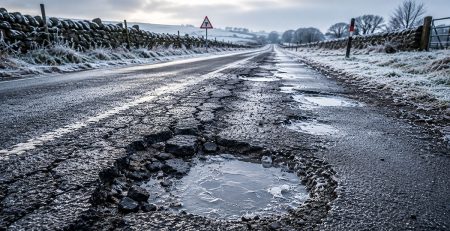
Some surfaces are too damaged for small repairs to be good value. Large cracks, broken concrete sections, deep sinking, and repeated water pooling usually point to base failure. In those cases, patching may only hide the problem for a short time.
Temporary fixes can still be useful. Cold patch, crack filler, pressure washing, gravel infill, or a small concrete repair may buy time while saving for replacement. But they should not be treated as permanent driveway systems.
The key question is whether the driveway is unsafe, worsening, or damaging nearby areas. If it still functions and does not cause drainage or trip problems, waiting may be cheaper than repeated patching. If water is moving toward the house, the repair decision becomes more urgent.
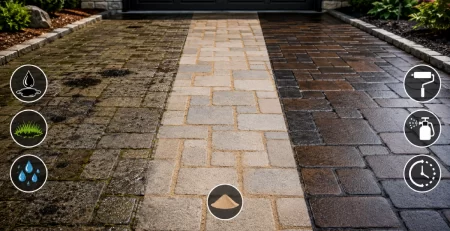
If pavers are part of the existing surface, the paver sealing system guide may help with maintenance before replacement. If the surface is resin, follow a proper resin driveway upkeep method. If you need help comparing long-term surface options, use Total Surfacing Solutions before choosing a cheap repair that may not last.
Cost vs. Longevity Comparison
A smart driveway budget compares today’s cost with future work. The cheapest surface can be correct, but only if the owner accepts its maintenance. The wrong cheap choice becomes expensive when it fails early.
| Budget Goal | Best Material Direction | Why It Fits | Watch Out For |
| Lowest upfront cost | Gravel | Cheap and fast | Raking, weeds, top-ups |
| Cheapest smooth surface | Tarmac | Solid and practical | Needs strong base |
| Low-cost hard surface | Plain concrete | Strong and plain | Cracking if base fails |
| Cleaner modern finish | Resin bound | Smooth and permeable | Higher upfront cost |
| Repair flexibility | Block paving | Blocks can be lifted | Higher labour cost |
For commercial or larger hardstanding areas, the cheapest home driveway logic may not apply. Heavy vans, turning loads, and daily industrial traffic change the surface requirement. Related planning can be developed through an industrial yard surface management process.
Business and estate surfaces also need stronger planning. Commercial areas should consider commercial surfacing requirements before copying domestic driveway material choices. Domestic driveway choices should not be used for heavy-use surfaces without load assessment.
What Is the Cheapest Driveway Material? Resin Bound Driveways Area Coverage
Resin bound driveways are a strong choice for homeowners who want a clean, decorative, and lower-maintenance surface that can handle changing UK weather. Rain, frost, humidity, surface water, dust, vehicle use, and local property expectations all affect how well a driveway performs over time, so each area needs the right surface planning before installation.
Resin Bound Driveways in Bedfordshire
Bedfordshire homes often face regular rainfall, winter frost, damp shaded areas, and daily vehicle movement from family homes, village properties, and suburban driveways. Loose gravel, tired paving, and old concrete can become messy, stained, or uneven when exposed to seasonal weather and repeated use. For homeowners who want better kerb appeal, drainage support, and a cleaner long-term surface, resin bound driveways in Bedfordshire can be a practical upgrade.
Resin Bound Driveways in Cambridgeshire
Cambridgeshire driveways often need to manage flat ground conditions, rainwater movement, seasonal dampness, surface dust, and drainage challenges around rural homes, new-build estates, and larger residential properties. When water sits on old paving or loose surfaces, the driveway can become slippery, stained, or harder to maintain. For properties that need a neat, stable, and weather-ready finish, resin bound driveways in Cambridgeshire can help improve both appearance and everyday usability.
Resin Bound Driveways in Essex
Essex properties may deal with rain, summer heat, coastal air in some areas, tyre marks, surface dust, and strong kerb appeal expectations from family homes, commuter properties, rental homes, and coastal residences. Older driveways can quickly look faded, stained, or untidy when exposed to moisture, salt air, and frequent vehicle use. For homeowners wanting a cleaner and more durable surface, resin bound driveways in Essex can be a suitable option.
Resin Bound Driveways in Hertfordshire
Hertfordshire driveways are often expected to look smart, clean, and suitable for high-value commuter homes, family properties, and well-kept residential streets. Rain, frost, shaded areas, moss growth, and regular parking can make old concrete, block paving, or gravel look tired over time. When homeowners want a decorative surface that supports kerb appeal and reduces maintenance pressure, resin bound driveways in Hertfordshire can offer a strong local driveway solution.
Resin Bound Driveways in Oxford
Oxford properties include period homes, townhouses, modern driveways, student rentals, and visitor-heavy residential areas where driveway appearance can strongly affect first impressions. Rain, frost, humidity, shaded entrances, and regular foot or vehicle traffic can make older surfaces slippery, stained, or uneven. For homeowners who want a finish that suits local property character while improving drainage and maintenance, resin bound driveways in Oxford can be a reliable upgrade.
FAQs
Can recycled asphalt be the cheapest driveway?
Yes, recycled asphalt can be very cheap where it is locally available. It still needs grading, compaction, drainage, and correct depth to perform well. It should not be treated as a guaranteed best option for every property.
Which cheap driveway material handles rain best?
Gravel can drain well when installed with a proper base and membrane. Resin bound can also be permeable when installed correctly, but it costs more upfront. Poor grading can still damage either surface.
What is cheaper for a long driveway?
Gravel is usually the cheapest for long driveways because bulk stone scales well over large areas. Tarmac becomes more practical when a smoother driving surface is needed. The final decision depends on maintenance tolerance and drainage.
Should I repair or replace badly cracked concrete?
Minor cracks may be filled, but badly broken or sunken concrete often points to base failure. Repeated patching can waste money if water or movement continues underneath. Replacement or proper base repair may be better long term.
What should I check in a cheap driveway quote?
Check excavation depth, sub-base specification, drainage, edging, waste removal, and surface thickness. A low quote without these details may not be cheaper in real life. Ask what is included before comparing prices.
Conclusion
Gravel is usually the cheapest driveway material when the goal is the lowest upfront cost. Tarmac is often the best cheap solid surface when daily use, smoother access, and lower loose-stone maintenance matter more. Before choosing, compare loose aggregates, recycled materials, asphalt, tarmac, and every option through a serious cost vs. longevity comparison.
The right cheap driveway is not just the one with the lowest material price. It must suit the base, drainage, vehicle weight, driveway size, and maintenance expectations. For a practical cost and surface decision, speak with Total Surfacing Solutions before spending money on a surface that may fail early.