How Much Does a Resin Driveway Cost?
Resin driveway prices can feel confusing because two homes with the same surface size can receive very different quotes. A serious cost check must look beyond the resin layer and inspect the base, drainage, edging, access, aggregate choice, and preparation depth. The experienced way to judge price is to compare Cost by Project Scope, review the Cost Breakdown by Driveway Size, and understand the Major Cost Drivers before accepting any quote.
How much does a resin driveway cost?
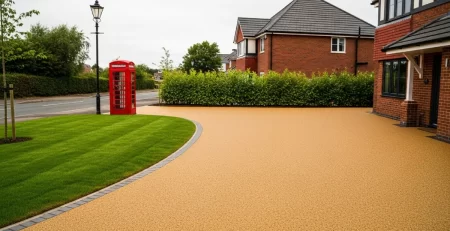
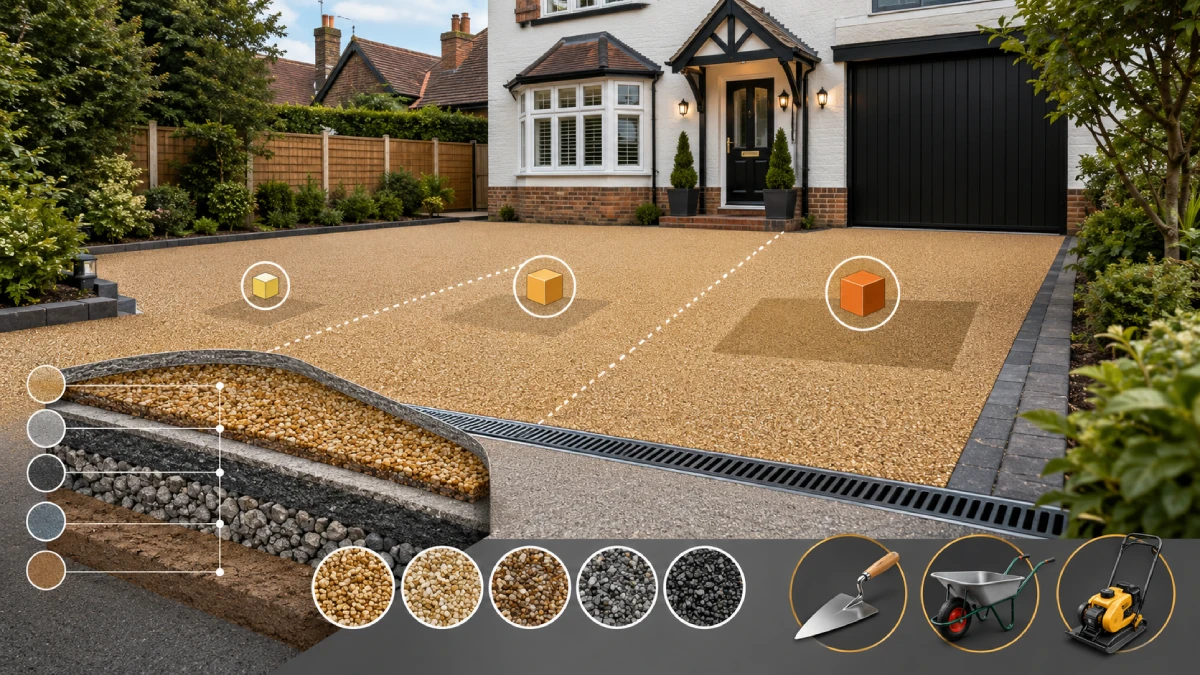
A resin driveway in the UK commonly costs around £60 to £150+ per m². The lower end usually applies to simple overlay work on a stable concrete or tarmac base. The higher end usually appears when excavation, sub-base installation, drainage, edging, and waste removal are needed.
The biggest mistake is treating an online average as a final price. Resin driveway cost depends on what sits below the surface. A clean, stable base can reduce the quote, while cracked concrete, loose tarmac, poor drainage, or soft ground can increase it quickly.
| Project Situation | Typical Cost Level | What It Usually Means | Main Risk |
| Resin overlay | Lower | Existing base is sound | Failed base can crack through |
| Full installation | Higher | Excavation and new base needed | More labour and disposal cost |
| Resin bonded | Lower upfront | Stone scattered over resin | Lower long-term value |
| Resin bound | Higher upfront | Mixed resin and stone system | Needs correct installation |
| Premium finish | Higher | Borders, colours, details | Labour and material cost rise |
A good quote should explain the system, base, resin type, depth, drainage, edging, and preparation. If a contractor only gives a quick total without details, the price is hard to trust. For a proper surface decision, Total Surfacing Solutions can help compare quote quality and project scope before money is spent.
Cost by project scope
Project scope is the fastest way to understand resin driveway cost. The price changes because an overlay uses an existing base, while a full installation rebuilds the driveway structure. The surface may look similar, but the work underneath is very different.
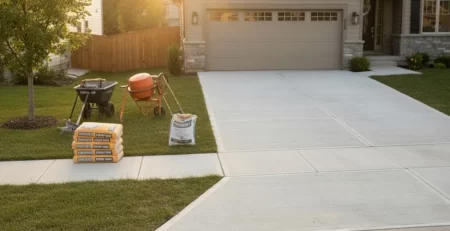
A resin overlay is usually the lower-cost route. It can work when the existing concrete or tarmac is stable, clean, flat, and structurally sound. Cracks, movement, loose areas, and drainage problems must be fixed before resin is laid.
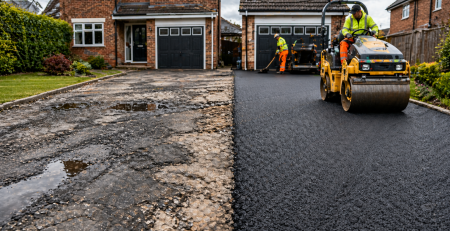
A full installation costs more because the contractor must remove the old surface. This can include excavation, sub-base installation, compaction, edging, drainage, resin laying, and waste disposal. These hidden works can add more to the quote than the resin surface itself.
| Scope Type | Cost Position | Included Work | Best For |
| Overlay only | Lower | Clean, repair, prime, lay resin | Sound tarmac or concrete |
| Full dig-out | Higher | Remove, excavate, rebuild base | Failed or soft ground |
| Drainage upgrade | Added cost | Channels, falls, soakaway work | Water problem areas |
| Decorative finish | Added cost | Borders, colours, patterns | Premium kerb appeal |
Overlaying a failed base is a false saving. The resin may crack, loosen, or show movement if the foundation shifts. That is why resin driveway surface preparation should be reviewed before comparing a cheap overlay with a full specification.
Cost breakdown by driveway size
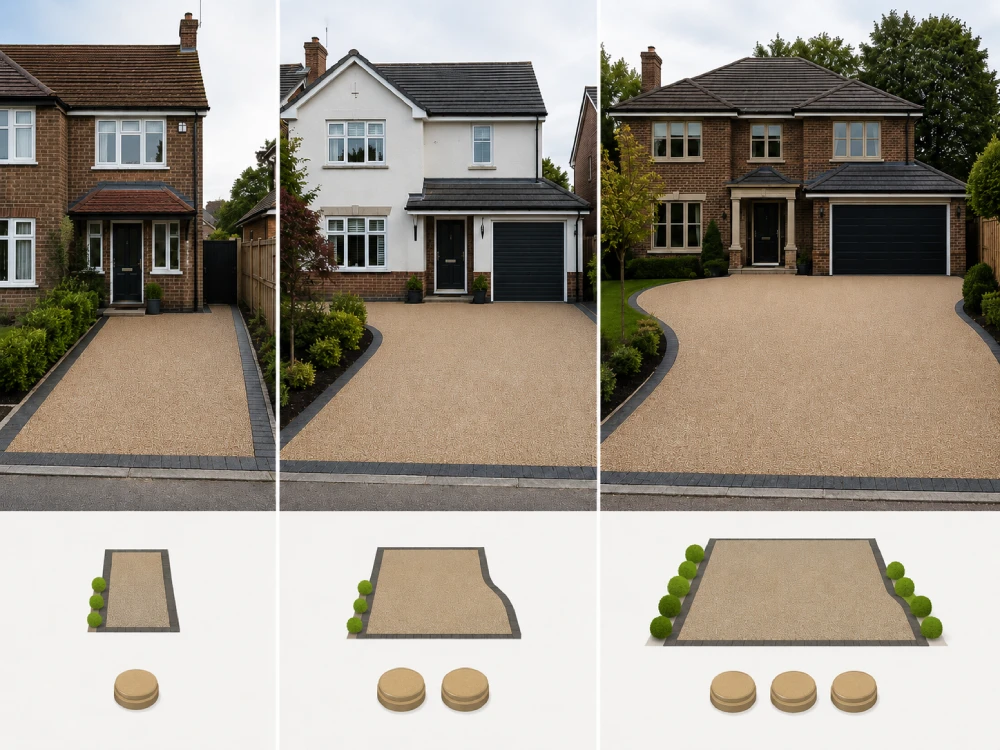
Driveway size affects both the total quote and the rate per square metre. A small driveway may cost less overall, but it can cost more per m² because setup costs remain fixed. Labour, transport, tools, and mixing time still need to be paid for.
A small resin driveway often has the highest per-m² rate. The team still needs to arrive, prepare the area, mix materials, and complete the finish. That cost is spread over fewer square metres.
A medium driveway is usually easier to price. It often fits two cars and gives a more realistic view of normal resin driveway costs. This is the project size many homeowners use when comparing quotes.
A large driveway costs more overall, but the per-m² rate can improve if the site is simple. Bulk materials and steady labour flow can make installation more efficient. Difficult access, slopes, or drainage problems can still push the price up.
| Driveway Size | Cost Behaviour | Why It Changes |
| Small | Higher per m² | Fixed setup cost is spread over less space |
| Medium | Most predictable | Better balance of labour and materials |
| Large | Lower per m² possible | Bulk work can improve efficiency |
| Complex shape | Higher | More cutting, borders, and detail work |
Do not compare sizes by total price alone. A 20m² driveway and a 60m² driveway can have very different rates per square metre. Always ask whether the quote includes base work, edging, drainage, and waste removal.
Resin-bound or bonded changes the price
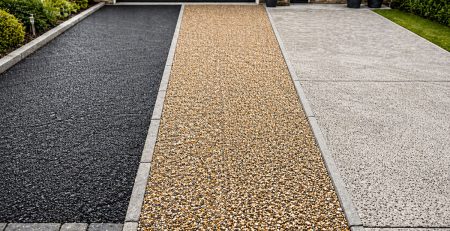
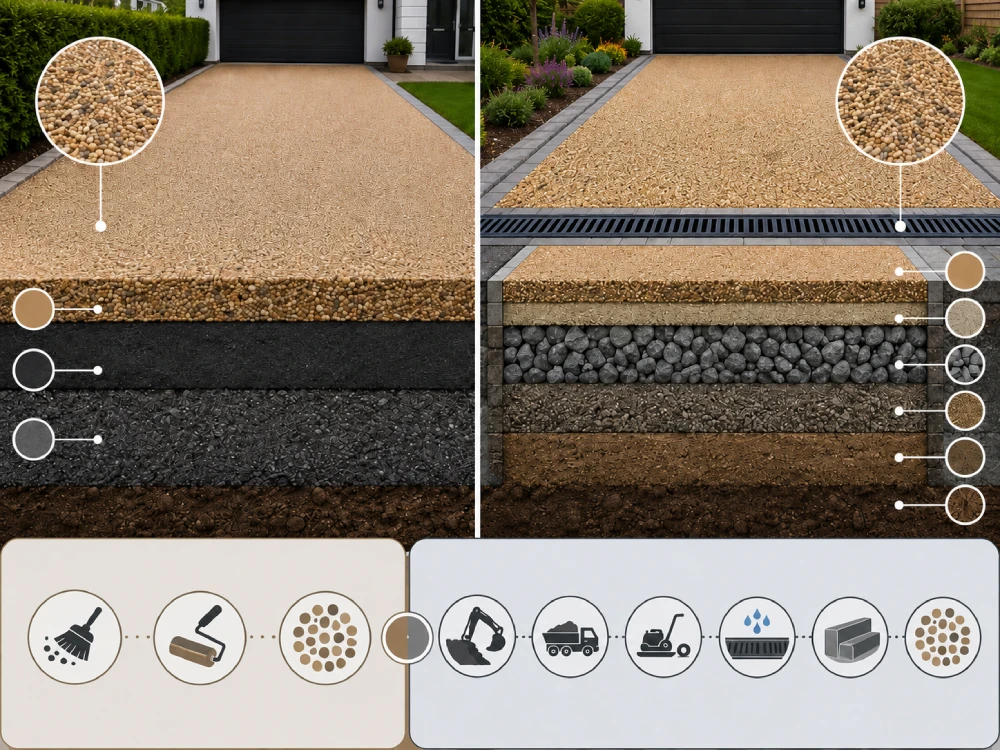
Resin-bound and resin bonded sound similar, but they are different systems. This difference is one reason resin driveway prices vary so much. A cheap quote may be for resin-bonded, while a higher quote may be for resin-bound.
Resin-bound mixes dried aggregate and resin before installation. The mixture is then trowelled into a smooth, seamless surface. When installed correctly, it can be permeable and more suitable for long-term driveway use.
Resin-bonded spreads resin onto the surface first. Loose stone is then scattered on top while the resin is tacky. It is usually cheaper, but it is not the same smooth permeable system.
| Feature | Resin Bound | Resin Bonded |
| Installation method | Stone and resin mixed first | Resin spread, stone scattered |
| Surface feel | Smooth and seamless | Rough and textured |
| Drainage | Permeable when installed correctly | Usually non-permeable |
| Upfront cost | Higher | Lower |
| Long-term value | Usually stronger | Often shorter lifespan |
If drainage is important, study the resin bound drainage concept before choosing. A lower quote is not useful if it prices the wrong system. Always ask directly whether the quote is resin bound or resin bonded.
Major cost drivers behind the quote
Resin cost is shaped by site conditions, not only material choice. The quote can rise when the driveway has poor access, weak ground, tree roots, old concrete, manholes, slopes, or drainage problems. Good contractors price these details clearly.
Aggregate choice affects material cost. Standard blends are usually more budget-friendly. Premium colours, decorative stones, custom mixes, and special finishes increase the price.
Resin quality also matters. UV-stable resin usually costs more than non-UV resin. The extra cost can protect appearance by reducing yellowing and colour change in sunlight.
Edging and borders affect labour. Resin needs a firm edge to hold the surface properly. Block borders, curves, kerb lines, steps, and complex thresholds require more time and precision.
Main cost drivers include:
- Driveway size
- Existing base condition
- Old surface removal
- Excavation depth
- Sub-base installation
- Drainage work
- Aggregate colour
- UV-stable resin
- Edging and borders
- Manhole adjustments
- Kerb transitions
- Site access
- Waste disposal
- Local labour rates
A serious quote should not hide these items. It should explain what is included and what may cost extra. If you want a basic surface comparison before choosing resin, read the driveway surface material guide.
Existing base condition controls cost
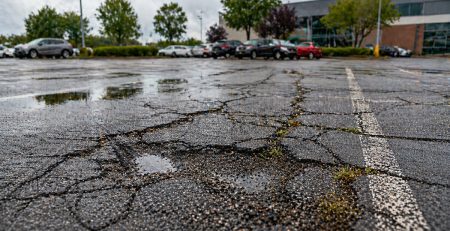
The base is one of the biggest price factors. A stable concrete or tarmac base can reduce work, time, and cost. A cracked, loose, sunken, or badly drained base can make the project much more expensive.
Resin should not be used to hide structural failure. If the base moves, the resin surface may crack or pull apart. That problem can be more expensive to correct than doing the base properly first.
A sound base should be firm, clean, dry, and well-drained. Cracks should be repaired, weak sections removed, and loose areas stabilised. Oil, moss, old coatings, and loose material must also be dealt with before installation.
Old concrete sometimes needs treatment before resin is even considered. If the surface is only tired rather than structurally failed, the concrete driveway repainting guide can help separate cosmetic issues from deeper base problems. This makes quote comparison easier and prevents paying for the wrong finish.
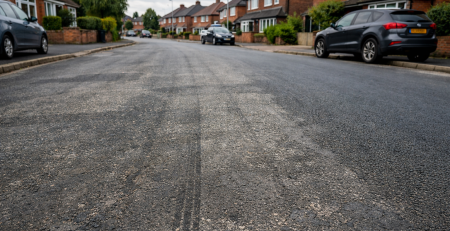
Where asphalt damage is visible, connect the issue with asphalt crack prevention planning. For deeper structural layers, the road surface base course guide helps explain why preparation matters. Resin performs best when the surface and the base work as one system.
Drainage can raise the final price
Resin bound can be permeable, but that does not mean drainage is free. Water still needs somewhere to go after passing through the surface. If the sub-base, slope, or surrounding ground is wrong, drainage work may still be required.
Channel drains, soakaways, falls, kerb details, and base adjustments can all increase the quote. These costs are not decoration. They protect the driveway from standing water, freeze damage, soft spots, and early failure.
A driveway that slopes toward the house needs special attention. So does a driveway with pooling near garages, walls, or public paths. The drainage plan should be explained before resin is laid.
If the current driveway uses pavers, maintenance may be enough before full replacement. The driveway paver sealant basics and paver surface cleaning process can help in that situation. Resin should be chosen when the existing surface no longer matches the drainage, appearance, or maintenance need.
Cheap resin quotes need careful checks
The cheapest resin driveway quote is not always the best quote. Real user discussions show that homeowners worry about pressure selling, unclear prices, and same-day discounts. A fair quote should be calm, written, and specific.
Avoid deciding during a high-pressure visit. A contractor should not rely on urgency, “today only” pricing, or vague promises. The price should come from measurements, base condition, drainage needs, material choice, and labour.
Ask these quote checks before agreeing:
- Is it resin bound or resin bonded?
- Is excavation included?
- Is sub-base preparation included?
- Is drainage included?
- Is edging included?
- What resin type is used?
- Is the resin UV-stable?
- What depth is being laid?
- Are manhole covers included?
- Is waste removal included?
- What happens if the base is weak?
- Is the quote written clearly?
A clear quote protects your budget. It also helps you compare installers properly. For contractor decision-making, use resin driveway evaluation points before choosing.
Resin cost vs long-term value
Resin is not usually the cheapest driveway material upfront. Gravel and basic tarmac often cost less at the start. Resin can make sense when the homeowner wants a cleaner finish, permeability, low loose-stone maintenance, and strong kerb appeal.
The long-term value depends on installation quality. A strong base, correct resin mix, dry installation conditions, proper edging, and drainage all matter. Poor preparation can make an attractive surface fail early.
Resin also needs maintenance, even if it is low maintenance. Dirt, leaves, moss, oil, and debris should be removed before they affect grip and appearance. Follow the resin driveway washing steps after installation.
For local installation planning, homeowners can review resin bound driveways in Bedfordshire, resin bound driveways in Oxford, and resin bound driveways in Cambridgeshire. These pages help connect project cost with area-specific service options. Local access, ground type, and drainage can change the final specification.
When resin is worth the spend
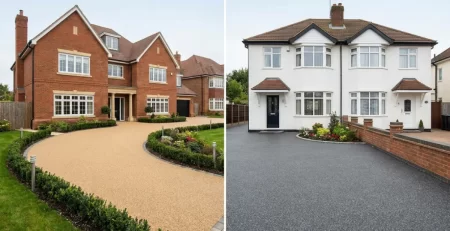
Resin is worth considering when the base can be made stable and the budget supports proper preparation. It is especially useful when loose gravel has become messy, when drainage matters, or when kerb appeal is important. It suits homeowners who want a modern surface without constant stone movement.
It may not be the best choice for the tightest budget. A failed base, severe water problems, poor access, or heavy commercial use can push the price higher. In those cases, a different surface or deeper groundwork may be more practical.
For other locations, see resin bound driveways in Essex and resin bound driveways in Hertfordshire. For broader surfacing guidance, Total Surfacing Solutions can help compare base, drainage, material, and finish before deciding. That is safer than buying the lowest quote without knowing what it includes.
Commercial sites need a different cost view. Heavy vans, turning zones, and delivery routes can increase surface demands. For non-domestic areas, the industrial yard paving overview, business park road upkeep factors, and estate road surface durability are more suitable references.
FAQs
Why is one resin driveway quote much cheaper?
A cheaper quote may exclude groundwork, drainage, edging, waste removal, or proper base preparation. It may also be pricing resin bonded rather than resin bound. Always compare the written specification, not only the final number.
Can resin be laid over cracked concrete?
Resin should not be laid over moving or badly cracked concrete. Small stable cracks may be repaired first, but structural movement must be solved. If the base fails, the resin surface can crack through later.
Is UV-stable resin worth the extra cost?
UV-stable resin is usually worth considering where colour appearance matters. It helps reduce yellowing and uneven discolouration from sunlight. Non-UV resin may lower the price, but it can affect long-term appearance.
Does a resin driveway need maintenance?
Yes, resin is low maintenance, not no maintenance. Leaves, moss, dirt, and oil should be cleaned before they affect grip or appearance. Regular gentle washing keeps the surface clearer and safer.
Should I accept a same-day resin discount?
A driveway quote should be based on measurements, base condition, materials, drainage, and labour. Same-day pressure can stop homeowners from comparing details properly. A fair price should still make sense after careful review.
Conclusion
A resin driveway usually costs around £60 to £150+ per m², but the real price depends on the project scope. A simple overlay over sound concrete or tarmac costs less, while full excavation, drainage, edging, and sub-base work cost more. The safest way to understand the price is to review Cost by Project Scope, Cost Breakdown by Driveway Size, and Major Cost Drivers before choosing.
The lowest quote is not always the best value. Resin bound and resin bonded are different systems, and groundwork can change everything. For a clear surface decision, speak with Total Surfacing Solutions before accepting a quote that does not explain the base, drainage, resin type, depth, edging, and waste removal.