Best Resin Driveways for Detached & Semi-Detached Houses
Detached and semi-detached homes need a driveway surface that looks sharp, handles daily parking, drains correctly, and stays easy to maintain. The serious step is to check the base, traffic load, drainage route, colour choice, and installer quality before choosing a finish. The experienced solution is a professionally installed resin-bound system with a stable surface, SuDS-friendly drainage, UV-stable resin, and a design that fits your home style.
Best Resin Driveways for Detached & Semi-Detached Houses

Best Resin Driveways for Detached & Semi-Detached Houses should start with the way your home is used every day. The right system must fit parking space, drainage, house style, and long-term maintenance.
Detached homes often have wider frontages, turning space, garage access, and larger driveway layouts. Semi-detached homes usually need tighter design control because the driveway may sit closer to the boundary, neighbour’s parking, shared access, or front path.
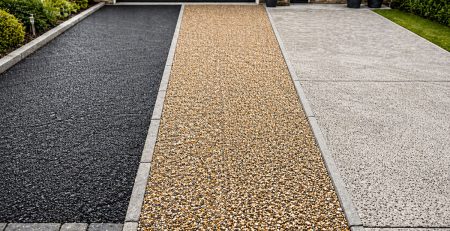
A resin-bound driveway can work well for both property types. It gives a smooth surface, modern finish, and good permeability when installed over the correct base. It can also reduce loose-stone movement compared with gravel.
The best choice depends on:
- Surface strength
- Drainage design
- Vehicle load
- Sub-base condition
- Colour blend
- Edging detail
- Access covers
- Professional installation
- Maintenance needs
A specialist such as Total Surfacing Solutions can assess whether your existing drive is suitable for an overlay or whether full groundwork is needed. That decision matters because resin is a finish layer, not a structural fix.
For homeowners comparing resin driveways with block paving, concrete, tarmac, or gravel, resin-bound systems offer a clean look and strong kerb appeal when the base is right.
| House Type | Driveway Need | Resin Design Focus |
| Detached home | Larger parking area | Strong sub-base and border detail |
| Semi-detached home | Shared frontage pressure | Clean edges and drainage control |
| Garage-front drive | Daily tyre movement | Durable aggregate blend |
| Family home | Low maintenance | Weed resistance and easy cleaning |
| Modern home | Kerb appeal | Grey, silver, or mixed stone |
The strongest driveway is not the one with the nicest sample board. It is the one built around your property, ground conditions, drainage route, and vehicle habits.
Surface: Match House Use
Surface choice decides how the driveway feels, performs, and handles everyday pressure. Detached and semi-detached homes need a surface that can take parking, turning, weather, and cleaning without early damage.
A resin-bound surface is made by mixing aggregate with resin before laying it as a smooth, trowelled layer. This gives a seamless finish that is usually more suitable for premium residential driveways than resin-bonded alternatives.
Surface performance depends on the full build-up below. The top layer may look strong, but weak tarmac, cracked concrete, loose gravel, or poor sub-base work can cause sinking, cracking, or loose aggregate.
A good surface should deliver:
- Smooth walking and driving
- Stable parking
- Low loose-stone movement
- Good water permeability
- Slip-resistant texture
- Clean visual finish
- Reliable edge support
- Easy maintenance
For homeowners choosing resin bound surfacing, the key is to confirm the full specification. Ask about base condition, aggregate size, resin type, drainage, edging, and curing conditions.
| Surface Detail | Good Standard | Failure Risk |
| Base | Stable tarmac or concrete | Loose gravel or moving blocks |
| Resin type | UV-stable resin | Yellowing or colour shift |
| Texture | Smooth but grippy | Slippery or loose finish |
| Edge | Firm restraint | Fraying borders |
| Drainage | Permeable build-up | Water trapping |
Detached homes with SUVs, vans, or frequent turning need a stronger specification than a light-use front path. Semi-detached homes need neat boundary edges and drainage that does not affect neighbours.
Sustainability: Drainage Counts
Sustainability in resin driveways is mostly about water movement, surface permeability, and reducing runoff. A good resin-bound driveway should help rainwater drain through the surface instead of sending it toward drains or roads.
SuDS-friendly driveway design matters because UK front gardens can contribute to local flooding when they are replaced with impermeable paving. A permeable resin-bound system can reduce that risk when installed over a suitable base.
The important detail is this: the top resin surface is only part of the system. If resin is laid over a dense, impermeable base with no drainage route, water may not drain properly.
Sustainable design should include:
- Permeable resin-bound surface
- Free-draining sub-base
- Correct falls
- No water pooling near the house
- DPC clearance
- Drainage to lawn, border, soakaway, or permeable base
- Careful threshold planning
A homeowner researching Resin Driveways for new or existing properties should always ask whether the whole system is permeable, not only whether the surface is called resin bound.
A practical drainage guide:
| Drainage Feature | Why It Matters |
| Permeable surface | Lets rain pass through |
| Type 3 sub-base | Supports water movement |
| Correct fall | Prevents standing water |
| Clear edges | Stops water collecting |
| DPC clearance | Protects house walls |
| Clean drainage route | Reduces flooding risk |
Sustainability also includes longevity. A driveway that lasts longer, needs fewer repairs, and drains properly is usually a better long-term choice than a cheaper surface that fails early.
Professional Installation: Avoid Failure
Professional installation matters because resin-bound driveways are sensitive to base quality, weather, mixing ratios, curing time, and edge finishing. Poor installation can ruin an otherwise good product.
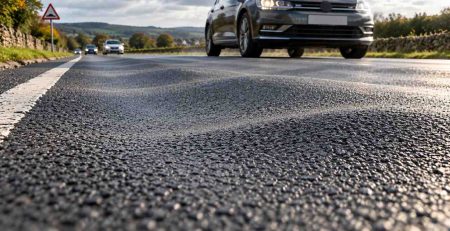
Many failures start before the resin is laid. A weak sub-base, damp conditions, bad compaction, poor cleaning, or unstable overlay can cause problems months later. The surface may crack, loosen, cloud, dip, or shed stones.
A professional installer should check:
- Current driveway material
- Cracks or settlement
- Drainage route
- Damp proof course
- Service covers
- Vehicle load
- Weather conditions
- Resin ratio
- UV stability
- Curing time
Avoid anyone who offers a quick “scrape and pour” job. Resin should not be laid over loose soil, unstable gravel, or moving block paving. If the base moves, the resin surface will usually show it.
Homeowners comparing the Best Resin Driveways should focus on technical installation, not only finished photos. Ask for base details, resin type, drainage handling, and written scope.
| Installer Question | Strong Answer |
| Can you overlay my drive? | Only after base inspection |
| Is the resin UV stable? | Yes, clearly specified |
| What base is needed? | Tarmac or concrete, properly prepared |
| What about drainage? | Full SuDS-aware plan |
| How are edges finished? | Solid restraints included |
A professional job is measured by what happens after winter, not only how it looks on day one.
Colour and Kerb Appeal: Match the House
Colour and kerb appeal should match the house style, driveway size, and vehicle habits. Detached and semi-detached homes often need different colour decisions because the frontage size and parking layout vary.
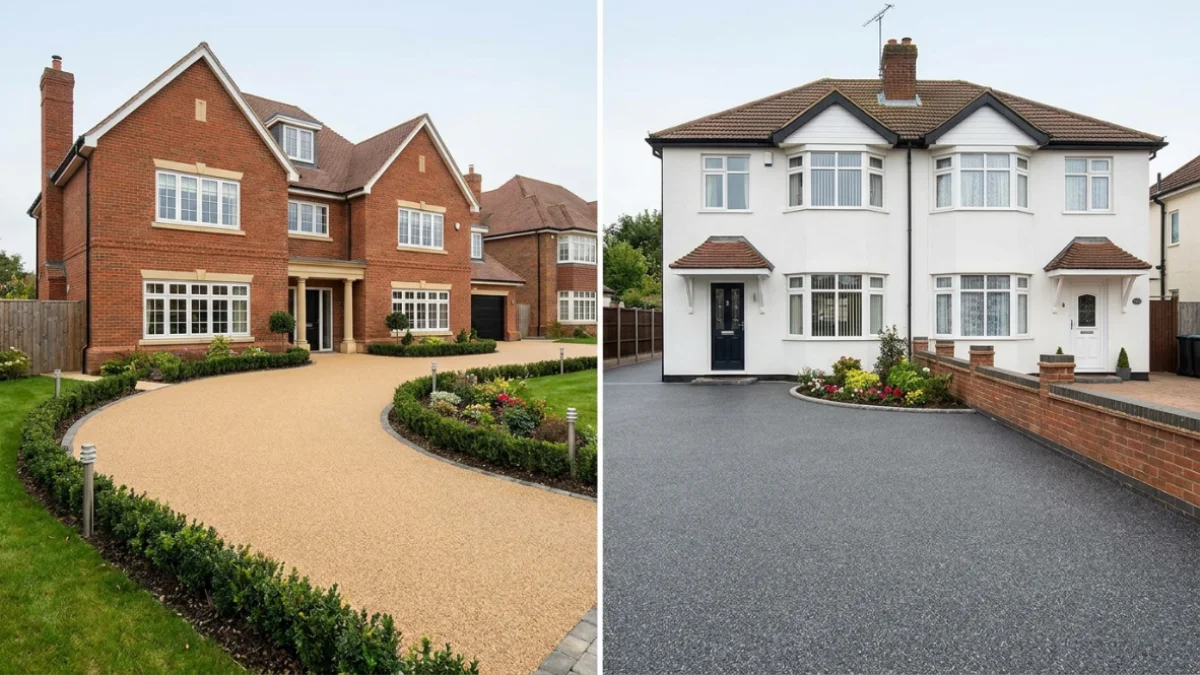
Modern detached homes often suit grey, silver, charcoal, or granite-style blends. Semi-detached homes often benefit from mixed natural tones that connect neatly with brickwork, paths, and shared front boundaries.
Warm beige, cappuccino, bronze, and natural stone blends can soften traditional brick homes. Cool grey and black-edged designs can sharpen modern homes with white render, anthracite windows, or contemporary landscaping.
For colour planning, Best Resin Driveway Colours can help match aggregate blends with the house rather than choosing from a sample alone.
| House Style | Better Resin Direction |
| Red brick detached | Bronze, gold, warm beige |
| White render | Silver, soft grey, mixed stone |
| Grey brick | Graphite, granite, charcoal border |
| Traditional semi | Natural buff or cappuccino |
| Modern frontage | Grey blend with clean edging |
Think about daily marks too. Very light aggregates can show tyre marks faster when cars turn in one place. If the driveway is short or used by several vehicles, a mixed mid-tone colour may stay cleaner visually.
Cost and Value: Quote Smarter
Cost and value should be judged by specification, not only square metre price. Detached and semi-detached driveways can vary widely because the size, base work, drainage, edging, and access covers change the final cost.
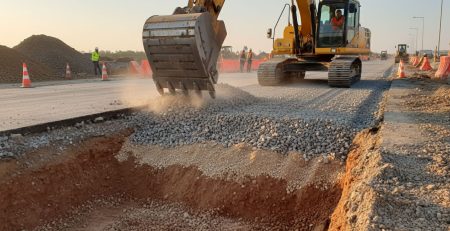
A simple overlay is cheaper if the existing base is excellent. A full installation costs more because it may include excavation, sub-base construction, open-graded tarmac, edging, waste disposal, and resin finish.
Cost factors include:
- Driveway size
- Existing base condition
- Overlay or full excavation
- Aggregate choice
- UV-stable resin
- Edging detail
- Drainage work
- Manhole covers
- Access difficulty
- Vehicle load
A broad cost guide:
| Project Type | Cost Direction | Best For |
| Overlay only | Lower | Sound tarmac or concrete |
| Repair and overlay | Mid-range | Minor defects only |
| Full excavation | Higher | Weak or failed driveways |
| Premium design | Higher | Borders and detailed finishes |
| Drainage upgrades | Variable | Runoff or pooling issues |
Detached homes may cost more because the driveway area is larger. Semi-detached homes may need extra attention around shared edges, tight access, and drainage direction.
The best quote explains the base, resin type, drainage, edges, and curing conditions. A cheap quote that skips groundwork can become expensive if the surface cracks or sinks.
Area Coverage for Best Resin Driveways

Best Resin Driveways for Detached & Semi-Detached Houses need area-based planning because local property styles, ground conditions, estate layouts, and frontage sizes vary across counties. Each area needs a tailored approach.
Resin Bound Driveways Installers In Bedfordshire
Bedfordshire homes often include a mix of newer estates, semi-detached family homes, detached properties, and compact front parking. Resin can work well here when the design handles everyday parking, kerb appeal, and drainage from the start.
For resin bound driveways bedfordshire, the first check should be the existing surface. Some homes have older tarmac or concrete that may be suitable for overlay, while others need full preparation. The base must be stable, clean, and crack-free before resin is considered.
Bedfordshire homeowners may also compare resin coated driveways when researching options. The key is to confirm whether the contractor means resin bound or resin bonded because performance and permeability differ.
Resin Bound Driveways Installers In Cambridgeshire
Cambridgeshire driveways often need careful drainage planning, especially on flatter plots or homes with larger paved frontages. A resin-bound system can support water movement when the full build-up is designed correctly.
For resin bound driveways cambridgeshire, the survey should check falls, sub-base type, edge levels, and where water will go during heavy rain. A smooth resin surface alone does not guarantee SuDS-friendly performance.
Homeowners researching resin bound surfaces should ask about the base and not only the top finish. Detached homes with larger driveways need reliable drainage, while semi-detached homes need careful water control near boundaries.
Resin Bound Driveways Installers In Essex
Essex homes often place strong value on driveway appearance, frontage presentation, and usable parking. Resin works well when the colour and surface are chosen around real vehicle use, not only visual style.
For resin bound driveways essex, the installer should check turning areas, tyre movement, slope, and daily parking load. A family driveway used by two or three vehicles needs a stronger practical specification than a decorative entrance.
Homeowners looking for resin bound driveways installers should ask for details on UV-stable resin, base preparation, drainage, and edging. Good Essex driveway design should improve kerb appeal while still handling daily wear.
Resin Bound Driveways Installers In Hertfordshire
Hertfordshire detached and semi-detached homes often suit grey, silver, and granite-style resin finishes, especially where homes use black frames, modern render, or clean landscaping. The finish must still be supported by a strong base.
A grey resin bound driveway can look sharp, but pale grey blends can show tyre marks in tight turning areas. A mixed grey aggregate may be more practical for regular parking.
If the existing driveway or access route is damaged, pothole repairs in hertfordshire may be needed before final surfacing. Resin should not be used to hide structural defects because those defects can return through the surface.
Resin Bound Driveways Installers In Oxford
Oxford homes often need careful driveway design because frontage appearance, traditional materials, and local context can matter. Resin can suit both modern and older homes when colour, edging, and drainage are handled with restraint.
Homeowners comparing resin coated driveways should confirm the exact system before agreeing to work. Resin-bound and resin-bonded systems behave differently, especially for permeability and long-term stone retention.
Oxford detached homes may suit natural stone or warm aggregate blends, while semi-detached homes may need a cleaner design that respects shared boundaries. Good edging, discreet covers, and sensible drainage make the finish look planned rather than added later.
Maintenance and Lifespan: Protect Finish
Maintenance and lifespan depend on base strength, resin quality, drainage, UV stability, vehicle use, and cleaning. A good resin-bound driveway can last many years when installed and cared for correctly.
Routine care is simple. Sweep leaves and grit, wash dirt before it builds up, clean oil spills quickly, and avoid harsh chemicals. A gentle pressure wash can help, but aggressive blasting can loosen stones.
For cleaning guidance, clean driveway advice can help homeowners protect the finish without damaging the surface.
A contractor such as Total Surfacing Solutions can help plan a surface that suits your home, vehicles, and long-term maintenance needs. This is especially important for larger detached drives and busy semi-detached family homes.
| Maintenance Task | Why It Helps |
| Sweep regularly | Reduces organic staining |
| Wash tyre marks early | Keeps colour cleaner |
| Clear drainage points | Prevents pooling |
| Clean oil quickly | Limits staining |
| Avoid metal shovels | Protects surface |
| Check edges yearly | Finds early movement |
A good driveway should be easy to live with. The right design gives you a clean surface, controlled drainage, strong kerb appeal, and practical performance through daily use.
Frequently Asked Questions: Best Resin Driveways
1. Is resin good for detached houses?
Yes. Resin-bound driveways work well for detached houses when the base is strong, drainage is correct, and the surface is designed for the vehicle load. Larger drives may need more detailed groundwork.
2. Is resin suitable for semi-detached homes?
Yes. Resin can suit semi-detached homes, especially where a neat, low-maintenance frontage is needed. The design should handle shared boundaries, drainage direction, edging, and regular parking.
3. What is the best surface under a resin driveway?
A stable tarmac or concrete base is usually suitable when clean, sound, and crack-free. Loose gravel, soil, unstable block paving, and weak sub-bases should be avoided because they can cause failure.
4. Are resin driveways sustainable?
Resin-bound driveways can support sustainability when they are permeable and installed over a suitable drainage base. This can reduce surface water runoff and support SuDS-style driveway design.
5. Why is professional installation important?
Professional installation helps prevent cracking, sinking, loose stones, poor drainage, and colour problems. Resin work depends on correct base preparation, weather timing, resin mix, edging, and curing.