Why Some Newly Surfaced Roads Already Look Old
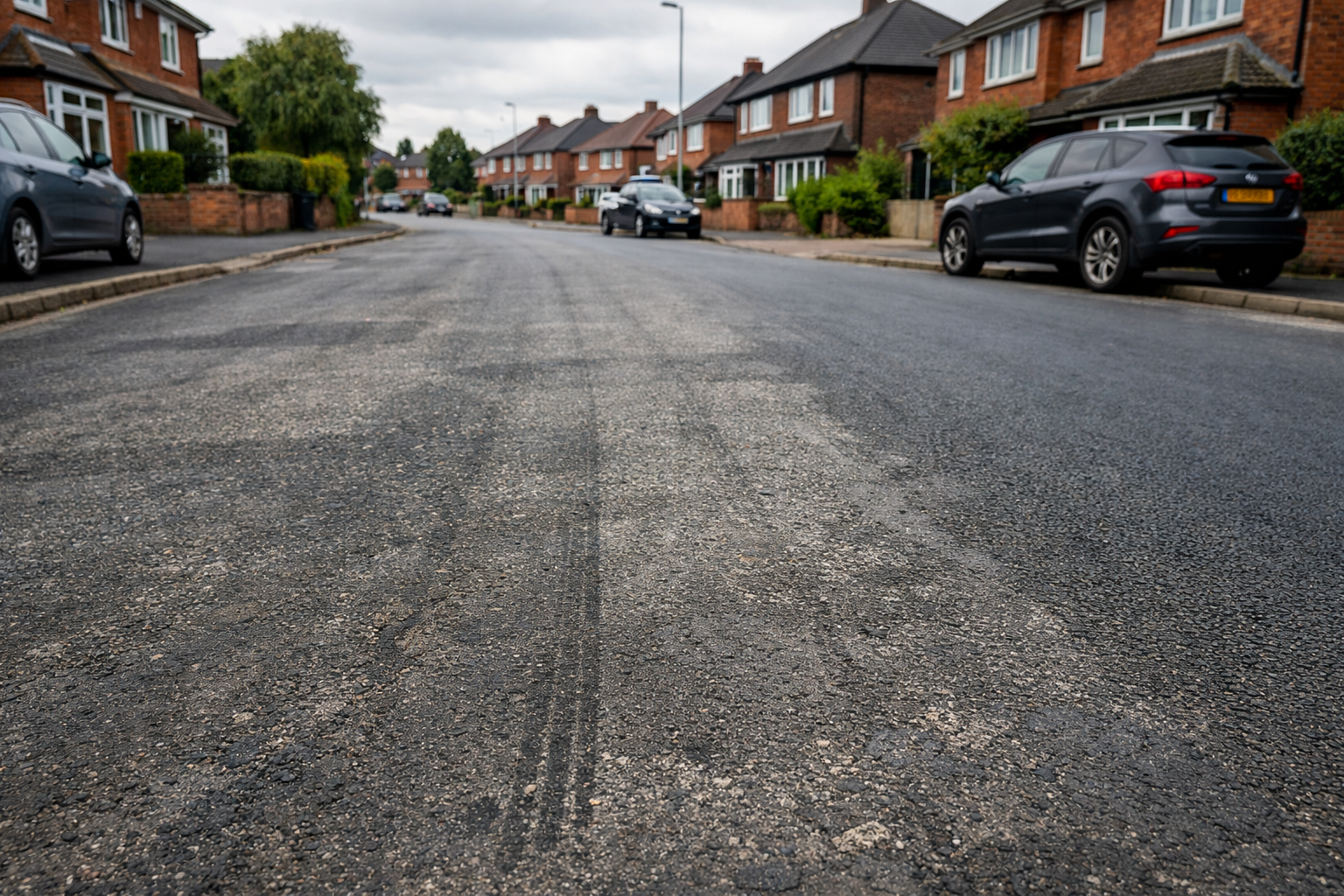
It can be surprising to see a road that has only recently been resurfaced already showing signs of wear. For property owners, site managers, and developers, this raises understandable concerns about quality, durability, and long-term value. When newly surfaced roads look old, the issue is rarely cosmetic alone. Instead, it often points to deeper problems in planning, materials, installation, or environmental exposure.
In the UK, where weather conditions and usage demands can be unpredictable, achieving a long-lasting, visually consistent surface requires careful attention at every stage of the process. When any part of that process is compromised, early ageing becomes visible far sooner than expected.
The Role of Poor Surface Preparation
One of the most common reasons newly surfaced roads deteriorate quickly is inadequate preparation of the existing ground. The foundation beneath the surface plays a critical role in how the finished road performs over time.
If the sub-base is unstable, poorly compacted, or uneven, the surface layer will reflect those weaknesses. This can result in early cracking, dips, and a worn appearance even within months of completion. Proper preparation ensures that the load-bearing capacity of the road is sufficient to handle traffic without shifting or settling.
Professional contractors offering tarmac installation understand that preparation is not simply a preliminary step but the foundation of the entire project. Skipping or rushing this stage often leads to visible defects that make a new road look prematurely aged.
Inconsistent Material Quality
The quality of materials used in road surfacing has a direct impact on both appearance and longevity. Not all asphalt or tarmac mixes are created equal, and using lower-grade materials can result in surfaces that fade, crack, or wear unevenly.
A high-quality mix is designed to withstand traffic loads, temperature changes, and water exposure. When inferior materials are used, the surface may lose its uniform colour quickly, develop loose aggregate, or begin to break down under normal use.
This is particularly noticeable in commercial environments where traffic levels are higher. Without the right specification, even a newly laid surface can begin to show signs of ageing almost immediately.
Poor Installation Techniques
Even with the right materials and preparation, poor workmanship can significantly affect the final result. The process of laying and compacting the surface must be carried out with precision to achieve a smooth, durable finish.
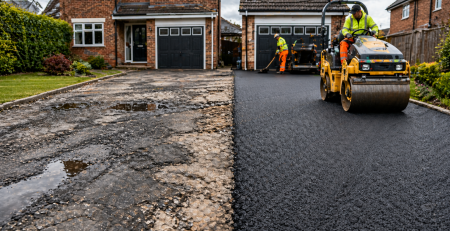
Inconsistent rolling, incorrect temperature during laying, or uneven distribution of material can all lead to visible imperfections. These may include patchy colouring, surface segregation, or uneven textures that give the impression of an older road.
Using advanced methods such as machine laid tarmac helps ensure a consistent finish across the entire surface. This approach reduces human error and creates a more uniform appearance, which is essential for both aesthetics and durability.
Weather Conditions During Installation
The UK climate presents unique challenges for road surfacing projects. Temperature, moisture, and timing all influence how well a surface sets and bonds.
If surfacing is carried out in cold or wet conditions, the material may not compact properly. This can weaken the structure and lead to early wear. Rain during installation can also affect the bonding process, resulting in a surface that lacks cohesion.
Even if the road appears acceptable immediately after completion, these underlying issues often become visible over time. Fading, cracking, and surface degradation may occur much sooner than expected, making the road look older than it is.
Drainage Issues and Water Damage
Water is one of the most damaging elements for any road surface. Without proper drainage, water can accumulate on or beneath the surface, leading to structural problems.
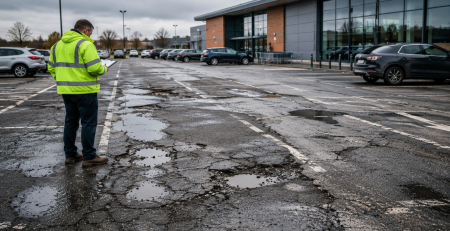
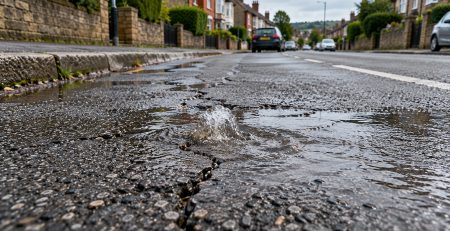
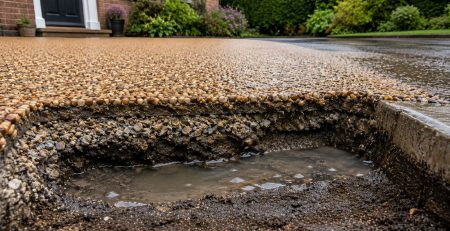
Standing water accelerates wear by weakening the binder in asphalt and increasing the risk of cracking. Over time, this can result in potholes, surface erosion, and discolouration.
Subsurface water is equally problematic. If drainage systems are not properly designed or installed, water can infiltrate the foundation layers, causing movement and instability. This often manifests as dips, cracks, and uneven surfaces that contribute to an aged appearance.
Traffic Load and Usage Patterns
Not all roads are subjected to the same level of use. A surface designed for light residential traffic may struggle under the demands of heavy commercial vehicles.
When traffic loads exceed the design capacity of the road, wear occurs more rapidly. This includes rutting, surface deformation, and aggregate loss. Even if the road is newly surfaced, these effects can make it appear significantly older.
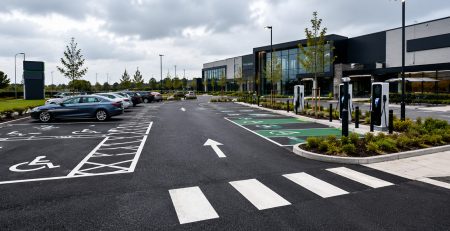
High-traffic areas require specialised solutions, often provided by experienced commercial surfacing contractors, who understand how to match materials and construction methods to usage demands.
Lack of Post-Installation Care
The condition of a road surface does not depend solely on how it is installed. Ongoing care and maintenance play a vital role in preserving its appearance and performance.
Newly surfaced roads still require time to fully settle and cure. During this period, excessive traffic or neglect can cause early damage. Without proper care, small imperfections can quickly develop into more noticeable issues.
Regular inspections and timely repairs help maintain the integrity of the surface. Addressing minor defects early prevents them from escalating into larger problems that affect both appearance and safety.
Oxidation and Natural Ageing Processes
Even when a road is installed correctly, natural ageing processes begin immediately. Oxidation occurs when the binder in asphalt reacts with oxygen, causing the surface to lose its rich black colour and become grey over time.
While this is a normal process, it can be accelerated by environmental factors such as UV exposure, pollution, and temperature fluctuations. In some cases, this leads to a faded appearance much sooner than expected.
Although oxidation does not necessarily indicate structural failure, it can contribute to the perception that a road is older than it actually is.
The Impact of Cost-Cutting Measures
Budget constraints often influence decisions in construction projects. However, reducing costs at the expense of quality can lead to long-term issues.
Using thinner layers, skipping essential preparation steps, or selecting cheaper materials may lower initial costs but often results in premature deterioration. This not only affects the appearance of the road but also increases the likelihood of costly repairs.
Investing in quality from the outset is generally more cost-effective over time, as it reduces the need for frequent maintenance and resurfacing.
How to Prevent Newly Surfaced Roads from Looking Old
Achieving a long-lasting, visually appealing road surface requires a comprehensive approach. Every stage of the process must be carefully planned and executed to ensure optimal results.
Working with experienced professionals is essential. Contractors who prioritise quality, use appropriate materials, and follow best practices are more likely to deliver surfaces that maintain their appearance over time.
In addition, selecting the right type of surfacing for the specific environment and usage ensures that the road can withstand the demands placed upon it. This includes considering factors such as traffic levels, drainage requirements, and local climate conditions.
Long-Term Value of Proper Road Surfacing
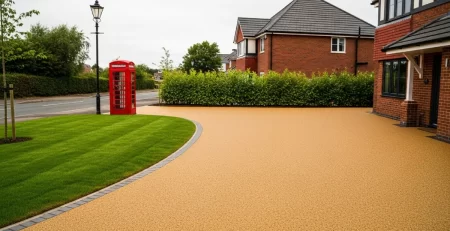
When done correctly, road surfacing provides significant long-term benefits. A well-constructed surface not only looks better but also performs more effectively, offering improved safety and reduced maintenance costs.
For property owners and site managers, this translates into better value and fewer disruptions. A road that maintains its appearance reflects positively on the overall property, whether it is a commercial site, residential development, or public space.
Understanding why newly surfaced roads look old is the first step in avoiding these issues. By addressing the root causes and prioritising quality, it is possible to achieve results that stand the test of time.