Why Your Car Park Keeps Cracking (And How to Fix It)
Car park cracking is a common issue across the UK, particularly in commercial and high-traffic environments. While cracks may initially appear minor, they often indicate underlying structural problems that can worsen over time. Understanding the root causes is essential for property owners and site managers who want to maintain a safe and professional surface.
In most cases, cracking does not happen randomly. It is usually the result of stress within the surface or failure beneath it. Whether the issue stems from poor installation, environmental factors, or ongoing wear and tear, the visible cracks are often only a symptom of deeper problems.
The Role of Ground Preparation
Poor Sub-Base Installation
One of the most significant contributors to car park cracking is inadequate ground preparation. The sub-base provides the foundation for the entire surface, and if it is not properly compacted or constructed using the correct materials, the surface above will inevitably fail.
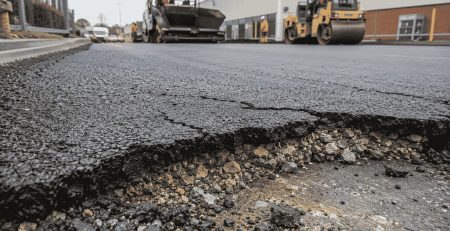
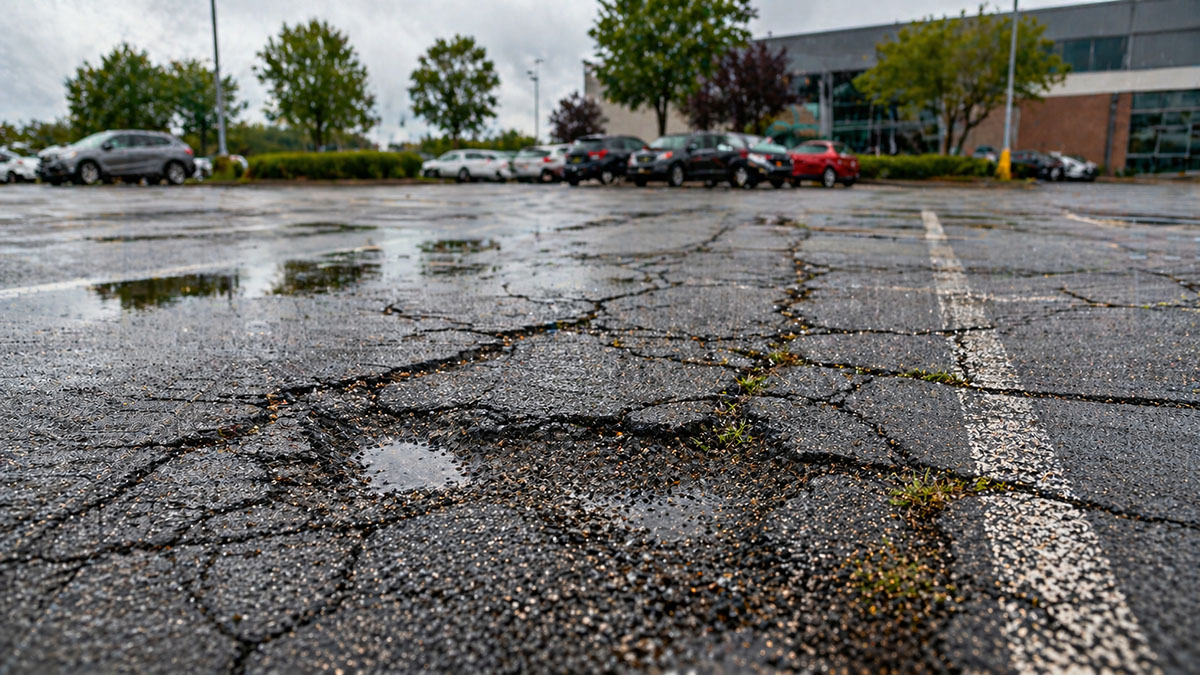
When the sub-base is weak or uneven, it cannot distribute the weight of vehicles effectively. This leads to pressure points, which eventually cause the surface to crack. Over time, these cracks can expand and develop into potholes, creating both safety hazards and costly repair requirements.
Proper preparation is a fundamental part of any tarmac installation, ensuring that the surface remains stable and durable for years to come.
Soil Movement and Settlement
Natural ground movement is another factor that often leads to cracking. In areas where soil expands and contracts due to moisture changes, the surface above is subjected to constant stress. This is particularly relevant in the UK, where weather conditions frequently shift between wet and dry.
As the ground settles unevenly, cracks begin to form in the surface layer. These cracks may start small but can quickly worsen if not addressed early.
The Impact of Traffic Load
Heavy Vehicle Use
Car parks that experience regular use by heavy vehicles are far more likely to develop cracks. Delivery vans, lorries, and service vehicles place significantly more stress on the surface compared to standard cars.
If the car park was not originally designed to handle this level of traffic, the surface will begin to deteriorate. Over time, repeated loading and unloading cycles weaken the structure, leading to visible cracking.
Commercial environments often benefit from working with experienced commercial surfacing contractors who understand how to design surfaces capable of handling heavy usage.
Constant Wear and Tear
Even without heavy vehicles, consistent daily use can gradually wear down a car park surface. The repeated movement of vehicles causes friction and stress, which can eventually lead to cracking, especially if maintenance has been neglected.
Weather and Environmental Factors
Freeze-Thaw Cycles
The UK climate plays a major role in car park cracking. One of the most damaging processes is the freeze-thaw cycle. Water seeps into small cracks or porous areas of the surface, and when temperatures drop, the water freezes and expands.
This expansion forces the cracks to widen. When the ice melts, it leaves behind larger gaps, allowing even more water to enter. Over time, this cycle accelerates the deterioration of the surface.
Water Drainage Issues
Poor drainage is another leading cause of cracking. When water is allowed to accumulate on the surface or beneath it, it weakens the structure over time. Standing water can penetrate the surface, erode the sub-base, and create instability.
Effective drainage design is essential in preventing these issues. Without it, even a well-installed surface can fail prematurely.
Material Quality and Installation Standards
Low-Quality Materials
Using substandard materials during construction is a common reason why car parks begin to crack earlier than expected. Inferior asphalt or tarmac mixtures may not have the strength or flexibility required to withstand environmental and traffic-related stresses.
High-quality materials are specifically designed to accommodate slight movements and resist cracking, making them a critical investment for long-term performance.
Poor Workmanship
Even with good materials, poor installation can lead to failure. Incorrect layering, insufficient compaction, or rushed work can all compromise the integrity of the surface.
Choosing experienced professionals for machine lay tarmac ensures a consistent, well-compacted finish that significantly reduces the risk of cracking.
Early Signs of Car Park Cracking
Recognising the early warning signs can help prevent more serious damage. Small surface cracks, slight depressions, or areas where water begins to pool are often indicators of underlying issues.
Addressing these problems early can save considerable time and expense. Ignoring them, on the other hand, allows the damage to spread and may eventually require full resurfacing.
How to Fix Car Park Cracking
Crack Filling and Surface Repairs
For minor cracks, targeted repairs can be highly effective. Crack filling involves sealing the damaged areas to prevent water ingress and further deterioration. This approach is suitable when the underlying structure is still sound.
In some cases, surface patching may also be required to restore the affected areas. Professional pothole repairs can address localised damage and improve overall surface integrity.
Resurfacing the Car Park
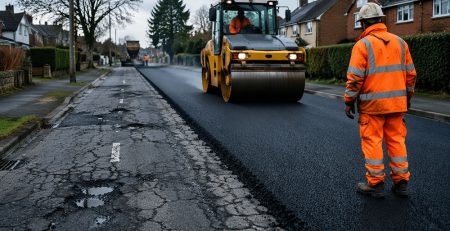
When cracking is widespread, resurfacing is often the most practical solution. This involves applying a new layer over the existing surface, provided the base is still stable.
Resurfacing not only eliminates visible cracks but also restores the appearance and functionality of the car park. It is a cost-effective alternative to full reconstruction in many situations.
Full Reconstruction
In severe cases where the sub-base has failed, a complete rebuild may be necessary. This involves removing the existing surface, addressing the underlying issues, and installing a new structure from the ground up.
While this option requires a greater investment, it provides a long-term solution and ensures the car park meets modern performance standards.
Preventing Future Cracking
Regular Maintenance
Ongoing maintenance is one of the most effective ways to prevent cracking. Routine inspections allow property owners to identify and address minor issues before they escalate.
A proactive approach to maintenance helps extend the lifespan of the surface and reduces the likelihood of costly repairs.
Proper Drainage Design
Ensuring that water is effectively managed is critical. Well-designed drainage systems prevent water from accumulating on or beneath the surface, reducing the risk of structural damage.
Choosing the Right Contractor
The quality of installation plays a crucial role in long-term performance. Working with experienced professionals ensures that every stage of the process, from preparation to finishing, is completed to a high standard.
Reputable contractors also provide guidance on materials, design, and maintenance, helping property owners make informed decisions.
The Importance of Professional Surfacing
Car park cracking is not just a cosmetic issue. It can affect safety, accessibility, and the overall impression of a property. For commercial sites, a damaged car park may also impact customer experience and operational efficiency.
Investing in professional surfacing services ensures that the car park is built to withstand the demands placed upon it. Whether it involves repairs, resurfacing, or a full installation, expert input is essential for achieving reliable and long-lasting results.
Property owners looking to improve their surfaces can explore services offered by Total Surfacing Solutions to ensure high standards and durable outcomes.
Long-Term Value of Addressing Cracks Early
Dealing with cracks at an early stage is always more cost-effective than waiting for the problem to worsen. Small repairs are relatively simple, but once the damage spreads, the required work becomes more extensive.
By understanding the causes of car park cracking and taking timely action, property owners can protect their investment and maintain a safe, functional environment.
Ultimately, a well-constructed and properly maintained car park not only performs better but also reflects positively on the property as a whole.