Business Park Road Surfacing Maintenance Guide
A business park road usually fails slowly before anyone takes it seriously. Small cracks, blocked drains, faded markings, and shallow potholes can turn into unsafe access routes, tenant complaints, and costly repairs. The serious action is simple: inspect early, control water, repair defects properly, and schedule work before disruption becomes unavoidable.
This Business park road surfacing maintenance guide gives site managers a practical way to read the surface, decide what matters first, and plan repairs with less downtime.
Need safer, cleaner, and longer-lasting access routes? Explore our business park road surfacing support to keep your site surface planned, practical, and professional.
Business Park Road Surfacing Maintenance Guide
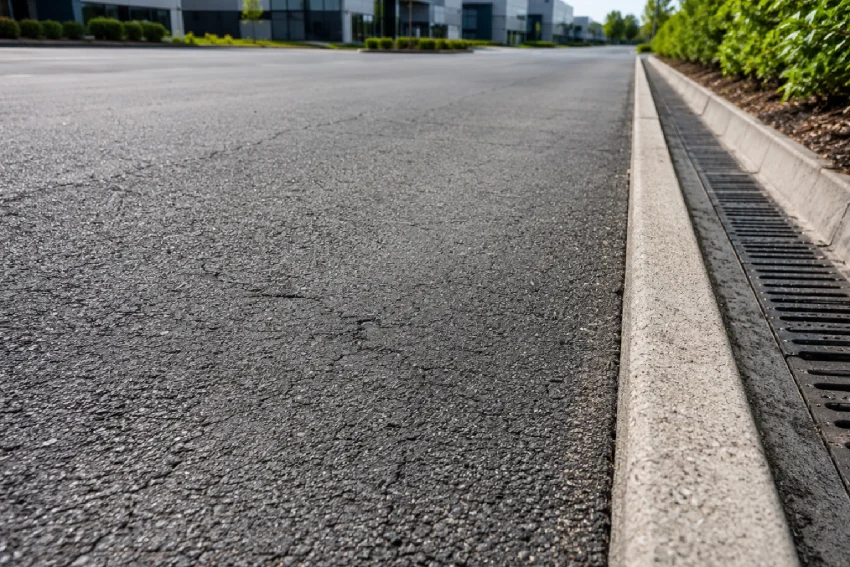
Business park surfacing maintenance works best when it is split into Inspection & Assessment, Routine Preventative Maintenance, and Periodic Surface Treatments and Safety & Compliance. These three parts stop managers from treating every defect as the same problem.
Inspection & Assessment means reading the site before choosing a repair.
Look at cracks, potholes, ponding, rutting, failed edges, traffic flow, and loading zones.
Routine Preventive Maintenance means acting before deep failure starts.
This includes drain clearing, crack sealing, stain removal, sweeping, and minor patching.
Periodic Surface Treatments and Safety & Compliance means planning larger works.
This includes resurfacing, overlays, line marking, pedestrian routes, warning signs, and phased access control.
A strong maintenance plan does not start with the visible pothole.
It starts with the reason the pothole formed.
That reason is often water, weak base, heavy turning loads, poor compaction, or delayed repairs.
What must the first inspection confirm?
A first inspection should decide whether the road is still in a maintenance stage or has entered a resurfacing stage. This avoids wasting money on surface patching where deeper failure is already active.
Check these items first:
- Surface cracks across access roads
- Potholes near entrances and junctions
- Standing water after rainfall
- Rutting in wheel paths
- Loose surface stones
- Sunken utility trenches
- Faded arrows and bay lines
- Blocked gullies and channels
- Broken kerb edges
- Oil and diesel contamination
If the damage is isolated, targeted repair may work.
If the damage repeats across the same zone, the base or drainage may need attention.
The First Thirty Minute Site Read
A proper site read prevents guesswork. The first walkaround should show where water sits, where heavy vehicles turn, where pedestrians cross, and where surface failure is spreading beyond normal wear.
Start at the entrance.
This area usually carries the most turning, braking, and first impression pressure.
Then follow the road in the same direction as daily traffic.
Look for changes in surface texture, wheel path shape, and drainage flow.
Use this simple site reading order:
| Inspection Point | What to Look For | Why It Matters |
| Main entrance | Rutting, cracks, loose edges | High traffic and turning stress |
| Delivery route | Depressions, oil, broken patches | Heavy vehicles weaken weak areas |
| Loading bay | Surface shoving, stains, ponding | Braking and reversing cause stress |
| Car park lanes | Potholes, fretting, faded lines | Affects daily user safety |
| Pedestrian crossings | Worn markings, uneven surface | Safety and access risk |
| Drainage channels | Blockage, silt, standing water | Water damages the foundation |
| Previous patches | Cracking around repair edges | Shows poor bond or base movement |
Do not inspect only in dry weather.
A wet weather review exposes low spots, blocked falls, and drainage failure.
If a road looks acceptable when dry but holds water after rain, the maintenance risk is already active.
For related surface condition checks, the article on yard surfacing condition factors can support deeper inspection planning for heavy-use commercial areas.
Drainage Clues Before Surface Repairs
Drainage is the first real test of a business park road. If water cannot leave the surface cleanly, crack sealing, patching, and resurfacing will struggle to last.
Water enters through cracks.
It weakens the lower layers and allows traffic to break the surface faster.
On business parks, drainage failure often appears near:
- Entrance slopes
- Loading bays
- Kerb edges
- Low car park lanes
- Old patch repairs
- Blocked gullies
- Sunken trenches
- Areas under tree debris
The most important question is simple.
Where does the water go after heavy rain?
If the answer is “nowhere,” the surface is already under pressure.
Drainage action sequence
Use this order before starting any surface repair:
- Clear gullies and channels
- Check falls and cambers
- Mark ponding areas after rainfall
- Inspect cracks beside standing water
- Check whether kerbs trap runoff
- Confirm water is not flowing into pedestrian zones
- Repair low spots before sealing the surface
A surface can look tired because it is old.
It can also look tired because it is wet from below.
Those are different problems and need different repair decisions.
Where permeable surfacing is part of a site design, the permeable resin surface guide gives useful context on water movement through suitable surface systems.
Crack Control Before Water Gets In
Cracks are not just a visual defect. They are the opening point for water, frost damage, base softening, and pothole formation.
Early cracks should be cleaned and sealed before they widen.
Once the edges break, simple sealing may no longer be enough.
A crack should be assessed by:
- Width
- Depth
- Pattern
- Moisture
- Traffic position
- Nearby drainage
- Movement around edges
Straight, narrow cracks may suit sealing.
Wide, broken, repeated cracks may show deeper movement.
Crack types worth recording
| Crack Type | Likely Meaning | Maintenance Decision |
| Fine linear crack | Early surface ageing | Clean and seal |
| Edge crack | Weak shoulder or kerb support | Reinforce edge |
| Alligator pattern | Base or fatigue failure | Investigate deeper |
| Crack near drain | Water movement issue | Repair drainage first |
| Crack around old patch | Failed bond or movement | Cut and reinstate |
Do not seal over dirty cracks.
Loose material, moss, water, and oil reduce the bond.
This is where surface preparation matters.
Cleaning, drying, cutting, priming, and compaction decide how long the repair performs.
For deeper crack causes, use the asphalt fatigue damage guide as a supporting read.
Pothole Repairs That Do Not Return
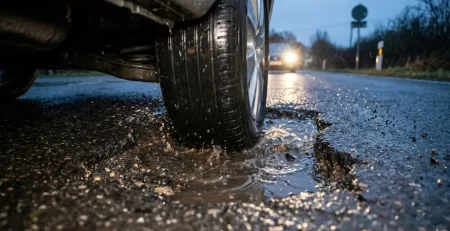
A pothole is rarely the first problem. It is usually the final sign of water entry, weak base, failed patching, or repeated traffic stress.
Fast filling may make the road look better for a short time.
But recurring potholes need proper preparation and compaction.
A durable pothole repair usually needs:
- Square cut edges
- Loose material removed
- Clean and dry repair area
- Tack coat where needed
- Correct asphalt material
- Layered compaction
- Sealed edges
- Drainage issue checked
A shallow cold fill may be useful as a short-term safety action.
It should not become the long-term repair plan for busy access roads.
Pothole priority chart
| Priority | Location | Action |
| High | Entrance, crossing, loading bay | Repair quickly and inspect base |
| High | Delivery route or turning area | Use stronger repair depth |
| Medium | Car park lane | Patch before edges spread |
| Medium | Isolated bay defect | Monitor and repair in planned batch |
| Low | Cosmetic surface mark | Record and review later |
If a pothole returns in the same place, stop patching the top only.
Check the drainage, foundation, and traffic load.
For repair strength below the visible surface, the road surface foundation basics article is closely related.
Loading Bays Need Deeper Checks
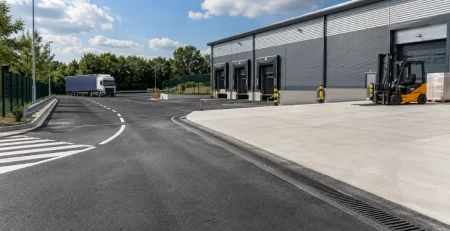
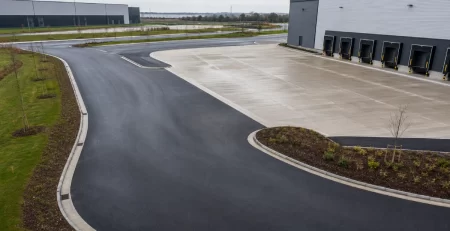
Loading areas fail faster because they do harder work. A van lane may carry movement, but a loading bay carries turning, braking, reversing, standing loads, and oil contamination.
These areas need more than a quick surface look.
They need deeper Inspection & Assessment.
Watch for:
- Rutting in wheel paths
- Surface shoving near turning points
- Cracked patch edges
- Oil and diesel stains
- Depressions near dock areas
- Broken kerb lines
- Ponding beside loading doors
- Loose asphalt from tyre scrubbing
Heavy vehicle stress pulls at the surface.
If the base is weak, the surface will keep moving.
Where commercial loads are part of the site, maintenance should not copy a light-use car park repair.
The material depth and preparation must match the actual vehicle pressure.
In Bedfordshire business parks with mixed car and delivery traffic, planned surface decisions can connect naturally with resin bound driveways in Bedfordshire where surface finish and practical access planning matter together.
Markings Are Part of Maintenance
Line markings are not decoration. They guide traffic flow, parking behaviour, pedestrian movement, fire access, loading zones, and visitor safety.
Faded markings create confusion before they create complaints.
That is why they belong inside the maintenance plan.
Check these markings during every site review:
- Parking bays
- Direction arrows
- Pedestrian crossings
- Disabled bays
- Loading bays
- No parking areas
- Fire access routes
- Speed control markings
- Give way markings
- Visitor route signs
A newly repaired surface with unclear markings still feels unfinished.
Drivers need a simple route and pedestrians need clear separation.
Marking review table
| Marking Area | Risk When Faded | Maintenance Action |
| Bay lines | Poor parking control | Refresh lines |
| Crossings | Pedestrian confusion | Re-mark clearly |
| Arrows | Wrong direction movement | Reinstate flow markings |
| Loading bays | Blocked deliveries | Refresh bay boundary |
| Fire routes | Access obstruction | Keep visible and clear |
| Disabled bays | Access complaints | Re-mark symbols and borders |
This section is also where property managers often delay action.
Many only notice faded lines after a tenant complaint, inspection concern, or access issue.
In Oxford, where mixed commercial and visitor access can make markings more important, resin bound driveways in Oxford can be used as a related surface planning reference.
Planned Works Without Tenant Disruption
Business park surfacing must protect access while repairs happen. The goal is not only a better road, but a controlled repair process that tenants can work around.
Most disruption comes from poor planning.
Tenants need to know where to park, where deliveries go, and which routes are open.
A phased maintenance plan should include:
- Site map with work zones
- Tenant notice period
- Alternative parking route
- Delivery window planning
- Emergency access route
- Pedestrian diversion route
- Temporary signs and barriers
- Out of hours repair options
- Reopening times by zone
Do not close the most important access route without a traffic plan.
A quiet resurfacing job can quickly become a tenant problem. For large sites, the contractor should understand live-site sequencing.
That means repairing the road without making the business park feel closed.
If the site includes estate-style access roads, the estate road development guide is a useful internal support topic.
When does Patching Stops Making Sense?
Patching is useful when defects are local. It becomes poor value when the surface is failing across a wider area or the same repairs keep returning.
A site may need resurfacing when the road shows:
- Widespread cracking
- Repeated potholes
- Loose aggregate across large areas
- Failed patch edges
- Drainage-related surface movement
- Uneven running levels
- Heavy rutting in traffic lanes
- Surface age beyond minor treatment stage
The key test is pattern.
One pothole is a repair issue.
Many connected defects are a condition issue.
When damage spreads, an overlay or resurfacing plan may protect the business park better than another round of small patches.
For Cambridgeshire sites where surface choice, drainage, and long-term access need to be considered together, link readers to resin bound driveways in Cambridgeshire.
For Essex business sites with visible surface wear or car park access pressure, resin bound driveways in Essex can be positioned as a related surface option.
For Hertfordshire sites with business park roads, loading zones, and car park lanes, resin bound driveways in Hertfordshire can support area-focused surfacing decisions.
Maintenance Timing Table
Timing keeps maintenance from becoming emergency work. A clear schedule helps property managers budget earlier, group repairs, and avoid rushed decisions after complaints.
Use this practical timing guide:
| Timing | Maintenance Focus | Main Purpose |
| Monthly | Quick visual road check | Spot new defects early |
| After heavy rain | Drainage and ponding review | Find low spots and blockages |
| Every 6 months | Full surface inspection | Record cracks, rutting, markings |
| Annually | Crack sealing and patch planning | Stop small defects spreading |
| Every 2 to 3 years | Marking and safety review | Keep traffic flow clear |
| Every 3 to 5 years | Surface treatment review | Protect surface condition |
| When defects connect | Resurfacing assessment | Stop repeated repair cycles |
This table is not a fixed rule for every site.
Traffic load, surface age, drainage quality, and repair history can change the timing.
A business park with HGV movement needs closer checks than a low-use office estate.
A shaded, wet, tree-lined site also needs more drainage attention.
Where resin surfaces are part of the estate, use the resin driveway maintenance routine and resin surface preparation method as supporting maintenance reads.
For Bedfordshire sites with repeated surface condition issues, a second contextual link to resin bound driveways in Bedfordshire fits naturally inside surface planning.
Business Park Road Surfacing Maintenance Area Coverage
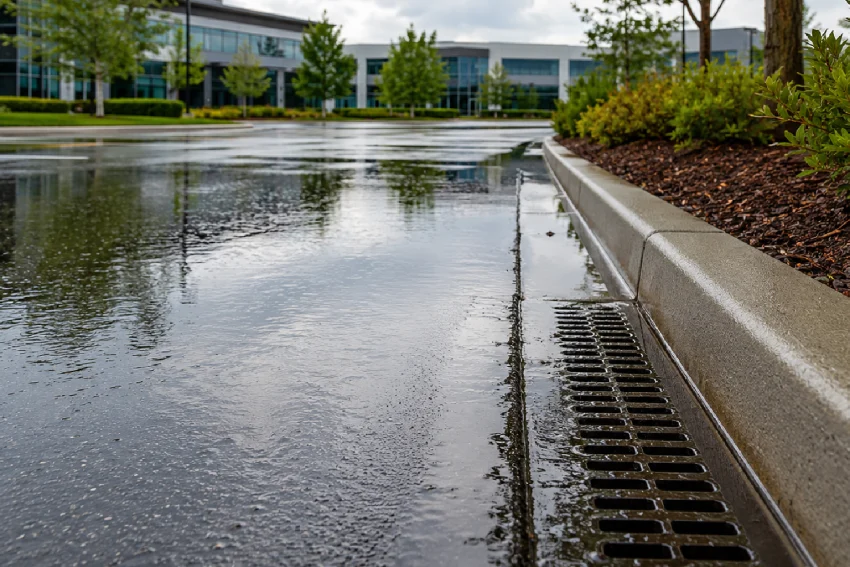
Business park road surfacing maintenance changes by area, site layout, traffic type, and surface condition. These local links help readers move from general guidance to area-specific surfacing information.
Business Park Road Maintenance In Bedfordshire
Bedfordshire business parks can include mixed access roads, staff parking, light industrial units, and delivery areas. Maintenance should focus on potholes, drainage, parking lanes, and surface wear around entrances. For driveway and surface planning in the area, see resin driveways in Bedfordshire.
Oxford Business Park Road Maintenance
Oxford sites often need careful access planning because business parks can combine offices, visitors, delivery vehicles, and limited parking movement. Clear markings and phased repair work are especially important. For surface style and area-specific driveway information, see natural stone resin driveways in oxford.
Business Park Road Maintenance In Cambridgeshire
Cambridgeshire business parks may need maintenance around open access roads, industrial entrances, and parking routes. Wet-weather checks can help identify drainage pressure before potholes spread. For area-specific surface information, see perfect resin driveways in Cambridgeshire.
Essex Business Park Road Maintenance
Essex business sites can face daily vehicle movement, visitor parking pressure, and surface wear around busy access roads. For related area surface information, see smooth resin driveways in essex. Maintenance should focus on surface texture, drainage, and line clarity.
Business Park Road Maintenance In Hertfordshire
Hertfordshire business parks often need planned maintenance across car parks, internal roads, entrances, and loading areas. Early inspections help reduce disruption and protect road appearance. For local driveway and surfacing context, see stone and resin driveways in Hertfordshire.
For Bedfordshire readers comparing car park and access route surfacing, a final useful link is resin bound driveways in Bedfordshire.
Business Park Road Surfacing Maintenance Guide: Resin Driveways Area Coverage
Resin driveways can be a useful surface option for properties that need cleaner access, stronger kerb appeal, and easier long-term maintenance alongside wider surface planning. Rain, frost, humidity, heat, drainage pressure, vehicle movement, local property type, and seasonal maintenance challenges can all affect how well a driveway or access surface performs over time.
Resin Driveways in Bedfordshire
Bedfordshire properties often deal with regular rainfall, winter frost, shaded damp areas, and everyday vehicle use from family homes, village properties, and suburban driveways. Older concrete, gravel, paving, or tired asphalt can become uneven, stained, or harder to maintain when water and traffic pressure are not managed properly. For homeowners who want a cleaner finish with stronger kerb appeal and easier long-term maintenance, resin driveways in Bedfordshire can be a practical local upgrade.
Resin Driveways in Cambridgeshire
Cambridgeshire driveways often need careful surface planning because flat ground, rainwater movement, seasonal dampness, surface dust, and drainage pressure can affect long-term performance. Rural homes, new-build estates, and larger residential properties may need a driveway surface that looks neat while handling everyday access and changing weather. For properties where old paving, concrete, or gravel no longer performs well, resin driveways in Cambridgeshire can help improve appearance and usability.
Resin Driveways in Essex
Essex homes may face rain, summer heat, coastal air in some areas, surface dust, tyre marks, and strong kerb appeal expectations from commuter homes, family properties, rental homes, and coastal residences. Salt air, moisture, and frequent vehicle use can make older driveways look faded, stained, or difficult to keep clean over time. For homeowners who want a cleaner and more durable surface option, resin driveways in Essex can offer a strong local driveway solution.
Resin Driveways in Hertfordshire
Hertfordshire driveways are often expected to look smart, clean, and suitable for high-value commuter homes, family properties, and well-kept residential streets. Rain, frost, shaded entrances, moss growth, regular parking, and vehicle pressure can make old concrete, tarmac, block paving, or gravel look tired over time. For homeowners who want a decorative finish that supports kerb appeal while reducing maintenance pressure, resin driveways in Hertfordshire can be a reliable local upgrade.
Resin Driveways in Oxford
Oxford properties include period homes, townhouses, modern driveways, student rentals, and visitor-heavy residential areas where driveway appearance can strongly affect first impressions. Rain, frost, humidity, shaded entrances, moss, and regular foot or vehicle traffic can make older surfaces slippery, stained, or uneven. For homeowners who want a finish that suits local property character while supporting drainage, safety, and easier maintenance, resin driveways in Oxford can be a dependable choice.
Final Maintenance Decision Checklist
A good business park road maintenance plan should make the next action obvious. It should tell the manager what needs monitoring, what needs repair, and what needs resurfacing.
Use this checklist before approving works:
- Has the site been checked in dry and wet weather?
- Are blocked drains or ponding areas recorded?
- Are cracks narrow enough for sealing?
- Are potholes isolated or repeated?
- Are loading bays showing deeper rutting?
- Are previous patches failing at the edges?
- Are markings clear enough for users?
- Is pedestrian movement separated from traffic?
- Can works be phased without blocking tenants?
- Is resurfacing more logical than patching?
- Are photos and defect locations recorded?
- Has the maintenance plan been budgeted early?
The right decision is not always the largest repair.
It is the repair that matches the defect, the traffic load, and the future use of the site.
A business park road should be safe, clear, drained, and predictable.
That is the real goal of maintenance.
For broader surface information, Total Surfacing Solutions can be used as the main internal reference point.
FAQs
What is the biggest warning sign after rain?
Standing water is the key warning sign. It shows that the surface is not draining correctly, which can weaken lower layers and increase the risk of cracks, potholes, and failed patches.
Why do business park roads fail near entrances?
Entrances carry braking, turning, delivery access, visitor traffic, and repeated wheel pressure. These forces can loosen the surface faster than quieter internal routes, especially when drainage is poor.
Can a business park stay open during repairs?
Yes, if the work is phased correctly. Clear zones, temporary signs, tenant notices, and delivery planning help keep the site usable while selected areas are repaired or resurfaced.
What should be recorded before calling a contractor?
Record pothole locations, crack patterns, standing water areas, faded markings, traffic pressure points, failed patches, loading bay damage, and photos after rainfall. This makes the repair scope clearer.
Why do old patch repairs crack around the edge?
Patch edges crack when bonding, compaction, water control, or base support is weak. If the surrounding surface keeps moving, the repair edge becomes the next weak point.