How to Seal a Resin Driveway?
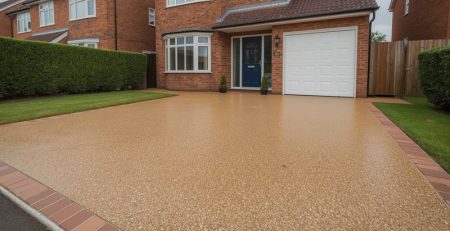
A resin driveway does not always need an additional protective sealer. Resin bound driveways contain natural stone aggregates held together with a resin binder. Applying an unsuitable coating could affect permeability, create uneven patches, or change the appearance of the existing surface. Choosing the correct sealing method begins with identifying the original resin system and assessing its condition.
Over time, dirt, moss, tyre marks, sunlight, and regular vehicle use may affect the driveway’s appearance. Some surfaces benefit from cleaning, while others may require specialist restoration or localised repairs. Resealing without checking the existing binder could leave the real problem untreated.
Total Surfacing Solutions supports residential and commercial surfacing projects across Hertfordshire, Bedfordshire, Oxford, Cambridgeshire, and Essex. Understanding resin driveway sealing, suitable materials, drying requirements, and long-term maintenance can help homeowners avoid unnecessary treatment and protect their outdoor surfaces.
Quick Check: If your resin driveway looks faded, dirty, or damaged, inspect it before applying a coating. Total Surfacing Solutions provides resin surfacing contractors for homeowners considering professional surfacing assessment, repair, or replacement.
How to Seal a Resin Driveway?
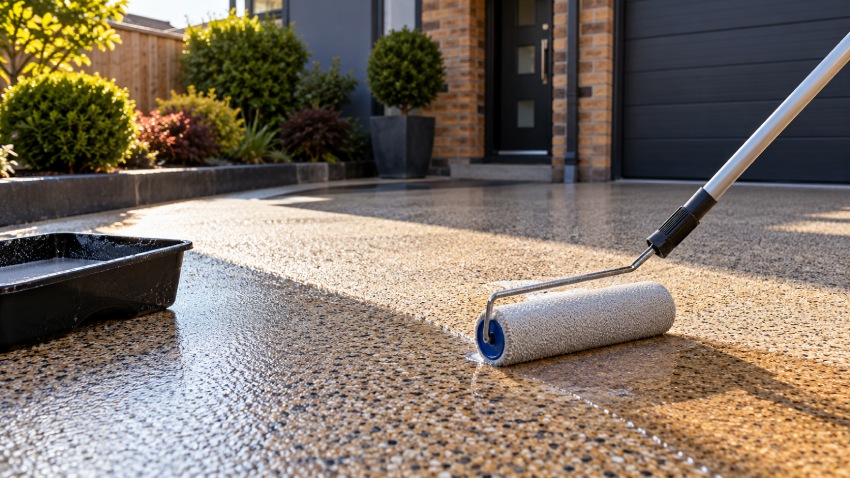
Sealing a resin driveway involves inspecting the existing surface, removing contamination, checking product compatibility, preparing the area, applying an approved treatment, and allowing sufficient curing time. However, not every resin bound driveway needs resealing, because the original binder already holds and protects the decorative aggregate.
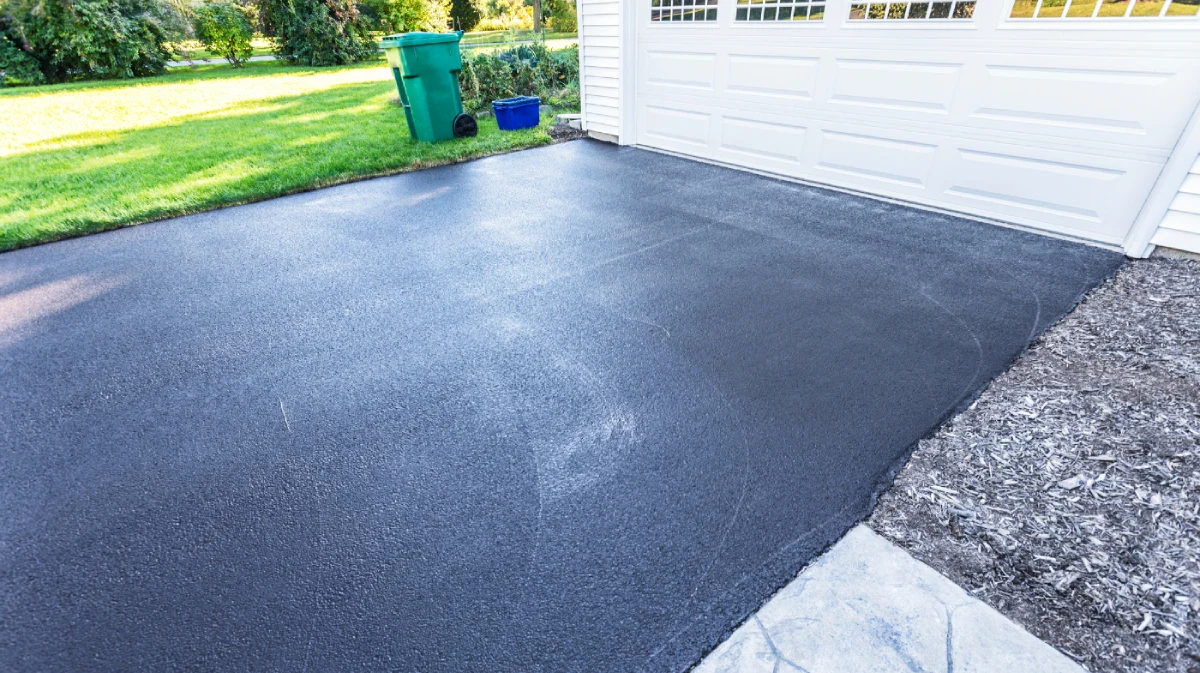
A suitable resin driveway sealer must work with the existing material and its drainage design. Some specialist rejuvenation coatings may improve appearance, while ordinary concrete or epoxy driveway sealers could be unsuitable for permeable resin bound surfaces.
Resin Driveway Sealing Process
| Step | What to Do | Why It Matters |
| Surface inspection | Check cracks, loose stones, and drainage | Identifies underlying damage |
| Cleaning | Remove dirt, moss, oil, and debris | Prepares the existing surface |
| Drying | Allow the driveway to dry thoroughly | Reduces moisture-related problems |
| Sealer selection | Confirm product compatibility | Protects the original resin system |
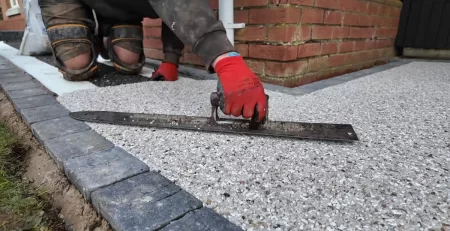
| Application | Follow manufacturer instructions | Supports consistent coverage |
| Curing | Restrict access until treatment cures | Prevents early surface damage |
Check the Existing Resin Surface
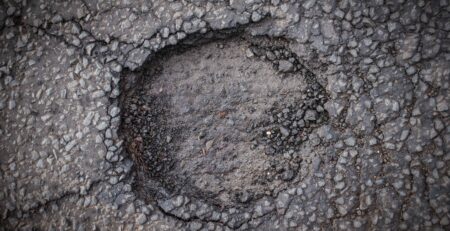
Start by examining the driveway for cracks, loose aggregate, discolouration, and damaged edges. A surface that looks faded may only need washing. However, exposed stones or crumbling patches may indicate deterioration of the binder.
The resin bound surface deterioration indicators explain common defects that should be investigated before adding another coating.
Check whether rainfall drains through the driveway or collects on the surface. Ponding may indicate blocked pores, inadequate drainage, or issues beneath the visible aggregate layer.
Confirm the Resin System Before Sealing
Resin bound and resin bonded driveways use different installation methods. Resin bound surfacing combines aggregate with resin before laying. Resin bonded surfacing normally involves applying loose aggregate over a resin-coated base.
These differences affect surface texture, drainage, and suitable maintenance treatments. A sealant intended for one system may not work correctly with another.
Total Surfacing Solutions provides resin bound driveway surfacing options where permeability, aggregate stability, and installation requirements need professional consideration.
Clean the Resin Driveway Before Sealing
Proper cleaning removes the contamination that may interfere with an approved resin coating. Leaves, moss, algae, soil, and tyre marks can collect across the driveway. These deposits may also prevent rainwater from moving freely through a permeable surface.
Begin by sweeping away loose material with a suitable brush. Remove leaves from edges, joints, and drainage openings. A garden hose and approved cleaning solution may be sufficient for ordinary dirt.
The resin driveway dirt removal procedure explains how surface preparation may help restore appearance before further treatment.
Remove Oil, Moss, and Stubborn Stains
Oil stains should be treated promptly because contamination can affect the appearance of decorative aggregate. Use a mild detergent approved for the resin system, followed by careful rinsing.
The driveway oil contamination cleaning methods provide additional information about treating affected surfaces before repairs or coating work.
Moss and algae may develop where organic debris remains damp. Remove these deposits with a suitable cleaning method rather than applying sealant over them.
Avoid aggressive solvents, unsuitable acids, and unapproved chemical treatments. Some substances could damage the existing resin binder or discolour the aggregate.
Can You Jet Wash a Resin Driveway?
Pressure washing may be suitable for some established resin bound surfaces. However, excessive pressure or a concentrated jet could loosen stones and damage weaker sections.
Where the manufacturer permits pressure washing, a controlled fan spray is generally preferable. The permitted pressure and nozzle distance depend on the installed system and its condition.
Total Surfacing Solutions offers resin driveway cleaning related services for appropriate outdoor surfaces requiring specialist preparation.
Allow the driveway to dry fully after washing. Water trapped within the aggregate structure may interfere with an additional coating.
Repair Resin Driveway Damage Before Sealing
A resin driveway coating cannot automatically repair structural damage. Cracks, loose aggregate, and localised settlement should be investigated before sealing begins.
Surface cracking may develop from movement beneath the driveway, inappropriate loading, installation defects, or deterioration of the existing system.
The resin aggregate cracking and colour deterioration information explains why visible changes should not always be treated as cosmetic issues.
Small defects may be suitable for localised repair with compatible materials. Larger areas of damage could require partial replacement or resurfacing.
Check Cracks and Unstable Areas
Inspect the edges, joints, and areas where vehicles regularly turn. Look for loose stones, widening cracks, or sections that feel unstable under normal use.
The driveway crack development prevention methods explain why early inspection matters before minor damage progresses.
Do not apply a sealer over an active crack or unstable base expecting it to hold the driveway together. The underlying defect should be addressed first.
Understand When Resurfacing Is Necessary
Severely damaged resin surfacing may need more than a new protective coating. Widespread aggregate loss, persistent movement, or significant drainage failure can indicate deeper problems.
Professional assessment may establish whether cleaning, specialist repair, or replacement is more appropriate.
Total Surfacing Solutions provides resin driveway installation options for properties where the existing finish requires more extensive work.
Choose the Correct Resin Driveway Sealer
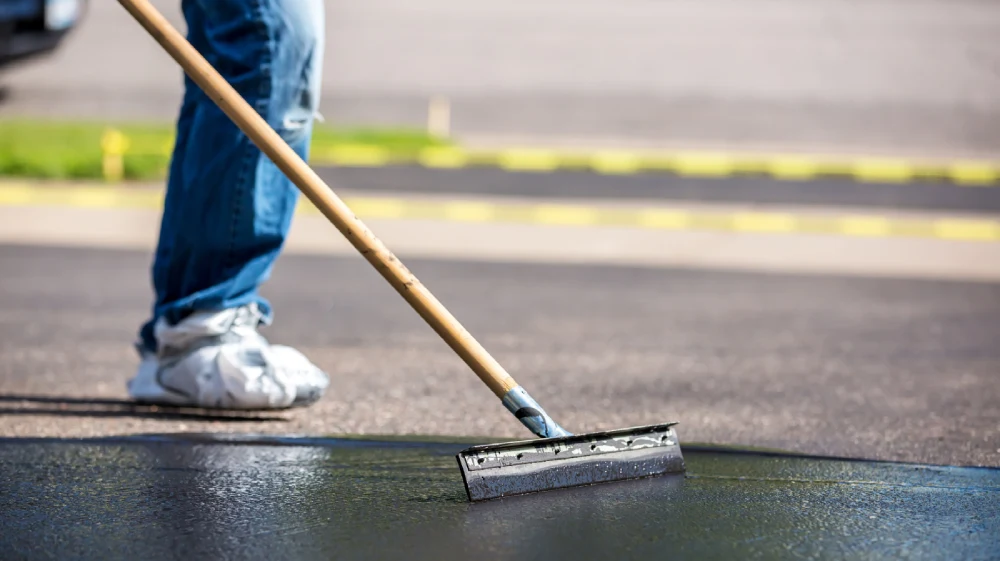
Choosing a resin driveway sealer requires understanding the original binder and the manufacturer’s maintenance guidance. Not every general-purpose driveway sealant is suitable for resin bound stone.
Some systems permit polyurethane-based rejuvenation treatments developed for compatible resin surfaces. These treatments may improve the appearance of an ageing finish when applied correctly.
Other products form a coating that could obstruct the open spaces between aggregate particles. This may reduce drainage performance on a permeable driveway.
Compare Resin Sealer Options
| Treatment Type | Intended Consideration | Important Check |
| Resin rejuvenation coating | May refresh an ageing resin finish | Confirm original system compatibility |
| Polyurethane-based sealer | May suit specified resin systems | Check formulation and technical guidance |
| Epoxy driveway coating | Often intended for other surface systems | Do not assume suitability |
| Concrete driveway sealer | Intended for concrete substrates | May be unsuitable for resin bound stone |
| General stone sealant | Designed for particular stone surfaces | Check permeability and binder compatibility |
Protect the Driveway’s Permeability
Permeable resin bound surfacing allows rainfall to pass through spaces between its aggregate particles. The underlying construction must also provide a suitable route for water.
A thick or unsuitable coating could restrict this movement. The resin bound surface permeability requirements explain why drainage depends on more than the visible finish.
If the driveway forms part of a SuDS drainage design, confirm that any new treatment maintains the intended system performance.
Avoid Choosing Products by Appearance Alone
A high-gloss finish may look attractive, but appearance should not determine sealer selection. Surface grip, drainage, durability, and manufacturer compatibility also matter.
Grey resin driveways, natural stone finishes, and coloured aggregate surfaces may react differently to clear coatings. A suitable test area may help identify appearance changes.
However, a successful visual test does not establish long-term adhesion or drainage suitability. Technical approval remains important.
Prepare the Driveway for Sealer Application
Preparation should begin only after the chosen treatment has been confirmed as compatible with the existing resin system.
Remove dust, loose stones, organic material, and cleaning residue. Check edges, drainage channels, and surface joints for trapped debris.
The resin driveway groundwork preparation considerations provide additional context about why suitable preparation supports long-term surfacing performance.
The driveway must meet the moisture and temperature requirements stated in the product instructions.
Check the Weather Before Sealing
Dry weather is important for many resin coating applications. Rain, condensation, frost, and excessive humidity may interfere with adhesion or curing.
Do not assume that a surface is ready simply because it looks dry. Water may remain within the aggregate structure or nearby joints.
The UK driveway sealing weather window explains why seasonal conditions affect driveway treatment planning.
Always use the selected product’s specified application temperature and weather restrictions.
Prepare Suitable Equipment
The equipment required depends on the approved sealer and its application method.
Common preparation items may include:
- Suitable brushes for surface cleaning
- Approved detergent and rinsing equipment
- Protective gloves and other required safety equipment
- Manufacturer-approved rollers or application tools
- Mixing equipment where specified
- Barriers to restrict pedestrian and vehicle access
Avoid buying a general DIY resin driveway kit without confirming that it is intended for maintenance coating rather than new surfacing installation.
Apply Resin Driveway Sealer Correctly
Once the surface is prepared, follow the selected product’s application instructions. Different resin coatings may have different mixing ratios, coverage requirements, working times, and curing conditions.
Do not use a universal coverage estimate for every resin driveway coating. Aggregate size, surface texture, existing absorption, and the treatment formulation may affect material requirements.
Follow the Approved Application Steps
- Inspect the clean and dry surface.
- Confirm that the product suits the existing resin binder.
- Check the application temperature and weather forecast.
- Prepare the material according to its instructions.
- Apply the treatment using the specified equipment.
- Maintain the required coverage without excessive pooling.
- Allow the coating to cure before reopening the driveway.
Important: A second coat should only be applied when the manufacturer specifies it. Excessive product application could change the surface texture or restrict drainage.
Avoid Common Resin Sealing Mistakes
| Common Mistake | Possible Problem | Better Approach |
| Sealing over dirt | Reduced adhesion | Clean before treatment |
| Applying to damp resin | Uneven curing | Confirm suitable dryness |
| Using an unsuitable coating | Discolouration or surface damage | Check compatibility |
| Applying too much sealer | Pooling or restricted drainage | Follow specified coverage |
| Ignoring cracks | Damage continues beneath coating | Repair first |
| Early vehicle access | Marks or disturbed coating | Wait for full curing |
How Long Does Resin Driveway Sealer Take to Dry?
The drying time depends on the approved product, coating thickness, temperature, humidity, and application conditions.
A surface that feels dry may not have achieved full curing. Drying refers to the visible or touch-dry condition, while curing describes the treatment reaching its intended performance.
The driveway sealing cure period assessment provides further information about factors that influence access restrictions.
When Can You Walk or Park on the Driveway?
Do not allow pedestrians or vehicles onto the treated driveway before the manufacturer permits access.
A maintenance coating may have different curing requirements from a newly installed resin bound surface. The timelines should not be treated as interchangeable.
The sealed driveway vehicle access requirements provide useful information about reopening treated areas.
Temporary barriers may help prevent accidental use during curing.
Maintain the Resin Driveway After Sealing
Regular care helps remove debris and identify emerging surface problems. A compatible protective coating does not eliminate the need for cleaning or inspection.
Sweep leaves and loose dirt away from the driveway. Clean spills promptly using appropriate products and inspect the drainage areas periodically.
The resin surface longevity care practices explain how ongoing attention may support better surface performance.
Total Surfacing Solutions offers resin driveway maintenance related surfacing options for homeowners seeking practical, manageable outdoor surfaces.
Prevent Unnecessary Surface Wear
Avoid dragging heavy objects across the resin finish. Excessive point loads from car jacks, skips, or construction equipment may damage surfaces not designed for them.
Turning vehicle wheels while stationary can also increase wear in heavily used areas.
Where temporary loads are unavoidable, appropriate load-spreading protection may be necessary. This should follow the original installation guidance.
When Should a Resin Driveway Be Resealed?
There is no universal resealing schedule for every resin bound driveway.
Some systems may benefit from compatible rejuvenation treatments after years of use. Others may remain serviceable with ordinary cleaning and occasional repair.
The resin surface exposure and durability factors help explain why sunlight, rainfall, and surface condition influence maintenance decisions.
Resealing should follow an assessment of actual deterioration rather than an automatic annual schedule.
Resin Driveway Sealing Area Coverage
Resin driveway sealing requirements depend on the surface condition, construction, drainage, and exposure to UK weather. Total Surfacing Solutions works across Bedfordshire, Oxford, Cambridgeshire, Essex, and Hertfordshire. Homeowners in these areas should establish whether cleaning, compatible coating, repair, or replacement offers the most suitable response before starting work.
Bedfordshire Resin Driveway Sealing and Surface Care
Bedfordshire homeowners should inspect resin driveways for surface wear, loose aggregate, and drainage changes before considering a sealer. Total Surfacing Solutions provides resin bound surfacing options for properties requiring suitable preparation, repair assessment, or replacement.
Oxford Resin Bound Driveway Sealing Preparation
For Oxford properties, resin driveway maintenance should begin with identifying the installed system and checking surface condition. Total Surfacing Solutions supports resin bound projects where existing finishes require careful assessment of drainage, materials, and preparation.
Cambridgeshire Resin Driveway Protection and Maintenance
Cambridgeshire resin driveway owners should assess surface contamination, aggregate stability, and drainage before additional coating work. Total Surfacing Solutions provides resin bound surfacing services where cleaning alone may not address existing defects or deterioration.
Essex Resin Driveway Restoration and Sealing Considerations
Essex homeowners should distinguish ordinary fading from actual binder deterioration before selecting a resin coating. Total Surfacing Solutions offers resin surfacing options for properties where surface preparation, repairs, or replacement may be necessary.
Hertfordshire Resin Driveway Sealing and Aftercare
In Hertfordshire, resin driveway maintenance should account for rainfall, drainage, vehicle movement, and the existing aggregate finish. Total Surfacing Solutions supports resin bound driveway projects where professional surface assessment and appropriate construction methods matter.
Final Advice From Total Surfacing Solutions
Resin driveway sealing should start with checking whether additional protection is necessary. A well-maintained resin bound surface may need only suitable cleaning, while an ageing finish could benefit from a manufacturer-approved rejuvenation treatment.
Correct surface preparation, compatibility checks, application conditions, and curing requirements all influence the result. Existing cracks, loose aggregate, and drainage defects should be addressed before coating work begins.
Total Surfacing Solutions helps homeowners across Hertfordshire and surrounding counties consider suitable resin surfacing, restoration, and maintenance options. The right approach should protect the driveway’s intended appearance and performance without introducing unnecessary treatments.
FAQs About Resin Driveway Sealing
Can You Seal an Existing Resin Driveway?
Yes, some existing resin driveways may accept a compatible rejuvenation coating. However, the treatment must suit the original binder and installation system. Many resin bound driveways do not require routine additional sealing, so check the manufacturer’s maintenance guidance first.
What Is the Best Sealer for Resin Bound Driveways?
The most suitable sealer is one specifically approved for the existing resin system. Compatibility, permeability, UV resistance, and surface condition should guide selection. An ordinary concrete or stone sealer should not be used without technical confirmation.
Can You Seal a Resin Driveway After Rain?
Resin sealing should normally wait until the surface meets the product’s dryness requirements. Moisture may remain between aggregate particles after rainfall. Applying a coating too early could interfere with adhesion or curing.
Can Resin Driveways Be Pressure Washed Before Sealing?
Some established resin bound driveways can be pressure washed carefully. Use only the methods and pressure levels permitted by the original manufacturer. Excessive pressure may dislodge aggregate, particularly around weakened edges or damaged sections.
Does Resin Driveway Sealing Prevent Weeds?
A surface coating should not be relied upon to prevent weeds. Wind-blown seeds may establish in accumulated debris, while growth can also appear around joints and edges. Regular cleaning helps reduce suitable conditions for weeds.
Does Resin Driveway Sealing Improve Drainage?
Sealing does not automatically improve drainage. Some coatings could reduce permeability if they obstruct spaces between aggregate particles. Existing drainage problems should be investigated before applying any treatment.
Can Epoxy Resin Be Used to Seal a Driveway?
An epoxy coating should only be considered when the original system manufacturer confirms compatibility. Some epoxy products form relatively continuous films that may interfere with a permeable surface. A general epoxy driveway coating is not automatically appropriate for resin bound stone.
How Often Should a Resin Driveway Be Resealed?
There is no fixed resealing interval for every resin driveway. Requirements depend on the installed system, surface condition, exposure, and manufacturer guidance. Routine cleaning may be sufficient where the original binder remains sound.