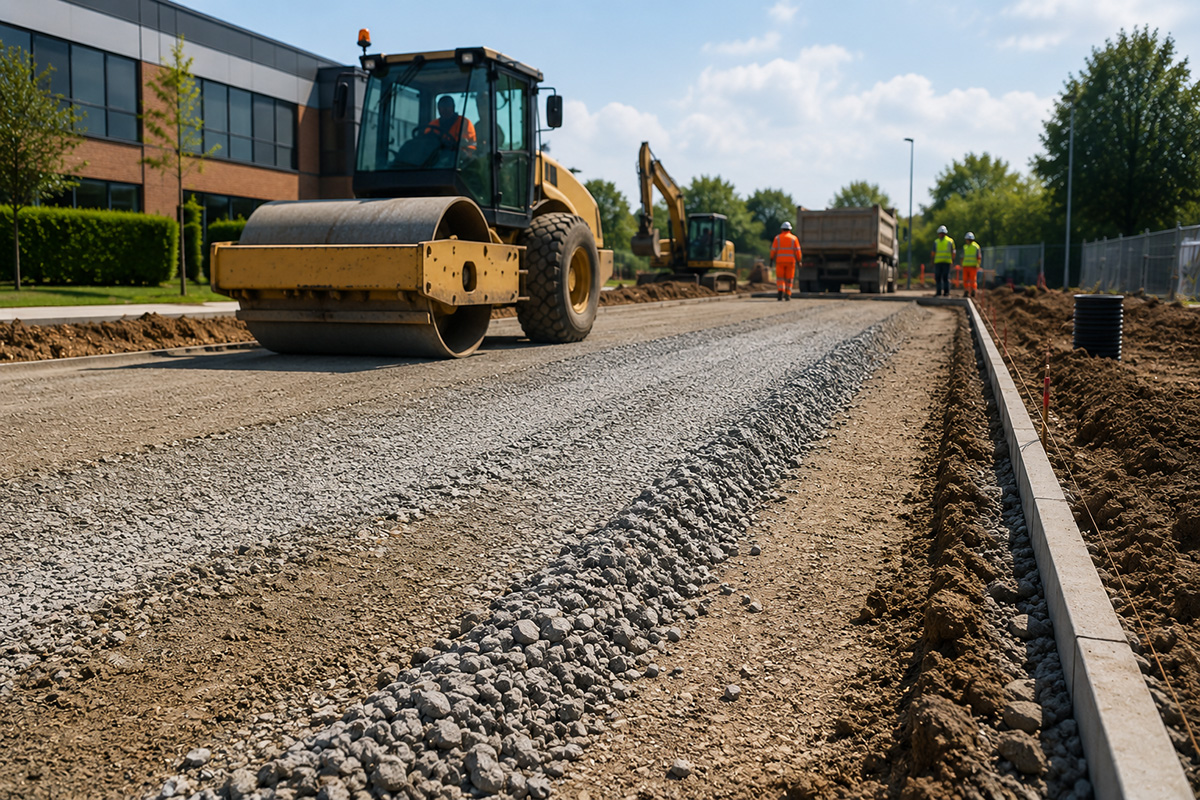
The Most Overlooked Part of Any Surfacing Project: Preparation
A successful surfacing project is rarely defined only by the material laid on the final day. For most property owners, facilities managers and commercial site operators, the finished surface is naturally what receives the most attention. It is the part people see, drive on and judge visually. However, the most important work often happens before any new tarmac or asphalt is installed. Proper preparation determines whether a surface performs well for years or begins to fail earlier than expected.
In road surfacing preparation UK projects, the groundwork, drainage assessment, excavation, base construction and site planning all play a major role in long-term performance. A well-laid surface can only be as strong as the structure beneath it. When preparation is rushed or treated as a minor stage, problems such as cracking, settlement, standing water and potholes can develop much sooner than they should.
For commercial sites, private access roads, car parks, housing developments and industrial yards, preparation is not simply a technical detail. It affects safety, access, disruption, maintenance costs and the overall value of the finished project. Understanding what good preparation involves helps site owners make better decisions before work begins.
Why Preparation Matters So Much in Surfacing
The surface layer of a road, driveway or car park is designed to provide a smooth, durable and safe finish. However, it relies heavily on the layers underneath. These lower layers spread vehicle loads, support the surface material and help prevent movement caused by traffic, weather and ground conditions.
If the base is weak, uneven or poorly compacted, the finished surface has very little chance of lasting properly. Heavy vehicles, regular turning movements and wet weather will quickly expose any weakness below the surface. This is why professional tarmac installation begins long before the final material is applied.
Preparation also gives contractors the opportunity to identify hidden problems. These may include poor drainage, soft ground, existing surface failure, tree root disturbance, unsuitable sub-base materials or unstable edges. Addressing these issues early is usually more cost-effective than repairing the damage later.
For property owners and site managers, good preparation provides confidence. It means the project has been assessed properly, the correct method has been chosen and the finished surface is being built on a suitable foundation.
Assessing the Existing Site
Every surfacing project should begin with a careful assessment of the existing site. This stage helps determine what work is needed before any new surface can be installed. The condition of the current surface, the strength of the ground, the expected traffic level and the drainage layout all need to be considered.
A private residential access road may have very different requirements from a commercial loading area. A car park used mainly by light vehicles will not need the same structural build-up as an industrial yard used by lorries and machinery. This is where experience matters, particularly for businesses working with commercial surfacing contractors who understand how vehicle use affects surface design.
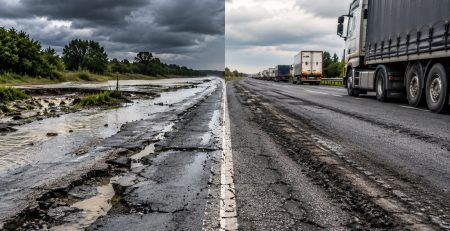
During the assessment, contractors may look for visible signs of failure such as cracking, rutting, potholes, loose material, ponding water and uneven levels. These issues often indicate deeper problems. A pothole, for example, may not simply be a local surface defect. It can be a sign that water has entered the structure and weakened the layers beneath.
The assessment stage also helps establish access requirements, working areas, traffic management needs and any disruption that must be planned around. On live commercial sites, preparation is especially important because work often needs to be phased carefully to maintain safe access.
Excavation and Removal of Failed Materials
In many surfacing projects, old or unsuitable materials must be removed before a new surface can be installed. This may involve planing off an existing tarmac layer, excavating failed sections or removing loose and unstable ground. The aim is to create a sound platform for the new construction.
Simply laying new material over a failed surface is rarely a long-term solution. While it may improve appearance for a short period, the underlying defects are likely to reflect through the new layer. Cracks can reappear, depressions can return and water problems can continue. Proper road surfacing preparation UK projects avoid this by dealing with the cause rather than covering the symptoms.
Excavation depth depends on the condition of the site and the intended use of the surface. Areas carrying heavy or frequent traffic may require deeper construction than lightly used areas. The key is to remove weak material and replace it with a properly compacted foundation that can support the finished surface.
This stage also allows levels to be corrected. Surface falls can be shaped so water moves towards appropriate drainage points instead of collecting in low areas. Without this attention to levels, even a newly surfaced area can suffer from standing water.
The Importance of a Strong Sub-Base
The sub-base is one of the most important parts of any surfacing project. It sits beneath the surface layers and provides structural strength. A properly installed sub-base helps distribute vehicle loads and reduces the risk of movement, settlement and cracking.
The type and depth of sub-base required will depend on the site conditions and expected use. For example, an access road serving several properties may need a more robust construction than a small domestic driveway. A commercial yard used by heavy goods vehicles will require greater strength again.
Compaction is critical. If the sub-base is not compacted correctly, it can move over time. This movement may cause dips, cracks and uneven areas in the finished surface. Professional contractors use suitable equipment to compact materials in layers, creating a stable foundation before the surface course is installed.
For larger projects, machine laid tarmac can help achieve a consistent finish, but it still depends on the preparation beneath. Even the best machinery cannot compensate for an unstable base. The quality of the preparation and the quality of the installation must work together.
Drainage as Part of Preparation
Drainage is one of the most common reasons surfacing projects fail prematurely. Water is highly damaging when it is allowed to sit on the surface, penetrate cracks or collect within the construction layers. In the UK, where wet weather is a regular concern, drainage must be considered from the start.
Good preparation includes checking existing drainage, identifying low spots and planning suitable falls across the surface. Water should be directed away from buildings, pedestrian areas and vulnerable edges. On commercial sites, drainage also needs to support safety by reducing the risk of standing water, ice and surface deterioration.
Poor drainage can lead to potholes, surface fretting and weakened foundations. Once water enters a defect, traffic pressure can accelerate the damage. This is why early planning is far better than reactive repair. Where drainage issues have already caused damage, professional pothole repairs may be needed before wider resurfacing is considered.
Drainage preparation may involve adjusting levels, installing channels, clearing existing drains or improving surface falls. The right approach depends on the site, but the principle remains the same. Water should be managed before it becomes a maintenance problem.
Edge Restraints and Structural Support
Edges are often vulnerable points in surfacing projects. If the edges are not properly supported, they can break down under vehicle pressure, especially where cars, vans or lorries regularly turn. This is common on access roads, car parks and rural routes where vehicles may run close to the edge of the surface.
Preparation should include checking whether edge restraints are required. Kerbs, concrete edging or other forms of restraint can help hold the surface in place and prevent lateral movement. This improves durability and gives the finished area a cleaner, more defined appearance.
Unsupported edges can gradually crumble, allowing water to enter the structure. Once the edge begins to fail, the damage can spread into the main surface. By dealing with edge support during preparation, contractors can reduce future repair needs and extend the life of the installation.
This is particularly important for sites with regular turning movements, narrow access routes or heavy vehicles. A well-prepared edge is not only about appearance. It is part of the structural integrity of the surface.
Planning Around Site Use and Traffic
Preparation is not limited to groundworks. It also includes practical planning around how the site is used. For commercial premises, schools, residential developments and public spaces, surfacing work may need to be arranged around access requirements, working hours and safety considerations.
A business may need to keep part of a car park open during the works. A housing development may need access maintained for residents. A school or public facility may require careful scheduling to reduce disruption. These issues should be considered before work begins, not once machinery is already on site.
Professional highway surfacing and access road projects often involve careful sequencing. This can include preparing one area while keeping another operational, protecting pedestrians, managing vehicle flow and ensuring the site remains safe.
The better the preparation, the smoother the project tends to run. Clear planning reduces delays, avoids confusion and helps ensure the finished surface is installed under suitable conditions.
Weather and Ground Conditions
UK weather can have a major influence on surfacing preparation. Wet ground, low temperatures and poor visibility can all affect how work is carried out. While experienced contractors can manage many weather-related challenges, preparation must take current and forecast conditions into account.
Ground that is saturated may need additional attention before it can support new surfacing. Laying materials over unstable or waterlogged ground can create future problems. Similarly, temperature conditions can affect installation, compaction and curing.
Preparation helps contractors decide when work should proceed and when conditions may compromise quality. This is particularly important for larger commercial or infrastructure projects where delays can be costly but poor timing can lead to even greater expense later.
Good planning also allows materials, equipment and labour to be coordinated properly. Surfacing is a process where timing matters. Once materials arrive on site, the prepared area needs to be ready for installation.
Preparation for Residential and Commercial Projects
Although the principles of preparation are similar, residential and commercial surfacing projects often have different priorities. Residential projects may focus on access, appearance, drainage around the property and long-term ease of maintenance. Commercial projects often place greater emphasis on load-bearing strength, site safety, traffic flow and durability under heavier use.
For homeowners, preparation may involve removing an old driveway surface, improving the base, correcting drainage and ensuring the finish suits the surrounding property. For business premises, preparation may involve structural design for delivery vehicles, phased working, line marking considerations and safe pedestrian routes.
Working with experienced domestic contractors can help ensure residential projects are prepared correctly for everyday use. On commercial sites, a more detailed approach may be needed because the surface often plays a direct role in operations, access and customer safety.
In both cases, cutting corners during preparation can create avoidable problems. A surface that looks good on completion should also be capable of performing well over time.
The Cost of Poor Preparation
Poor preparation often leads to higher costs in the long run. Early cracking, potholes, drainage failures and uneven settlement usually require repair work that could have been avoided. In some cases, the surface may need to be taken up and rebuilt properly.
For commercial sites, the cost is not only the repair itself. Failed surfacing can disrupt operations, create safety risks, affect customer impressions and increase maintenance demands. For residential property owners, poor preparation can reduce kerb appeal and lead to repeated repair bills.
It is understandable that site owners want value from a surfacing project. However, the cheapest option is not always the most cost-effective. A quotation that allows for proper excavation, sub-base construction, drainage and compaction may provide better long-term value than a lower-cost approach that overlooks these essentials.
Preparation is not an optional extra. It is the part of the project that protects the investment.
How Professional Contractors Approach Preparation
A professional contractor will not treat preparation as a quick preliminary task. They will assess the site, identify risks, recommend an appropriate construction method and explain what needs to happen before surfacing begins.
This approach is especially valuable where the site has existing defects or complex use requirements. For example, a car park with recurring ponding may need drainage improvements before resurfacing. An industrial yard with rutting may need deeper reconstruction in high-stress areas. A private road with crumbling edges may need stronger restraints before a new surface is laid.
Professional preparation also includes choosing the right equipment and materials. The aim is to create a surface that is suitable for the way the site will actually be used, not just one that looks acceptable on completion day.
Reviewing previous case studies can also help property owners understand how different preparation challenges are handled in real projects. Every site has its own conditions, but the importance of preparation remains consistent.
Long-Term Performance Starts Below the Surface
The finished layer of tarmac or asphalt is only one part of a surfacing system. Long-term performance depends on everything beneath it. The ground must be stable, the sub-base must be properly compacted, the drainage must be effective and the edges must be supported.
This is why road surfacing preparation UK projects should always be approached carefully. A well-prepared site allows the finished surface to do its job properly. It improves durability, reduces maintenance issues and helps protect the value of the work.
For property owners and commercial site managers, the key lesson is simple. The preparation stage deserves as much attention as the visible finish. When the groundwork is right, the surface is far more likely to remain safe, strong and reliable for years.