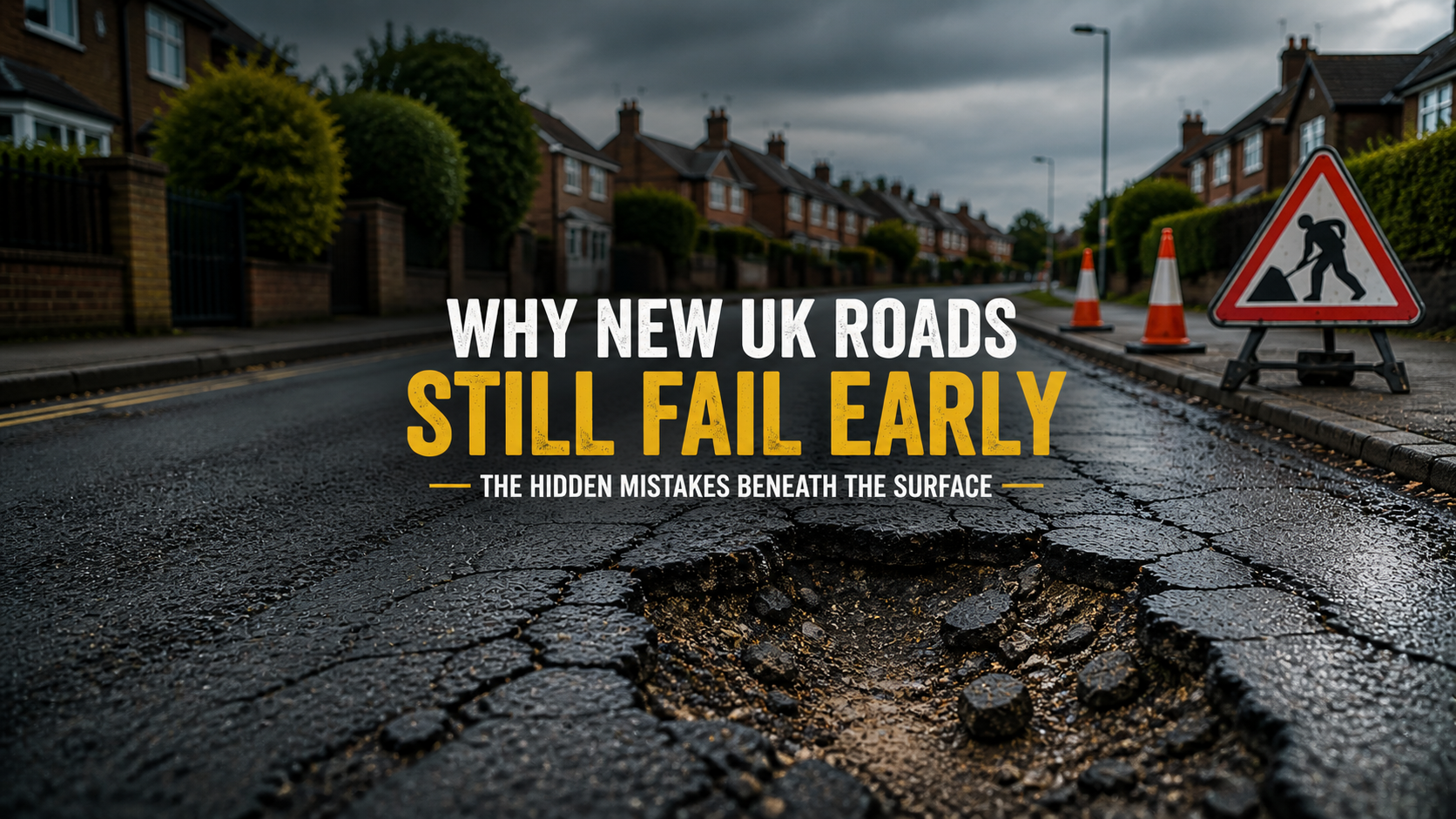
Why New UK Roads Still Fail Early — The Hidden Mistakes Beneath the Surface
When a newly surfaced road begins to crack, rut, sink or break apart sooner than expected, it is easy to assume the visible surface is the problem. In reality, early failure is usually caused by mistakes made before the final layer is ever laid. The surface may be the part people drive over and inspect, but its strength depends heavily on preparation, drainage, material choice, compaction and the condition of the layers beneath.
For UK property owners, developers, estate managers and commercial site operators, this matters because road surfacing is a long-term investment. A new access road, private estate road, industrial yard or car park should not need major repair work shortly after completion. When it does, the issue is often linked to avoidable road surfacing mistakes UK contractors should know how to prevent.
The British climate places constant pressure on road surfaces. Rain, standing water, frost, temperature changes and heavy vehicle movement all expose weaknesses quickly. A road that looks smart on the day of completion may still fail early if the foundation, levels or drainage have not been properly designed. This is why professional planning and installation are essential, particularly for sites that need to support regular traffic or heavy commercial use.
Inadequate Ground Preparation
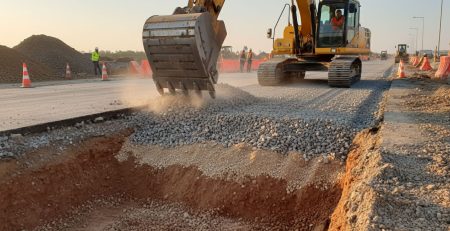
One of the most common hidden causes of early road failure is poor ground preparation. Before any asphalt or tarmac is laid, the existing ground must be assessed, excavated where necessary and prepared to support the intended use. If soft spots, unstable material or poorly compacted areas are left beneath the surface, movement can occur once vehicles start using the road.
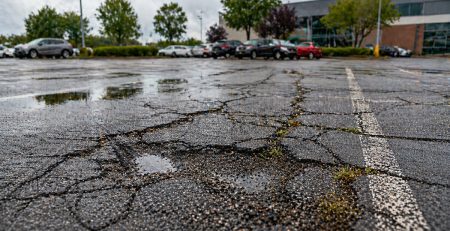
This movement may appear as depressions, cracking or uneven patches. In some cases, the surface begins to break up because the layers below are flexing under load. The visible damage is only the symptom. The real problem sits underneath, where the structure was not strong enough to support the road.
Proper preparation involves more than clearing the area and laying material. It requires an understanding of ground conditions, expected traffic, water movement and the correct construction depth. For sites that need reliable access, professional tarmac installation helps reduce the risk of early failure by ensuring the base and surface are installed as part of a complete system rather than treated as separate tasks.
Weak or Incorrect Sub-Base Construction
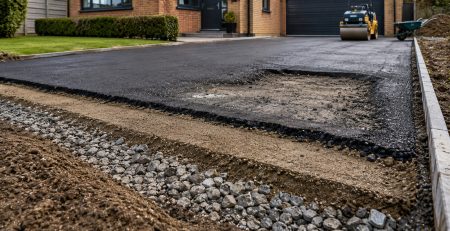
The sub-base is one of the most important parts of any road surface. It distributes weight, supports the surface layers and helps prevent movement. If the sub-base is too shallow, poorly compacted or made from unsuitable material, the finished road may not have the strength required for daily use.
This issue is particularly common where the road has been designed without enough attention to traffic type. A light-use residential access road has different requirements from a commercial yard used by delivery vehicles, refuse lorries or plant machinery. If the same construction approach is used for both, the heavier-use surface is likely to fail early.
A strong sub-base must be installed to the right depth and compacted properly in controlled layers. Simply placing material into an excavation is not enough. Without correct compaction, voids remain within the structure, which can later settle under traffic. This settlement creates dips in the road surface, encourages water to collect and increases the risk of cracking.
Poor Drainage Design
Water is one of the biggest threats to road durability in the UK. Even a well-laid surface can deteriorate quickly if water is allowed to sit on it, seep into joints or collect beneath it. Poor drainage is often one of the hidden reasons new roads fail earlier than expected.
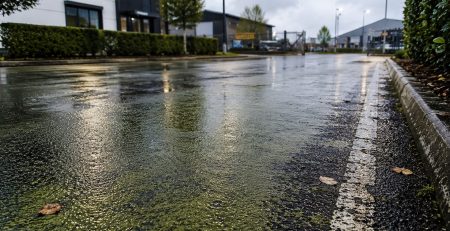
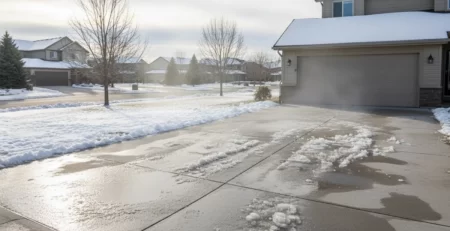
A road should be designed with suitable falls, levels and outlets so that water can move away from the surface efficiently. If levels are wrong, rainwater may pond in low areas. Over time, standing water weakens the surface, increases freeze and thaw damage during colder weather and can contribute to pothole formation.
Drainage problems are not always obvious immediately after installation. A road may look even and clean in dry conditions, but after rainfall, the weaknesses become visible. Water may gather near kerbs, entrances, loading areas or pedestrian routes. On commercial sites, this can create both maintenance issues and safety concerns.
Effective road surfacing should consider drainage from the beginning rather than treating it as an afterthought. This is especially important for large hardstanding areas, private roads and access routes where rainfall needs to be managed carefully to protect both the surface and surrounding property.
Unsuitable Materials for the Site
Not every road surface is exposed to the same conditions. Some roads carry light residential traffic, while others deal with constant vehicle movement, turning forces, deliveries, parked vehicles and heavy loads. Using the wrong material specification for the site can lead to early deterioration.
A surface that is suitable for a quiet private drive may not be suitable for a busy commercial access road. Similarly, areas exposed to regular turning, braking or loading require materials that can withstand those pressures. If the surfacing material is not matched to the intended use, defects may appear sooner than expected.
Choosing the right specification involves looking at traffic volume, vehicle weight, site layout, drainage, gradient and long-term maintenance expectations. Experienced commercial surfacing contractors understand these practical demands and can recommend a construction approach that suits the way the road will actually be used.
Incorrect Layer Thickness
The thickness of each surfacing layer plays a major role in long-term performance. If the layers are too thin for the level of traffic, the road may not have enough structural strength. This can lead to cracking, deformation and surface breakdown.
Early road failure often occurs when cost-saving decisions are made during construction. Reducing excavation depth, using thinner layers or applying a surface course over an inadequate base may reduce the initial project cost, but it usually increases long-term maintenance costs. The road may need patching, resurfacing or full reconstruction far sooner than expected.
Correct layer thickness should be based on the purpose of the road. A private access road, housing development road, school entrance, commercial yard or highway-related surface will each have different requirements. Where traffic is heavier or more frequent, the structure must be designed accordingly.
Poor Compaction During Installation
Compaction is one of the most important stages of road surfacing. It helps bind the material together, reduces air voids and creates a dense, durable finish. If asphalt or tarmac is not compacted correctly, the surface may remain weak, porous or uneven.
Poor compaction can happen when the wrong equipment is used, when material cools too quickly before being compacted, or when the installation is rushed. Once the material has cooled below the correct working temperature, achieving proper compaction becomes much more difficult. This can affect the strength and lifespan of the finished surface.
Machine-laid surfacing can help achieve a more consistent finish on suitable projects because it supports even material distribution and controlled installation. For roads, access routes and larger areas, machine lay tarmac is often preferred where consistency, level control and long-term performance are priorities.
Laying Over a Failed Existing Surface
Another common mistake is resurfacing over an existing road that is already structurally compromised. While overlaying can be appropriate in some situations, it is not a solution for every failed surface. If the existing road has deep cracks, movement, drainage problems or unstable areas, simply covering it with a new layer may only hide the problem temporarily.
The new surface will often reflect the defects beneath it. Cracks can reappear, dips can return and potholes may form again because the underlying issue was never corrected. This is why proper assessment is essential before deciding whether to repair, overlay or fully reconstruct a road.
In some cases, targeted repairs may be suitable. In others, deeper excavation and replacement of the failed layers may be required. Professional assessment helps avoid spending money on a surface that looks new but has not been properly stabilised.
Ignoring Edge Support
Road edges are vulnerable areas, especially on private roads, rural access routes, car parks and commercial sites where vehicles may overrun the sides. If the edges are not properly supported, they can begin to crack, crumble or break away.
Weak edges often allow water to enter the structure, which accelerates deterioration. Once edge failure begins, it can spread into the main carriageway or access route. This is particularly problematic where heavy vehicles regularly turn, reverse or mount the edge of the surface.
Good road construction should include suitable edge restraint or design measures to protect vulnerable areas. The correct approach depends on the site, but the principle remains the same. A road surface needs support at the edges as well as strength through the centre.
Poor Weather Timing
The UK weather can make road surfacing more challenging. Rain, cold temperatures and damp conditions can all affect installation quality if not managed properly. While professional contractors can work around many weather challenges, there are times when conditions are unsuitable for achieving the best result.
Laying material in poor conditions can affect bonding, compaction and finish. Wet surfaces can interfere with adhesion between layers, while cold weather can cause hot materials to lose temperature quickly. If installation continues when conditions are not appropriate, the finished road may be more vulnerable to early failure.
Good planning allows surfacing works to be scheduled around weather conditions where possible. It also ensures that the site is prepared properly before installation begins, reducing unnecessary delays and helping the material perform as intended.
Lack of Proper Joint Construction
Joints are another area where hidden mistakes can lead to visible failure. Roads are often surfaced in sections, which means joints are created where one area meets another. If these joints are not properly formed, sealed or compacted, they can become weak points.
Water can enter poorly constructed joints and gradually damage the surrounding material. Traffic movement can then widen the weakness, leading to cracks, open seams or surface breakup. On larger commercial and access road projects, joint quality is especially important because regular vehicle movement places repeated stress on these areas.
Good workmanship at joints helps protect the finished road from water ingress and premature deterioration. Although joints may seem like small details, they can have a significant impact on the lifespan of the surface.
Heavy Traffic Before the Surface Is Ready
A new road surface needs to be treated properly after installation. If heavy vehicles use the area too soon, or if turning and loading take place before the material has stabilised, damage can occur early. This is particularly relevant on active commercial sites where access is needed quickly after works are completed.
Planning traffic management is therefore part of protecting the investment. Contractors and site managers need to agree how access will be controlled during and after installation. Where businesses, residents or deliveries rely on the route, this planning becomes even more important.
Early trafficking does not always cause immediate visible damage, but it can weaken the surface and reduce its long-term performance. Allowing the road to settle and cool correctly helps support a stronger finish.
Poor Repair Decisions After Early Defects Appear
When small defects appear on a new road, the response matters. Minor issues can become larger failures if they are ignored or repaired incorrectly. A small crack, open joint or forming pothole may indicate a deeper issue that needs proper investigation.
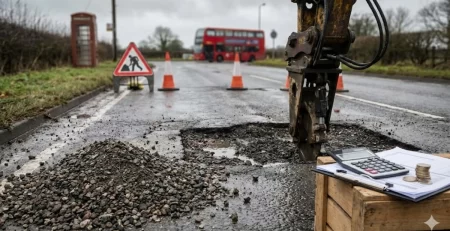
Quick patching may solve the appearance of the problem for a short time, but if the cause remains beneath the surface, the defect can return. Professional pothole repairs should address not only the damaged area but also the reason the surface has failed, whether that is water ingress, weak material, poor compaction or underlying movement.
Early intervention is usually more cost-effective than waiting until the surface deteriorates further. For commercial sites, this can also reduce disruption, protect vehicles and maintain safe access for staff, visitors and deliveries.
Why Professional Planning Prevents Most Early Failures
Most early road failures are avoidable. They happen when the surface is treated as the main part of the job rather than the final part of a wider construction process. A durable road depends on investigation, preparation, drainage, materials, compaction and finishing detail working together.
Professional road surfacing begins with understanding the site. This includes how the road will be used, what vehicles will travel over it, where water will go, what condition the existing ground is in and what level of durability is required. Without this information, it is difficult to design a surface that will perform properly.
For property owners and commercial site managers, the cheapest quote is not always the best long-term value. A road that fails early can create additional repair costs, access problems, safety concerns and disruption. Investing in correct construction from the outset is usually more reliable than trying to correct hidden mistakes after the surface has started to fail.
Building Roads That Last Beneath the Surface
A new UK road should not fail early when it has been properly designed and installed for its setting. Early cracking, sinking, potholes and surface breakup are usually signs that something beneath the surface has gone wrong. The most common causes include weak preparation, poor drainage, inadequate sub-base construction, incorrect material specification, poor compaction and unsuitable repair decisions.
The visible surface is only as strong as the structure supporting it. For residential developments, private estates, commercial premises, schools, industrial yards and access roads, long-term performance depends on getting the hidden details right from the beginning. By avoiding common road surfacing mistakes UK property owners can protect their investment, reduce maintenance costs and keep roads safer for everyday use.