Cracks, Potholes, and Failures: How to Prevent Road Damage in the UK
Road damage in the UK is often caused by a combination of traffic pressure, water, frost, poor construction, and lack of maintenance. For property owners, commercial site managers, schools, industrial estates, and private developments, surface failure is rarely just an appearance issue. Once cracks and potholes begin to form, they can quickly affect safety, access, drainage, and long-term repair costs.
The UK climate places constant stress on road surfaces. Rainwater can enter small cracks, soften the layers beneath the surface, and create movement under traffic. During colder months, freeze and thaw cycles can make this worse, as trapped water expands and contracts. Heavy vehicles, turning movements, poor edge support, and standing water all increase the risk of early failure.
Good road damage prevention UK starts with understanding that most surface problems develop gradually. A small crack, shallow depression, or worn patch may seem minor at first, but these defects often allow water to enter the construction layers. Once the base begins to weaken, the surface loses support and breaks down more quickly.
The Role of Proper Surface Construction
A durable road surface depends on more than the visible top layer. The strength of the finished surface comes from the quality of the preparation, sub-base, drainage, material choice, compaction, and finishing. Where any of these elements are poor, the surface is more likely to crack, sink, or break apart under normal use.
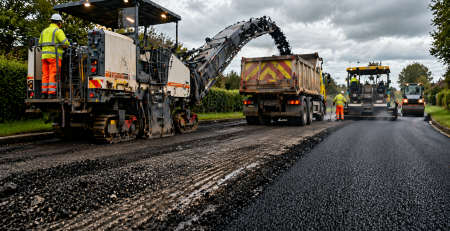
Professional tarmac installation helps reduce the risk of early road failure because the surface is built to suit the expected use of the area. A private access road, school entrance, car park, commercial yard, and highway route may all need different specifications. The volume of traffic, vehicle weight, turning areas, drainage falls, and site conditions should all be considered before work begins.
Machine-laid surfacing can also improve consistency across larger areas. On commercial sites, estate roads, and access routes, machine lay tarmac can provide a more even finish, stronger compaction, and better long-term performance when compared with poorly controlled manual laying methods.
How Cracks Lead to Bigger Failures
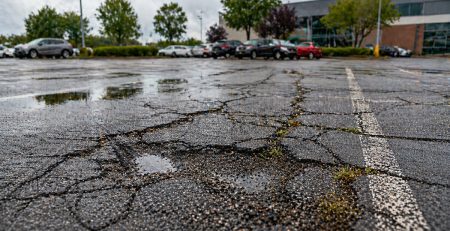
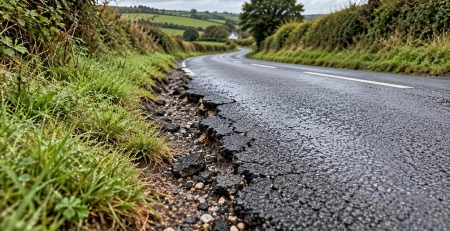
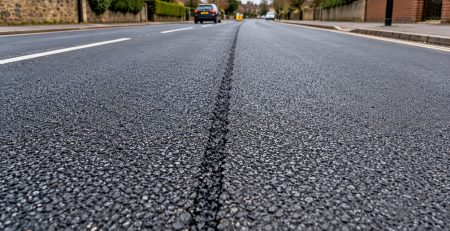
Cracks are one of the earliest signs that a road surface is under stress. They may appear because of movement in the base, ageing materials, thermal expansion, poor joints, heavy loading, or water damage. Once cracks form, they create a route for rainwater to enter the surface.
This is where early action matters. A narrow crack can often be managed before it becomes a deeper defect. When cracks are ignored, water can reach the lower layers and weaken the structure. Traffic then applies pressure to the unsupported surface, which can lead to crumbling, potholes, and wider areas of failure.
For commercial sites, cracks should be taken seriously because they often appear in areas where vehicles brake, turn, load, or queue. These pressure points include entrances, loading bays, turning heads, and access roads near gates. Regular inspection helps identify these defects before they become disruptive or expensive.
Preventing Potholes Before They Spread
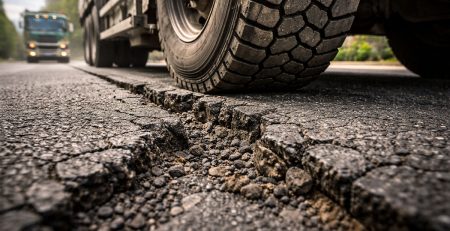
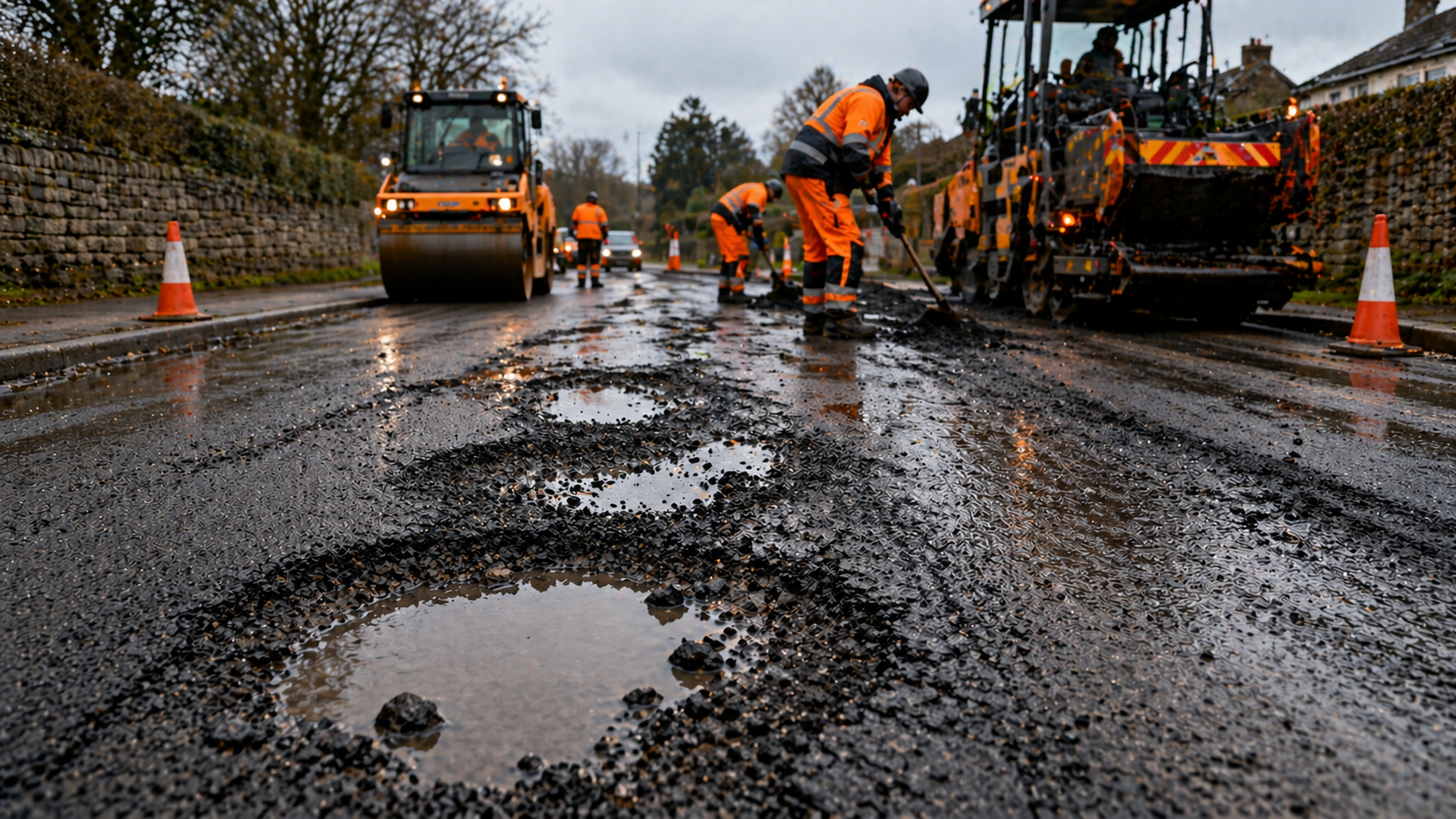
Potholes usually form when surface cracks allow water to reach the lower layers. As vehicles pass over the weakened area, the surface breaks apart and the hole becomes wider and deeper. In winter, this process can accelerate because trapped water expands during freezing conditions.
Effective pothole repairs should not simply fill the visible hole without addressing the surrounding failed material. A proper repair normally involves cutting back unstable edges, preparing the damaged area, using suitable material, and compacting the repair so it bonds properly with the existing surface.
For sites with repeated pothole problems, the cause may be deeper than the surface defect. Poor drainage, weak sub-base construction, repeated heavy loading, or unsuitable surfacing materials may all contribute. In these cases, repeated patching may only provide short-term relief, while resurfacing or structural repair may be needed.
Why Drainage Is Essential for Road Damage Prevention
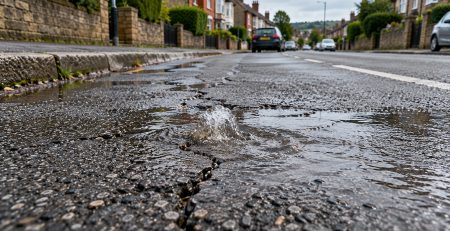
Water is one of the main causes of road surface failure. Even a well-laid surface can deteriorate if water is allowed to sit on it or drain into the construction layers. Good drainage should move water away from the surface efficiently and prevent pooling in low spots.
Standing water can soften edges, enter cracks, damage joints, and increase the risk of potholes. On commercial sites, it can also create safety issues for pedestrians, vehicles, and loading operations. In winter, standing water may freeze and create further hazards.
Drainage should be considered before surfacing work begins. Falls, channels, gullies, kerbs, and surrounding ground levels all affect how water behaves. Where drainage is poor, resurfacing without correcting the water problem may only delay further damage rather than prevent it.
The Importance of Regular Maintenance
Road damage prevention UK is most effective when maintenance is planned rather than reactive. Waiting until a road becomes unsafe or difficult to use usually leads to higher costs and greater disruption. Regular inspections help identify early warning signs, such as cracking, fretting, edge deterioration, standing water, uneven areas, and worn surface texture.
Maintenance does not always mean major work. In many cases, early repairs, cleaning drainage channels, sealing cracks, managing vegetation, and addressing localised defects can extend the life of a surface. For larger sites, a maintenance plan can help prioritise repairs based on risk, traffic use, and budget.
For businesses and managed properties, maintenance also supports safe access. A damaged access road or car park can affect deliveries, staff movement, customer access, and overall site presentation. Working with experienced commercial surfacing contractors can help site managers understand which repairs are urgent and which areas should be monitored.
When Repairs Are Enough and When Resurfacing Is Needed
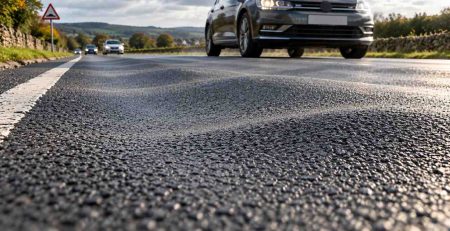
Not every damaged road needs full resurfacing. Localised cracks, isolated potholes, and small worn areas may be repairable if the surrounding surface remains structurally sound. However, where damage is widespread, repeated, or linked to poor base construction, resurfacing may be the more practical long-term option.
Repairs are usually suitable when the problem is contained and the underlying layers are stable. Resurfacing becomes more likely when there are multiple potholes, widespread cracking, poor drainage falls, loose material, rutting, or surface movement. In some cases, deeper reconstruction may be needed if the foundation has failed.
The key is to avoid treating every defect as a surface-only issue. A professional inspection can help determine whether the visible damage is the main problem or a symptom of something deeper.
Road Damage on Commercial and Private Sites
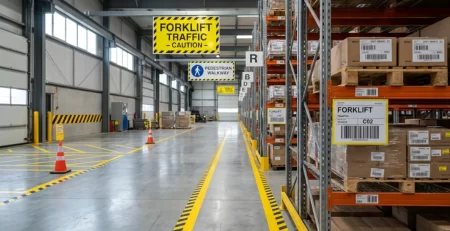
Commercial roads, private estates, schools, car parks, and industrial yards all experience different types of stress. Heavy goods vehicles, delivery traffic, buses, vans, forklifts, and constant turning movements can place significant pressure on road surfaces. Areas near entrances and loading zones often fail first because vehicles brake, turn, and accelerate in the same locations every day.
Private roads and residential developments may face different issues, such as edge failure, poor drainage, tree root movement, and surface wear caused by repeated light vehicle use. For schools and public access areas, safety and smooth pedestrian movement are especially important. Professional highway surfacing and site-specific surfacing work can help ensure the finished road is suitable for its intended use.
Choosing the Right Materials for Long-Term Performance
Material choice has a direct impact on durability. The best surface for a site depends on how the road will be used, the expected traffic, drainage conditions, and the required finish. Tarmac and asphalt surfaces are commonly used because they provide strength, flexibility, and a clean finish when installed correctly.
A surface that is too light for heavy traffic may deform or crack sooner than expected. A surface that is laid without proper compaction may allow water in and break down early. A surface installed over a weak or poorly prepared base may fail even if the top layer initially looks good.
This is why road damage prevention UK should begin before installation. Planning, specification, preparation, and workmanship are all essential to long-term performance.
Practical Long-Term Prevention
Preventing road damage is not about one single action. It requires good design, correct installation, effective drainage, suitable materials, and regular maintenance. For existing roads, the most important step is to act before small defects become major failures.
Property owners and site managers should pay attention to cracks, standing water, loose surface material, potholes, sinking areas, and damaged edges. These signs often show that the road surface is beginning to lose strength. Early professional assessment can reduce disruption, improve safety, and help avoid unnecessary full reconstruction.
Where a road is already showing signs of repeated failure, a proper repair strategy is needed. This may involve localised repairs, improved drainage, resurfacing, or deeper reconstruction. The right approach depends on the condition of the surface and the cause of the damage.