Why Smooth Roads Are Not Just About Good Tarmac
A smooth road is often judged by what can be seen and felt on the surface. For drivers, pedestrians, site users and property managers, the first impression is usually whether the road feels even, safe and well finished. Good tarmac is important, but it is only one part of a much wider process. A road can be laid with a high-quality surface material and still fail early if the ground beneath it has not been properly prepared.
The structure underneath the visible surface has a major influence on how the finished road performs. If the sub-base is weak, uneven or poorly compacted, the top layer has very little chance of staying smooth over time. Heavy vehicles, changing weather and regular traffic can quickly expose weaknesses that were hidden during installation. This is why professional tarmac installation is not simply about laying material neatly. It is about understanding how every layer works together.
For commercial sites, private roads, car parks and access routes, long-term performance matters just as much as appearance. A smooth road reduces vehicle strain, improves safety and helps create a more professional environment. When surface problems appear, they are often symptoms of deeper issues rather than faults with the tarmac alone.
The Role of Ground Preparation
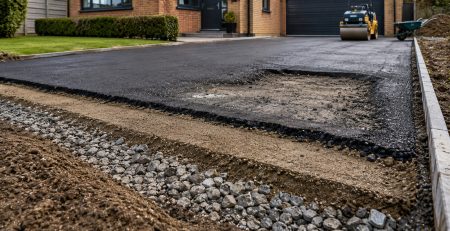
Ground preparation is one of the most important stages in creating smooth roads. Before any surfacing material is applied, the existing ground needs to be assessed, shaped and stabilised. This may involve excavation, removal of unsuitable material, levelling and compacting the base to create a strong foundation.
If this stage is rushed, the finished surface may look acceptable at first but begin to move, dip or crack after use. Soft areas beneath the surface can compress under pressure, creating uneven patches. Poor levels can cause water to collect in low spots. Inconsistent compaction can lead to settlement, which affects both the appearance and safety of the road.
A properly prepared site allows the surface layer to perform as intended. The road is better able to distribute weight, resist deformation and maintain an even profile. For property owners and site managers, this means fewer disruptions, fewer repair costs and a better return on the original investment.
Why Drainage Affects Road Smoothness
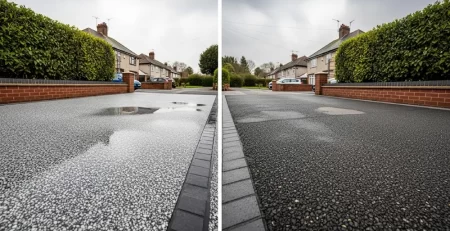
Water is one of the biggest threats to road performance in the UK. Rainfall, standing water and repeated freeze-thaw conditions can all contribute to surface damage. A smooth road needs effective drainage because water left on or beneath the surface can weaken the structure over time.
When drainage is poor, water can gather in depressions, seep into cracks or soften the layers below the tarmac. This can lead to potholes, surface break-up and uneven movement. Even a well-laid road surface can suffer if water has nowhere to go. The problem may begin gradually, but once moisture starts affecting the base, visible defects can develop quickly.
Good drainage planning looks at the fall of the road, the surrounding ground levels and where water will naturally flow. The aim is to move water away from the surface efficiently and prevent it from sitting in vulnerable areas. On commercial premises, this is especially important because standing water can create safety concerns for vehicles, staff and visitors.
Smooth roads are therefore not only about the surface finish. They rely on careful shaping, correct gradients and drainage details that support the road throughout its lifespan.
Material Quality Still Matters
Although smooth roads are not only about good tarmac, material quality remains essential. The right surface material must suit the expected use of the road. A quiet residential access road will not face the same demands as an industrial yard, loading bay or busy commercial entrance. Choosing the wrong specification can lead to premature wear, rutting or surface failure.
High-quality tarmac or asphalt should be selected based on traffic volume, vehicle type and site conditions. Areas used by heavy goods vehicles need a stronger construction than lighter-use spaces. Turning areas, entrances and delivery routes may require extra attention because these zones often experience more stress than straight sections of road.
The quality of the material also affects how well the road compacts and finishes. A suitable mix laid at the right temperature helps create a dense, consistent surface. If the material is poorly matched to the site, even skilled installation may not deliver the expected long-term result.
Skilled Installation Makes the Difference
A smooth finish depends heavily on the skill and equipment used during installation. The surfacing material must be laid evenly, compacted correctly and finished at the right time. Temperature, timing and method all influence the final result.
Machine laying can help achieve a more consistent finish across larger areas because it allows material to be placed evenly and efficiently. For roads, access routes and commercial surfaces, machine lay tarmac can support a uniform level and reduce the risk of irregularities caused by uneven manual spreading.
However, equipment alone is not enough. Experienced contractors understand how to manage joints, edges, levels and transitions between new and existing surfaces. These details are important because uneven joints or poorly finished edges can affect both appearance and durability. A road may seem smooth in the centre but still create problems if entrances, kerbs or drainage channels are not properly integrated.
Good installation is about control. The contractor needs to control the depth of material, the compaction process and the final surface profile. This is where technical experience becomes as important as the material itself.
Traffic Load and Road Design
Smooth roads need to be designed for the traffic they will carry. A road used mainly by cars has different requirements from one used by vans, delivery lorries, refuse vehicles or plant machinery. If the road construction is not suitable for the load, the surface can begin to deform under pressure.
Heavy vehicles place significant stress on road surfaces, particularly when they brake, turn or remain stationary in the same areas. This can cause depressions, rutting and cracking if the road has not been designed with enough strength. For industrial and commercial sites, the expected traffic should be considered before the work begins, not after problems appear.
The shape and layout of the road also matter. Tight turning points, loading areas and entrances often need stronger construction because they experience concentrated wear. A smooth road is therefore not just a flat surface. It is a planned structure that reflects how the site is actually used.
The Importance of Edge Support
Edges are often overlooked, but they play an important part in keeping roads smooth and stable. If the edges of a road are not properly supported, they can begin to crumble or spread under traffic. Once the edges weaken, water can enter and the surrounding surface may start to break down.
Strong edge restraint helps the surface hold its shape. This may involve kerbing, edging details or careful construction where the road meets grass, gravel, concrete or other materials. On private roads and commercial sites, unsupported edges can quickly become a maintenance issue, especially where vehicles regularly pass close to the side of the road.
A road that looks smooth across the main running area can still deteriorate if its edges are vulnerable. Proper edge support protects the investment and helps maintain the overall structure.
Weather Conditions During Installation
UK weather has a direct impact on road surfacing. Rain, cold temperatures and excessive moisture can all affect the installation process. Tarmac needs suitable conditions to be laid and compacted properly. If the material cools too quickly or is exposed to poor weather at the wrong time, the finished result may be compromised.
Professional contractors plan around weather conditions as much as possible. This includes considering temperature, rainfall and site exposure. The aim is to give the material the best chance to bond, compact and cure correctly. While not every weather risk can be avoided, experienced planning reduces the likelihood of early defects.
Smooth roads require attention to timing. A project carried out in unsuitable conditions may appear complete, but the surface may not have the strength or consistency needed for long-term use.
Maintenance Keeps Roads Smooth for Longer
Even well-built roads need maintenance. Over time, traffic, weather and natural wear will affect any surface. Regular inspections allow small issues to be identified before they become larger problems. Cracks, loose material, blocked drainage and small potholes should not be ignored, as they can quickly lead to wider surface failure.
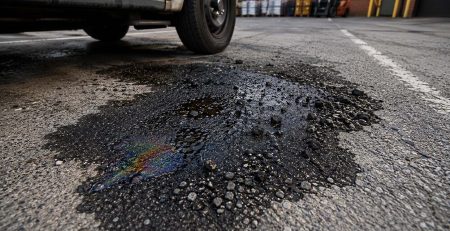
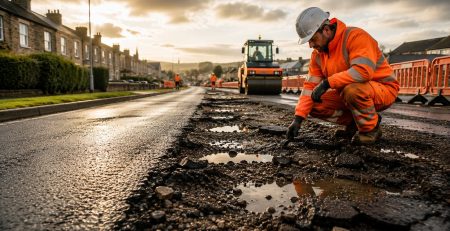
Timely pothole repairs help protect the surrounding road and reduce safety risks. A small defect can allow water to enter the construction layers, which may then weaken the base and cause further damage. Repairing problems early is usually more cost-effective than waiting until full resurfacing is needed.
Maintenance is not only about fixing visible damage. It also involves keeping drainage clear, monitoring high-stress areas and reviewing how the road is performing under daily use. For commercial sites, a planned maintenance approach helps reduce disruption and supports safer access for staff, visitors and vehicles.
Why Cheap Surfacing Can Become Expensive
Choosing the lowest-cost surfacing option can be tempting, especially when budgets are tight. However, a smooth road that lasts requires proper preparation, suitable materials, skilled labour and appropriate equipment. Reducing cost by cutting corners often leads to higher spending later.
If the base is not prepared properly, the surface may need repairs much sooner than expected. If drainage is overlooked, water damage can develop. If the material is unsuitable for the traffic load, the road may deform or crack. These problems can interrupt site operations and create ongoing maintenance costs.
Value should be judged by long-term performance rather than the initial price alone. A well-constructed road may cost more at the installation stage, but it is usually more reliable, safer and easier to manage over time.
Choosing the Right Surfacing Contractor
The quality of the finished road depends heavily on the contractor’s experience and approach. A reliable contractor will assess the site properly, explain the preparation required and recommend a surface specification that matches the intended use. They will consider drainage, traffic load, access needs and long-term maintenance rather than focusing only on the visible surface.
For business premises, estates, schools and managed sites, working with experienced commercial surfacing contractors can help ensure the road is designed around practical use. Commercial environments often require careful planning to reduce disruption, manage access and create a durable surface that can cope with regular traffic.
The right contractor should be able to explain why certain preparation methods, materials and installation techniques are needed. Clear advice at the beginning of a project often prevents misunderstandings and helps property owners make informed decisions.
Smooth Roads Are Built as Complete Systems
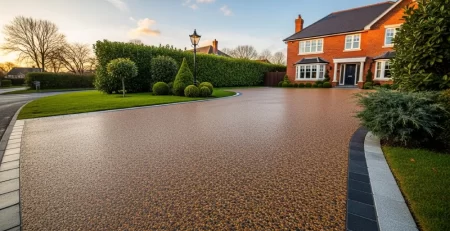
A smooth road is the result of a complete system working properly. The visible tarmac surface is important, but it relies on the strength, shape and stability of everything beneath it. Preparation, drainage, material choice, installation technique, edge support and maintenance all contribute to the final result.
When roads fail early, it is rarely because of one issue alone. Surface defects often develop because several small weaknesses combine over time. Poor compaction, inadequate drainage, unsuitable material or lack of maintenance can all reduce performance. This is why a professional approach looks beyond the top layer and considers the road as a whole.
For UK property owners and commercial site managers, the key lesson is simple. Good tarmac helps create a smooth road, but it cannot compensate for weak foundations, poor planning or unsuitable construction. A road that remains smooth, safe and durable is built from the ground up, with every stage carried out properly.