How Modern Road Surfacing Technology Is Extending Pavement Lifespans
Road surfacing has changed significantly over the past few decades. Advances in materials, machinery, and construction techniques have enabled contractors to deliver stronger, longer-lasting surfaces capable of withstanding increasing traffic volumes and challenging weather conditions. For property owners, developers, and site managers, these innovations are helping to reduce long-term maintenance costs while improving safety and performance.
Traditional road construction methods often relied heavily on standard materials and manual installation techniques. While these approaches provided functional surfaces, they were more susceptible to premature wear caused by traffic loading, water penetration, temperature fluctuations, and inadequate compaction. Modern road surfacing technology addresses many of these challenges through scientific material design, precision machinery, and data-driven construction practices.
The result is a new generation of road surfaces capable of delivering greater durability and a significantly longer service life.
Why Pavement Lifespan Matters
The lifespan of a road surface directly affects maintenance budgets, operational disruption, and long-term asset value. Whether managing a commercial estate, industrial facility, housing development, or private access road, a longer-lasting surface reduces the frequency of repairs and resurfacing projects.
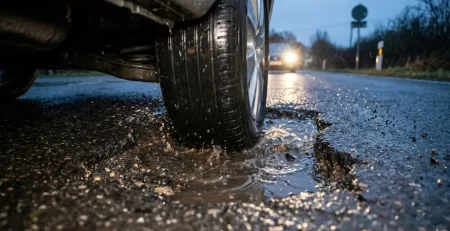
Premature deterioration often occurs when surfaces are unable to withstand repeated traffic stresses or environmental pressures. Cracking, rutting, potholes, and surface deformation can develop quickly when installation standards are compromised or materials are unsuitable for site conditions.
Modern technology allows contractors to identify potential weaknesses before they become serious issues, creating surfaces that perform consistently for many years. Professional installation services such as tarmac installation are increasingly supported by advanced techniques that improve both structural integrity and surface longevity.
Advanced Asphalt and Tarmac Mixtures
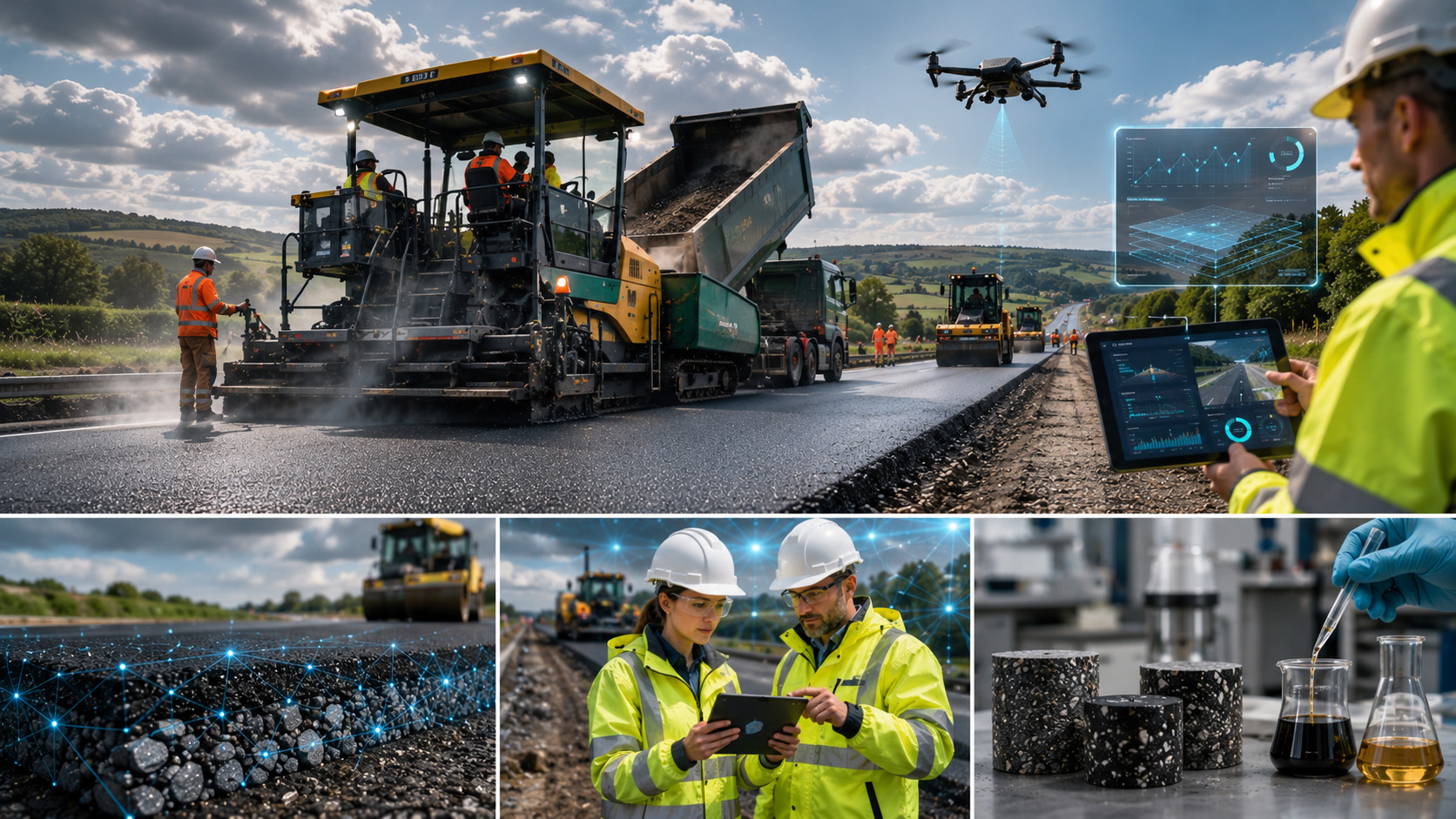
One of the most significant developments in modern road surfacing technology is the improvement of asphalt and tarmac formulations. Material engineers now design surfacing mixtures with specific performance characteristics based on expected traffic loads, climate conditions, and operational requirements.
Modern asphalt mixtures incorporate carefully graded aggregates and modified binders that improve flexibility and resistance to cracking. Enhanced binder technology helps surfaces cope with thermal expansion and contraction, reducing the likelihood of structural damage caused by changing temperatures.
In areas exposed to heavy vehicle traffic, high-performance mixtures can provide greater resistance to rutting and deformation. This is particularly important for commercial sites, loading bays, industrial estates, and access roads where constant vehicle movements place substantial stress on the surface.
These material improvements contribute directly to extended pavement lifespans by slowing the rate of deterioration and maintaining structural performance over longer periods.
The Impact of Machine-Laid Surfacing
Precision is critical when constructing durable road surfaces. Even high-quality materials can fail prematurely if they are not installed correctly. Modern paving equipment has transformed the accuracy and consistency of road surfacing projects.
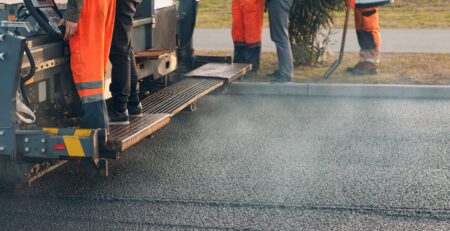
Machine-laid systems ensure uniform material distribution, controlled layer thickness, and consistent compaction throughout the installation process. This reduces the risk of weak spots that could develop into cracks or potholes over time.
The use of machine lay tarmac technology enables contractors to achieve highly consistent results across large surface areas. Improved surface regularity not only enhances appearance but also contributes to long-term structural performance by distributing traffic loads more evenly.
Modern paving machinery also improves efficiency, reducing installation times while maintaining strict quality standards. This allows projects to be completed with minimal disruption while delivering a superior finished surface.
Improved Compaction Techniques
Compaction is one of the most important factors affecting pavement longevity. Poorly compacted surfaces often contain air voids that allow water infiltration, accelerate oxidation, and weaken structural performance.
Modern compaction equipment incorporates intelligent monitoring systems that provide real-time feedback on density levels during installation. Contractors can accurately verify that each section of the surface meets specified requirements before the project progresses.
Achieving optimal compaction improves load-bearing capacity, reduces moisture penetration, and enhances overall durability. As a result, roads are better equipped to withstand years of vehicle traffic without significant deterioration.
The ability to measure and verify compaction performance represents a major advancement compared to traditional methods that relied heavily on visual assessment and operator experience alone.
Smarter Drainage Integration
Water remains one of the most damaging elements affecting road surfaces. Poor drainage can weaken sub-base layers, accelerate cracking, and contribute to pothole formation.
Modern road surfacing technology increasingly integrates drainage design into the earliest stages of project planning. Advanced surveying equipment allows contractors to identify potential water management issues before construction begins.
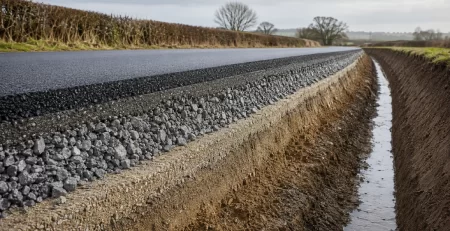
Accurate grading and drainage design help ensure surface water is directed away efficiently, preventing standing water and reducing the risk of structural damage. Improved drainage systems also protect underlying layers from saturation, helping maintain the strength and stability of the pavement structure.
By controlling water more effectively, modern surfacing projects can significantly extend the operational lifespan of roads and access routes.
Digital Surveying and Site Assessment
Technology now plays an important role before construction even begins. Modern site assessment methods use advanced surveying tools to gather highly accurate data about existing conditions.
Laser-guided equipment, digital mapping systems, and precision measurement technology enable contractors to evaluate gradients, identify weak areas, and determine the most appropriate surfacing solutions.
This detailed understanding allows engineers to design surfaces that are specifically tailored to site requirements rather than relying on standardised approaches. As a result, potential issues can be addressed during planning rather than after construction.
Comprehensive site assessments help reduce future maintenance requirements and improve long-term pavement performance.
Sustainable Technologies Supporting Longer Lifespans
Sustainability and durability often go hand in hand. Many modern surfacing technologies are designed to reduce environmental impact while simultaneously improving pavement performance.
Recycled materials are increasingly incorporated into surfacing projects without compromising structural quality. Advanced production methods allow reclaimed materials to be processed and reused effectively within new pavement systems.
Warm-mix asphalt technologies reduce production temperatures while maintaining performance characteristics. These innovations can improve workability during installation and contribute to consistent compaction results.
Longer-lasting surfaces are themselves a sustainability benefit because fewer repairs, less material consumption, and reduced construction activity are required over the lifespan of the pavement.
Predictive Maintenance and Early Intervention
Modern road surfacing technology is not limited to construction. Maintenance practices have also evolved significantly.
Predictive maintenance strategies use regular inspections and condition monitoring to identify issues before they become major failures. Small defects can often be addressed quickly, preventing extensive structural deterioration.
Early intervention is far more cost-effective than allowing damage to progress unchecked. Surface treatments, crack sealing, and localised repairs can substantially extend pavement lifespan when implemented at the appropriate time.
Professional maintenance programmes often include preventative measures alongside reactive repairs, helping site owners maximise the value of their investment.
Where isolated defects develop, timely pothole repairs can prevent water ingress and further structural deterioration, preserving the integrity of the wider pavement system.
The Role of Specialist Contractors
Technology alone cannot guarantee long-lasting results. The expertise of the contractor remains a critical factor in project success.
Experienced surfacing professionals understand how to select appropriate materials, operate advanced machinery, and apply best practices throughout the construction process. They also recognise how local conditions, traffic demands, and drainage requirements influence long-term performance.
Working with established commercial surfacing contractors helps ensure that technological advantages are fully realised during project delivery. Professional contractors combine modern equipment with practical knowledge to create surfaces capable of achieving their intended lifespan.
Many successful projects featured within documented case studies demonstrate how modern surfacing techniques can produce durable results across a wide range of environments and applications.
Looking Ahead: The Future of Pavement Durability
The pace of innovation within the road surfacing industry continues to accelerate. Researchers are exploring self-healing materials, enhanced recycling technologies, smart sensors, and advanced pavement monitoring systems that could further extend service life in the coming years.
As infrastructure demands continue to grow, the need for durable, cost-effective, and sustainable surfacing solutions will become increasingly important. Modern road surfacing technology is already delivering substantial improvements in pavement longevity, helping property owners and organisations reduce maintenance costs while improving operational reliability.
By combining advanced materials, precision installation methods, intelligent drainage design, and proactive maintenance strategies, today’s surfacing technologies are setting new standards for long-term performance. For organisations investing in roads, access routes, car parks, and commercial infrastructure, these developments represent a valuable opportunity to achieve greater durability and maximise return on investment.