How Do I Design A Driveway For An Electric Car?
How Do I Design A Driveway For An Electric Car? The right design needs more than a parking space beside a charger. An electric car driveway should allow safe parking, easy charging access, clear walking space, reliable drainage, strong surfacing, and enough room for cables, doors, bins, steps, and daily movement around the vehicle.
Total Surfacing Solutions helps homeowners and commercial clients in Hertford, Hertfordshire, Bedfordshire, Oxford, Cambridgeshire, and Essex plan practical driveway surfaces for modern vehicle use. The team installs resin-bound driveways, tarmac driveways, block paving, asphalt surfacing, road surfacing, line marking, brickwork, outdoor steps, and low-maintenance surfacing, so an EV driveway can be designed around access, drainage, durability, and kerb appeal from the start.
Quick Check: If you are planning an EV-ready home entrance, Total Surfacing Solutions can assess layout, drainage, and surface options for driveway surfacing in Hertfordshire.
How Do I Design A Driveway For An Electric Car?
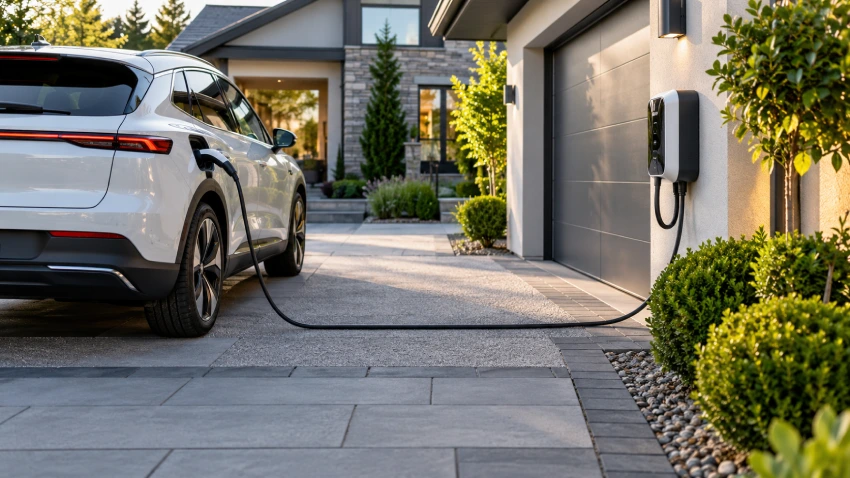
Designing a driveway for an electric car starts with the way the vehicle will be used every day. The driveway should not only fit the car; it should also allow the charging cable to reach safely, doors to open fully, people to walk past, and rainwater to drain away from the charging area.
The best EV driveway design usually combines a strong sub-base, clear parking position, practical surface finish, good drainage, and tidy access from the house to the vehicle. If the surface is too narrow, uneven, slippery, or poorly drained, charging becomes less convenient and the driveway wears faster.
| EV driveway design point | Why it matters | Practical surface response |
| Parking width | Doors, charging port and walking space need room | Plan width before resurfacing |
| Charger position | Cable should not cross unsafe routes | Place vehicle bay beside the charging point |
| Drainage | Standing water near cables is a problem | Use permeable or drainage-led surfacing |
| Surface strength | EVs can be heavy under repeated parking | Build the base for regular vehicle loads |
| Cable route | Trip hazards should be avoided | Keep the charger close to the parking bay |
| Maintenance | EV driveways need a clean, stable surface | Choose resin-bound, tarmac or block paving carefully |
| Night use | Charging often happens after dark | Plan markings, edges and access routes |
Total Surfacing Solutions normally starts with the existing driveway layout before recommending a finish. If the space is too tight, the slope is awkward, or the surface holds water, the EV driveway may need widening, drainage correction, edging, or full resurfacing before the final material is installed.
Electric Car Driveway Width And Parking Space
Driveway width is one of the first things to check when designing for an electric car. A standard parking space may fit the car, but it may not leave enough room to open doors, reach the charging port, carry shopping, move bins, or walk past the vehicle safely.
The charging port location also matters. Some electric cars charge from the front, some from the rear, and some from the side. If the charger is fixed on the wrong side of the driveway, the cable may stretch across a walking route or sit where it can be driven over.
For homeowners planning layout changes, the EV driveway width framework can help explain how parking space, door clearance, and access routes affect the final design. If the current surface is too narrow, the driveway widening cost structure is useful before excavation or surfacing work begins.
Total Surfacing Solutions can assess whether the driveway needs widening, reshaping, edging, or resurfacing so the electric car fits the space without making daily access awkward.
Charging Point Position And Cable Access
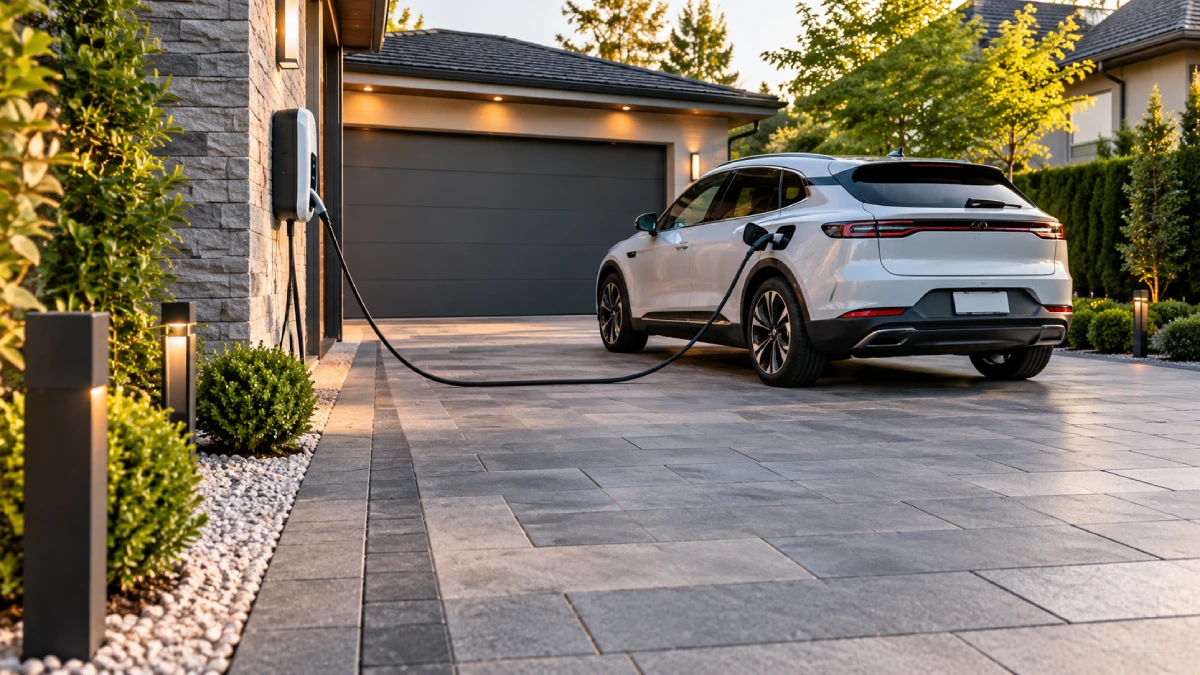
An EV driveway should be designed around the charging point, not just the car. The charger should be close enough to the parked vehicle so the cable does not trail across steps, footpaths, garden borders, or areas where people walk.
A clean layout keeps the charging point on the practical side of the vehicle bay. This reduces trip hazards and makes charging easier in bad weather or low light. It also helps avoid cable strain, messy routing, and repeated dragging across the driveway surface.
Where the driveway has a narrow side path, a garage threshold, or a front door route, Total Surfacing Solutions can help shape the surface and access zones around real daily movement. Brickwork, edging, steps, and surfacing should work together so the charging area feels planned rather than added later.
If widening or access changes are being considered, the driveway access permission notes can help homeowners understand what to check before changing the entrance layout.
Resin-Bound Driveways For Electric Cars
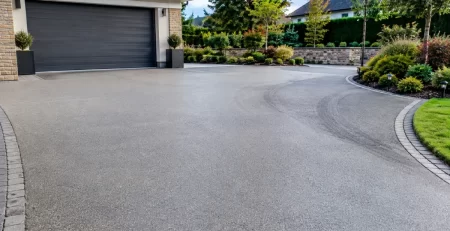
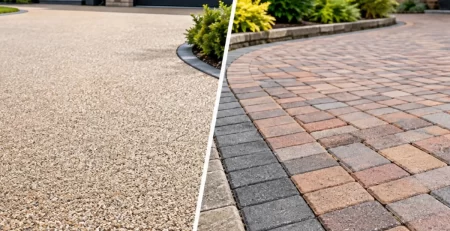
Resin-bound driveways are often a strong fit for electric cars because they provide a smooth, modern surface with good kerb appeal and practical drainage potential. When installed over a suitable base, resin-bound surfacing can help water move through the surface rather than gathering around the parked vehicle.
For EV use, this matters because the driveway should remain stable, clean, and easy to walk across while the vehicle is charging. A resin-bound surface also avoids the loose stone movement that can happen with gravel, which is useful around charging cables and walking routes.
Total Surfacing Solutions installs resin driveways in hertfordshire for homeowners who want a modern finish that supports daily parking and low-maintenance use. Where drainage is a priority, permeable resin bound surfacing can be considered as part of a complete driveway design.
The resin-bound water movement guide is useful for understanding why the base, edging, and surface build-up all affect drainage. For EV driveways, that full build-up is more important than the top layer alone.
Tarmac Driveways For EV Parking
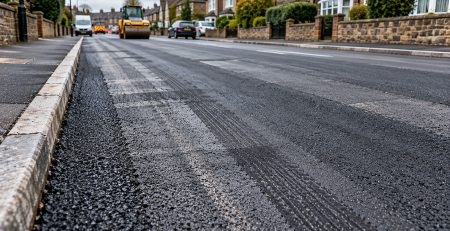
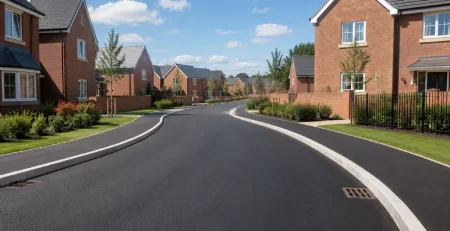
Tarmac driveways can work very well for electric cars when the base is strong, the surface is level, and drainage is designed properly. Tarmac is practical for daily vehicle use, larger parking areas, and driveways where durability matters more than decorative detail.
For electric cars, the main design focus is a stable parking bay with no soft edges, low spots, or water traps. If the vehicle parks in the same position every day, the driveway must be prepared to handle repeated loading without surface deformation or edge breakdown.
Total Surfacing Solutions provides tarmac driveways in hertfordshire for residential and commercial projects where a hard-wearing surface is needed. Tarmac can also be a practical choice where the EV driveway forms part of a larger access route, shared entrance, or commercial parking area.
For homeowners comparing long-term performance, the tarmac driveway durability factors explain why base strength, drainage, and maintenance affect how well a tarmac surface performs.
Block Paving For EV Driveway Layouts
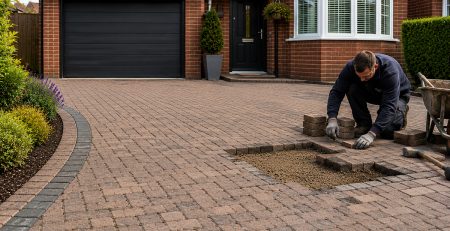
Block paving can be used for an electric car driveway when the sub-base, edge restraints, and drainage are designed correctly. It can create a structured, traditional look and allows patterns, borders, and individual blocks to define the parking bay.
For EV use, block paving should not be treated as just a decorative finish. The driveway needs a stable foundation because repeated parking, turning, and braking can move poorly supported blocks. The joints should also be maintained so the surface stays neat and even.
Total Surfacing Solutions can advise on a block paving driveway hertfordshire where the client wants a more traditional finish with clear edges and hard landscaping detail. For technical planning, the paver support layer principles help explain why preparation matters under any paved driveway.
Block paving may also work well with brickwork, outdoor steps, and boundary features when the driveway needs a more detailed entrance design around the charging space.
Driveway Base Strength For Electric Vehicles
Electric cars can place consistent load on the same parking area every day, especially where the vehicle is charged overnight in one fixed position. That makes base strength essential.
A driveway surface can look finished while still having weak ground underneath. If the sub-base is too shallow, poorly compacted, or affected by water, the driveway can dip, crack, shift, or develop ruts. This is especially likely where the vehicle turns sharply into the same bay each day.
The vehicle-ready driveway base depth is useful for understanding why driveway structure matters, even if the final surface is not concrete. Total Surfacing Solutions checks the base condition before recommending resin-bound surfacing, tarmac, block paving, or asphalt.
A strong EV driveway should be built as a system: excavation, sub-base, drainage, edging, surface layer, and access details all have to support the vehicle use.
Driveway Drainage For EV Charging
Drainage is a major part of electric car driveway design. The charging area should not hold water, and rain should not collect around cables, steps, entrances, or the point where people stand to plug in the vehicle.
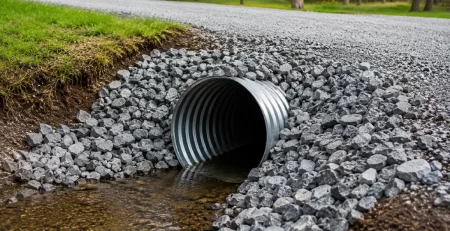
A good EV driveway directs water away from the house, garage, public footpath, and charging zone. Depending on the site, this may involve resin-bound surfacing, drainage channels, permeable borders, correct falls, or a redesigned driveway level.
Total Surfacing Solutions considers drainage before surfacing because the wrong fall can make even a new driveway inconvenient. Water collecting near a charging bay can also lead to staining, algae, winter slipperiness, and faster surface wear.
Where drainage and sustainability are priorities, the sustainable surfacing options can help compare materials for water management and long-term use.
Driveway Aprons And EV Access
The driveway apron is the transition between the road and the private driveway. For an electric car, this area matters because low front bumpers, heavier vehicles, and repeated entry can expose poor levels or weak edges.
If the apron is too steep, uneven, or badly shaped, the car may scrape or the driveway edge may fail over time. This is especially important if the EV charging position requires the driver to pull fully onto the driveway in a specific orientation.
The driveway entrance transition basics can help homeowners understand why the entrance design affects daily use. Total Surfacing Solutions can assess whether the apron, edge, and main driveway surface should be planned together before resurfacing.
A smooth transition is not just about comfort. It protects the driveway edge, keeps access practical, and reduces stress on the surface where the vehicle enters and exits.
Sloped Driveways And EV Parking
A sloped driveway needs careful planning for an electric car. The surface must provide stable parking, safe foot access, controlled drainage, and a charging route that does not create a trip hazard.
On a slope, water can run quickly toward the house, garage, pavement, or road. The charging cable may also cross a steeper walking route, making the layout less safe if it is not planned properly.
The inclined driveway layout method explains why gradients, transition angles, edging, and drainage need to work together. If water has already damaged the surface, the surface erosion control steps can help identify early driveway problems.
Total Surfacing Solutions can recommend resin-bound surfacing, tarmac, asphalt, or block paving depending on the slope, vehicle movement, and drainage route.
Outdoor Steps, Brickwork And Edges
An EV driveway often needs more than a flat parking surface. Outdoor steps, retaining edges, boundary walls, and brickwork may all affect how safely people move between the house, charger, and vehicle.
If the charger is near the front door, steps must be positioned so the cable does not cross the main walking route. If the driveway is raised or sloped, edging and brickwork can help retain levels and protect the surface.
Total Surfacing Solutions provides outdoor step installation in Hertfordshire where a driveway design needs safer access between levels. The team also offers bricklaying services in Hertfordshire for walls, boundaries, edging, and decorative features that support the finished driveway layout.
These details are especially useful when an EV driveway needs a clean surface, safe access, and a charger position that fits naturally into the front of the property.
Custom Resin Finishes For EV Driveways
Custom resin finishes can make an electric car driveway look planned rather than purely functional. Aggregate colour, borders, edging, and contrast details can define the parking zone while still keeping the surface clean and modern.
This is useful for homeowners who want the EV bay to blend into the property rather than look like a basic utility area. A well-designed resin-bound driveway can frame the entrance, support drainage, and create a practical route to the charging point.
Total Surfacing Solutions offers custom resin driveways for clients who want a surface finish matched to the house style. The modern resin driveway planning ideas can help homeowners compare layout, colour, and border options before choosing a finish.
For new-build properties or recently renovated homes, the new-build resin driveway approach is also useful when the driveway design needs to match a modern exterior.
Low Maintenance EV Driveway Design
A low-maintenance driveway is important for electric car owners because the parking bay is used often and should stay clean, stable, and safe. Loose stones, weeds, puddles, uneven blocks, and worn edges can all make daily charging more frustrating.
Resin-bound surfacing is often a strong option because it has fewer joints than block paving and less movement than gravel. Tarmac can also be low-maintenance when correctly installed and drained. Block paving can work well too, but it needs more joint care over time.
Total Surfacing Solutions can recommend a low-maintenance driveway design based on the homeowner’s surface preference, drainage needs, and daily parking habits. The resin driveway upkeep balance helps explain where resin performs well and where proper preparation is still essential.
For an EV driveway, low maintenance should mean fewer avoidable problems: less standing water, fewer loose edges, stable parking, and a cleaner route from house to car.
Commercial EV Parking And Line Marking
Commercial EV parking needs a more structured design than a single home driveway. Businesses, schools, car parks, forecourts, and residential developments may need marked bays, safe walking routes, clear charging zones, and durable surfacing that handles frequent vehicle movement.
Line marking is especially important where EV charging bays must be visible, organised, and easy to access. It can help separate charging spaces from general parking, pedestrian routes, loading zones, and traffic flow.
Total Surfacing Solutions provides line marking services in Hertfordshire for car parks, roads, and commercial sites where layout clarity matters. For larger car parks, surfacing and marking should be planned together so the charging bays sit on a durable, well-drained surface.
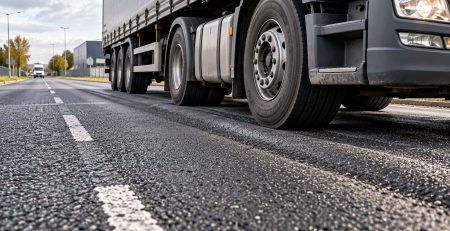
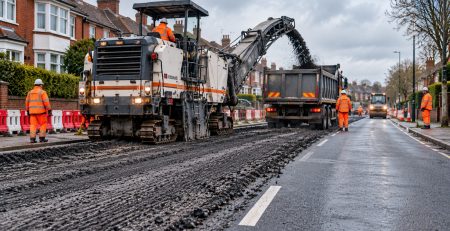
Commercial EV parking may also need tarmac, asphalt, or machine-laid surfacing where the site has higher traffic volumes or heavier daily use.
Fast Installation And EV Driveway Planning
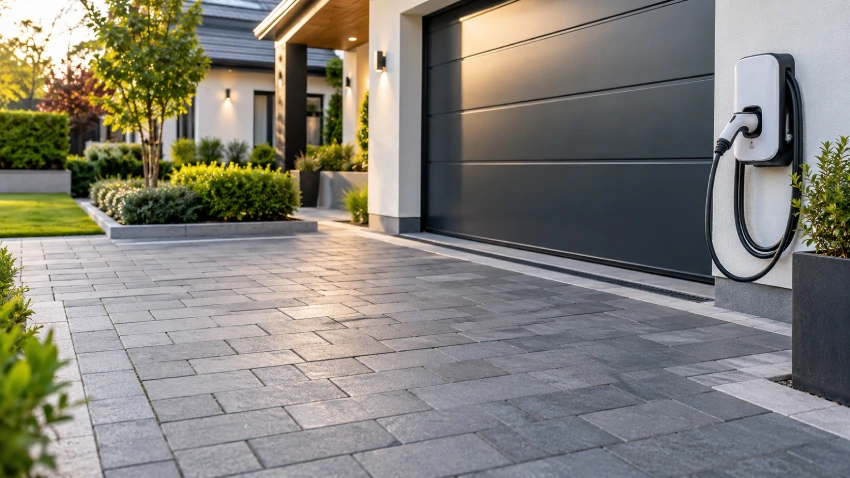
Fast installation can be useful when a homeowner needs the driveway ready before an EV charger is fitted or before a new vehicle arrives. However, speed should not come at the expense of base preparation, drainage, or layout planning.
The best sequence is to plan the charger position, parking bay, surface material, drainage, edging, and any steps or brickwork before installation begins. This avoids cutting into a new surface later or discovering that the cable route is awkward after the work is complete.
Total Surfacing Solutions can support driveway installation hertford for homeowners who need a clear plan from driveway assessment to finished surface. If tarmac is preferred, the tarmac installation sequence can help explain why preparation, levels, and compaction matter.
A well-designed EV driveway should be ready for today’s vehicle and flexible enough for future use.
How Do I Design A Driveway For An Electric Car? Area Coverage
Local driveway design matters because parking space, road position, drainage, slope, property age, and frontage layout vary by area. Total Surfacing Solutions works across Hertfordshire and surrounding counties, helping homeowners and commercial clients plan EV-ready driveway surfacing with practical access, drainage, and long-term performance in mind.
How Do I Design A Driveway For An Electric Car? In Bedfordshire
Bedfordshire homeowners planning an electric car driveway should start with parking width, charging access, and water movement. Total Surfacing Solutions can compare resin-bound surfacing, tarmac, block paving, and drainage-led layouts so the driveway supports daily charging without making access awkward.
How Do I Design A Driveway For An Electric Car? In Oxford
Oxford driveway projects can involve older properties, narrow entrances, and limited frontage space. Total Surfacing Solutions can help plan an EV driveway surface that balances charger location, parking space, kerb appeal, and practical access from the house to the vehicle.
How Do I Design A Driveway For An Electric Car? In Cambridgeshire
Cambridgeshire homes and small commercial sites may need EV driveway designs that handle rain, parking, and easy maintenance. Total Surfacing Solutions can assess whether resin-bound surfacing, tarmac, block paving, or supporting drainage details are the right route for the site.
Electric Car Driveway Design In Essex
Essex homeowners planning an electric car driveway can use resin-bound surfacing where a smooth, modern and drainage-conscious finish is needed. Total Surfacing Solutions can assess the charging position, driveway base, surface condition, and access route before recommending a final design.
EV Driveway Surfacing In Essex
Essex driveway projects may involve resurfacing, widening, edging, or changing the parking layout for electric car use. Total Surfacing Solutions can recommend a surface that works with the charging point, vehicle movement, drainage route, and property style.
Electric Car Driveway Repair In Essex
Essex driveway repairs may be needed before an EV charger is installed if the current surface is cracked, uneven, or holding water. Total Surfacing Solutions can check whether localised repair, resurfacing, or a stronger base is needed before regular electric car parking begins.
Tarmac EV Driveways In Essex
Essex machine lay tarmac can be useful for larger driveways, shared parking areas, and commercial EV spaces. Total Surfacing Solutions can plan a durable surface where consistent levels, clear access, and practical installation are more important than decorative detail.
How Do I Design A Driveway For An Electric Car? In Hertfordshire
Hertfordshire homeowners designing an electric car driveway should plan the charging bay, cable route, surface strength, drainage, and walking access together. Based in Hertford, Total Surfacing Solutions can recommend resin-bound surfacing, tarmac, or block paving depending on the property.
EV Driveway Surfacing In Hertfordshire
Hertfordshire driveway projects can include resin-bound surfacing, tarmacadam, asphalt, block paving, edging, and hard landscaping. Total Surfacing Solutions can help property owners design a practical EV-ready driveway that suits the home and daily vehicle use.
Electric Car Driveway Repair In Hertfordshire
Hertfordshire driveway repairs may be needed when potholes, dips, broken edges, or drainage issues make charging access less practical. Total Surfacing Solutions can inspect whether the surface needs repair, resurfacing, or base correction before the driveway is used for regular EV parking.
Tarmac EV Driveways In Hertfordshire
Hertfordshire machine lay tarmac is useful for larger EV parking areas, shared driveways, private roads, and commercial charging zones. Total Surfacing Solutions can support projects where durability, level control, and efficient installation are priorities.
Final Answer: How Do I Design A Driveway For An Electric Car?
To design a driveway for an electric car, start with the parking position, charger location, driveway width, cable route, drainage, and base strength. The surface should make daily charging simple, safe, and clean without creating trip hazards, water problems, or awkward access around the vehicle.
For many homes, resin driveways in hertfordshire are a strong choice because resin-bound surfacing can provide a smooth, modern, low-maintenance finish with good drainage potential when installed correctly. Tarmac, block paving, and asphalt can also work when the driveway needs heavier use, a traditional look, or a larger parking area.
Total Surfacing Solutions can inspect the existing driveway and recommend the right combination of surface, base, drainage, edging, and access details. A good EV driveway should not feel like an afterthought; it should make charging and parking easier every day.
FAQs
How Do I Design A Driveway For An Electric Car?
Start by planning the parking bay, charger position, cable route, surface strength, drainage, and walking access together. The electric car should be able to park close to the charger without the cable crossing steps, footpaths, or awkward walking routes. The surface should also be strong enough for daily parking and designed to avoid standing water around the charging zone.
How wide should an electric car driveway be?
An electric car driveway should be wide enough for the vehicle, open doors, charging access, and safe movement around the car. The exact width depends on the vehicle size, charger position, front door route, bins, walls, and whether another vehicle also needs to park. A driveway that only just fits the car can become inconvenient once charging cables and daily movement are included.
What surface is best for an EV driveway?
The best surface for an EV driveway depends on the property, drainage, budget, and style preference. Resin-bound surfacing is often a strong choice for homes because it gives a smooth finish and can support drainage-led design. Tarmac is practical for heavier use and larger areas. Block paving can work where a traditional, structured driveway finish is preferred.
Is resin-bound surfacing suitable for electric cars?
Yes, resin-bound surfacing can be suitable for electric cars when it is installed over the right base and designed for regular vehicle use. It can provide a smooth, tidy, low-maintenance surface with fewer loose materials around the charging area. The key is correct preparation, drainage, edging, and installation depth so the driveway performs under daily parking.
Can I install an EV charger before resurfacing my driveway?
You can, but it is often better to plan the charger and driveway together. If the charger is installed first, the cable route, parking position, and surface levels may not match the final driveway layout. Planning both together helps avoid cutting into a new surface later or discovering that the charger is on the wrong side of the vehicle bay.
Does an EV driveway need drainage?
Yes, drainage is important for an EV driveway. Water should not pool around the charging area, footpath, house entrance, or garage threshold. Good drainage also protects the driveway base from long-term damage. Depending on the site, the design may use resin-bound surfacing, drainage channels, correct falls, or permeable borders to control rainwater.
Is tarmac good for an electric car driveway?
Tarmac can be a good surface for an electric car driveway when installed with a strong base and correct drainage. It is durable, practical, and suitable for daily vehicle use. It may be especially useful for larger parking areas or shared access routes. The surface should be planned to avoid low spots, weak edges, and standing water near the charging bay.
What should I avoid when designing an EV driveway?
Avoid placing the charger where the cable has to cross steps, footpaths, or main walking routes. Avoid narrow parking bays, weak bases, poor drainage, loose surfaces near the charging area, and sharp edges that make access difficult. It is also important not to choose a driveway material only for appearance without checking whether it suits daily electric car use.