Why Your Car Park Surface Fails Faster Than You Expect (And How to Prevent It)
Car park surfaces are expected to withstand constant use, varying vehicle weights, and changing weather conditions. Despite this, many property owners and site managers find that their surfaces begin to fail far sooner than anticipated. This is rarely due to a single issue. Instead, premature failure is usually the result of a combination of design, installation, and maintenance shortcomings.
In the UK, environmental conditions play a significant role. Frequent rainfall, temperature fluctuations, and freeze-thaw cycles can gradually weaken even well-laid surfaces. However, the most common causes of early deterioration often begin long before the first vehicle ever uses the space.
A properly constructed car park should deliver years of reliable performance. When it does not, it is usually a sign that critical steps in planning or execution have been overlooked.
The Impact of Poor Ground Preparation
Sub-Base Weakness and Structural Instability
One of the leading causes of surface failure is inadequate ground preparation. The sub-base forms the foundation of any car park, and if it is not correctly installed, the surface above will inevitably suffer.
A weak or poorly compacted sub-base can lead to uneven settlement, cracking, and eventual surface collapse. This is particularly problematic in areas with high traffic or heavier vehicles, where consistent load-bearing performance is essential.
Professional contractors understand that preparation is not simply about levelling the ground. It involves assessing soil conditions, ensuring proper compaction, and selecting the right materials to create a stable and durable foundation.
Drainage Considerations at Ground Level
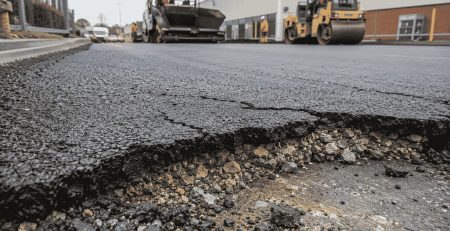
Water is one of the most damaging elements for any paved surface. Without effective drainage at the sub-base level, water can accumulate beneath the surface, weakening the structure over time.
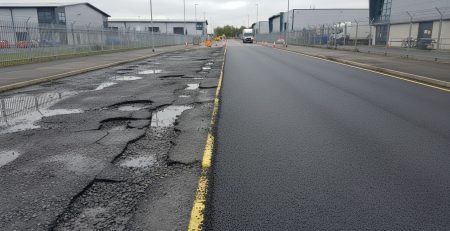
This leads to soft spots, cracking, and pothole formation. In many cases, surface issues that appear minor are actually symptoms of deeper drainage problems that were not addressed during installation.
Material Selection and Its Long-Term Effects
Choosing the Right Surface Material
Not all surfacing materials perform equally under the same conditions. Car parks require materials that can handle repeated vehicle movement, turning forces, and varying loads.
Tarmac is often a preferred choice due to its flexibility and durability. When installed correctly, it can accommodate minor ground movement without cracking. However, poor-quality materials or incorrect mix specifications can significantly reduce its lifespan.
Working with experienced professionals who specialise in tarmac installation ensures that the correct materials are selected for the specific demands of the site.
Thickness and Load-Bearing Requirements
Another common issue is insufficient surface thickness. A car park designed for light vehicles may fail quickly if it is later used by heavier traffic such as delivery vans or service vehicles.
The thickness of both the base and surface layers must be carefully calculated based on expected usage. Cutting corners at this stage often leads to costly repairs and disruption later.
The Role of Installation Quality
Importance of Professional Application
Even the best materials will fail if they are not installed correctly. Uneven laying, poor compaction, and inconsistent finishing can all lead to early deterioration.
Machine-laid surfaces tend to offer greater consistency and durability compared to manual methods. This is because they provide uniform thickness and compaction across the entire area.
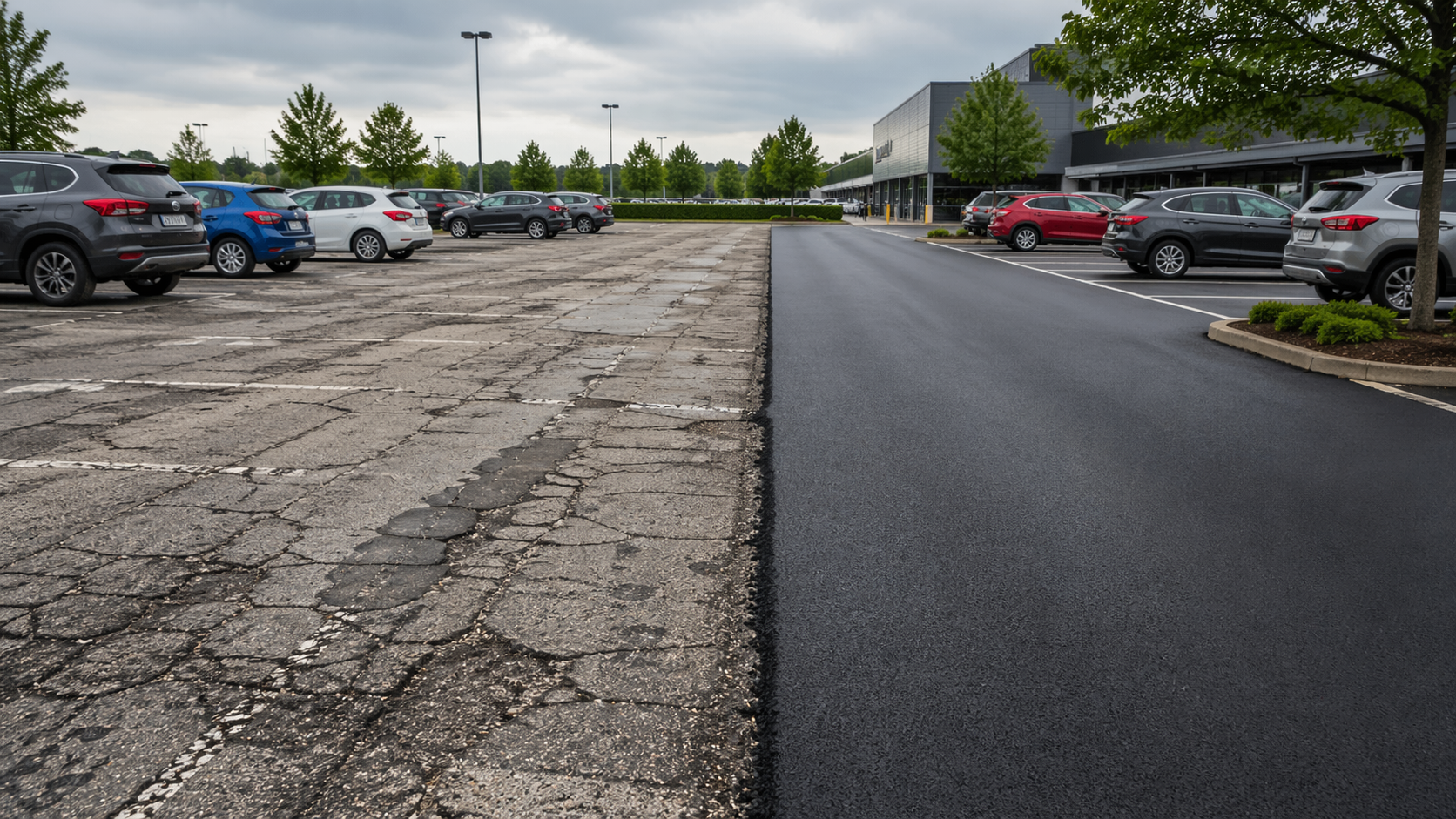
Using services such as machine laid tarmac helps ensure a smooth, long-lasting finish that performs well under regular use.
Joint Weakness and Edge Failure
Edges and joints are particularly vulnerable areas in any car park. If these are not properly reinforced, they can begin to break down quickly, especially in high-traffic zones or where vehicles frequently turn.
Edge failure often spreads inward, gradually compromising the entire surface. This highlights the importance of attention to detail during installation, particularly in transitional areas and boundaries.
Environmental Factors That Accelerate Wear
Weather Conditions in the UK
The UK climate presents a unique set of challenges for surfacing. Rainwater penetration, followed by freezing temperatures, can cause expansion and contraction within the surface layers.
Over time, this repeated movement leads to cracking and surface fatigue. Without proper drainage and material flexibility, these issues can develop rapidly.
UV Exposure and Surface Degradation
While often overlooked, ultraviolet exposure can also affect surface performance. Prolonged sunlight can cause certain materials to become brittle, increasing the likelihood of cracking under pressure.
Although this is less severe than water-related damage, it still contributes to overall wear and should be considered when selecting materials.
Traffic Patterns and Usage Pressure
High-Traffic Areas and Turning Points
Not all parts of a car park experience the same level of stress. Entry points, exits, and turning areas are subjected to significantly higher forces than straight sections.
These zones are more prone to surface deformation, rutting, and cracking. Without reinforced design and appropriate material thickness, they can fail much sooner than expected.
Weight Distribution and Vehicle Types
Car parks that accommodate a mix of vehicles must be designed accordingly. Occasional use by heavy vehicles can place unexpected strain on surfaces that were only designed for cars.
Understanding how the space will be used both now and in the future is essential for ensuring long-term durability.
The Consequences of Poor Maintenance
Small Issues Becoming Major Problems
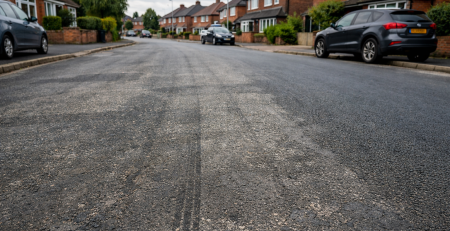
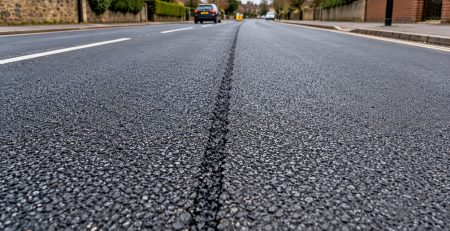
Many surface failures begin as minor defects. Small cracks, slight depressions, or early signs of wear can quickly escalate if not addressed.
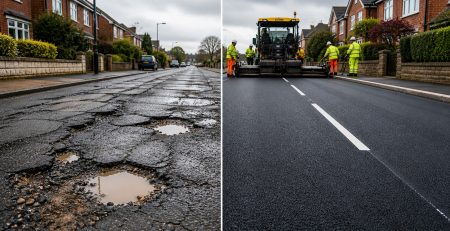
Water infiltration through cracks is particularly damaging, as it accelerates internal weakening. Over time, this leads to potholes and more extensive structural issues.
Regular inspections and timely repairs are key to preventing these problems from developing further.
Importance of Professional Repairs
Attempting to address issues without proper expertise can often make the situation worse. Temporary fixes may not address the underlying cause, leading to repeated failures.
Professional pothole repairs ensure that both the surface and underlying structure are properly restored, extending the life of the car park.
Preventative Measures for Long-Lasting Surfaces
Investing in Proper Design and Installation
The most effective way to prevent early failure is to invest in quality from the outset. This includes thorough site assessment, appropriate material selection, and expert installation.
Working with experienced commercial surfacing contractors ensures that all aspects of the project are handled professionally, reducing the risk of future issues.
Ongoing Maintenance and Monitoring
A proactive approach to maintenance can significantly extend the lifespan of a car park surface. Regular inspections allow potential problems to be identified and addressed before they worsen.
Maintenance should be viewed as an essential part of asset management rather than an optional expense. Over time, this approach reduces costs and minimises disruption.
Ensuring Effective Drainage Systems
Proper drainage is one of the most critical factors in preventing surface failure. Ensuring that water is directed away from the surface and does not accumulate beneath it helps maintain structural integrity.
This includes both surface-level drainage and sub-base design, which must work together to manage water effectively.
Why Professional Expertise Makes the Difference
Car park surfacing is more complex than it may initially appear. Each stage, from planning through to maintenance, plays a crucial role in determining how long the surface will last.
Choosing experienced professionals ensures that all variables are considered and managed correctly. From ground preparation to final finishing, attention to detail is what separates a long-lasting surface from one that fails prematurely.
For property owners and site managers, understanding these factors is essential. It allows for better decision-making, more effective budgeting, and ultimately, a more durable and reliable car park.