How Does Quality Road Surfacing Cut Maintenance Costs?
Roads become expensive to maintain when small defects are allowed to reach the foundation. That is the practical answer to how quality road surfacing cuts maintenance costs. A good-looking finish will not last if the base is weak, water is getting into the pavement layers, or the surface is carrying traffic it was not designed for.
The real saving comes from surfacing that protects the structure below, keeps water under control, suits the traffic load, and receives preventative treatment before failure spreads. This guide explains how better surfacing reduces repeated patching, pothole cycles, disruption and deeper reconstruction.
CTA: If water, surface wear or repeated patching is making your driveway harder to manage, a permeable resin driveway in Bedfordshire can help you plan a surface that drains properly and stays easier to maintain.
How Quality Road Surfacing Cuts Maintenance Costs?
Quality surfacing reduces maintenance spend by stopping the common failure chain: weak base, poor drainage, cracking, water ingress, traffic stress, potholes and repeated repairs. The supplied research found that quality road surfacing works best when it keeps water out, carries the expected load, has a sound foundation, and receives preventative treatment before defects become structural.
| Maintenance issue | What causes the extra spend | How quality surfacing controls it |
| Water entering the pavement | Cracks, open joints, poor falls and failed seals | Better drainage, sealed surfaces and suitable permeable systems |
| Repeated potholes | Local defects repaired without fixing the cause | Correct repair depth, base checks and better surface preparation |
| Early cracking | Weak foundation, fatigue, movement or poor compaction | Sound base course, binder course and compacted layers |
| Surface deformation | Heavy vehicles, turning stress or unsuitable material | Material and layer design matched to traffic load |
| Expensive reconstruction | Preventative work delayed until the structure fails | Earlier treatment while the pavement is still structurally sound |
A useful way to think about how quality road surfacing cuts maintenance costs? is to compare surface preservation with structural failure. In the supplied research, East Riding Council’s indicative figures show surface dressing and preservation treatment at around £5/m², compared with about £75/m² for reconstruction. Those figures are not universal UK prices, but they show why earlier intervention can sit at the cheaper end of the maintenance cycle.
Road Surfacing Costs Start Below the Surface
The visible surface is only one part of a road. Quality road surfacing cuts maintenance costs when the lower layers are prepared properly, because the surface course depends on the strength beneath it. If the base or sub-base moves, the top layer will crack, settle or break no matter how neat it looks after installation.
A durable road build-up normally depends on the correct sub-base, base course, binder course and surface course working together. Readers who need the layer-by-layer context can use this road surface construction layer overview to understand why each part affects future maintenance.
The base course and binder course have different jobs. The base helps support load, while the binder course helps distribute stress before the surface course takes direct tyre wear. That is why the base course and binder course differences matter when judging long-term road surfacing costs.
Good preparation also reduces repeat repairs. A surface laid over unstable, poorly compacted or contaminated material can fail early, especially around edges, turning areas and drainage points. The base course preparation framework is useful because many road surfacing maintenance problems begin before the final layer is installed.
Water Ingress Creates Repeat Maintenance
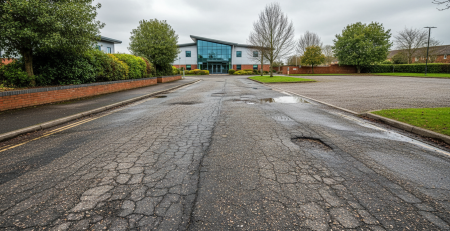
Water is one of the strongest drivers of road surfacing failure. Once water gets into cracks, failed edges or weak joints, traffic movement can force the defect wider and deeper. Over time, that creates potholes, loose material and base weakening.
Quality road surfacing cuts maintenance costs by reducing water entry and moving rainwater away from vulnerable areas. That can mean correct falls, drainage channels, sealed surface treatments or a permeable system where the site conditions allow it. For domestic surfaces where drainage is part of the brief, permeable resin bound surfacing in Oxford can support better surface-water management when the base and drainage design are correct.
The supplied research also highlights why surface dressing is used on structurally sound roads: it helps seal the carriageway against water ingress and slows further deterioration. This does not mean a surface treatment can fix a failed structure. It means the right treatment at the right stage can delay more expensive work.
Driveways and private roads face the same problem on a smaller scale. Standing water, loose edges and channels through the surface often point to drainage or base issues, not just surface staining. The driveway erosion causes checklist helps explain why water control is central to lower maintenance.
Heavy Traffic Increases Surfacing Stress
Traffic load affects how quickly a surface breaks down. Light domestic use, delivery vans, refuse lorries, HGVs and repeated turning movements all place different stress on road surfacing. Quality road surfacing cuts maintenance costs when the material and layer depth match the vehicles using the surface.
Heavy-use routes need more careful material selection because rutting, shoving, cracking and edge failure can appear quickly when the structure is underdesigned. The heavy-use road surfacing material factors are important for access roads, estate roads, service yards and business parks.
Machine-laid tarmac is often used where a more consistent finish is needed across larger areas. The high-traffic machine-lay tarmac process explains why evenness, compaction and correct sequencing matter under heavier traffic.
Mistakes during installation can undo the value of a stronger surface. Poor levels, inadequate preparation, unsuitable weather conditions or weak edges can all lead to premature road surfacing maintenance. The machine-lay tarmac mistake checklist is worth reviewing before large-area surfacing is agreed.
The Right Treatment Avoids False Economy
Not every road defect needs full reconstruction, but not every road can be saved with a surface-only treatment. Quality road surfacing cuts maintenance costs when the treatment matches the condition of the pavement. Surface dressing, patching, overlay, inlay, resurfacing and reconstruction all solve different levels of failure.
| Road condition | Suitable response | Why it controls future spend |
| Sound structure with early surface wear | Surface dressing or preservation treatment | Keeps water out before defects deepen |
| Localised pothole with stable edges | Correct-depth patch repair | Removes failed material without overworking sound areas |
| Widespread surface cracking | Resurfacing or inlay after inspection | Restores the surface before wider deterioration spreads |
| Failed substructure | Reconstruction | Removes the deeper cause of repeated surface failure |
| Heavy-use deformation | Structural review and suitable surfacing | Prevents repeat rutting and patching |
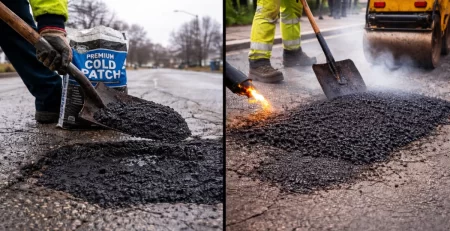
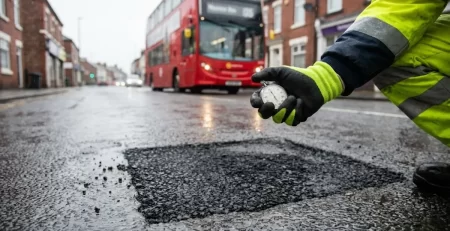
Potholes are a clear example. A quick patch may be enough for a small, isolated defect, but repeated potholes in the same place usually point to water, base failure or poor repair depth. The UK pothole repair method differences help separate temporary filling from more durable reinstatement.
Pothole lifespan also depends on preparation, material, weather and whether the surrounding surface is still stable. That is why the pothole repair lifespan factors matter when deciding whether patching is sensible or whether resurfacing should be considered.
Budget planning should also compare planned work with reactive work. The supplied research notes that ALARM 2026 reported average planned pothole work at £63.11 and reactive repair at £93.79. The UK pothole repair budgeting framework is useful because reactive repair cycles can hide the larger whole-life maintenance cost.
Preventative Surfacing Keeps Options Open
Preventative work is most effective while the pavement remains structurally sound. Quality road surfacing cuts maintenance costs because early treatment can slow decline before the road reaches the reconstruction stage. Once the base fails, cheaper preservation options may no longer be suitable.
The supplied research gives two useful examples. Wokingham’s guidance says surface dressing can cost less than one-tenth of full resurfacing and can extend surface life by up to 10 years in suitable cases. East Riding gives indicative surface-dressing design life of 10–15 years depending on traffic and use. These figures should be tied to the treatment and source, not used as a blanket promise for every road.
Preventative maintenance also reduces disruption. Planned work can be scheduled, inspected and budgeted, while reactive repairs often mean repeat site visits, emergency labour, traffic management and short-notice access problems. For commercial sites, the business park road maintenance framework helps owners plan inspections around visitors, tenants and deliveries.
Private developments have their own maintenance pressures because estate roads may carry resident traffic, delivery vehicles and construction-related loads before long-term use settles. The private development road surfacing requirements explain why adoption status, expected traffic and long-term responsibility should shape the surfacing plan.
Resurfacing Is Not Always Enough
A new surface can fail quickly if deeper movement, weak foundations or poor drainage remain underneath. Quality road surfacing cuts maintenance costs when the diagnosis comes before the treatment. If the defect is structural, a surface-only layer may simply hide the problem until cracking returns.
This is why owners should be cautious when resurfacing is recommended without a proper check of the existing pavement. The supplied Reddit material raised the same public frustration: newly resurfaced roads sometimes fail within months, which leads people to question whether the original work was poor or whether the wrong issue was treated.
A more useful explanation is that different layers have different functions. The surface may be renewed while the lower structure remains weak, wet or overloaded. The machine-lay tarmac and resurfacing differences help clarify when a new laid surface is appropriate and when deeper investigation is needed.
For domestic surfaces, resurfacing can work when the existing tarmac is still stable and the surface failure is not too deep. The tarmac driveway resurfacing conditions help identify when resurfacing is reasonable rather than simply covering a failing structure.
Cracking Should Be Treated Early
Cracks are often the first visible warning that road surfacing maintenance may become more expensive. Small cracks let water enter, and repeated traffic movement can turn that moisture into deeper pavement failure. Quality road surfacing cuts maintenance costs when cracking is monitored and treated before the base is affected.
Fatigue cracking needs particular attention because it can show repeated load stress across a weakened area. The asphalt fatigue cracking causes are useful for identifying whether the issue is surface age, heavy traffic, weak support or drainage-related deterioration.
Tarmac lifespan also depends on climate, use, installation quality and maintenance timing. The UK climate tarmac lifespan factors help explain why weather exposure and water control should be part of any long-term maintenance plan.
Driveway owners should apply the same logic. The tarmac driveway lifespan indicators can help decide whether cleaning, sealing, patching, resurfacing or replacement is the more practical next step.
Material Choice Must Fit the Site
A more expensive material does not automatically mean lower maintenance. Quality road surfacing cuts maintenance costs when the chosen material suits the foundation, traffic, drainage, climate and expected use. The supplied research specifically warns against unsupported claims such as “quality surfacing lasts 50% longer” or “premium surfaces stop water entering.”
For domestic and private settings, resin-bound surfacing may suit sites where appearance, permeability and maintenance routine all matter. Where sustainable drainage is part of the requirement, SUDS compliant surfacing in Cambridgeshire can be relevant when the sub-base and water route are correctly planned.
In Essex, sites dealing with surface water or worn driveway finishes may need a system that reduces ponding and avoids loose, hard-to-maintain surfaces. A permeable resin driveway in Essex can be suitable where the existing ground and drainage design support it.
The key point is not to choose a surface by appearance alone. Quality road surfacing cuts maintenance costs when the specification starts with what the surface must carry, how water will move, and how the owner will maintain it over time.
Inspections Turn Repairs Into Planning
Quality road surfacing cuts maintenance costs when inspections happen before defects spread. Regular checks allow property owners, estate managers and commercial site teams to record cracks, edge failure, rutting, standing water and potholes while repairs are still manageable.
A simple inspection routine should look at entrances, turning areas, drainage channels, kerb lines and any section that carries heavier vehicles. Repeated defects in one place should be treated as a sign of an underlying problem, not a coincidence. The aim is to move from emergency callouts to planned maintenance.
For homes and private sites, low-maintenance surfacing still needs the right build-up and basic care. A low maintenance driveway in Hertfordshire can help reduce day-to-day upkeep where the surface is specified for drainage, use and site conditions.
How Quality Road Surfacing Cuts Maintenance Costs Across Local Areas

Quality road surfacing cuts maintenance costs by improving surface durability, drainage, load resistance and long-term condition. Across Bedfordshire, Oxford, Cambridgeshire, Essex and Hertfordshire, the right surface specification can reduce premature cracking, recurring repairs and unnecessary resurfacing.
Resin Surface Lifespan in Bedfordshire
A durable surface can reduce repeated maintenance when the base, drainage and finished layer work together correctly. Choosing resin driveway durability in Bedfordshire can support longer service intervals by limiting early deterioration and reducing the frequency of corrective surface work.
Long-Term Resin Performance in Oxford
Long-term performance matters because repeated minor repairs can increase whole-life surfacing costs. Well-prepared resin driveway upkeep in Oxford should consider drainage, base stability and surface condition so maintenance can remain preventative rather than becoming repeated structural repair.
Durable Resin Surface Performance in Cambridgeshire
Quality construction can help delay cracking, loose material and other defects that lead to repeated intervention. Properly designed resin driveway longevity in Cambridgeshire depends on suitable preparation and water management as much as the visible resin-bound finish.
Resin Surface Maintenance Reduction in Essex
Reducing maintenance demand starts with preventing avoidable surface deterioration. Good resin driveway lifecycle performance in Essex can help limit recurring repair requirements when the surface is supported by a stable base and effective drainage.
Long-Life Resin Surfacing in Hertfordshire
A longer-lasting surface can reduce how often patching, sealing or resurfacing is required. Focusing on resin driveway maintenance control in Hertfordshire connects installation quality with the main goal of lowering unnecessary maintenance over the usable life of the surface.
Plan Surfacing Around Whole-Life Maintenance
The most reliable answer to how quality road surfacing cuts maintenance costs? is simple: it reduces the causes of repeat failure before they become structural. A sound base, controlled water, suitable material and planned inspections all help extend the useful condition of the surface.
If your existing surface is cracking, holding water or needing repeated patching, Total Surfacing Solutions can help assess whether repair, resurfacing or a new permeable system is the sensible next step. For local properties, a permeable resin driveway in Bedfordshire may support better drainage and easier long-term care where the site is suitable. The earlier the cause is identified, the easier it is to avoid repeat maintenance cycles.
FAQs
Why does new road surfacing sometimes fail within months?
New road surfacing can fail within months when the finished layer is placed over a weak base, poor drainage or an unsuitable structure. The surface may look complete, but movement underneath can create cracks, potholes and deformation quickly. Quality road surfacing cuts maintenance costs only when the whole pavement build-up is considered. That means checking the foundation, water movement, traffic load and repair history before assuming a new top layer will solve the problem.
Does better road surfacing actually reduce maintenance costs?
Better road surfacing can reduce maintenance costs when “better” means correctly specified, well prepared and matched to the site. The saving does not come from choosing a more expensive surface by default. It comes from reducing water ingress, supporting the expected traffic load, preventing early cracking and keeping the road suitable for lower-cost preventative treatment. Quality road surfacing cuts maintenance costs by slowing the defects that usually lead to repeated patching or reconstruction.
Why is the road base important for long-term maintenance costs?
The road base is important because it carries and distributes load below the visible surface. If the base is weak, wet, poorly compacted or already failed, the surface above it will often crack or move again. Quality road surfacing cuts maintenance costs when the base is strong enough for the expected use. Without that support, resurfacing can become a short-term cosmetic fix rather than a durable maintenance solution.
How does water ingress increase road repair costs?
Water ingress increases road repair costs by weakening the layers below the surface. Cracks, open joints, failed edges and poor drainage allow moisture to reach the base or sub-base. Traffic then pushes those weakened areas apart, causing potholes, loose material and deeper failure. Quality road surfacing cuts maintenance costs by keeping water away from vulnerable layers through drainage, sealing and suitable surface design.
Why do pothole patches keep failing in the same place?
Pothole patches often keep failing in the same place because the repair treats the hole but not the cause. Water may still be entering, the surrounding edge may be weak, or the base beneath the patch may have failed. Quality road surfacing cuts maintenance costs by identifying whether the defect needs a deeper reinstatement, drainage correction or wider resurfacing instead of another shallow patch.
Is preventative road maintenance cheaper than resurfacing?
Preventative road maintenance is usually cheaper when the road remains structurally sound. The supplied research gives examples where surface dressing and preservation treatments sit far below reconstruction in indicative cost schedules. However, preventative treatment is not a cure for a failed base. Quality road surfacing cuts maintenance costs by applying the right treatment early enough, before structural failure removes the cheaper options.
When is resurfacing no longer enough?
Resurfacing may no longer be enough when the road has structural failure, deep rutting, repeated potholes, widespread cracking or drainage problems below the surface. In those cases, adding a new top layer may hide the issue for a short time, but the defect can return. Quality road surfacing cuts maintenance costs by diagnosing the depth of failure before deciding between patching, resurfacing, inlay or reconstruction.
Does heavy traffic increase road maintenance costs?
Heavy traffic can increase road maintenance costs because repeated wheel loads, braking, turning and HGV movement place more stress on the pavement. If the surfacing and base are not designed for that load, rutting, cracking and edge failure can appear sooner. Quality road surfacing cuts maintenance costs by matching the material, layer depth and preparation to the real traffic pattern rather than treating every surface the same.