The First 30 Days After Road Surfacing: What Really Happens Beneath the Surface
When a new road or access route has been laid, it often appears complete the moment the machinery leaves site. The surface looks smooth, uniform and ready for traffic, giving the impression that the work is finished. In reality, the first month after installation is one of the most important stages in determining how well that surface performs over the years ahead.
The road surfacing curing process continues long after installation. During this period, the materials gradually stabilise, compact under normal traffic and settle into their final condition. While a professionally laid surface is designed to be used shortly after completion, understanding what happens beneath the surface helps property owners and site managers appreciate why proper installation and sensible aftercare are so important.
Why the First 30 Days Matter
The first month is effectively the transition period between installation and long-term service. Although modern tarmac and asphalt mixtures are engineered for durability, they continue to develop strength as they cool, compact and adapt to the loads placed upon them.
This is why experienced contractors pay close attention to preparation, material selection and laying techniques. High-quality workmanship creates the conditions needed for the curing process to progress correctly, reducing the likelihood of premature defects.
Professional tarmac installation ensures every layer has been installed to the correct specification before the curing stage even begins.
The First 24 Hours
During the first day, the surface cools rapidly from the high temperatures used during installation. As it cools, the bitumen binder begins to stiffen while the aggregates lock together to create a stable structure.
Although the road is often opened to traffic within a relatively short time, the binder is still becoming fully established. Heavy turning movements, prolonged stationary loads and unnecessary stress are best avoided where practical during this early stage.
This initial cooling period forms the foundation for everything that follows over the coming weeks.
Traffic Helps the Surface Settle
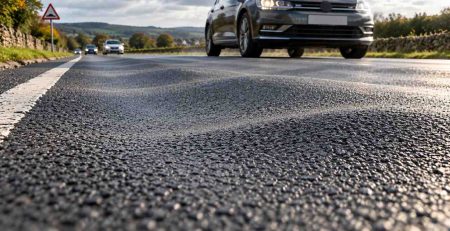
One of the more surprising aspects of the road surfacing curing process is that normal traffic can actually assist the final consolidation of the surface. Regular vehicle movement applies controlled loading that helps the aggregate particles bed together more effectively.
Problems are far more likely to arise from concentrated stress than from ordinary traffic. Sharp steering while stationary, heavy construction vehicles exceeding design limits or repeated braking in one location may place unnecessary strain on a newly surfaced area.
What Happens During the First Week
Over the first seven days, the binder continues to harden gradually. Temperature fluctuations between day and night also influence the flexibility of the surface, particularly during warmer weather.
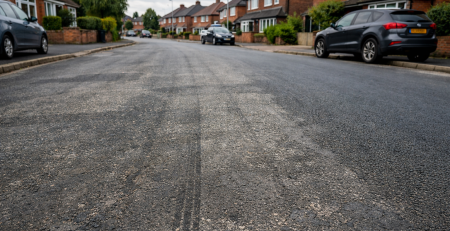
Small cosmetic changes may become visible. Tyre marks can occasionally appear during hot conditions, and the colour often changes from a rich black to a lighter charcoal shade as oxidation begins naturally.
These visual changes are entirely normal and do not indicate poor workmanship.
Moisture and Drainage Continue to Play a Role
Water remains one of the biggest long-term threats to any road surface. Although the new surface itself is designed to resist moisture penetration, effective drainage remains essential from the very beginning.
Standing water places unnecessary stress on any pavement structure, especially if the underlying layers have not been designed correctly.
This is why drainage is always considered alongside the surfacing itself rather than as an afterthought. Whether installing private roads, commercial yards or estate access roads, proper water management significantly contributes to long-term durability.
Many successful projects featured within the company’s case studies demonstrate how preparation and drainage work together to achieve lasting results.
Weeks Two and Three: Increasing Stability
As the second and third weeks progress, the road becomes increasingly resistant to everyday wear. The binder continues its gradual hardening process while the compacted layers reach greater stability.
By this point, the surface is performing much closer to its intended long-term characteristics. Vehicle loads become distributed more effectively throughout the pavement structure, reducing movement within the upper layers.
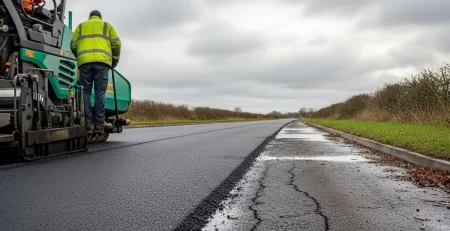
Professional machine laying techniques help ensure this transition occurs consistently across the entire surface. Uniform compaction minimises weak spots that could otherwise develop into future maintenance issues.
Modern machine lay tarmac methods are particularly effective at producing an even finish with excellent long-term performance.
Why Proper Foundations Matter More Than the Surface
Many people understandably focus on the visible top layer, yet the majority of a road’s strength comes from what lies beneath.
The subgrade, sub-base and binder layers all work together to distribute traffic loads safely into the ground. If these foundations have been constructed correctly, the visible surface experiences far less stress throughout its life.
Conversely, even the highest-quality surfacing materials cannot compensate for inadequate preparation beneath them.
This is why experienced surfacing contractors spend significant time preparing the foundation before the final wearing course is laid.
Common Questions During the First Month
It is perfectly normal for property owners to notice subtle changes during the first thirty days.
The surface may gradually become lighter in colour as the bitumen oxidises naturally. Minor roller marks often become less noticeable over time, while small amounts of loose aggregate may appear immediately after installation before being dispersed through normal traffic.
These characteristics are expected and rarely indicate any structural concern.
However, significant depressions, standing water, cracking or movement should always be reported promptly so they can be assessed by the installation contractor.
Environmental Conditions Continue to Influence Performance
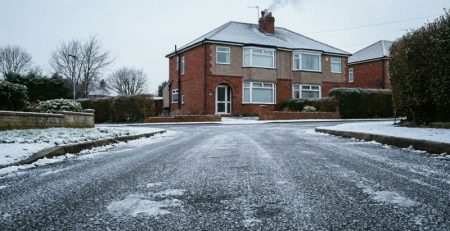
British weather creates unique challenges throughout the curing period. Warm summer temperatures soften the binder slightly, while cooler evenings encourage gradual hardening.
Heavy rainfall generally affects drainage rather than the curing process itself, provided the pavement structure has been installed correctly.
Professional contractors carefully consider seasonal conditions when planning projects to achieve the highest possible standards throughout the installation.
Looking Beyond the First Month
By the end of the first thirty days, most of the early curing process has been completed. The surface has settled under traffic, the binder has continued to mature and the pavement structure is functioning as intended.
From this point onwards, long-term performance depends largely upon routine maintenance, drainage management and preventing unnecessary damage from overloaded vehicles or poor repairs.
Regular inspections allow small issues to be identified before they become expensive resurfacing projects. Prompt attention to isolated defects also helps preserve the integrity of the wider pavement.
If future maintenance is required, addressing minor defects early through professional pothole repairs can significantly extend the overall lifespan of the surface.
Choosing Professional Road Surfacing from the Start
The first thirty days reveal why quality installation matters far more than appearances alone. A professionally constructed road continues developing strength beneath the surface long after completion, with every properly installed layer contributing to years of reliable service.
From careful ground preparation and accurate machine laying to effective drainage and quality materials, every stage influences how successfully the road surfacing curing process unfolds.
Whether the project involves a commercial estate, industrial access road or private development, investing in experienced commercial surfacing contractors provides the foundation for a surface designed to perform reliably for many years.