The Most Expensive Road Repair Is the One You Delay
Many property owners and facilities managers assume that a small crack, shallow pothole, or worn section of road can safely wait until a more convenient time to repair. While this may seem like a sensible way to manage budgets, delaying repairs is often the most expensive decision in the long term.
Road surfaces naturally deteriorate through constant traffic, changing weather conditions, and the ageing of construction materials. Once the surface has been compromised, water can penetrate beneath it, weakening the underlying structure. What begins as a minor defect can quickly develop into widespread damage that requires far more extensive work.
Professional maintenance carried out at the right time protects both the surface and the investment made in it, helping property owners avoid unnecessary disruption and significantly higher repair costs.
Small Defects Rarely Stay Small
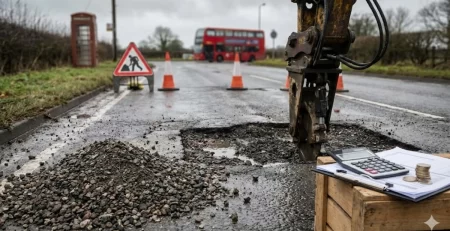
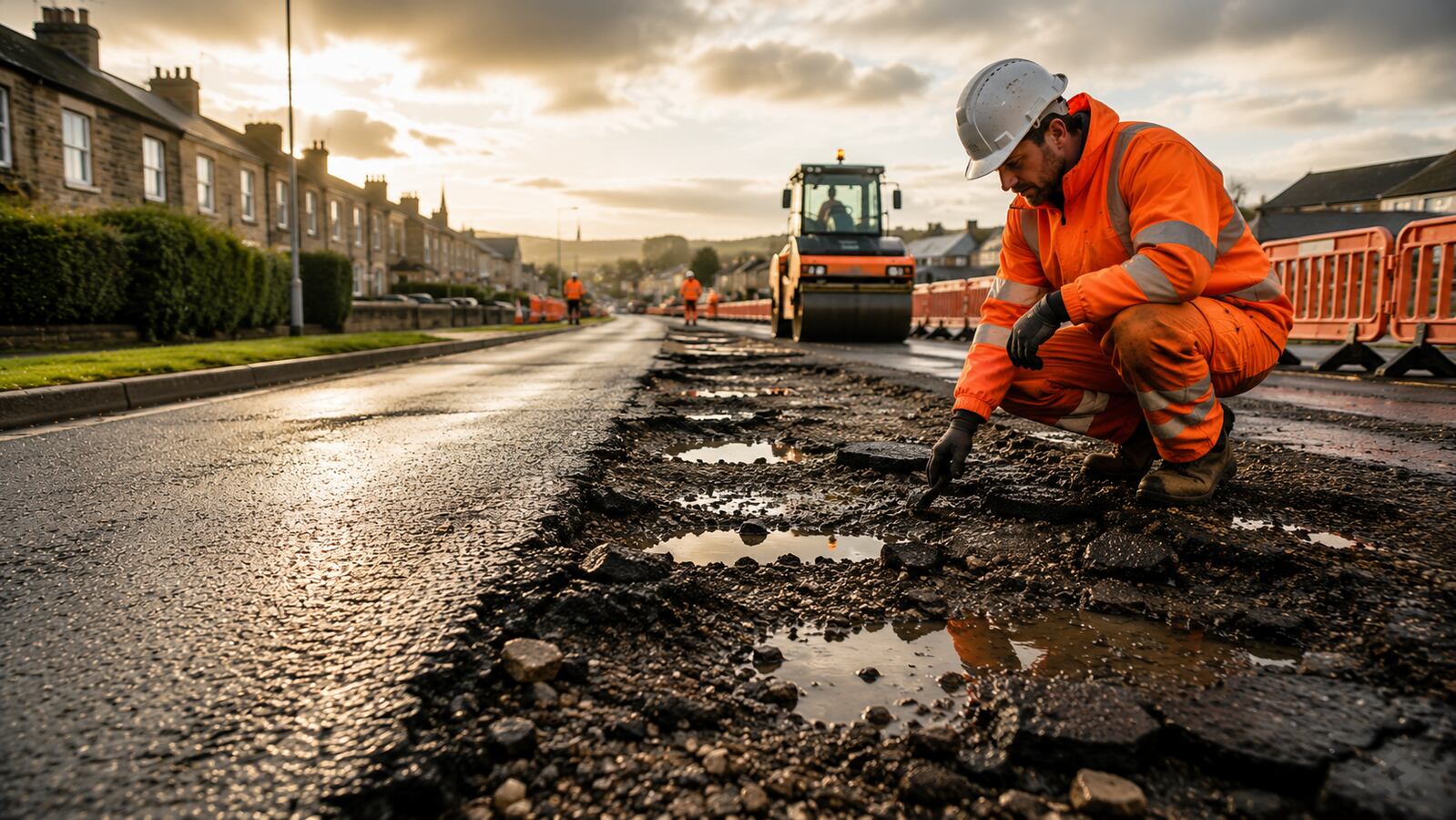
The early signs of surface deterioration are often easy to overlook. Hairline cracking, minor edge failures and isolated potholes may appear cosmetic, but they are usually the first indication that moisture is entering the pavement structure.
As vehicles continue to travel over damaged areas, pressure forces water deeper into the foundation layers. During colder months, repeated freezing and thawing accelerate the damage further. Heavy commercial vehicles increase loading stresses, causing weakened areas to fail much more rapidly than expected.
By addressing problems while they remain localised, contractors can often complete straightforward repairs that restore both the appearance and performance of the surface before structural damage develops.
Water Is the Biggest Threat to Any Road Surface
One of the primary reasons road defects worsen so quickly is poor water management. Once the protective wearing course is breached, rainfall can infiltrate the sub-base, reducing its strength and stability.
Even a relatively small amount of trapped moisture can undermine the support beneath the surface. As traffic loads continue, the asphalt flexes more than intended, leading to additional cracking, rutting and pothole formation.
Professional inspections identify these vulnerable areas early, allowing repairs to be completed before widespread reconstruction becomes necessary.
Repair Costs Increase Exponentially
There is a significant financial difference between repairing a small section of damaged surfacing and replacing an entire access road.
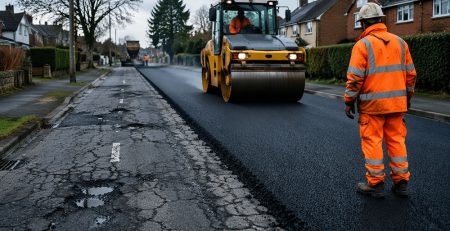
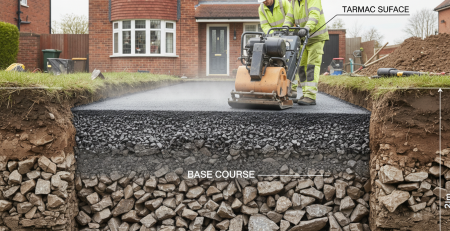
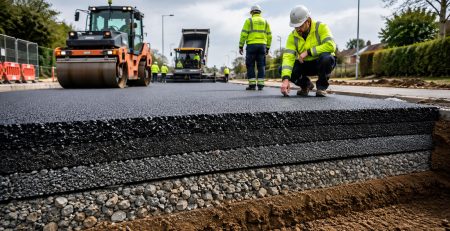
Early intervention may only require localised patching or targeted repairs. However, if deterioration is ignored, contractors may eventually need to remove large sections of failed material, reconstruct foundation layers and install entirely new surfacing.
This increased scope of work naturally results in higher material costs, longer project durations and greater disruption to businesses, residents and visitors.
Choosing experienced specialists for tarmac installation and preventative maintenance helps reduce the likelihood of these more expensive remedial projects becoming necessary.
Business Disruption Can Be More Costly Than the Repair
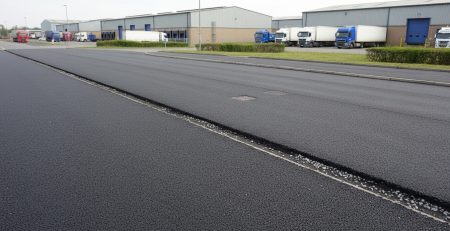
For commercial premises, industrial estates and retail parks, damaged roads affect far more than maintenance budgets.
Unsafe surfaces can disrupt deliveries, create vehicle damage claims, reduce customer confidence and increase health and safety risks. Temporary closures during emergency repairs may also interrupt normal business operations.
Planned maintenance allows work to be scheduled around operational requirements, minimising inconvenience while extending the life of the existing surface.
Safety Should Never Be Delayed
Every surface defect presents a potential hazard.
Potholes can damage vehicles, uneven surfaces create trip hazards for pedestrians, and deteriorating edges reduce the overall stability of access roads. As defects become larger, the likelihood of accidents and liability claims increases.
Maintaining safe surfaces demonstrates responsible property management while helping organisations meet their duty of care towards employees, visitors and contractors.
Where defects have already developed into isolated failures, prompt pothole repairs can restore safety before more extensive deterioration occurs.
Preventative Maintenance Extends Surface Life
Road surfacing should not only be viewed as a reactive service. Preventative maintenance forms an essential part of protecting long-term infrastructure investments.
Routine inspections allow contractors to identify early warning signs before they become visible to most users. Minor repairs, crack sealing and localised resurfacing all contribute towards preserving the structural integrity of the pavement.
This proactive approach often extends the service life of a road by many years while reducing the total cost of ownership over its lifetime.
Planning Repairs Provides Better Value
Emergency repairs are rarely the most economical option.
When maintenance is planned in advance, contractors can prepare materials efficiently, schedule labour effectively and minimise traffic management requirements. Property owners also gain greater control over budgets, avoiding unexpected expenditure caused by sudden surface failures.
Organisations responsible for commercial premises, schools and residential developments frequently benefit from scheduled maintenance programmes that monitor road conditions throughout the year.
Working with experienced commercial surfacing contractors enables maintenance to be prioritised according to surface condition rather than waiting for complete failure.
Professional Assessment Makes the Difference
Not every defect requires full resurfacing, but determining the correct solution requires professional assessment.
Experienced surfacing contractors evaluate the condition of both the visible surface and the supporting structure before recommending appropriate repairs. In many cases, timely intervention preserves much of the existing pavement, significantly reducing costs compared with complete reconstruction.
An honest inspection also allows property owners to budget for future maintenance rather than facing unexpected emergency repairs.
Conclusion
The true cost of road repairs is rarely determined by the size of the original defect. It is determined by how long the problem is allowed to develop.
Small cracks become potholes. Localised failures spread across entire carriageways. Minor maintenance evolves into complete reconstruction. Acting early protects safety, reduces disruption and delivers far better value over the life of the surface.
For property owners, commercial site managers and facilities teams, timely maintenance is not simply an expense—it is one of the most effective ways to protect infrastructure, control long-term costs and ensure roads continue to perform reliably for years to come.