Why Does Tarmac Sink Around Drain Covers?
Tarmac sinking around drain covers is a common problem on driveways, car parks, access roads and commercial yards. It often begins as a small depression around the edge of the drain but can gradually become more noticeable as vehicles pass over the area and the underlying materials continue to move.
Although the visible problem appears to be the tarmac, the surface itself is not always the main cause. In many cases, sinking develops because the materials beneath or immediately around the drain have settled, weakened or were not compacted sufficiently during construction.
A properly constructed tarmac surface relies on several layers working together. The drainage structure also needs to be securely supported and set at the correct level. When one part of this construction moves independently from another, a depression can develop around the drain cover.
Understanding why tarmac sinks around drain covers is important because simply adding more material to the depression may not provide a lasting repair. The underlying cause needs to be identified before the affected area is reinstated.
Poor Compaction Around Drain Covers
One of the most common reasons for tarmac sinking around drain covers is inadequate compaction of the materials surrounding the drainage chamber.
Drainage systems normally require excavation so that chambers, pipes and associated components can be installed below ground. Once the drainage work has been completed, the excavated area must be carefully backfilled and compacted before the final surface is installed.
If the material surrounding the chamber contains voids or has not been compacted sufficiently, it can continue settling after the tarmac has been laid. Vehicle traffic places additional pressure on the area, gradually compressing the loose material underneath.
As the supporting material moves downwards, the tarmac above it follows.
This is why preparation is such an important part of professional tarmac installation and road surfacing services. The quality of the finished surface depends heavily on the construction beneath it, even though those supporting layers are no longer visible once the project is complete.
Why Areas Around Drains Can Be Difficult to Compact
Achieving consistent compaction around drainage structures can be more difficult than compacting a large, uninterrupted area.
Large rollers and other compaction equipment can work efficiently across open sections of a road, car park or access route. Around a drain chamber, however, the available working area becomes restricted.
Contractors therefore need to use appropriate smaller equipment and careful working methods to ensure that the materials immediately surrounding the drain receive sufficient compaction.
If this detail is overlooked, the main area of surfacing may remain stable while a small section around the drain begins to settle.
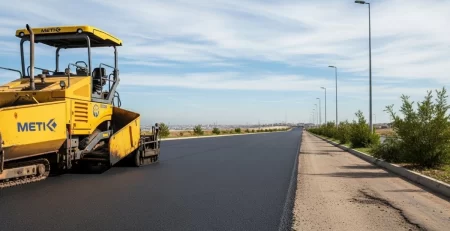
On suitable larger projects, machine lay tarmac can provide a consistent surface across substantial areas. However, drainage covers, edges and other fixed features still require careful preparation and finishing to ensure that the complete surface performs correctly.
Weak Foundations Beneath the Tarmac
Tarmac is only the visible upper part of a pavement construction. Its ability to withstand traffic depends heavily on the strength and stability of the layers underneath.
If the foundation beneath the surface is weak, contaminated, inadequately compacted or unsuitable for the expected traffic, movement can occur over time.
Drainage installations can be particularly vulnerable because the ground around the chamber has usually been disturbed during excavation. Even if the surrounding ground has been stable for many years, the newly excavated and backfilled section needs to be reconstructed correctly.
If this does not happen, settlement can continue beneath the finished surface.
A sunken area around a drain cover can therefore indicate a deeper problem rather than a simple defect in the surface course. Covering the depression with another layer of tarmac without examining the foundation may only disguise the issue temporarily.
Water Can Contribute to Further Settlement
Water is another important factor when investigating tarmac sinking around drain covers.
Drainage covers are normally positioned where surface water needs to be collected and removed. If the surrounding tarmac begins to sink unevenly, however, water may start collecting in the depression instead of flowing efficiently into the drainage system.
Standing water can then find its way through small cracks, joints or gaps around the drain frame.
Once water reaches the pavement layers beneath the tarmac, it can contribute to weakening and movement of susceptible materials. Repeated vehicle traffic over a weakened or saturated area can then accelerate deterioration.
This can create a continuing cycle. Initial settlement creates a depression, the depression holds water, water penetrates vulnerable areas, and the weakened construction experiences further movement.
For this reason, persistent standing water around a drain cover should not automatically be treated as a minor cosmetic problem.
Heavy Traffic Can Accelerate the Problem
The amount and type of traffic using a surface can significantly influence how quickly settlement becomes noticeable.
A residential driveway used by cars experiences very different loading from a commercial yard used regularly by delivery vehicles, refuse vehicles or HGVs.
Where a small weakness already exists beneath the tarmac, repeated heavy wheel loads can accelerate movement. Areas around drain covers can be particularly exposed because vehicle wheels may repeatedly cross the same point.
For commercial premises, the construction of the pavement needs to reflect the way the site will actually be used. Professional commercial surfacing contractors should consider expected traffic, vehicle weights and operational requirements when determining an appropriate surfacing solution.
A construction that performs adequately under occasional cars may not provide the same durability when subjected to regular heavy commercial traffic.
The Drain Cover Itself May Be Sinking
Not every apparent case of sinking tarmac is caused by movement of the surrounding surface.
Sometimes the drain frame or supporting structure has moved instead.
If the drain frame has inadequate support beneath it, repeated vehicle loads can cause the frame to settle. The drain cover then sits lower than the surrounding tarmac, creating a noticeable dip.
Determining which part has moved is important because the correct repair will be different.
If the surrounding pavement has settled but the drain remains stable, the pavement construction may need to be rebuilt locally. If the drain frame itself has moved, it may need to be removed, correctly supported and reset at the appropriate level before the surrounding tarmac is reinstated.
Simply adding material around an unstable drain frame will not correct the underlying structural problem.
Why Tarmac Cracks Around Sunken Drain Covers
Cracking often develops alongside settlement because tarmac performs best when it has consistent support beneath it.
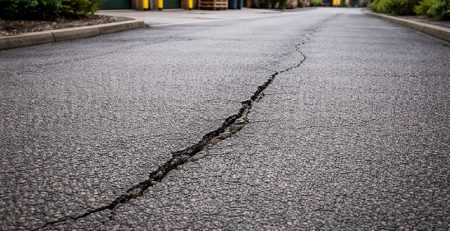
When one part of the pavement moves downwards while an adjacent area remains stable, additional stresses are placed on the surface. The tarmac may eventually crack around the perimeter of the drain or across the affected area.
These cracks can then allow water to penetrate beneath the surface.
As moisture enters the construction, the supporting materials may become increasingly vulnerable. Traffic continues applying pressure, cracks become larger and pieces of the surface may eventually begin breaking away.
At this stage, what began as a small depression can start developing into a more significant localised defect.
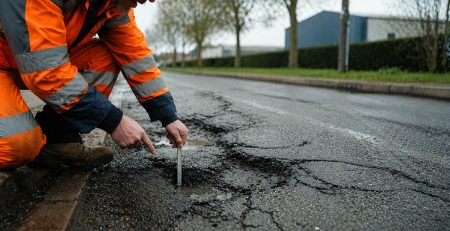
Timely pothole repairs and other appropriate localised repairs can help prevent damaged areas from continuing to deteriorate under traffic and changing weather conditions.
Can Sunken Tarmac Around a Drain Be Repaired?
Sunken tarmac around a drain can often be repaired successfully, but the correct method depends on what caused the settlement.
The first stage should be establishing whether the problem is confined to the tarmac, involves the supporting pavement layers or relates to movement of the drainage structure.
Where the underlying material has settled, the affected surface may need to be removed so the construction underneath can be inspected. Weak or loose material can then be excavated where necessary and replaced with suitable material that is properly compacted.
If the drainage frame has moved, it may need to be reset and securely supported at the correct finished level.
Only after the underlying issue has been addressed should the tarmac be reinstated.
The objective is not simply to make the surface look level again. A lasting repair needs to restore adequate structural support and reduce the likelihood of the same area sinking again.
Why Adding More Tarmac Is Not Always a Lasting Solution
Adding additional tarmac directly into a sunken area may appear to offer a quick solution, particularly when the depression is relatively shallow.
However, this approach does not necessarily address the reason the settlement occurred.
If loose material remains beneath the surface, it may continue compressing. If water is entering the construction, deterioration may continue underneath the new material. If the drain frame is unstable, repeated traffic can cause further movement.
The newly applied material may then sink or crack again.
Effective surfacing repairs therefore depend on identifying the cause rather than simply covering the visible symptom.
Preventing Tarmac From Sinking Around Drain Covers
Good preparation is one of the most effective ways to reduce the risk of settlement.
Drainage chambers need appropriate support, while excavated areas should be backfilled using suitable materials and compacted correctly. Particular attention needs to be given to the restricted areas immediately surrounding drainage structures.
The drain frame also needs to be positioned securely at an appropriate finished level.
Surface levels should allow rainwater to move towards the drainage system rather than creating unintended low points where water can remain after rainfall.
These details become particularly important when existing roads, yards or access routes are resurfaced. Existing drain covers should be assessed as part of the project rather than simply surfaced around without considering their condition.
Professional highway surfacing requires the drainage infrastructure and pavement construction to function together. A smooth surface alone does not guarantee long-term performance if the structures beneath and around it are inadequately supported.
When Should Sunken Tarmac Be Investigated?
A very slight variation around a drain cover does not necessarily mean major repairs are immediately required. However, noticeable or progressive movement should not be ignored.
If the depression is becoming deeper, cracks are developing around the drain, water regularly remains after rainfall or the cover itself appears loose, the area should be assessed.
Another warning sign is when the edges of the tarmac begin breaking away. This can indicate that movement and water penetration have already started affecting the surrounding surface.
Commercial site managers should pay particular attention to drain covers located along frequently used vehicle routes. Repeated heavy traffic can turn a relatively small weakness into a more disruptive defect.
Residential property owners should also monitor sinking around drains on driveways and private access roads. Addressing a localised problem before surrounding areas become damaged can make remedial work considerably more manageable.
A Lasting Repair Starts Below the Surface
Tarmac sinking around drain covers is often a sign that movement has occurred somewhere within the pavement or drainage construction.
Poor compaction, settlement of backfilled ground, inadequate foundations, water penetration, heavy traffic and movement of the drain frame can all contribute to the problem.
The correct solution depends on identifying which part of the construction has failed. Where necessary, the affected tarmac should be removed so the supporting layers and drainage structure can be examined and corrected before resurfacing takes place.
A properly constructed surface should provide consistent support around drainage infrastructure while maintaining suitable levels for effective water management. When problems do develop, dealing with the underlying cause provides a stronger basis for a durable repair than repeatedly filling the visible depression.