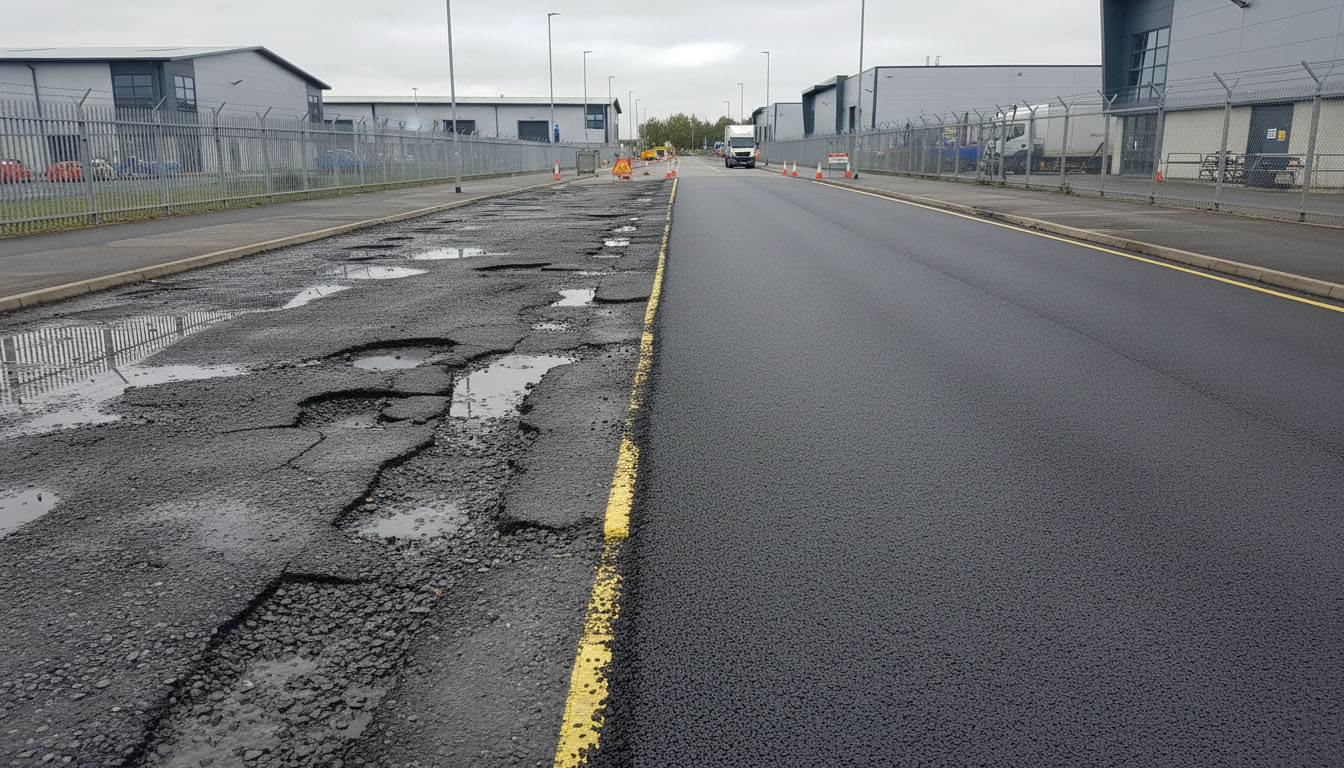
Why Reactive Maintenance Is Costing Your Business More Than You Think
Reactive maintenance is a common approach across many commercial properties, particularly where budgets are tight or surface issues appear minor at first glance. In simple terms, it involves addressing problems only after they have occurred, such as repairing potholes, cracks, or drainage failures once they become visible or disruptive.
While this approach may seem cost-effective in the short term, it often leads to significantly higher long-term expenditure. Surface deterioration rarely happens overnight. Instead, it develops gradually, meaning that by the time visible damage appears, underlying structural issues are often already advanced.
For business owners and site managers, this distinction is critical. Waiting until failure occurs does not just increase repair costs, it can also disrupt operations, reduce safety, and shorten the overall lifespan of the surface.
The Hidden Costs of Delayed Repairs
At first glance, reactive maintenance appears financially sensible. A single repair may seem cheaper than investing in ongoing upkeep. However, this perspective overlooks the cumulative impact of repeated failures and escalating damage.
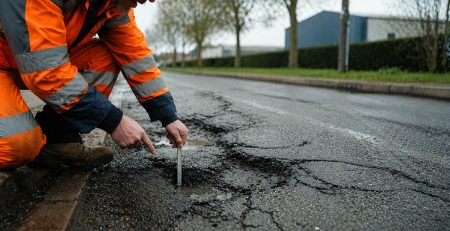
Small surface cracks, for example, allow water to penetrate the sub-base. Over time, this weakens the structural integrity of the surface, leading to larger failures such as potholes or widespread surface deformation. At this stage, simple repairs are no longer sufficient, and more extensive works become necessary.
This is where costs begin to rise sharply. What could have been managed through early intervention may eventually require full resurfacing. In many cases, businesses also face indirect costs such as vehicle damage claims, increased insurance risks, and operational delays caused by unsafe access routes.
Addressing issues early through planned intervention, including professional pothole repairs, helps prevent these problems from escalating into more serious and expensive failures.
Operational Disruption and Business Impact
Beyond financial implications, reactive maintenance can significantly affect daily operations. Damaged surfaces can restrict access for staff, customers, and delivery vehicles, particularly in high-traffic environments such as industrial estates, retail parks, and logistics hubs.
Unplanned repairs often require urgent scheduling, which can lead to inconvenient downtime. In contrast, planned maintenance allows work to be carried out at suitable times, minimising disruption and maintaining business continuity.
For commercial sites, surface reliability is essential. Access roads and car parks are often the first point of interaction for clients and visitors. A poorly maintained surface can create a negative impression, suggesting a lack of attention to detail or operational inefficiency.
Investing in proactive strategies, supported by experienced commercial surfacing contractors, ensures that surfaces remain functional, safe, and presentable at all times.
Safety Risks and Liability Concerns
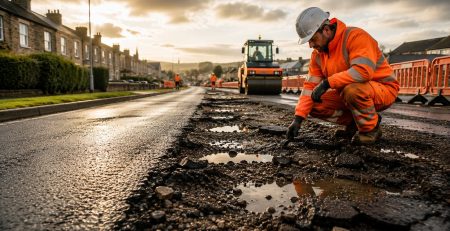
One of the most significant risks associated with reactive maintenance is safety. Damaged surfaces present hazards for both pedestrians and vehicles. Uneven ground, loose materials, and standing water can all contribute to accidents.
For businesses, this introduces potential legal liability. Slip, trip, and vehicle damage claims can result in costly legal disputes and reputational damage. In many cases, these incidents could have been prevented through routine inspections and timely maintenance.
Maintaining a safe environment is not only a legal responsibility but also a practical necessity. Regular upkeep ensures that surfaces remain compliant with safety standards while reducing the likelihood of incidents.
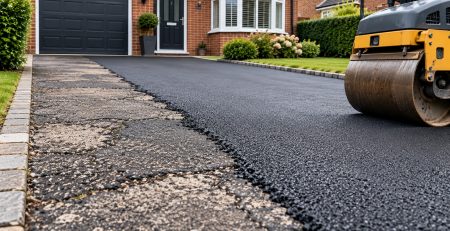
Professional solutions such as tarmac installation provide durable, even surfaces that are designed to withstand heavy use and changing weather conditions, reducing the need for reactive interventions.
The Role of Preventative Maintenance
Preventative maintenance offers a structured alternative to reactive approaches. Rather than waiting for problems to occur, this strategy focuses on identifying and addressing potential issues early.
This may include routine inspections, minor repairs, surface sealing, and drainage improvements. These measures help protect the surface from environmental damage and prolong its lifespan.
In the UK climate, where frequent rainfall and temperature fluctuations can accelerate surface deterioration, preventative maintenance is particularly important. Water ingress remains one of the leading causes of surface failure, making proper drainage and early crack repairs essential.
By investing in preventative care, businesses can maintain consistent surface performance while avoiding the unpredictable costs associated with emergency repairs.
Long-Term Cost Efficiency
Although preventative maintenance requires ongoing investment, it delivers far greater value over time. Surfaces that are properly maintained last significantly longer, reducing the need for major resurfacing works.
This approach also allows for better financial planning. Instead of facing unexpected repair bills, businesses can allocate budgets more effectively, spreading costs over time.
In contrast, reactive maintenance often leads to a cycle of repeated repairs. Each intervention addresses only the immediate issue, without resolving underlying problems. As a result, surfaces continue to deteriorate, leading to increasingly frequent and expensive repairs.
A structured maintenance strategy breaks this cycle, ensuring that surfaces remain in optimal condition while minimising long-term expenditure.
Improving Surface Performance and Durability
Well-maintained surfaces perform better under daily use. This is particularly important for areas subjected to heavy traffic, such as loading bays, access roads, and car parks.
Preventative maintenance helps preserve the structural integrity of the surface, ensuring it can withstand ongoing stress without premature failure. This includes maintaining a strong sub-base, ensuring proper drainage, and addressing minor defects before they worsen.
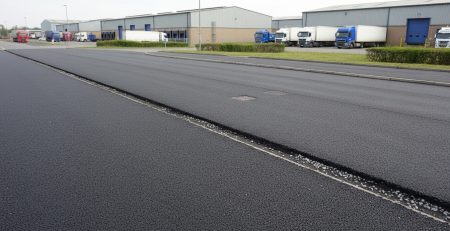
Modern installation techniques, including machine lay tarmac, further enhance durability by providing a consistent, high-quality finish. When combined with regular maintenance, these surfaces offer long-lasting performance with minimal disruption.
Environmental and Sustainability Considerations
Reactive maintenance is not only costly but also less sustainable. Frequent repairs require additional materials, energy, and labour, increasing the environmental impact of surface management.
Preventative maintenance, on the other hand, reduces the need for large-scale interventions. By extending the lifespan of existing surfaces, businesses can minimise waste and reduce their overall environmental footprint.
Sustainable practices are becoming increasingly important for commercial operations, particularly those seeking to meet environmental targets or improve their public image. Maintaining existing infrastructure efficiently is a key part of this process.
Planning Ahead for Better Outcomes
Effective surface management requires a proactive mindset. Rather than viewing maintenance as an occasional necessity, it should be treated as an ongoing process that supports long-term performance.
Working with experienced professionals allows businesses to develop tailored maintenance plans based on site usage, traffic levels, and environmental conditions. These plans ensure that surfaces receive the appropriate level of care at the right time.
For those looking to understand how proactive strategies deliver measurable results, reviewing completed projects through case studies can provide valuable insight into the benefits of planned maintenance and professional installation.
A Smarter Approach to Surface Management
Reactive maintenance may appear convenient, but it often leads to higher costs, increased risk, and reduced surface lifespan. By contrast, a proactive approach offers greater control, improved safety, and long-term financial efficiency.
For UK property owners and commercial site managers, the choice is clear. Investing in preventative maintenance is not simply about avoiding problems. It is about ensuring that surfaces remain reliable, safe, and cost-effective throughout their lifecycle.