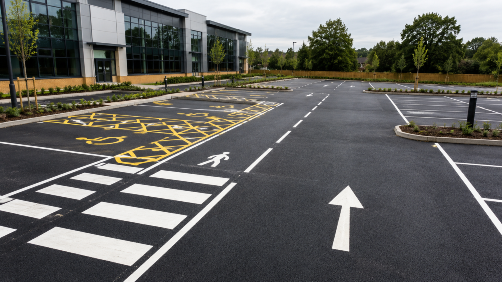
The Role of Line Markings in Safer Car Parks
Car park line markings are often treated as a finishing detail, but they play a much more important role in everyday site safety and organisation. For commercial premises, residential developments, schools, retail parks and private estates, clear markings help drivers understand where to park, where to give way, where pedestrians may be crossing and how traffic should move through the space.
A car park without clear markings can quickly become confusing. Vehicles may park too close together, access routes may become blocked and pedestrians may be forced to walk through unpredictable traffic areas. Even when the surface itself is in good condition, poor markings can make the site feel disorganised and unsafe. This is why line marking should be considered as part of wider car park planning, surfacing and maintenance rather than as a separate afterthought.
For property owners and site managers, effective markings support safer movement, better use of available space and a more professional appearance. They also help reduce unnecessary disputes between users by making expectations clear. When parking bays, disabled spaces, walkways, arrows and hazard areas are easy to identify, the whole car park becomes easier to manage.
Improving Driver Behaviour Through Clear Layouts
Drivers make quick decisions when entering and moving through a car park. They need to know where to go, where to slow down and where they are allowed to stop. Clear car park line markings give drivers visual guidance without the need for constant supervision or signage.
A well-marked layout can reduce hesitation, sudden stopping and awkward manoeuvres. Directional arrows show the intended traffic flow, while bay markings guide drivers into appropriate spaces. Give way markings, hatched areas and stop lines help control conflict points where vehicles may meet. This is especially important in busy commercial car parks where staff, customers, delivery vehicles and visitors may all be using the same space.
Poorly marked car parks can lead to inconsistent behaviour. Some drivers may follow old faded markings, while others may interpret the layout differently. This creates uncertainty, which increases the chance of minor collisions, blocked routes and frustration. In contrast, a clearly marked car park gives everyone the same set of visual instructions.
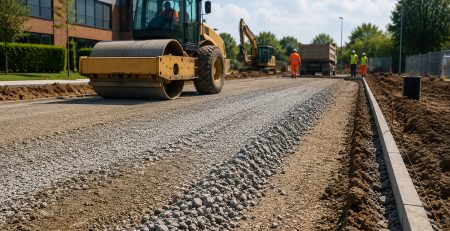
The quality of the surface beneath the markings also matters. A worn or uneven surface can make markings harder to apply and harder to see over time. Where the existing surface has deteriorated, professional tarmac installation may be needed before new markings are applied, particularly if the site requires a long-lasting and tidy finish.
Supporting Pedestrian Safety
Car parks are shared spaces, and pedestrians are often more vulnerable than drivers. People may be walking from vehicles to entrances, crossing access lanes, pushing trolleys, supervising children or moving between buildings. Without clear pedestrian routes, people naturally choose the shortest path, which may place them in areas where drivers do not expect them.
Line markings can help create safer pedestrian movement by defining walkways, crossing points and no-parking areas. Marked pedestrian routes make it easier for drivers to anticipate where people may be walking. They also guide pedestrians towards safer paths, especially on larger sites where entrances, exits and access roads may not be immediately obvious.
For schools, offices, healthcare premises and public-facing commercial sites, pedestrian safety is especially important. These environments often include people who may move more slowly or need additional space. Clear crossings, visible walkways and properly marked drop-off zones can make the car park more predictable for everyone using it.
Line markings cannot remove every risk, but they can make hazards easier to understand. When combined with good lighting, suitable signage and a well-maintained surface, they form a practical part of everyday site safety.
Making Better Use of Available Space
A car park does not always need to be larger to work better. In many cases, it needs a clearer and more efficient layout. Car park line markings help define the exact position and size of bays, access lanes and circulation routes. This prevents random parking and helps site managers make better use of the available area.
Without bay markings, drivers often leave inconsistent gaps between vehicles. Some may take up more space than needed, while others may park too close to neighbouring vehicles. This can reduce capacity and increase the likelihood of door damage or difficult manoeuvring. Properly planned bay markings help create a more consistent arrangement.
The layout should reflect how the car park is actually used. A small residential car park may need straightforward bay markings and access routes, while a commercial site may require visitor spaces, staff parking, loading areas, disabled bays, parent and child bays, motorcycle spaces and electric vehicle charging bays. Each marking should have a clear purpose.
For larger commercial sites, working with experienced commercial surfacing contractors can help ensure the surfacing and layout support the practical demands of the premises. The most effective car parks are planned as complete traffic environments, not simply as open areas of asphalt with lines added afterwards.
Accessibility and Inclusive Parking Provision
Accessible parking spaces need to be clearly marked, correctly positioned and easy to use. Disabled bays should provide suitable space for vehicle access, door opening and movement around the vehicle. They should also be located with sensible access to building entrances where possible.
Faded or unclear accessible bay markings can cause problems for users and site managers. Drivers may not realise a bay has been designated for disabled parking, or they may park too close to the marked access area. Clear markings help protect the space and make the car park easier to navigate for people who rely on accessible parking provision.
Line markings can also help identify pedestrian routes from accessible bays to entrances. This is important where the car park is large, where gradients are present or where vehicle movement is frequent. In these situations, markings contribute to a more inclusive and manageable environment.
Site managers should review accessible bays as part of routine car park maintenance. Over time, surface wear, weather exposure and traffic can reduce visibility. Refreshing markings before they become difficult to see is usually more effective than waiting until complaints or safety concerns arise.
Managing Commercial Traffic and Deliveries
Many commercial car parks are not used only for parking. They may also include delivery routes, loading bays, service yards, turning areas and access for larger vehicles. This makes line markings even more important because the site must safely accommodate different types of movement.
Loading bays should be clearly identified so that delivery vehicles do not block visitor parking, pedestrian areas or fire access routes. Hatched zones can help protect areas that must remain clear. Directional arrows can guide drivers through one-way systems, reducing conflict between vehicles entering and leaving the site.
For industrial premises, retail parks and business units, larger vehicles may need more turning space than standard cars. If markings are poorly planned, drivers may mount kerbs, block routes or reverse unnecessarily. A clear layout helps reduce these issues by showing where vehicles should travel and where they should not stop.
Durability is also important in these settings. Heavy use can wear markings more quickly, especially where vehicles turn tightly or brake frequently. A suitable surface, correct preparation and appropriate marking materials all contribute to longer-lasting results.
The Link Between Surface Condition and Marking Performance
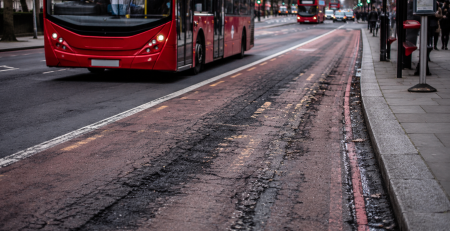
Even the best line markings will struggle to perform if the surface beneath them is damaged. Cracks, potholes, loose material and uneven patches can interrupt markings and make them harder to read. Water ponding can also reduce visibility and accelerate surface deterioration.
Before applying new car park line markings, the surface should be assessed. Small defects may be repairable, but more widespread damage may require resurfacing. If potholes are present, prompt pothole repairs can help restore safety and prevent further deterioration before markings are refreshed.
Surface texture affects marking adhesion. A clean, stable and properly prepared surface allows markings to bond more effectively. Dirt, oil, debris and loose aggregate can reduce durability and lead to premature wear. This is why professional preparation is an important part of any marking project.
Drainage should also be considered. Areas that hold water may cause markings to fade faster and can make pedestrian routes less safe. A car park that combines sound surfacing, effective drainage and clear markings will usually be easier to maintain and safer to use over the long term.
When Car Park Line Markings Should Be Refreshed
Line markings naturally wear over time. Traffic volume, weather exposure, surface condition and the type of marking material all affect how long they remain visible. In busy car parks, markings may fade more quickly at entrances, turning areas, pedestrian crossings and loading zones.
Site managers should not wait until markings have almost disappeared before taking action. Once drivers begin ignoring or misreading the layout, the car park becomes harder to control. Refreshing markings at the right time helps maintain order and reduces the risk of unsafe parking behaviour.
A regular inspection should consider whether bay lines are still clear, whether directional arrows can be easily seen, whether pedestrian routes remain obvious and whether disabled bays are properly identifiable. Any markings linked to safety, access or traffic control should be prioritised.
It is also worth reviewing whether the existing layout still suits the site. Businesses change, traffic levels increase and car park usage patterns shift over time. A refresh may provide an opportunity to improve the layout rather than simply repainting the same markings.
Professional Appearance and Visitor Confidence
A car park is often one of the first parts of a property that visitors experience. Clear, tidy and well-maintained markings create a more organised impression. They show that the site is actively managed and that safety has been considered.
For commercial premises, this can influence how customers, tenants and visitors perceive the wider business. A neglected car park with faded markings, unclear bays and damaged surfaces may suggest poor maintenance elsewhere. A clean and clearly marked car park gives a more professional first impression.
For residential developments and private estates, good markings can reduce confusion between residents, visitors and service vehicles. They make parking arrangements clearer and help prevent misuse of shared areas. Where residents rely on assigned bays or controlled access routes, markings provide a simple visual reference.
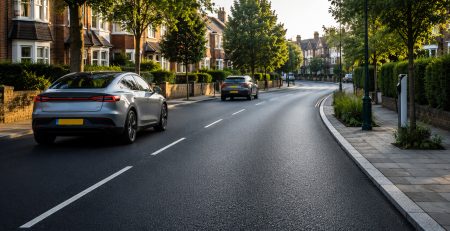
The appearance of the markings should match the condition of the surface. Applying fresh markings to a badly damaged car park may only provide a short-term improvement. In some cases, resurfacing or machine-laid surfacing may be the better long-term option. Professional machine lay tarmac can provide a consistent finish for larger areas where durability and appearance are both important.
Planning Line Markings as Part of Wider Car Park Works
The most effective results come when line markings are planned alongside surfacing, drainage, access requirements and daily traffic movement. Rather than simply replacing existing markings, site owners should consider whether the layout still meets current needs.
This means looking at how vehicles enter and leave, where pedestrians walk, where congestion occurs and which areas need to remain clear. It also means considering future requirements such as electric vehicle bays, changes in traffic volume, new tenants or altered building entrances.
For education sites, safe pedestrian routes and drop-off areas are especially important. Specialist education surfacing can support safer car park and playground environments where pupils, parents, staff and service vehicles may all be present at busy times.
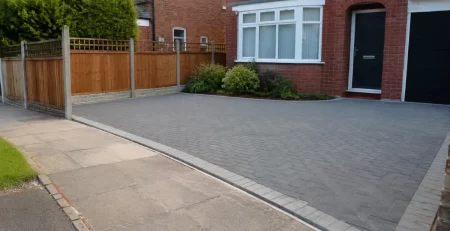
For private homes and smaller developments, line markings may be simpler, but the same principles still apply. Clear parking positions, safe access and a sound surface all contribute to easier day-to-day use. Domestic sites may also benefit from advice from experienced domestic contractors where parking areas, driveways or shared access routes need improvement.
Long-Term Value for Site Managers
Car park line markings are a practical investment in safety, organisation and long-term site management. They help drivers move with more confidence, support safer pedestrian routes, protect important access areas and improve the overall appearance of the property.
For site managers, the value is not only visual. Clear markings can reduce complaints, prevent blocked routes and make the car park easier to supervise. They also help establish a clear layout that users can follow without constant direction.
The best results depend on proper planning, suitable materials and a surface that is ready to receive markings. Where surfacing defects are present, they should be addressed before new markings are applied. Where the layout is outdated, it should be reviewed rather than repeated without thought.
A safer car park is rarely created by one feature alone. It comes from the combination of a durable surface, clear markings, good drainage, sensible traffic flow and regular maintenance. When these elements work together, the car park becomes easier to use, safer to navigate and better suited to the needs of the property.