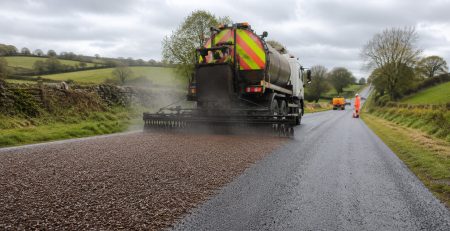
The Rise of “Quiet Roads” in the UK
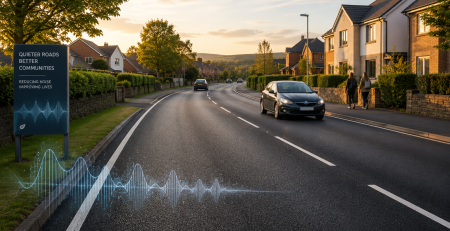
The idea of “quiet roads” is becoming increasingly important across the UK as local authorities, developers, and property owners look for ways to reduce traffic noise in busy environments. Noise pollution has become a growing concern in residential areas, commercial developments, and public infrastructure projects, particularly where roads experience consistent vehicle movement throughout the day and night.
Quiet roads are designed using specialist surfacing materials and construction techniques that minimise the sound generated between vehicle tyres and the road surface. While traditional road construction focused mainly on durability and drainage, modern surfacing strategies are now placing greater emphasis on acoustic performance and environmental impact.
The development of quieter road systems is especially relevant in urban areas where housing developments, schools, hospitals, and commercial premises sit close to major traffic routes. As infrastructure standards evolve, many projects are now integrating low-noise surfacing into broader sustainability and public comfort objectives.
Professional road surfacing services are increasingly being specified with acoustic performance in mind, particularly for long-term infrastructure planning.
Why Road Noise Has Become a Major Issue
Traffic noise affects both residential and commercial environments more than many people realise. Continuous exposure to high levels of road noise can impact concentration, comfort, communication, and overall quality of life. In densely populated areas, noise complaints linked to roads and access routes have become more common, particularly where older surfaces have deteriorated.
Traditional road surfaces often become noisier over time due to cracking, potholes, loose aggregates, and uneven wear patterns. Heavy vehicles can significantly increase noise levels when travelling over poor-quality or ageing surfaces, especially during wet weather conditions.
Modern road construction is increasingly expected to address these concerns while still delivering long-term structural durability. Developers and local authorities are now considering noise reduction alongside drainage, skid resistance, and maintenance requirements during the planning phase of surfacing projects.
This shift is helping to drive the wider adoption of quiet roads UK initiatives across both public and private infrastructure schemes.
How Quiet Road Surfacing Works
Quiet roads rely on carefully engineered surface textures and materials designed to reduce friction-generated sound. One of the main sources of traffic noise comes from the interaction between tyres and the road surface itself. By altering the texture and composition of surfacing materials, contractors can significantly reduce this sound generation.
Low-noise asphalt systems are commonly used because they contain aggregates and binders arranged in a way that absorbs sound rather than amplifying it. Open-textured surfaces can also help reduce air compression beneath tyres, which is another major contributor to traffic noise.
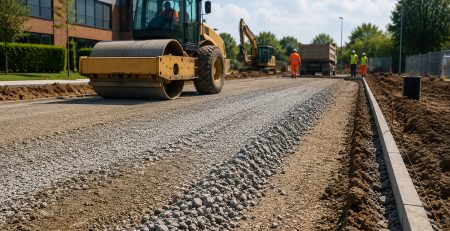
The quality of installation is equally important. Poorly laid surfaces can quickly become uneven, reducing both acoustic performance and overall lifespan. Professional machine-laid tarmac installation ensures a smoother, more consistent finish that contributes to lower long-term noise levels.
Surface maintenance also plays a critical role. Even high-performance quiet surfaces can lose effectiveness if they are not properly maintained over time.
The Role of Asphalt Technology in Noise Reduction
Advancements in asphalt manufacturing have played a major role in the rise of quieter roads throughout the UK. Modern asphalt mixes are now engineered not only for structural performance but also for acoustic efficiency.
Specialist low-noise asphalt typically includes carefully selected aggregate sizes that create a more uniform surface texture. This helps reduce vibration and tyre resonance while improving driving comfort. Some systems are also designed with porous characteristics that assist with both drainage and sound absorption.
These technologies are particularly beneficial in areas with high traffic density, including commercial estates, urban access roads, and public-sector infrastructure projects. Quiet surfacing is becoming increasingly common in locations where maintaining positive community relationships is important.
Many developers are now incorporating quieter surfacing systems into projects from the outset rather than treating noise reduction as a secondary concern.
Quiet Roads in Residential Developments
Residential housing developments are among the biggest beneficiaries of quiet road technologies. As new housing estates continue to expand across the UK, planners and developers are under pressure to create more liveable environments for residents.
Reducing road noise contributes to a more pleasant atmosphere throughout residential communities, especially in developments where homes sit close to access roads, car parks, or shared traffic areas. Quieter roads can also improve the perceived quality of a development and support long-term property value.
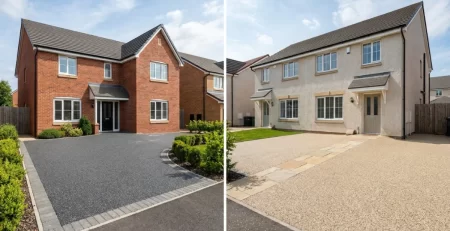
Carefully designed residential surfacing solutions help ensure roads remain smooth, visually appealing, and quieter for longer periods. Surface quality is particularly important in modern developments where pedestrian areas, communal spaces, and vehicle routes are closely integrated.
Noise reduction can also improve the usability of outdoor spaces, including gardens, playgrounds, and pedestrian walkways.
Commercial Benefits of Quiet Road Systems
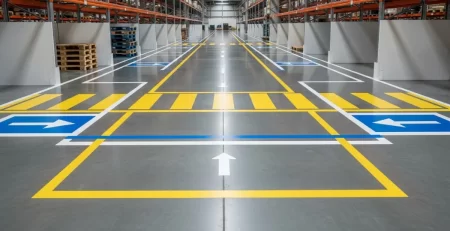
Commercial premises and industrial sites can also benefit significantly from quieter surfacing systems. Business parks, logistics centres, retail developments, and office complexes often experience high vehicle movement throughout the working day.
Excessive road noise in these environments can negatively affect employees, visitors, and nearby residents. Heavy goods vehicles travelling over damaged or uneven surfaces can create substantial disruption, particularly during early morning or evening operations.
High-quality commercial surfacing contractors increasingly recommend smoother, professionally installed asphalt systems that help minimise operational noise while maintaining durability under constant traffic loads.
Quiet surfaces can also contribute to a more professional appearance and improved user experience across commercial sites.
Environmental Considerations and Sustainability
The rise of quiet roads is closely linked to wider environmental and sustainability goals within the UK construction industry. Modern infrastructure projects are now expected to consider environmental impact far more carefully than in previous decades.
Lower-noise roads contribute to healthier living environments and improved urban planning strategies. In addition, many modern low-noise asphalt products incorporate recycled materials, helping reduce waste and resource consumption.
Sustainable surfacing practices also focus on extending surface lifespan through better installation standards and preventative maintenance. Longer-lasting surfaces reduce the frequency of major resurfacing works, lowering disruption and minimising environmental impact over time.
Carefully planned highway surfacing projects increasingly combine acoustic performance, drainage efficiency, and long-term durability within a single integrated solution.
Maintenance Challenges for Quiet Roads
Although quiet road systems offer numerous benefits, they still require proper maintenance to remain effective. Surface wear, contamination, drainage issues, and structural deterioration can gradually reduce acoustic performance if left unaddressed.
Preventative maintenance is particularly important for open-textured surfaces because blocked pores can reduce both drainage efficiency and sound absorption capabilities. Regular inspections help identify issues before they develop into larger structural failures.
Prompt pothole repairs are essential in maintaining smooth, low-noise surfaces. Uneven areas and damaged sections can quickly increase tyre-generated sound and compromise overall road quality.
Long-term maintenance planning remains one of the most important aspects of preserving quiet road performance across both public and private infrastructure.
The Future of Quiet Roads in the UK
The demand for quiet roads UK projects is expected to continue growing as urban density increases and environmental standards become more advanced. Local authorities are likely to place greater emphasis on acoustic performance during future infrastructure planning, particularly in residential and mixed-use developments.
Advancements in asphalt technology, installation methods, and sustainable materials will continue improving the effectiveness of low-noise road systems. At the same time, public expectations regarding comfort, environmental quality, and long-term infrastructure performance are also evolving.
Quiet roads are no longer viewed simply as specialist infrastructure solutions. They are increasingly becoming part of mainstream surfacing strategy across housing developments, business premises, education facilities, and public-sector projects.
As more organisations recognise the long-term benefits of quieter, smoother, professionally installed surfaces, investment in modern surfacing technologies is likely to become standard practice throughout the UK road construction sector.