Why Some Freshly Surfaced UK Roads Still Crack Within 12 Months
Freshly surfaced roads are expected to provide years of reliable performance, particularly when they have been professionally installed using modern materials and equipment. However, many roads across the UK begin showing signs of cracking surprisingly early, sometimes within the first 12 months after completion. For property owners, commercial operators, and site managers, this can become both a financial and operational concern.
In many cases, early cracking is not caused by a single failure but by a combination of poor preparation, unsuitable materials, weather exposure, drainage problems, and installation shortcuts. Understanding why this happens is important for anyone investing in new surfacing works, whether for private roads, commercial estates, industrial yards, or public access routes.
Professional surfacing contractors understand that road durability starts long before the top layer is installed. Proper planning, ground assessment, drainage management, and installation quality all play critical roles in determining how well a road performs over time. Poor decisions at any stage can significantly shorten the lifespan of the surface.
The Importance of Proper Ground Preparation
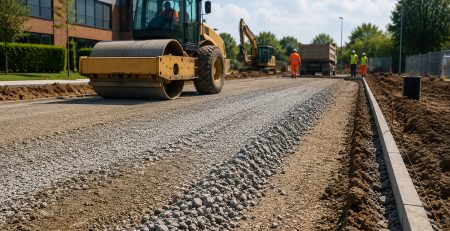
One of the most common causes of premature cracking is inadequate sub-base preparation. The visible tarmac or asphalt surface may appear smooth and professionally finished, but the strength of any road depends heavily on what lies underneath.
The sub-base acts as the structural foundation of the road. If the ground beneath the surface is unstable, poorly compacted, or uneven, the finished road will eventually begin to move under pressure. This movement creates stress within the surface layer, leading to cracks, deformation, and surface fatigue.
Many early failures occur because contractors rush the preparation stage to reduce costs or complete projects more quickly. Inadequate excavation depth, poor compaction, or the use of low-quality aggregate can all contribute to structural weakness. Over time, repeated traffic loading causes the surface to flex beyond its limits.
Professional tarmac installation projects rely on accurate site preparation to ensure the surface remains stable for many years. Without this foundation, even the highest quality surfacing materials can fail prematurely.
Water Damage and Drainage Problems
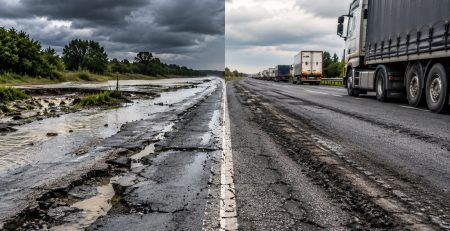
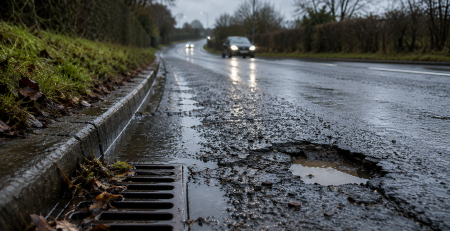
Water is one of the most damaging factors affecting UK roads. Even newly surfaced roads can begin cracking if drainage has not been properly considered during installation.
When water enters small surface imperfections, it penetrates beneath the top layer and weakens the sub-base. During colder months, freezing temperatures cause trapped water to expand. This repeated freeze-thaw cycle places additional pressure on the road structure and accelerates cracking.
Poor drainage design often allows water to collect along edges, low points, or wheel tracks. Over time, standing water softens the supporting layers beneath the surface, increasing movement and structural stress.
Effective drainage planning is essential for long-term road performance. Professional contractors assess gradients, runoff routes, and surrounding ground conditions before installation begins. This ensures water is directed safely away from the surface rather than allowed to accumulate.
Many commercial and public-sector projects now integrate drainage solutions alongside highway surfacing works to reduce long-term maintenance issues and improve overall durability.
Inferior Materials and Incorrect Surface Mixes
Not all surfacing materials are suitable for every environment. Roads carrying heavy vehicles require different specifications compared to lightly used residential access roads. Problems often occur when contractors use inappropriate surface mixes to reduce costs.
Tarmac and asphalt surfaces are carefully designed to balance flexibility, strength, and resistance to weather conditions. If the material contains incorrect aggregate sizes, insufficient binder content, or poor-quality components, the surface becomes more vulnerable to cracking under stress.
The UK climate presents additional challenges due to frequent rainfall, temperature variation, and seasonal freezing. Surface materials must be capable of expanding and contracting without breaking apart. Inferior mixes often become brittle over time, especially when exposed to repeated weather cycles.
Experienced contractors understand that surfacing specifications should match the intended use of the road. Industrial yards, loading areas, and commercial access roads require stronger construction methods than lower-traffic domestic routes. Choosing appropriate materials is essential for long-term performance.
Poor Compaction During Installation
Compaction is one of the most important stages of the surfacing process. Even if materials are high quality and the sub-base has been properly prepared, poor compaction can still lead to premature failure.
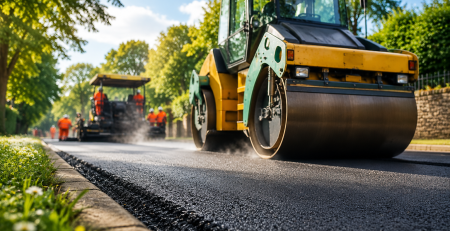
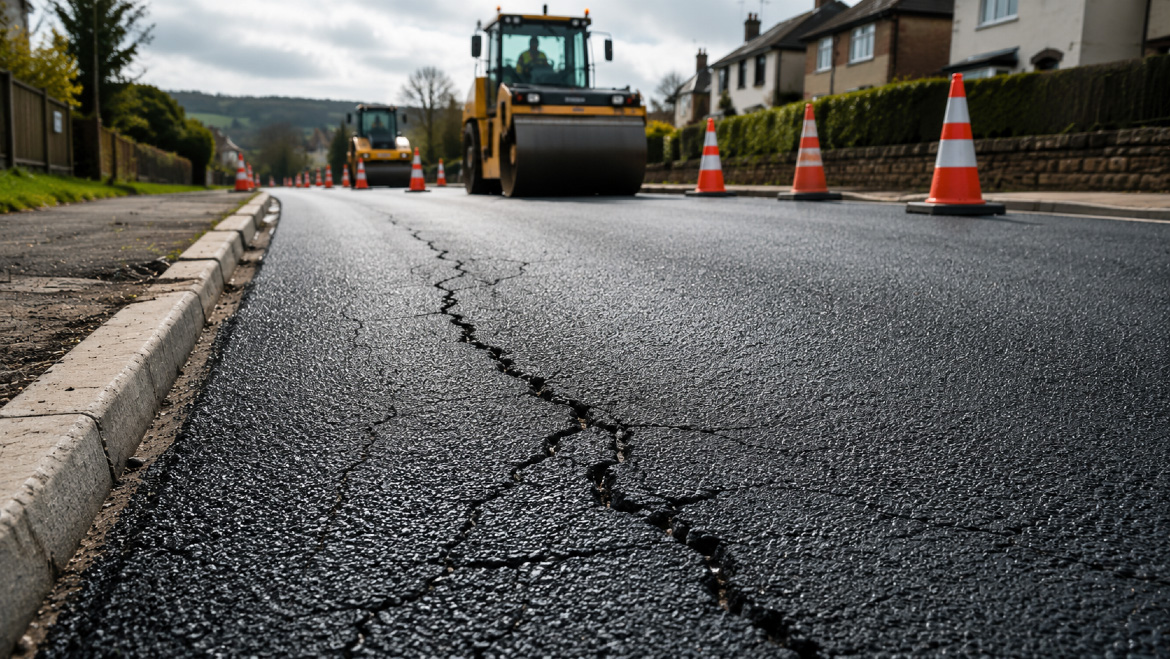
During installation, rollers and compaction equipment remove air voids and create a dense, stable surface. If the material is not compacted evenly or at the correct temperature, weak spots can develop within the road structure.
These weak areas often become visible within the first year as cracks begin forming under traffic pressure. Surface movement, settlement, and water penetration then accelerate the deterioration process.
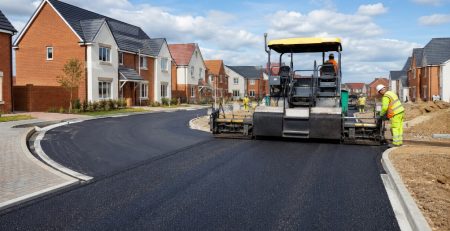
Machine-laid surfacing methods provide more consistent compaction and improved finish quality compared to manual installation techniques. Professional machine lay tarmac solutions help create uniform surfaces capable of handling regular traffic loads more effectively.
Temperature management during installation is equally important. Surfacing materials cool quickly in cold or wet weather, reducing the available time for proper compaction. Contractors must carefully manage working conditions to avoid structural weakness.
Heavy Traffic Beyond Design Capacity
Many newly surfaced roads begin cracking because the surface was not designed for the actual traffic levels it experiences after completion.
This is particularly common on commercial sites where vehicle usage increases over time. Delivery vehicles, HGVs, forklifts, and repeated turning movements create substantial stress on road surfaces. If the original design only accounted for light traffic, the structure may quickly begin to fail.
Repeated heavy loading causes fatigue cracking, especially around junctions, entrances, and turning areas where pressure is concentrated. Overloaded surfaces flex repeatedly until cracks begin appearing across the top layer.
Proper traffic assessment should always form part of the planning stage. Contractors need to understand both current and future usage patterns before selecting surfacing specifications.
Commercial property owners often benefit from working with experienced commercial surfacing contractors who understand the structural demands associated with industrial and high-traffic environments.
Edge Deterioration and Unsupported Shoulders
Road edges are among the most vulnerable areas of any surfaced structure. Cracking often begins at the edges before spreading further into the main carriageway.
This usually happens when road shoulders are poorly supported or when surrounding ground levels allow movement near the edges. Vehicles travelling too close to unsupported sides place excessive pressure on the surface, leading to fractures and edge breakdown.
Once cracks appear along the edges, water infiltration becomes more severe. Surface deterioration accelerates rapidly as moisture weakens the surrounding materials.
Proper edge restraint and shoulder support are essential during installation. Contractors should ensure roads are fully supported across their entire width to minimise movement and improve durability.
Weather Conditions During Installation
The timing of surfacing works can significantly influence long-term performance. UK weather conditions create challenges that must be carefully managed during installation.
Cold temperatures, rainfall, and excessive moisture can all interfere with proper bonding and compaction. If surfacing materials cool too quickly or become contaminated with water, the finished surface may lack sufficient strength.
Although modern surfacing techniques allow projects to continue during colder periods, contractors must adjust working methods to suit environmental conditions. Failure to do so can result in weaker surfaces that crack prematurely.
Understanding how weather affects installation quality is an important part of professional road surfacing planning and project management.
The Impact of Delayed Maintenance
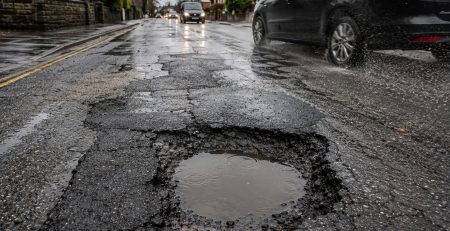
Even minor cracks can become serious problems if left untreated. Small surface defects allow water penetration, which gradually weakens the structure beneath the road.
Routine inspections help identify early signs of wear before major failures occur. Prompt repairs prevent small cracks from expanding into potholes or widespread structural damage.
Professional pothole repairs and preventative maintenance programmes help extend surface lifespan while reducing overall repair costs.
Maintenance planning is especially important for commercial properties, industrial estates, schools, and public-sector facilities where road safety and accessibility are critical.
Why Professional Installation Matters
The difference between a road surface lasting five years or twenty years often comes down to installation quality. Professional contractors follow strict preparation, material selection, drainage, and compaction procedures to ensure surfaces perform reliably over time.
While low-cost surfacing solutions may initially appear attractive, poor workmanship frequently results in early cracking, increased maintenance costs, and premature resurfacing requirements.
Experienced surfacing specialists understand how UK weather conditions, traffic demands, and ground conditions interact. This allows them to design and install roads that remain structurally sound even under challenging conditions.
Property owners seeking long-term value should prioritise proper planning, professional installation standards, and ongoing maintenance rather than focusing solely on short-term project costs.