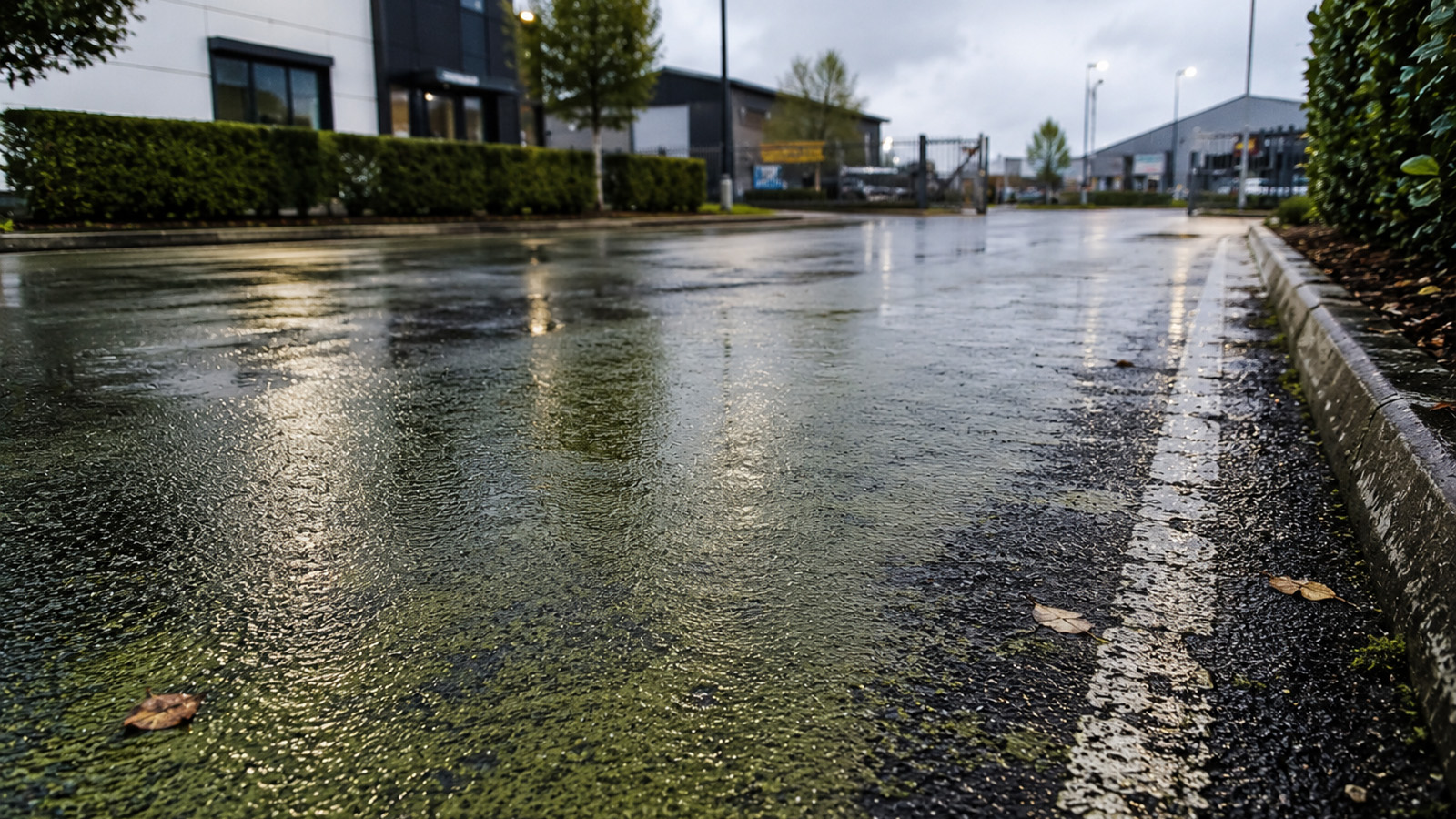
The Invisible Hazard Lurking on Commercial Roads
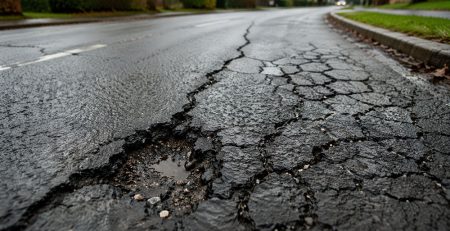
Commercial roads, access routes, service yards and car parks experience constant use from vehicles, delivery lorries, employees and visitors. Because these surfaces are used every day, gradual deterioration often goes unnoticed until it develops into a serious problem. What may appear to be a minor crack, a shallow depression or slight surface wear can quickly become an invisible hazard that affects safety, operations and long-term maintenance costs.
Many property owners understandably focus on visible structural issues inside buildings, while external surfaces receive attention only when obvious damage appears. Unfortunately, road surfaces rarely fail overnight. Instead, they deteriorate slowly through weather, traffic loading and natural ageing, creating hidden risks that increase over time.
Understanding these early warning signs allows businesses to take preventative action before small defects develop into expensive repairs.
How Commercial Roads Deteriorate
Road surfaces are designed to withstand significant traffic loads, but every vehicle passing over the surface contributes to gradual wear. Heavy goods vehicles, repeated braking, turning movements and changing weather conditions all place stress on the surface layer.
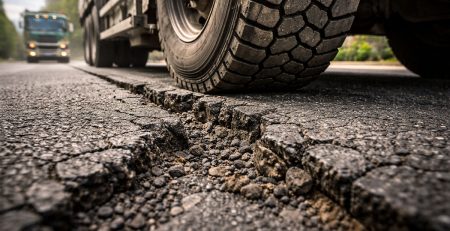
Rainwater is particularly damaging once small cracks appear. Water penetrates beneath the surface where it weakens the underlying structure. During colder weather, freeze-thaw cycles can enlarge these cracks, while warmer temperatures soften certain surface materials under heavy traffic.
As deterioration continues, the surface begins to lose its structural integrity, even though the damage may still appear relatively minor from a distance.
The Hidden Safety Risks
Surface defects create hazards that are often underestimated until an accident occurs.
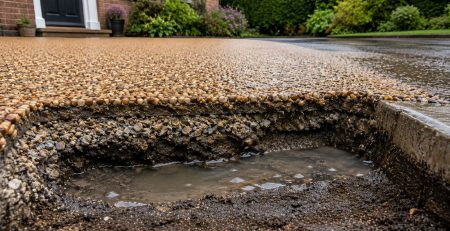
Small potholes can destabilise vehicles, particularly forklifts, motorcycles and bicycles. Uneven surfaces increase the likelihood of slips and trips for pedestrians walking between buildings or across car parks. Standing water caused by poor drainage can conceal potholes while also creating slippery conditions during colder months.
Businesses have a responsibility to maintain reasonably safe premises for employees, visitors and contractors. Ignoring deteriorating road surfaces increases the likelihood of incidents that could have been prevented through timely maintenance.
Why Water Is the Biggest Enemy
Water is responsible for much of the long-term damage seen on commercial road surfaces.
Once surface cracks develop, rainwater begins penetrating beneath the wearing course. As water reaches the foundation layers, it weakens the sub-base that supports the road. Vehicles passing over these weakened areas accelerate movement within the structure, eventually causing depressions, cracking and potholes.
Poor drainage compounds the problem. Water that cannot escape remains on the surface for extended periods, increasing deterioration while also creating hazardous driving conditions.
Regular inspections allow drainage issues to be identified before they become major structural concerns.
The Financial Cost of Delaying Repairs
Many organisations postpone surface repairs because the damage appears minor. Unfortunately, delayed maintenance almost always increases overall costs.
Repairing isolated cracks or small areas of wear is considerably more economical than replacing an entire section of roadway after structural failure has occurred. Once water reaches the lower construction layers, repairs become more extensive, requiring excavation, reconstruction and resurfacing rather than simple preventative maintenance.
In addition to repair costs, deteriorating roads may disrupt deliveries, restrict vehicle access and create operational delays that affect day-to-day business.
Taking early action often represents the most cost-effective solution.
Commercial Image Matters
The condition of external roads creates an immediate impression for customers, suppliers and visitors.
A smooth, professionally maintained entrance suggests attention to detail, strong maintenance standards and a well-managed business. Conversely, damaged roads, potholes and uneven surfaces can create a negative first impression before anyone enters the building.
For industrial estates, logistics facilities, retail parks and commercial premises, maintaining external infrastructure supports both operational efficiency and professional presentation.
Regular Inspections Prevent Major Problems
Routine inspections are one of the simplest ways to extend the lifespan of commercial road surfaces.
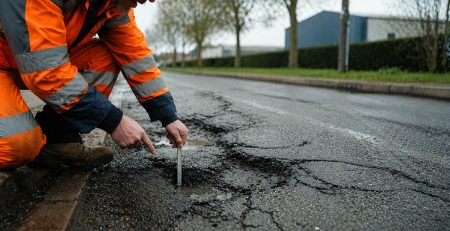
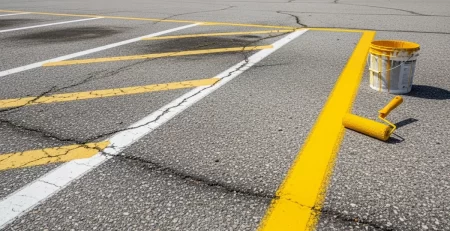
Inspections should focus on identifying early cracking, drainage problems, surface deformation, edge deterioration and signs of water ingress. These assessments allow maintenance to be planned before defects become widespread.
Professional contractors can also identify structural issues that may not yet be visible on the surface, helping property owners make informed maintenance decisions.
Choosing the Right Surfacing Solution
Not every defect requires complete resurfacing. In many cases, targeted repairs provide an effective solution when problems are identified early.
Where larger areas have deteriorated, professional resurfacing may provide better long-term value than repeated patch repairs. Selecting the correct solution depends on traffic volumes, surface condition, drainage performance and future operational requirements.
Working with experienced specialists ensures the chosen approach addresses both visible defects and any underlying structural issues contributing to surface failure.
Businesses planning improvement works can benefit from professional commercial surfacing contractors who understand the demands placed on industrial and commercial road networks.
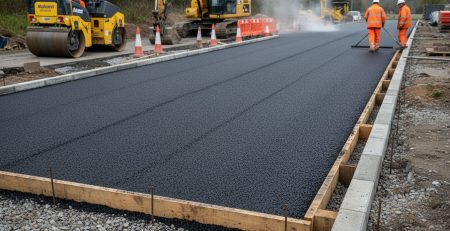
Where resurfacing is required, high-quality tarmac installation services provide durable, long-lasting results designed for heavy vehicle traffic and daily commercial use.
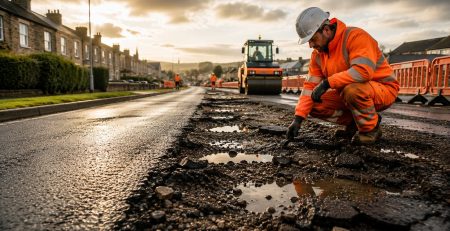
If isolated damage has already developed, prompt pothole repairs can prevent further deterioration while maintaining safe access across the site.
Preventative Maintenance Delivers Long-Term Value
Commercial roads represent a significant investment that supports daily operations, customer access and business continuity. Protecting that investment requires ongoing maintenance rather than reactive repairs.
Regular inspections, prompt repairs, effective drainage management and professional resurfacing where necessary all contribute to extending the life of the surface while reducing lifetime maintenance costs.
The most dangerous hazards are often the ones that develop gradually and remain unnoticed until they create operational disruption or safety concerns. By identifying and addressing early signs of deterioration, businesses can maintain safer, more reliable road surfaces while avoiding the expense and inconvenience of major reconstruction.