Can I Widen My Driveway Without Permission in the UK?
Widening a driveway can create better parking, easier access, and stronger kerb appeal, but UK rules can catch homeowners out. The serious step is to check Impermeable Surfaces, Front Garden Rules, dropped kerb approval, drainage, and local legal obligations before work starts. The experienced solution is to design the widened area with a permeable surface, confirm council crossover rules, and use a driveway installer who understands planning-sensitive surfacing.
Can I Widen My Driveway Without Permission in the UK?
Driveway widening is usually allowed when drainage and highway access are handled correctly. This section explains the main rule, the biggest permission triggers, and how to avoid expensive mistakes.
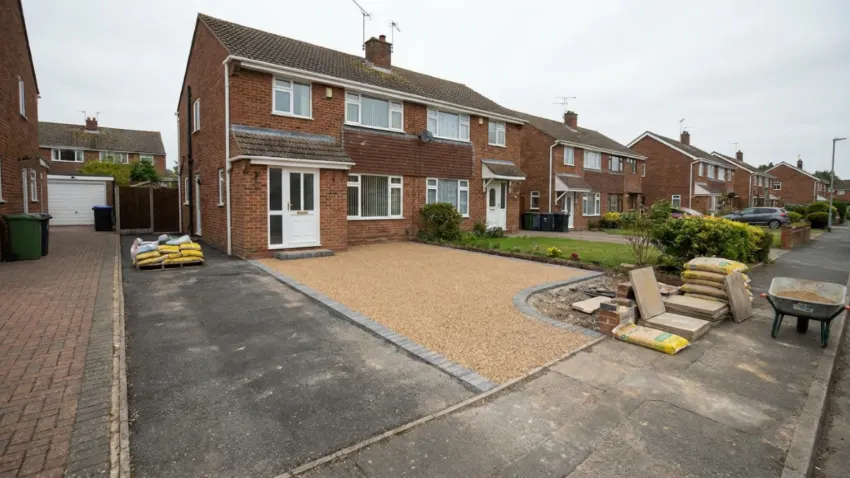
Can I Widen My Driveway Without Permission in the UK? Often, yes. You can usually widen a driveway without planning permission when the surface is permeable or rainwater drains into a lawn, border, soakaway, or other permeable area inside your property.
The risk starts when the new surface is impermeable and covers more than 5m² without proper drainage. Traditional concrete, dense tarmac, or non-porous paving can create runoff problems if water flows onto the road, pavement, or neighbouring land.
A widened driveway also needs legal vehicle access. If you must cross the pavement, you need a proper dropped kerb or vehicle crossover from the council. You should not build or widen the crossover yourself.
A specialist such as Total Surfacing Solutions can help plan the surface, drainage, and driveway layout before the project reaches the installation stage.
| Driveway Change | Permission Risk | Safer Route |
| Permeable resin widening | Lower risk | Confirm base drainage |
| Gravel widening | Lower risk | Use stable edging |
| Impermeable tarmac over 5m² | Higher risk | Add drainage or apply |
| New dropped kerb | Council approval needed | Apply first |
| Conservation area frontage | Higher risk | Check local rules |
This is not only about planning permission. It is about water control, highway access, neighbours, and long-term driveway performance.
Impermeable Surfaces: Drainage Risk
Impermeable surfacing is the main permission trigger for front-driveway widening. This section explains why water runoff matters and how surface choice changes the legal position.
Impermeable Surfaces do not let water drain through. Dense concrete, standard tarmac, and some sealed paving can push rainwater across the surface instead of letting it soak away.
When more than 5m² of front garden becomes impermeable and water cannot drain naturally, planning permission may be required. The reason is simple: extra runoff can add pressure to drains, roads, and local flood systems.
Permeable options are usually safer for widening work. These can include resin-bound surfacing, gravel, permeable block paving, or a system that channels water into a lawn, border, or soakaway.
Common drainage checks include:
- Will rainwater drain within your property?
- Will water run onto the pavement?
- Will water flow toward the road?
- Is the base permeable?
- Does the driveway slope need drainage control?
- Will the widened area affect neighbours?
People comparing resin driveway advantages and disadvantages should pay close attention to permeability. Resin-bound systems can support drainage, but only when the base is designed correctly.
| Surface Type | Drainage Behaviour | Planning Position |
| Resin bound | Permeable when built correctly | Often lower risk |
| Gravel | Permeable | Often lower risk |
| Permeable block paving | Permeable system | Often lower risk |
| Standard concrete | Impermeable | Permission may be needed |
| Dense tarmac | Usually impermeable | Permission may be needed |
A permeable top layer is not enough if the base traps water. The full build-up must support drainage.
Front Garden Rules: 5m² Check
Front garden rules focus on hard surfacing, water runoff, and flood risk. This section explains the 5m² threshold and what homeowners should check before widening.
Front Garden Rules are stricter than many homeowners expect. The key issue is whether the widened driveway creates more hardstanding and whether that area drains correctly.
If the new or replacement surface is permeable, planning permission is usually not needed for the surfacing itself. If the surface is impermeable and more than 5m², permission may be needed unless water drains to a permeable area.
This rule matters when converting grass, planting beds, or front garden space into parking. A design that looks simple can still fail if it sends water toward the public highway.
Before widening, check:
- Existing hardstanding size
- New widened area size
- Surface material
- Drainage route
- Garden borders
- Building threshold height
- Boundary walls
- Local planning restrictions
For layout planning, the driveway width guide can help you think about practical parking space before changing the front garden.
| Area Change | Main Question |
| Widening by 1 metre | Does it stay permeable? |
| Replacing lawn with parking | Where will water go? |
| Adding second car space | Is access legal? |
| Changing front wall | Are local rules involved? |
| Resurfacing old drive | Is the surface permeable? |
A narrow extension can still create a rule problem if the drainage is wrong. A larger extension can be acceptable when it is permeable and properly designed.
Dropped Kerb Rules: Highway Access
A widened driveway still needs lawful access from the road. This section explains why dropped kerbs, pavement crossings, and council approval matter before construction starts.
If your widened driveway needs a new entrance or a wider entrance from the road, you may need a new or extended dropped kerb. This is also called a vehicle crossover.
The dropped kerb allows vehicles to cross the pavement legally and safely. The council usually controls this because the pavement is part of the public highway.
You should not drive regularly over a normal raised kerb or pavement to reach a widened driveway. You also should not lower the kerb yourself or hire an unapproved contractor without council approval.
Dropped kerb checks include:
- Do you already have a dropped kerb?
- Does it cover the full widened access?
- Will the new width affect a tree?
- Will it affect drainage or utilities?
- Is the road classified?
- Is visibility safe?
- Does the council require planning approval first?
If you are trying to understand entrance details, driveway apron meaning and driveway apron responsibility are useful supporting guides.
| Access Issue | Why It Matters |
| No dropped kerb | Illegal or unsafe pavement crossing |
| Narrow crossover | Tyres mount kerb edge |
| Public tree nearby | Council approval risk |
| Utility covers | Construction restrictions |
| Poor visibility | Application may fail |
Driveway surfacing and highway access are separate issues. A permeable surface may solve planning drainage, but it does not replace dropped kerb approval.
Legal Obligations: Avoid Disputes
Legal obligations protect your property, neighbours, and public access. This section explains the checks that stop driveway widening from becoming a council or neighbour dispute.
Your legal obligations depend on location, property type, road access, drainage, and whether the property has special restrictions. A standard suburban home is different from a listed building or conservation area property.
You may need extra checks if the driveway widening affects a boundary wall, shared access, party wall, protected tree, public footpath, drainage channel, or front boundary in a conservation area.
Common legal checks include:
- Conservation area rules
- Listed building consent
- Dropped kerb approval
- Party Wall Act issues
- Shared boundary work
- Surface water drainage
- Highway visibility
- Utility covers
- Estate covenants
- Tree protection orders
People planning wider access should not judge the project by cost alone. The driveway widening cost may change if drainage, kerb work, edging, or council requirements are involved.
| Legal Check | Risk if Ignored |
| Conservation area | Enforcement or refusal |
| Listed building | Consent breach |
| Dropped kerb | Unlawful access |
| Boundary work | Neighbour dispute |
| Drainage | Flooding complaint |
| Tree protection | Council action |
The safest approach is to check first, design second, and build last. That order prevents expensive rework.
Resin and Drainage: Safer Route
Resin-bound surfacing can be a strong choice for driveway widening because it supports permeability and clean design. This section explains where resin helps and where it still needs proper groundwork.
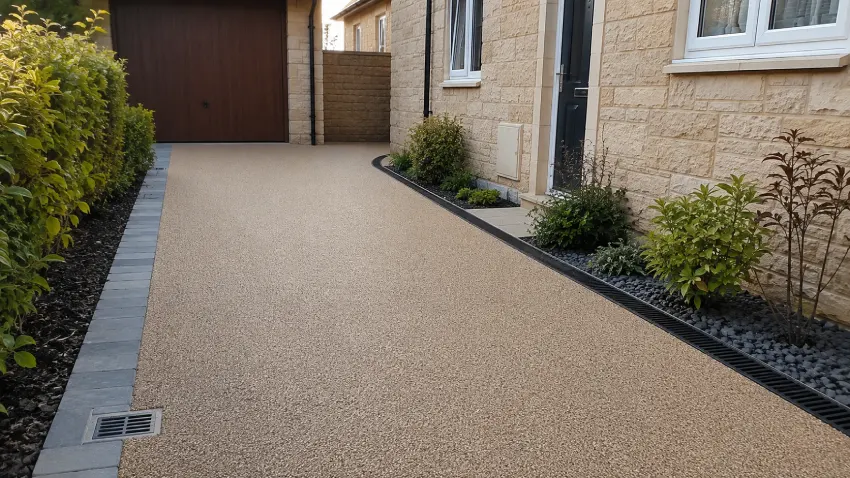
Resin-bound driveways are often chosen because they look smart, drain well, and suit modern frontages. The surface mixes aggregate and resin before laying, which creates small voids for water to pass through.
This makes resin useful when you want to widen a driveway without increasing runoff. It can also create a smooth finish without loose stones spreading across the pavement.
Resin works best when the full system includes:
- Permeable surface layer
- Suitable open base
- Correct sub-base depth
- Edge restraint
- Drainage planning
- Anti-slip finish
- UV-stable resin
- Professional installation
For winter safety, resin driveways slippery is worth reviewing. A widened resin driveway should include grip, drainage, and cleaning plans, not only colour choice.
| Resin Detail | Permission Benefit | Failure Risk |
| Permeable build-up | Reduces runoff concern | Fails over wrong base |
| Clean edge restraint | Keeps shape stable | Crumbling borders |
| Anti-slip finish | Safer walking | Smooth wet surface |
| UV-stable resin | Better colour control | Fading risk |
| Good base | Long-term durability | Cracks or dips |
A professional installer should explain drainage before talking about colour. If they cannot explain where water goes, the design is incomplete.
Area Coverage for Can I Widen My Driveway Without Permission in the UK
Local driveway widening rules can vary through councils, highway teams, conservation areas, and property layouts. These area sections explain how homeowners in Bedfordshire, Cambridgeshire, Essex, Hertfordshire, and Oxford should approach permission, drainage, and resin-bound surfacing.
Driveway Contractors in Bedfordshire Resin
For resin bound driveways in Bedfordshire, widening is often driven by the need for second-car parking, easier turning, or a cleaner front layout. The first check should be whether the widened surface will be permeable and whether it affects the pavement crossing.
Bedfordshire homes with compact front gardens should pay attention to Front Garden Rules. If grass is replaced with impermeable surfacing, the 5m² drainage rule may become important. A resin-bound specification can help reduce runoff when the base is also permeable.
You should also check whether the existing dropped kerb covers the new access width. A wider parking bay does not automatically mean you can drive over a wider part of the pavement.
Resin Driveway Contractors in Cambridgeshire
For resin bound driveways in Cambridgeshire, drainage should be the starting point. Many properties have flatter frontages where water can sit if the fall, base, or edge design is poor.
A permeable resin-bound surface can work well for widening, but only when the water has somewhere to go. The design should check sub-base permeability, garden borders, drains, and any nearby road or pavement water movement.
If the property has ditch, verge, or roadside drainage issues, driveway culvert information may help before surfacing choices are made. The widened driveway should not push more runoff into a problem area.
Resin Driveway Contractors in Essex
For resin bound driveways in Essex, widening often improves daily parking and kerb appeal. Many homeowners want safer access for two cars, family vehicles, or guests.
The legal check is still important. If the widened area needs a wider dropped kerb, council approval should come before construction. If the surface is impermeable, planning permission may be needed depending on drainage.
Homeowners considering resale can read driveway increase home value. Extra parking can help presentation, but only when the work is legal, well-drained, and built to last.
Resin Driveways in Hertfordshire
For resin bound driveways in Hertfordshire, slopes, shaded frontages, and boundary details often need extra care. A sloped widened driveway must control water and grip.
If your driveway has a gradient, driveway on slope planning becomes important. Water should not run onto the pavement or pool near the house.
Hertfordshire homeowners should also check boundary walls, shared access edges, and whether the widened surface changes how water moves toward neighbours. A resin-bound system can help, but only when the base and fall are right.
Resin Driveways in Oxford
For resin bound driveways in Oxford, widening may need more design sensitivity. Some properties sit near conservation areas, older streets, traditional front walls, or shared access points.
A permeable resin-bound finish can support drainage while keeping a neat appearance. But if widening involves removing a wall, changing a boundary, altering a listed property, or adjusting access to the road, extra approval may be needed.
Oxford homeowners should confirm local rules before work starts. A driveway can look simple, but conservation context, pavement access, and frontage changes can affect permission.
Final Checklist: Decide Safely
A safe widening project starts with rules, not materials. This section gives a simple checklist before you ask for a quote, choose resin, or start digging.
Before widening your driveway, answer these questions clearly:
- Will the new surface be permeable?
- Will the total hardstanding drain inside the property?
- Is the surface over 5m²?
- Do you need a new or wider dropped kerb?
- Is the property listed or in a conservation area?
- Will any wall, tree, or boundary change?
- Will water affect neighbours or the pavement?
- Is the existing base suitable?
- Is the driveway wide enough for real use?
People comparing materials can also review driveway gravel size, paver driveway cost, and new asphalt parking time before deciding.
A contractor such as Total Surfacing Solutions can help inspect the existing surface, check drainage, and plan a resin-bound widening design that fits the property.
| Final Check | Best Answer |
| Surface type | Permeable or drains naturally |
| Access | Dropped kerb approved |
| Drainage | No runoff to road |
| Base | Strong and suitable |
| Width | Practical for parking |
| Legal status | Council rules checked |
For weak ground or poor drainage, guides on driveway erosion fix and muddy driveway fix may help before widening. The ground must be stable before the finish is upgraded.
Frequently Asked Questions: Driveway Widening UK
1. What size driveway can I build without permission?
There is no simple fixed driveway size if the surface is permeable or drains naturally within your property. The common planning issue appears with impermeable front-garden surfacing over 5m² without proper drainage.
2. Can I widen my driveway over my front lawn?
Yes, often you can, but the surface should be permeable or drain into a lawn, border, or soakaway. If it is impermeable and over 5m², planning permission may be needed.
3. Do I need permission to widen a dropped kerb?
Yes, normally you need council approval to create or widen a dropped kerb or vehicle crossover. The pavement is public highway, so you should apply before changing access.
4. Is resin-bound suitable for driveway widening?
Yes, resin-bound can be suitable because it is permeable when installed over the right base. It also gives a clean finish for wider parking areas, but drainage and edge restraint still matter.
5. Can the council make me remove a widened driveway?
Yes, if the work breaches planning, drainage, highway, conservation, or listed-building rules. Problems are more likely when impermeable surfaces, unauthorised dropped kerbs, or unsafe access are involved.