Why Motorways Use This Surface Instead of Standard Tarmac
Many people assume that every road in the UK is made from the same material. Whether driving along a quiet residential street or travelling at 70 mph on the motorway, the surface can appear almost identical. In reality, there are significant differences between standard tarmac and the specialised asphalt mixtures used on the UK’s motorway network.
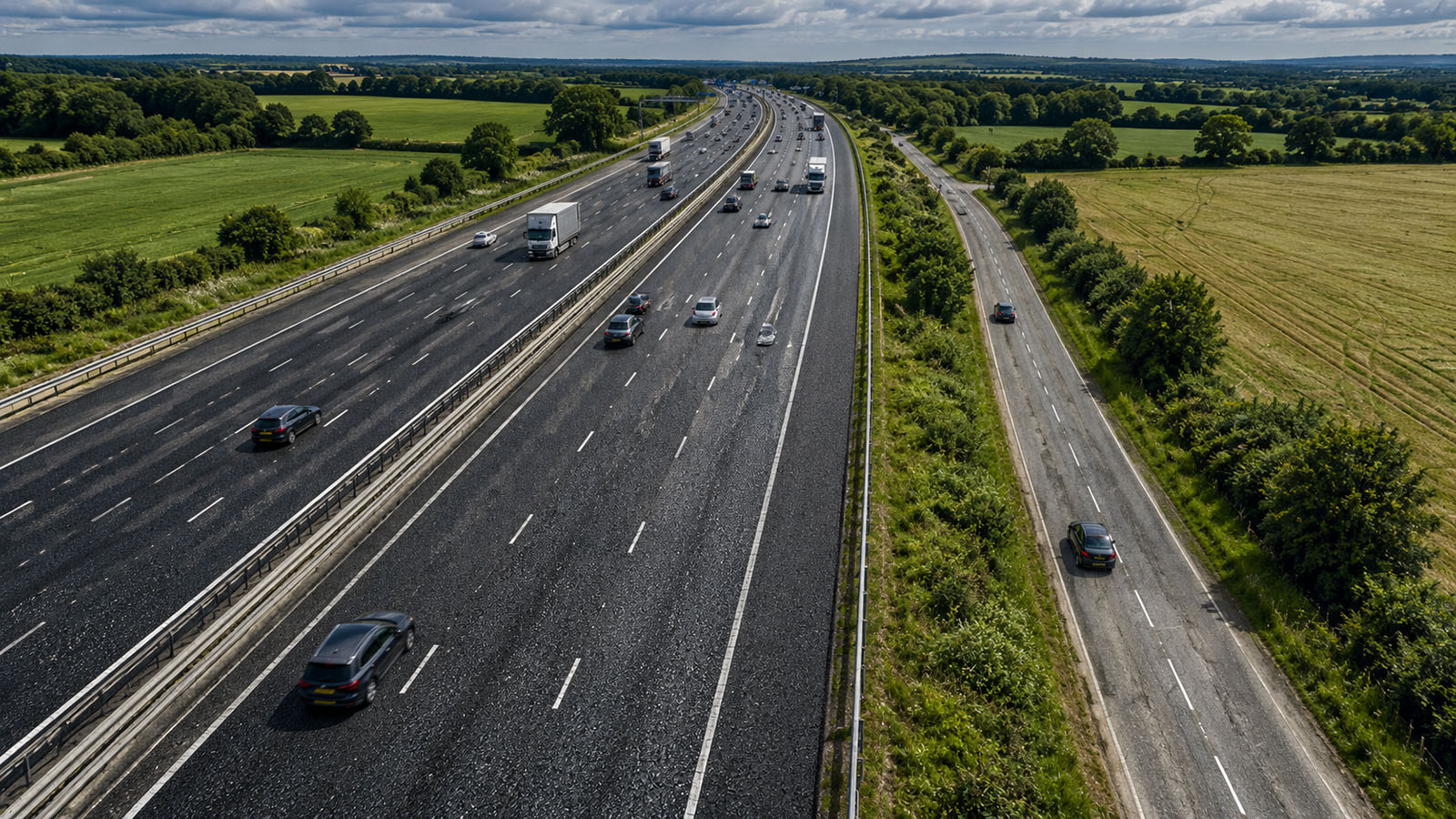
Motorways experience far greater demands than local roads. Thousands of vehicles, including heavy goods vehicles, travel over the same stretches every day at high speeds. These conditions require surfacing materials that can withstand continuous pressure while maintaining a smooth, safe driving surface for many years.
Choosing the correct motorway surfacing materials is not simply a matter of durability. Engineers must also consider skid resistance, drainage, noise reduction, ease of maintenance and the overall lifespan of the road. These factors all contribute to why motorway construction follows far stricter specifications than standard road surfacing.
What Is Standard Tarmac?
The word “tarmac” is commonly used to describe almost any black road surface, but technically it refers to tarmacadam, a material developed using tar as the binder. Modern road construction rarely uses true tarmac. Instead, most roads are built using asphalt, which replaces tar with bitumen.
For domestic driveways, private roads and many commercial premises, asphalt provides an excellent balance between durability and affordability. It is relatively quick to install, offers a smooth finish and can perform well for many years when correctly laid and maintained.
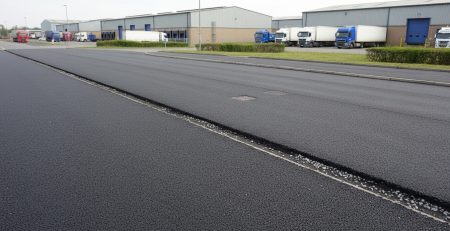
Projects such as tarmac installation are ideal for access roads, industrial yards, commercial developments and residential estates where traffic volumes are considerably lower than those experienced on motorways.
Why Motorways Need Stronger Surfacing Materials
Motorways are designed to cope with exceptionally heavy traffic. Every day they are subjected to continuous loading from cars, buses, articulated lorries and other commercial vehicles. These repeated loads place enormous stress on the road structure.
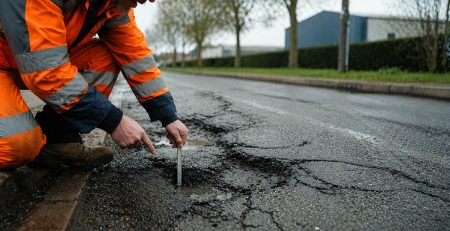
Unlike local roads, motorway surfaces must remain stable despite constant high-speed traffic. Even small imperfections can become safety hazards when vehicles are travelling at motorway speeds. Surface deformation, rutting and cracking are therefore unacceptable and must be minimised through careful material selection.
Specialist motorway surfacing materials are engineered to resist these problems by providing greater strength, flexibility and long-term durability than conventional asphalt mixtures used on lower-category roads.
High-Performance Asphalt Mixtures
Rather than relying on a single type of asphalt, motorway construction often uses carefully designed mixtures that combine aggregates of different sizes with premium-grade bitumen binders.
The aggregate provides structural strength, while the bitumen allows the surface to flex slightly under heavy loads without cracking. Engineers carefully select the proportions of each material to achieve the required balance between strength and flexibility.
Modern motorway asphalt is also manufactured to precise quality standards, ensuring consistent performance across large-scale infrastructure projects.
Improving Safety Through Better Grip
One of the primary reasons for using specialised motorway surfacing materials is safety.
At higher speeds, tyres require excellent contact with the road surface. Engineers therefore use aggregates that provide high levels of skid resistance, helping vehicles maintain grip during braking, cornering and wet weather.
Surface texture also plays an important role. The carefully engineered finish allows water to drain away efficiently while maintaining sufficient friction between the tyres and the road.
This combination helps reduce braking distances and improves driver control throughout the year.
Better Drainage Reduces Standing Water
Water is one of the biggest threats to road safety.
If rainwater cannot escape quickly enough, standing water can develop, increasing the risk of aquaplaning. Motorway asphalt is therefore often designed with drainage characteristics that encourage water to flow away from the driving surface.
Some sections of motorway use porous asphalt systems that allow rainwater to pass through the surface before draining into specially designed drainage layers beneath.
Effective drainage not only improves safety but also helps protect the pavement structure from water-related damage.
Designed for Heavy Goods Vehicles
Heavy goods vehicles create significantly greater loading than passenger cars.
Each axle passing over the surface generates immense pressure. Over time, this repeated loading can cause weaker materials to deform, creating wheel-track depressions known as rutting.
Motorway surfacing materials are specifically designed to resist these forces by using stronger aggregate structures and premium binders that maintain stability even under continuous heavy traffic.
This allows the road to retain its shape while reducing the need for frequent repairs.
Reducing Noise for Nearby Communities
Modern motorway surfacing is designed to do more than support traffic.
Certain asphalt mixtures can significantly reduce tyre noise by improving how tyres interact with the road surface. These low-noise surfacing systems are commonly installed near residential areas where traffic noise may affect local communities.
Although these specialist materials may cost more initially, they often provide environmental benefits alongside improved driving comfort.
Longer Service Life
Constructing or resurfacing a motorway represents a major investment.
For this reason, engineers prioritise materials capable of delivering long service lives with minimal maintenance. High-quality motorway asphalt can remain in excellent condition for many years when properly maintained, reducing disruption caused by repair works.
Regular inspections, preventative maintenance and timely resurfacing all contribute to extending the life of motorway infrastructure.
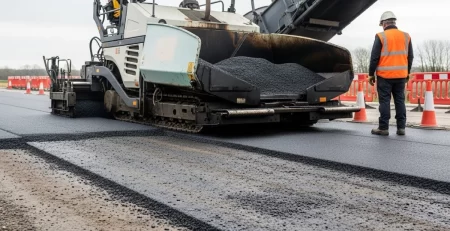
The same principles apply to commercial developments, where professional machine lay tarmac delivers consistent thickness, improved compaction and longer-lasting performance across larger sites.
How Motorway Construction Differs from Standard Road Surfacing
The surface itself is only one part of the overall pavement structure.
Motorways are constructed using multiple engineered layers, each serving a specific purpose. Beneath the surface course are binder courses, base layers and sub-base materials that work together to distribute traffic loads safely into the ground below.
Each layer is carefully compacted and tested to ensure it meets strict performance standards.
By comparison, many private roads, car parks and residential developments require less complex pavement structures because they experience lower traffic volumes.
Why Material Choice Matters
Selecting the appropriate surfacing material is essential for achieving long-term value.
Using a standard domestic asphalt mix on a heavily trafficked commercial road would almost certainly result in premature wear and expensive repairs. Equally, specifying specialist motorway-grade materials where they are unnecessary can increase project costs without providing meaningful benefits.
Experienced contractors assess anticipated traffic levels, vehicle types, drainage requirements and environmental conditions before recommending the most suitable surfacing solution.
Commercial property owners seeking durable infrastructure often benefit from working with experienced commercial surfacing contractors who understand how material selection affects long-term performance.
Conclusion
Although many people still refer to every black road surface as tarmac, UK motorways rely on highly engineered asphalt systems that offer far greater performance than standard surfacing materials. These specialist mixtures are designed to withstand continuous heavy traffic, provide excellent grip in all weather conditions, reduce standing water and deliver many years of reliable service.
The same engineering principles apply across commercial developments, industrial estates and private access roads, where selecting the correct surfacing material plays a crucial role in achieving durability, safety and long-term value. Whether constructing a motorway or resurfacing a business premises, investing in the right materials from the outset helps minimise maintenance, improve performance and ensure the finished surface continues to meet its intended purpose for years to come.