The Most Overlooked Cause of Road Damage in the UK
When people think about road damage in the UK, they often blame heavy traffic, freezing temperatures or poor-quality materials. While these factors certainly contribute to surface deterioration, one of the most significant causes of premature road failure is frequently overlooked: poor drainage.
Water is one of the most destructive elements affecting road surfaces. Even the highest-quality tarmac or asphalt can deteriorate rapidly when water is allowed to collect on or beneath the surface. Unfortunately, drainage problems are not always obvious during the early stages, meaning minor issues can develop into extensive structural damage before they become visible.
Understanding the relationship between drainage and road performance helps property owners, facilities managers and commercial site operators make informed decisions about maintenance and resurfacing projects before repairs become significantly more expensive.
How Water Damages Road Surfaces
Road surfaces are designed to withstand substantial vehicle loads, changing temperatures and daily wear. However, they are not designed to retain standing water.
When rainfall cannot drain efficiently, moisture begins penetrating tiny cracks and joints within the surface. Over time, this water reaches the underlying foundation layers. As vehicles repeatedly travel across the weakened area, the supporting structure begins to lose strength, causing the surface above to flex and eventually crack.
In colder months, trapped water can freeze and expand. This freeze-thaw cycle widens existing cracks, allowing even more water to enter. As the process repeats throughout the winter, deterioration accelerates rapidly.
Eventually, what began as a minor drainage issue develops into potholes, rutting, edge failures and widespread surface deformation.
Why Drainage Problems Often Go Unnoticed
Unlike visible cracking or potholes, drainage issues often develop gradually.
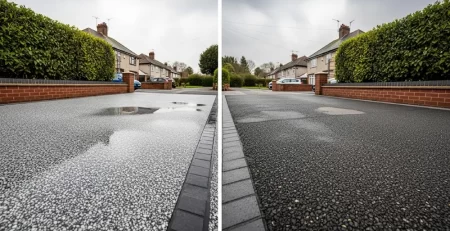
Small depressions that hold water after rainfall may seem insignificant at first. Gullies may become partially blocked without attracting attention, while drainage channels can slowly lose efficiency through the build-up of debris, vegetation or sediment.
Many property owners focus on repairing visible defects while the underlying drainage issue remains unresolved. As a result, repaired areas often fail again because the original cause has never been addressed.
Professional contractors understand that successful surfacing projects begin with identifying the source of deterioration rather than simply replacing damaged material.
The Hidden Impact Below the Surface
One of the reasons drainage is so frequently underestimated is that much of the damage occurs beneath the visible road surface.
The sub-base provides the structural support that distributes vehicle loads evenly. Once excessive moisture reaches this layer, its load-bearing capacity begins to decline.
Heavy commercial vehicles can then compress the weakened foundation, leading to settlement and uneven surfaces. Cracks soon appear above these weak spots, creating further entry points for water.
This cycle continues until extensive resurfacing or full reconstruction becomes necessary.
A properly designed drainage system protects not only the finished surface but also the structural layers that determine the overall lifespan of the road.
Areas Most Vulnerable to Drainage-Related Damage
Certain locations are particularly susceptible to drainage problems.
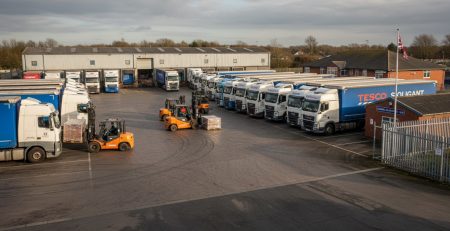
Commercial yards frequently experience standing water because of constant heavy vehicle movements. Industrial estates often contain large impermeable areas where rainfall must be managed effectively. Car parks can develop low spots that trap water for prolonged periods, while private access roads may suffer from inadequate drainage design dating back many years.
Housing developments can also experience drainage issues where landscaping alters natural water flow or where drainage systems become overwhelmed during periods of heavy rainfall.
Understanding these risk factors allows maintenance programmes to focus on preventative action before structural damage develops.
Why Professional Installation Makes the Difference
Drainage should never be considered as an afterthought during road construction.
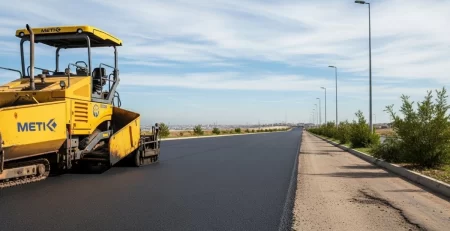
Every professionally designed surfacing project considers gradients, water flow, drainage channels and suitable foundation preparation before the final surface is installed.
This ensures rainfall is directed safely away from the pavement rather than remaining on the surface.
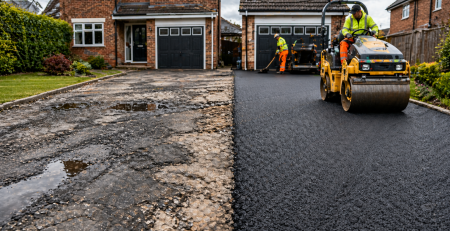
Working with experienced tarmac installation specialists allows drainage to be incorporated into the overall design rather than relying on temporary solutions after problems emerge.
Professional planning helps maximise surface lifespan while reducing future maintenance costs.
Recognising the Early Warning Signs
Road damage caused by poor drainage rarely appears overnight.
Standing water that remains long after rainfall is often one of the earliest indicators. Small cracks that continue spreading despite repairs can also suggest moisture is affecting the underlying structure.
Other warning signs include sinking sections, edge deterioration, loose aggregates, repeated pothole formation and areas where vehicles create visible surface movement.
Addressing these symptoms early usually results in significantly lower repair costs than waiting until major resurfacing becomes unavoidable.
Regular inspections allow these issues to be identified before they compromise the structural integrity of the entire pavement.
Preventative Maintenance Extends Road Life
Preventative maintenance is considerably more cost-effective than reactive repairs.
Routine inspections should include checking drainage channels, gullies and surface gradients to ensure rainwater continues flowing efficiently. Clearing debris before winter reduces the likelihood of blockages during periods of heavy rainfall.
Cracks should be sealed promptly to prevent moisture reaching the sub-base, while localised repairs can restore structural integrity before larger failures develop.
Combining regular maintenance with periodic professional inspections helps property owners protect their investment while minimising disruption to daily operations.
Choosing the Right Contractor
Not every resurfacing project requires complete reconstruction.
An experienced contractor will first investigate why the damage has occurred before recommending an appropriate solution. If drainage is identified as the primary cause, improving water management may significantly extend the lifespan of both existing and newly resurfaced areas.
Choosing experienced commercial surfacing contractors ensures every stage of the project, from foundation preparation through to final surfacing, is completed with long-term performance in mind.
Reviewing previous case studies can also provide reassurance that similar drainage challenges have been successfully resolved on comparable projects.
Long-Term Value Through Better Drainage
The true cost of road damage extends beyond repair bills.
Poor surfaces increase maintenance expenditure, disrupt business operations, create safety hazards and reduce the overall appearance of commercial premises.
By recognising drainage as one of the most overlooked causes of road damage in the UK, property owners can take practical steps to reduce future deterioration and maximise the lifespan of their infrastructure.
Professional planning, quality installation and ongoing maintenance work together to ensure roads continue performing reliably for many years, even under demanding British weather conditions.