Disabled Parking Bay Markings in the UK: Rules, Dimensions & Compliance Guide
Accessible parking is essential for creating inclusive and safe environments across the UK. However, many property owners and businesses struggle to understand the correct rules, dimensions, and compliance requirements for disabled parking bay markings.
Poorly marked bays can lead to legal issues, fines, and reduced accessibility for those who need it most. Understanding how these bays should be designed, marked, and maintained ensures both compliance and usability.
From proper symbols to correct spacing and enforcement rules, every detail matters. This guide explains everything you need to know, along with how professional surfacing experts like Total Surfacing Solutions can help deliver compliant and long-lasting results.
Tip: Clear, compliant disabled parking bay markings improve accessibility, safety, and legal compliance. If you need professionally installed or refreshed markings, Get A Free Quote from our experienced team.
What Are Disabled Parking Bay Markings?
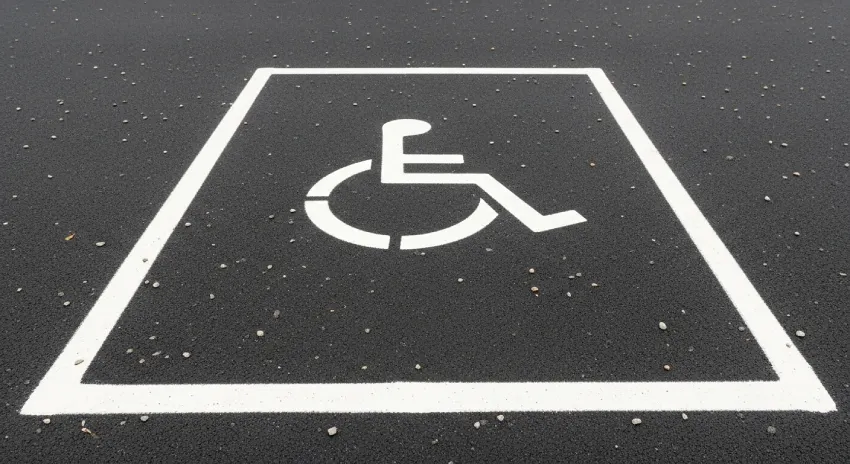
Disabled parking bay markings are specially designed road markings that ensure safe and convenient access for Blue Badge holders. These markings help prioritise accessibility and prevent misuse of designated spaces.
They are typically found on public roads, residential streets, and private car parks. Their purpose is to provide enough room for wheelchair access and mobility aids.
Key Features Include:
- Wheelchair symbol (International Symbol of Access)
- “DISABLED” or “DISABLED ONLY” text
- Clearly defined bay boundaries
These markings also guide drivers to respect accessibility needs. When correctly implemented, they significantly improve mobility for disabled users.
Official Disabled Parking Bay Markings in the UK
UK regulations ensure that disabled parking bays are consistent, visible, and accessible. These markings must follow specific design standards to ensure clarity and compliance across all locations.
Proper markings not only support accessibility but also reduce confusion for drivers. They help ensure that spaces are used appropriately and legally.
Key Visual Features
Disabled parking bays must include the internationally recognised wheelchair symbol painted in white. This symbol is typically placed centrally within the bay for maximum visibility.
In many cases, the word “DISABLED” or “DISABLED ONLY” is added to reinforce the restriction. This helps prevent misuse and clearly communicates the purpose of the space.
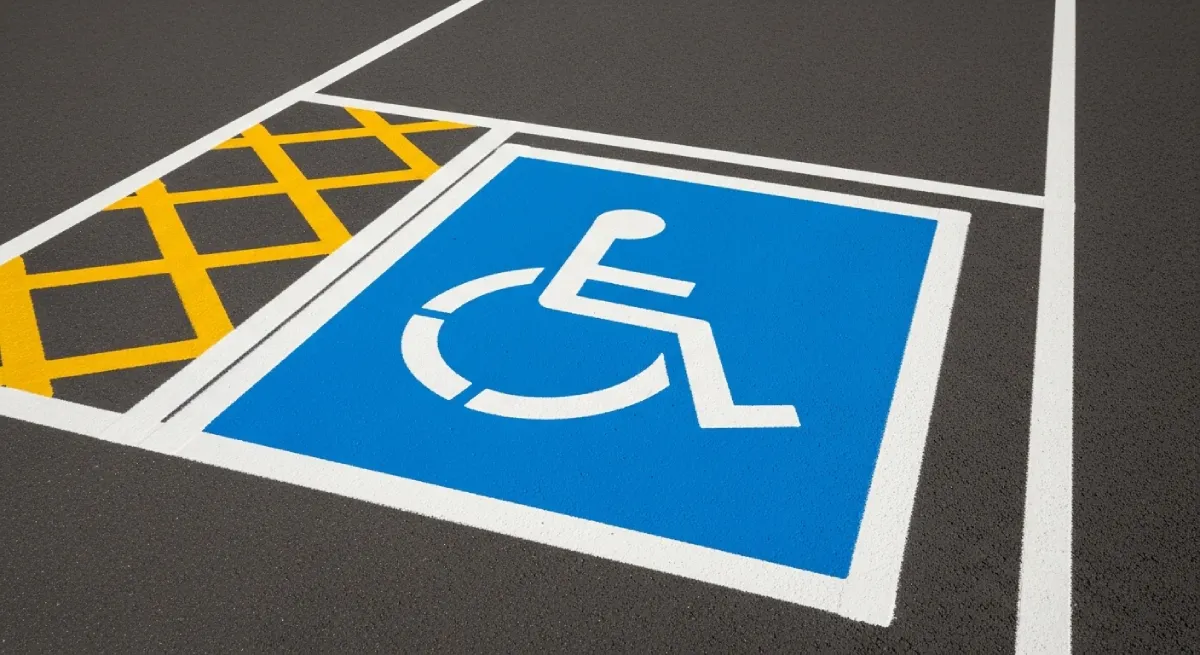
White boundary lines define the bay, while optional blue infill can be used for enhanced contrast. This is especially useful in busy or low-visibility environments. These visual elements work together to ensure clarity, compliance, and ease of use.
Paint & Material Requirements
Durability is crucial for disabled parking bay markings. High-quality, weather-resistant paint ensures longevity, especially in high-traffic areas. Non-slip paint is essential for safety. It reduces the risk of slips for pedestrians and wheelchair users, particularly in wet conditions.
Professional contractors use specialist materials designed to withstand wear, UV exposure, and heavy use. This ensures markings remain visible over time. Regular maintenance and repainting are also important to maintain compliance and usability.
On-Street Disabled Parking Bays (Advisory Use)
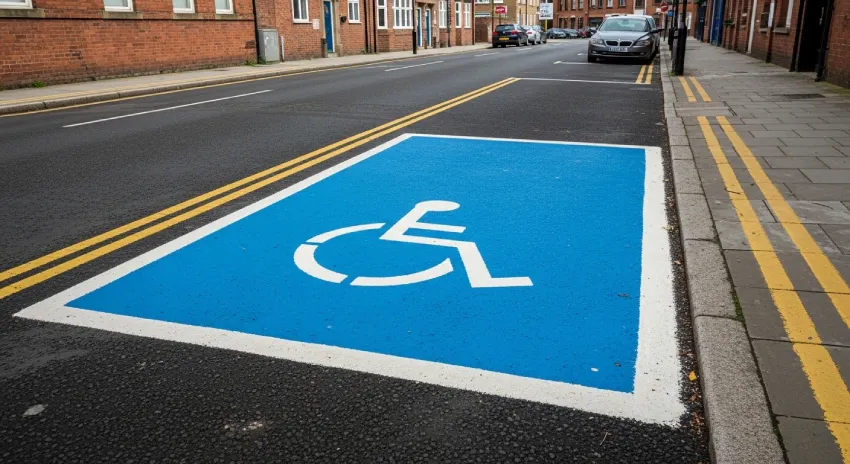
On-street disabled parking bays are often provided for residents with significant mobility challenges. These bays are commonly installed outside homes or in residential areas.
Unlike off-street bays, many on-street bays are advisory rather than legally enforceable. However, they are still expected to be respected by other drivers.
How Are They Marked?
These bays are typically marked with a white rectangular outline. Inside the box, the wheelchair symbol is clearly painted. The word “DISABLED” is often included to indicate the intended use of the space.
This helps discourage unauthorised parking. Markings are usually simple but highly visible. Their clarity is essential for both users and other road users.
Are They Legally Enforceable?
Most on-street disabled bays are advisory, meaning they are not always legally enforceable. This can vary depending on local council regulations. Despite this, they are designed to be respected by the public.
Misuse can still lead to complaints or local enforcement actions. Some bays may become enforceable if supported by a Traffic Regulation Order (TRO). This gives local authorities the power to issue penalties.
When They Are Enforced?
Enforcement depends on local authority policies. In some areas, advisory bays may still be monitored. Where TROs are in place, fines can be issued for misuse. This ensures fair access for those who need it.
Clear signage and proper marking improve the likelihood of compliance. Professional installation plays a key role in this.
Off-Street Disabled Bays (Car Parks & Public Spaces)
Off-street disabled parking bays are legally enforceable and commonly found in supermarkets, hospitals, and commercial properties. These spaces must meet strict accessibility standards. They are essential for ensuring equal access to services and facilities. Businesses have a legal responsibility to provide compliant bays.
Legal Requirements
Off-street bays must be clearly marked with the wheelchair symbol and appropriate text. They must also include signage at eye level. These spaces are reserved strictly for Blue Badge holders. Failure to comply can result in penalties.
Markings must be maintained regularly to ensure visibility and compliance. Faded or unclear markings can lead to legal issues.
Importance for Businesses
Providing compliant disabled parking bays helps businesses meet Equality Act obligations. It ensures accessibility for all customers. Well-marked bays improve customer experience and demonstrate inclusivity. This can positively impact brand reputation.
Professional installation ensures long-lasting, compliant results. This reduces maintenance costs and potential legal risks.
Standard Dimensions & Layout Requirements
Correct dimensions and layout are critical for accessibility. Disabled parking bays must provide sufficient space for wheelchair access and safe movement. Poorly designed bays can make access difficult or unsafe. Compliance with recommended dimensions ensures usability.
Recommended Bay Sizes
On-street bays typically follow standard vehicle dimensions. However, they should still allow adequate space for accessibility. Off-street bays are wider to accommodate wheelchair users. Additional space is essential for opening doors and using ramps. These dimensions are crucial for ensuring practical usability.
Accessibility Features
Accessible bays should include a hatched area alongside or behind the space. This provides extra room for wheelchair access. These zones are usually marked in yellow or white. They must remain clear at all times. Proper spacing ensures users can safely enter and exit vehicles.
Placement of Markings
The wheelchair symbol is typically placed in the centre of the bay. This ensures maximum visibility. Boundary lines must be clearly defined. This prevents confusion and misuse. High-quality placement ensures compliance and long-term durability.
Choosing the Right Contractor for Disabled Bay Markings
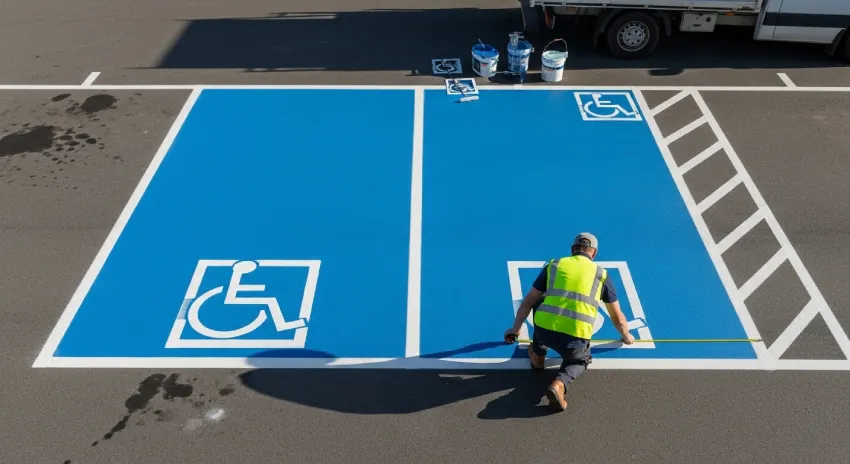
Selecting the right contractor is essential for achieving compliant and long-lasting results. Expertise in both surfacing and line marking ensures a professional finish. Working with experienced specialists helps avoid costly mistakes and ensures adherence to UK regulations.
With over two decades of experience, Total Surfacing Solutions delivers expert surfacing and marking services tailored to your needs. We combine compliance knowledge with high-quality materials to ensure durable and safe results.
Our team provides total surfacing solutions for both commercial and residential projects. From resin bound services Hertford to professional line marking, we ensure every project meets the highest standards.
Our Servicing Areas & Project Locations Across the UK
Choosing a local expert ensures faster response times and better understanding of regional requirements. We proudly serve multiple areas with reliable surfacing solutions.
Delivering Professional Surfacing Across Hertfordshire & Beyond
We operate from Cooks Yard, Unit 1, Warehams Lane, Hertford SG14 1LA, UK, serving Hertfordshire, London, Essex, and Bedfordshire.
Our services include resinbound driveways Hertford and support from experienced surface dressing contractors Hertfordshire. We provide free advice and no-obligation quotes.
📞 Call: +44 1920 486310
📧 Email: quotes@totalsurfacing.co.uk
🕒 Mon–Fri: 8:30am–5:00pm
FAQs
What is resin surfacing and is it suitable for parking bays?
Resin surfacing is a highly durable and permeable solution made by binding natural aggregates with resin. It creates a smooth, anti-slip surface that is both visually appealing and practical for parking areas.
It is particularly suitable for disabled parking bays because it provides a level finish, excellent drainage, and long-term durability. When installed correctly, it enhances both safety and accessibility while requiring minimal maintenance over time.
What is professional line marking?
Professional line marking involves the precise application of road markings using specialist equipment and high-performance paints. This ensures clean, accurate lines that meet UK regulations and remain visible under heavy use.
It is essential for disabled bays, as clear markings improve compliance and reduce misuse. Professional contractors also ensure correct symbol placement, spacing, and durability for long-term performance.
How often should line markings be repainted?
The frequency of repainting depends on traffic levels, environmental conditions, and the quality of materials used. In high-traffic commercial areas, markings may need refreshing every 12–24 months.
Regular inspections are recommended to identify fading or wear early. Maintaining clear and visible markings is crucial for safety, compliance, and user confidence.
What are UK line marking regulations?
UK line marking regulations require disabled bays to include the International Symbol of Access, clear boundary lines, and appropriate wording such as “DISABLED” or “DISABLED ONLY.”
In off-street locations, additional signage at eye level is mandatory. Compliance ensures accessibility under the Equality Act and helps avoid penalties or enforcement issues for property owners.
What is warehouse line marking?
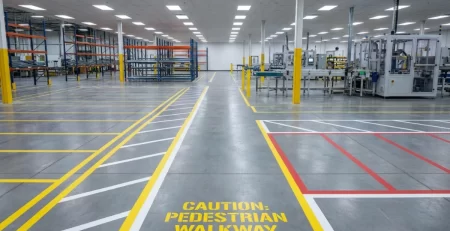
Warehouse line marking is used to organise industrial spaces by clearly defining walkways, loading zones, storage areas, and safety boundaries. It improves workflow efficiency and reduces the risk of accidents.
Although different from parking bays, the same principles apply—clear visibility, durability, and compliance. Professional marking ensures that both operational and safety standards are consistently met.
Getting Disabled Parking Bays Right Matters
Disabled parking bay markings are more than just paint on the ground—they are essential for accessibility, safety, and compliance. Getting the design, dimensions, and materials right ensures that these spaces truly serve those who need them.
Whether you are managing a commercial site or upgrading residential access, professional installation is key.With expert support from Total Surfacing Solutions, you can ensure your parking bays meet UK standards while delivering long-lasting performance. Investing in proper markings today creates safer, more inclusive spaces for everyone tomorrow.