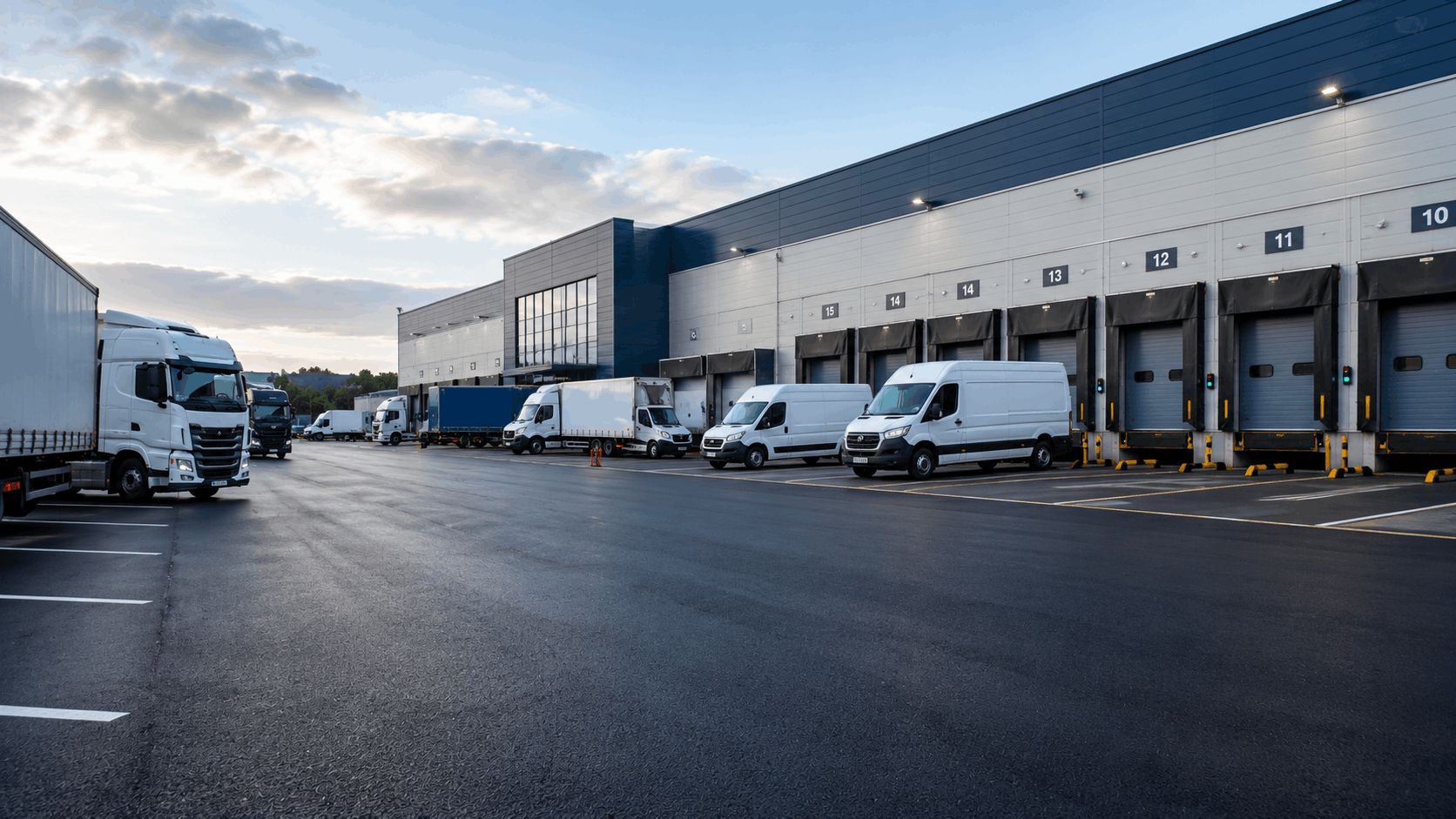
Smart Surfacing Choices for Warehouses, Depots, and Distribution Centres
Warehouses, depots, and distribution centres place significant pressure on external surfaces every day. Heavy goods vehicles, forklifts, delivery vans, employee traffic, and continuous operational movement all contribute to wear across access roads, loading areas, parking zones, and service yards. Choosing the right surface is not simply about appearance. It directly affects safety, efficiency, maintenance costs, drainage performance, and long-term durability.
Industrial environments require surfaces capable of handling repeated loading cycles without early deterioration. Cracking, rutting, potholes, and standing water can quickly disrupt operations and create unnecessary health and safety concerns. This is why many operators invest in professional commercial surfacing contractors who understand the specific requirements of industrial infrastructure.
A properly designed and installed surface supports operational continuity while reducing future repair costs. In high-traffic logistics environments, this can have a measurable impact on business efficiency over time.
Understanding the Demands of Warehouse and Depot Traffic
Industrial traffic differs considerably from residential or light commercial use. Warehouses and depots often experience concentrated vehicle movement in predictable areas, especially around loading bays, turning points, weighbridges, and entrance roads. These repeated stress points can accelerate surface breakdown if the specification is unsuitable.
Heavy articulated lorries generate substantial downward pressure during braking and turning manoeuvres. Forklift trucks create focused point loads that can damage weaker surfacing systems. In distribution centres operating around the clock, surfaces may also face continuous use with little recovery time between traffic cycles.
Environmental exposure further increases pressure on industrial surfaces. Rainwater, fluctuating temperatures, fuel spills, and debris can all contribute to degradation if the surface lacks sufficient structural integrity or drainage planning. Choosing durable tarmac installation solutions designed for industrial use helps minimise these issues and provides more reliable long-term performance.
Why Tarmac Remains a Popular Industrial Surfacing Option
Tarmac continues to be one of the most widely used surfacing materials for industrial environments throughout the UK. Its flexibility, durability, and cost-efficiency make it suitable for many warehouse and depot applications.
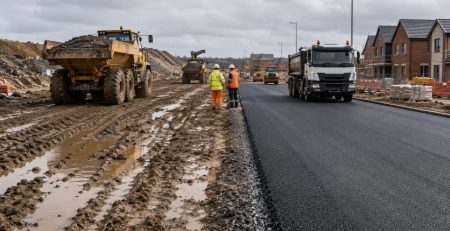
One of the primary advantages of tarmac is its ability to withstand repeated vehicle movement while maintaining a relatively smooth and stable finish. Properly installed machine-laid tarmac can cope effectively with heavy traffic volumes while also allowing efficient maintenance and repair when necessary.
Industrial operators often choose machine lay tarmac because it creates a consistent and uniform finish across large operational areas. This is especially valuable in distribution centres where even surface levels contribute to safer vehicle movement and smoother loading operations.
Tarmac also offers relatively quick installation times compared with some alternative systems. For facilities operating under tight schedules, reducing downtime during resurfacing works is often an important consideration.
The Importance of Sub-Base Construction
Surface performance depends heavily on what lies beneath the finished layer. Even high-quality surfacing materials can fail prematurely if the sub-base is poorly designed or inadequately compacted.
Warehouse and depot projects require carefully engineered foundations capable of supporting anticipated traffic loads. This often involves excavation, ground stabilisation, aggregate layering, and proper compaction techniques before surfacing begins.
Weak foundations may initially appear acceptable but can quickly lead to settlement, cracking, or surface deformation under industrial loading conditions. Professional surfacing contractors assess ground conditions carefully to ensure the correct structural design is used for the intended application.
Industrial sites also frequently contain varying load requirements across different operational zones. Loading bays, turning areas, and parking sections may all require different specifications to optimise durability and cost-effectiveness.
Drainage Considerations for Distribution Centres
Drainage plays a critical role in industrial surfacing performance. Standing water can weaken sub-base materials, accelerate surface wear, and create hazardous conditions for vehicles and pedestrians.
Large warehouse and distribution facilities often feature extensive impermeable surfaces that generate significant water runoff during rainfall. Without effective drainage planning, water can accumulate rapidly in operational areas.
Surface gradients, drainage channels, gullies, and water management systems should all be integrated into the surfacing design from the outset. Effective drainage not only protects the surface itself but also helps maintain operational safety during adverse weather conditions.
Facilities managers often overlook the long-term effects of inadequate drainage until visible deterioration begins to appear. Preventative planning during installation is usually considerably more cost-effective than large-scale remedial works later.
Surface Durability and Maintenance Planning
Even the most durable industrial surfaces require ongoing maintenance to maximise lifespan. Preventative maintenance strategies are particularly important for busy logistics environments where uninterrupted operation is essential.
Small defects can rapidly worsen under constant industrial traffic. Minor cracks may allow water ingress, eventually leading to potholes or structural weakness. Timely repairs help preserve the integrity of the wider surface and reduce the likelihood of more disruptive reconstruction work.
Regular inspections allow site managers to identify early signs of wear before problems escalate. Surface cleaning, drainage maintenance, crack sealing, and isolated repair work all contribute to extending operational lifespan.
Professional pothole repairs are especially important in warehouse environments where damaged surfaces can create safety risks for forklifts, HGVs, and pedestrians. Prompt intervention helps maintain operational continuity and minimises disruption.
Matching Surface Specifications to Operational Needs
No two industrial facilities operate in exactly the same way. Surface selection should always reflect the specific operational demands of the site rather than relying on a one-size-fits-all approach.
Distribution centres with high HGV turnover may prioritise heavy-duty asphalt systems designed for intensive loading. Warehouses with substantial forklift movement may focus on smoothness and surface consistency. Multi-use industrial estates may require surfacing capable of balancing durability with visual appearance.
Future expansion plans should also be considered during project planning. Surfaces designed only for current traffic levels may struggle if operational demands increase over time. Building additional capacity into the specification can provide greater long-term value.
Experienced contractors assess several factors when recommending suitable warehouse surfacing solutions UK businesses can depend upon. These include traffic frequency, axle loads, drainage requirements, turning movements, environmental exposure, and maintenance expectations.
Safety Benefits of Professional Industrial Surfacing
Industrial safety extends beyond internal warehouse operations. External surfaces play a significant role in reducing accidents and maintaining efficient movement throughout the site.
Uneven surfaces, potholes, poor drainage, and deteriorating edges can create hazards for drivers, forklift operators, pedestrians, and delivery personnel. Well-maintained surfacing contributes to safer braking distances, improved vehicle stability, and reduced trip risks.
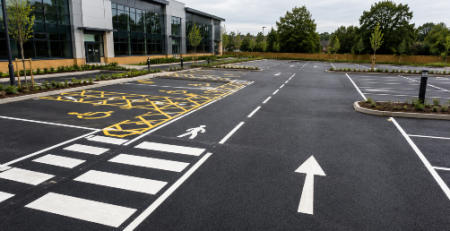
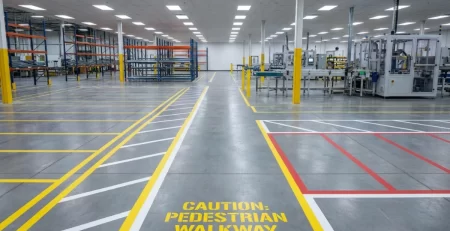
Clearly defined traffic routes and properly surfaced loading zones also support operational organisation. Professional surfacing can improve visibility, reduce surface debris, and create more predictable driving conditions throughout the facility.
Businesses responsible for large industrial premises often recognise that external infrastructure quality contributes to wider compliance and risk management objectives. Investing in durable industrial surfacing can therefore support both operational and safety priorities simultaneously.
Environmental and Operational Efficiency Considerations
Modern industrial developments increasingly consider sustainability alongside durability and operational performance. Surfacing choices can contribute to environmental objectives through material selection, longevity, and maintenance efficiency.
Long-lasting surfaces reduce the frequency of replacement works and associated material consumption. Efficient drainage systems can help manage surface water responsibly while reducing flood risk across commercial sites.
Operational efficiency also benefits from well-planned surfacing. Smooth access routes improve vehicle movement, reduce unnecessary delays, and support more efficient logistics operations. In large distribution centres, even minor surface improvements can contribute to smoother day-to-day performance.
Industrial operators may also consider how surfacing appearance affects the wider presentation of the site. Professional external infrastructure can create a more organised and well-maintained impression for staff, suppliers, and visitors.
Choosing Experienced Industrial Surfacing Specialists
Warehouse and depot surfacing projects require specialist expertise. Industrial environments present unique engineering and operational challenges that differ significantly from smaller commercial or domestic work.
Professional contractors understand how to manage live operational environments, coordinate phased works, and minimise disruption wherever possible. They also recognise the importance of correct material selection, structural preparation, and drainage integration for long-term performance.
Reviewing previous case studies can provide useful insight into how surfacing contractors approach industrial projects and deliver practical long-term solutions. Experience within logistics, warehousing, and commercial infrastructure sectors is particularly valuable when assessing potential contractors.
Facilities managers and property owners should also consider maintenance support, project planning capabilities, and compliance standards when selecting surfacing specialists for industrial works.
Long-Term Value Through Smarter Surfacing Decisions
Industrial surfacing should always be viewed as a long-term infrastructure investment rather than a short-term expense. The right specification can deliver years of reliable performance while reducing maintenance costs, operational disruption, and safety risks.
Warehouses, depots, and distribution centres depend heavily on external infrastructure functioning effectively every day. Poor surfacing decisions often lead to avoidable repair costs and operational inefficiencies over time.
By investing in carefully planned warehouse surfacing solutions UK businesses can achieve stronger durability, safer operating conditions, and improved long-term performance across their industrial facilities. Combining professional installation, robust drainage design, and ongoing maintenance planning creates surfaces capable of supporting demanding commercial operations for many years.