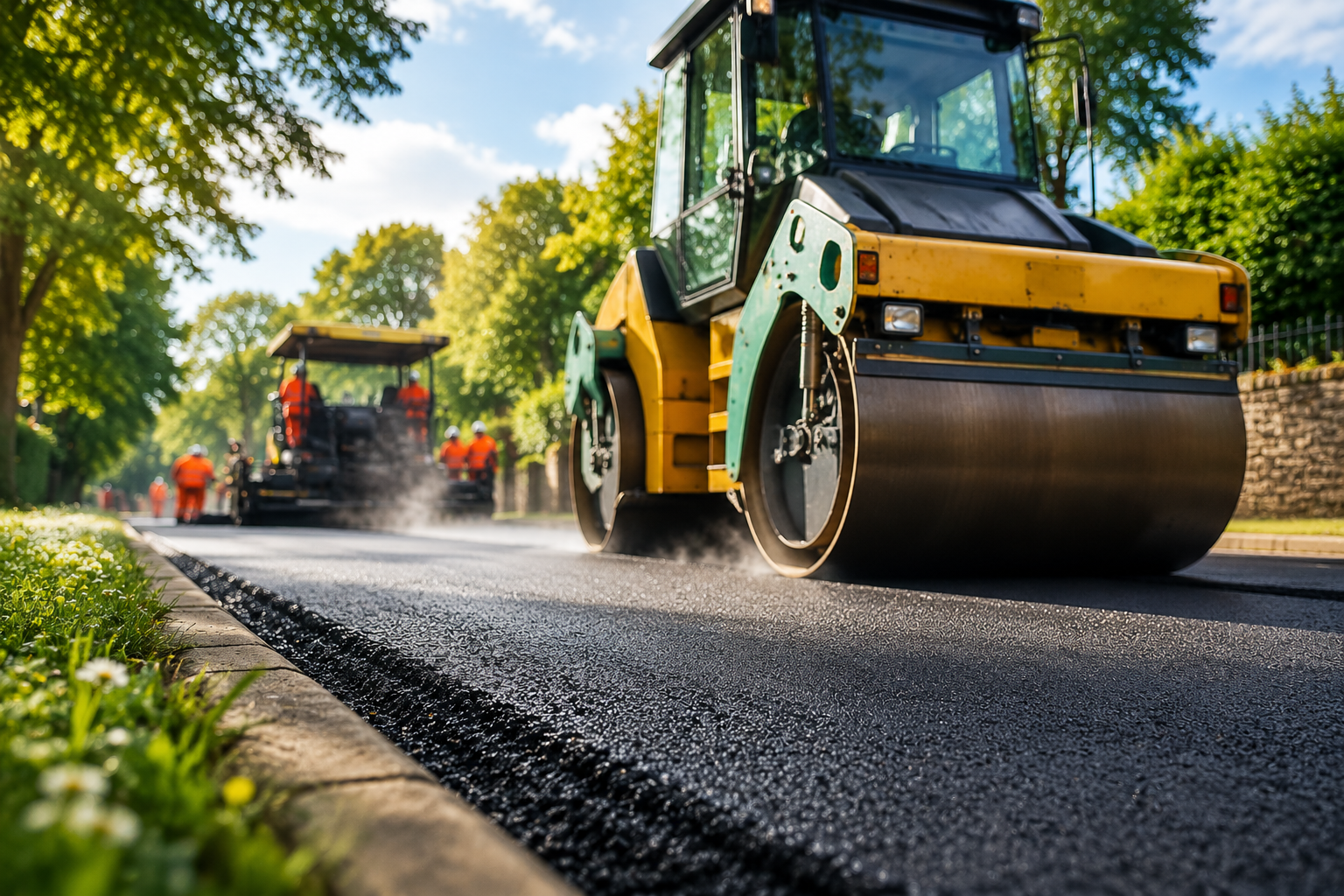
Warm Mix Asphalt: The Lower-Carbon Road Surfacing Solution Gaining Ground in the UK
Road surfacing decisions are increasingly shaped by more than durability and cost. Commercial site managers, landowners, developers and highway authorities are also considering how materials can reduce carbon emissions, minimise disruption and support safer working practices. Warm mix asphalt is one of the practical developments helping to meet these objectives.
Warm mix asphalt is manufactured and laid at lower temperatures than conventional hot mix asphalt. Rather than relying on the highest production temperatures to keep the material workable, specialist techniques or modified binders allow the asphalt to be mixed, transported, laid and compacted at reduced heat. In the UK, this approach has moved beyond small-scale experimentation. National Highways has promoted warm mix asphalt for use across the strategic road network, following research and supply chain collaboration that enabled wider adoption without compromising expected performance.
For property owners and commercial premises managers, the principle is straightforward. Roads, car parks, service yards and access routes still need a strong, smooth and appropriately specified asphalt surface. Warm mix asphalt offers a way of achieving that outcome while reducing the energy required during manufacture and delivering practical advantages during installation.
What Is Warm Mix Asphalt?
Warm mix asphalt is an asphalt material produced at a lower temperature than traditional hot mix asphalt. Conventional hot asphalt requires substantial heat so that the bitumen binder coats the aggregate effectively and the mixture remains workable during delivery and compaction. Warm mix technology achieves suitable workability at a reduced temperature through the use of specialist binders, additives or controlled production methods.
The temperature reduction can vary according to the product, plant and project specification. UK manufacturers report production temperatures up to 40°C lower than conventional hot mix asphalt for certain warm mix products. The important point is that the asphalt can be handled and compacted correctly while using less energy in the production process.
Warm mix asphalt should not be confused with temporary cold-applied repair materials. It is intended for properly designed surfacing works where the surface must carry traffic, resist weathering and provide long-term service. It can be relevant to estate roads, business parks, industrial yards, car parks, access roads and highway maintenance, provided that the mixture and installation method are appropriate for the expected loading and site conditions.
How Warm Mix Asphalt Reduces Carbon During Surfacing Works
The principal environmental benefit of warm mix asphalt comes from reducing the heat required during manufacture. Asphalt plants use energy to heat aggregate and binder before the material leaves the plant for the installation site. Lower production temperatures mean that less fuel is needed during this stage.
National Highways has stated that warm mix asphalt technologies can offer carbon dioxide savings of up to 15 per cent compared with conventional hot mix asphalt. UK product information from Heidelberg Materials also identifies carbon reductions of up to 15 per cent in asphalt production emissions for its warm mix solution, with an average saving of 2.4 kg CO₂e per tonne compared with standard hot mix asphalt.
This matters because asphalt is widely used across the UK road network. National Highways reports that asphalt is used for surfacing on more than 96 per cent of its network and contributes around 15 per cent of its construction and maintenance emissions. Reducing production carbon in a frequently used material can therefore contribute meaningfully to lower-carbon infrastructure programmes.
For an individual commercial site, the carbon saving from one resurfacing project will depend on the area, depth, mixture specification, haulage requirements and overall construction method. Warm mix asphalt is not a complete sustainability strategy on its own, but it can form a practical part of a responsible surfacing specification, particularly when combined with sound design, efficient delivery planning and appropriate maintenance.
Performance and Durability on UK Roads and Access Areas
Lower production temperature does not remove the need for a durable road surface. A commercial access road may need to carry delivery vehicles, refuse lorries, staff cars and occasional heavy plant. An industrial yard may be subject to repeated turning movements and loading activity. A surface that is selected only for its environmental claims, without considering performance, is unlikely to deliver value over its service life.
Warm mix asphalt is designed to achieve the compaction and finish required for a lasting surface. Compaction is essential because poorly compacted asphalt can be more vulnerable to water ingress, early deterioration and surface deformation. Warm mix technology is intended to keep the material workable at lower temperatures, helping installation teams form an even and properly compacted surface under the right conditions.
Reduced heating may also limit some of the ageing that occurs when bitumen is exposed to high production temperatures. Heidelberg Materials identifies reduced oxidisation during manufacture as a durability benefit of its warm mix product. This does not mean every warm mix surface will automatically last longer than every hot mix surface. Long-term results still rely on correct material selection, a suitable base, effective water management and experienced installation.
A properly planned tarmac installation and road surfacing service should therefore consider the full structure of the site, rather than focusing only on the visible top course. The bearing capacity of the existing base, traffic demands, falls, edges, drainage and working access all affect whether a new asphalt surface performs successfully.
Practical Benefits for Commercial Sites and Property Managers
For occupied commercial premises, surfacing work often needs to be completed with limited interference to daily operations. Delivery routes may need reopening quickly. Customer parking may only be available for closure in stages. Industrial units may require access for vehicles at particular times of day. In these situations, material choice can influence the practical management of the works.
Because warm mix asphalt is laid at lower temperatures, it can reach suitable trafficking temperatures more quickly than conventional hot asphalt in certain circumstances. Aggregate Industries identifies earlier reopening of carriageways and reduced disruption as potential advantages of warm mix production. This can be particularly useful where surfacing is being carried out in heavily used access areas or where phased works are required.
Lower-temperature materials can also improve conditions during installation. Reduced heat, fumes, odour and steam can create a more manageable working environment for surfacing teams and can be beneficial on premises where staff, visitors or neighbouring properties remain nearby during the works. This is especially relevant on business estates, healthcare or education sites, and retail premises where maintaining a professional and controlled site environment is important.
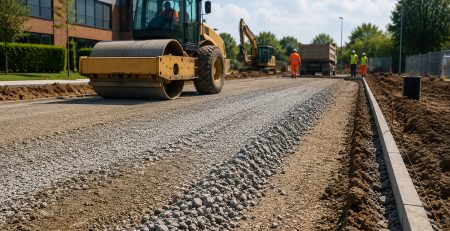
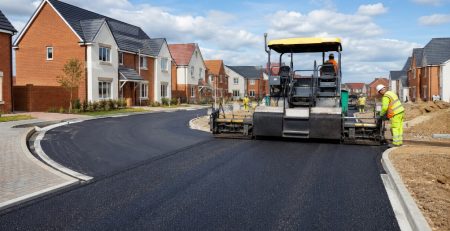
Where large areas need a consistent finish, machine-laid tarmac surfacing can support accurate placement, uniform levels and efficient compaction. Warm mix asphalt may be considered as part of that installation approach where the specification, material availability and site requirements make it suitable.
Where Warm Mix Asphalt Can Be Used
Warm mix asphalt can be relevant across a wide range of UK surfacing projects. On commercial developments, it may be suitable for access roads linking entrances, loading areas and parking zones. For business parks and logistics sites, it can support surfacing works where operational disruption needs to be controlled. On private estates and residential developments, it may provide a lower-carbon option for roads and shared access areas without changing the requirement for a neat and durable finish.
It also has clear relevance for highway and public-sector works, where reducing construction emissions is becoming an increasingly important part of procurement and maintenance planning. National Highways’ decision to encourage its wider use on the strategic road network reflects the material’s growing role in modern road infrastructure.
However, no asphalt material should be specified in isolation from the demands of the site. Areas subject to exceptionally heavy loads, frequent manoeuvring, fuel contamination risks or drainage problems require careful assessment. The most suitable surface may depend on whether the work involves new construction, overlaying an existing surface, full reconstruction or targeted repairs.
For roads and major access routes where surface integrity and traffic performance are central considerations, professional highway surfacing should be based on the expected use of the area, the existing construction and the standard of finish required.
Site Preparation Still Determines Long-Term Results
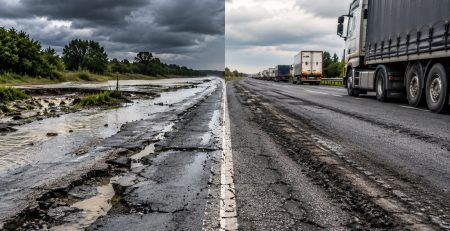
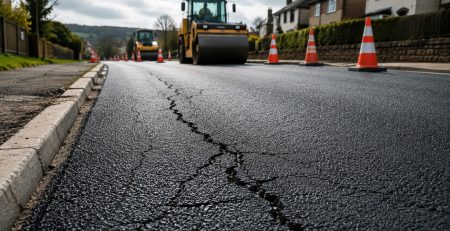
A lower-carbon asphalt surface will only perform properly when the supporting construction is sound. Before resurfacing begins, the condition of the existing area should be reviewed. Cracking, soft spots, standing water, edge failure and repeated potholing may indicate issues below the surface that should not simply be covered over.
The preparation requirements will vary between projects. An existing surface in reasonable condition may be suitable for a planned overlay after cleaning, localised repair and level adjustments. A severely deteriorated access road may need defective material removed and the base reconstructed before the new asphalt is placed. Failure to address underlying defects can shorten the lifespan of the finished surface, regardless of whether warm mix or conventional asphalt is chosen.
Drainage also remains critical. Water that sits on the surface or enters through weak joints can contribute to deterioration, particularly during repeated wet and cold conditions. A successful surfacing project should provide suitable falls, maintain or improve drainage routes and ensure that channels, kerbs and edges support the movement of water away from trafficked areas.
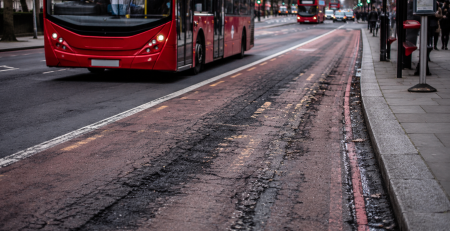
For surfaces already showing localised deterioration, professional pothole repairs may help restore safety and prevent further breakdown while wider resurfacing requirements are assessed.
Choosing Warm Mix Asphalt for a Surfacing Project
Warm mix asphalt is most valuable when it is selected for the right reasons and installed as part of a properly designed project. Property owners and site managers should consider the intended traffic, the condition of the existing construction, drainage performance, operational access requirements and any environmental objectives connected with the site.
For a commercial organisation seeking to reduce construction-related emissions, warm mix asphalt can offer a measurable improvement during the manufacturing stage while retaining the familiar benefits of an asphalt surface. For a busy premises manager, the potential for reduced disruption and improved installation conditions may be equally important. For developers and estate managers, it may contribute to a more considered approach to infrastructure works without creating unnecessary complexity.
The specification should still be agreed by an experienced contractor who can assess whether warm mix material is available for the required application and whether it is appropriate for the project. Sound surfacing decisions are based on the whole-life requirements of the road or access area, not simply on the newest product option.
Businesses planning resurfacing works can benefit from speaking with experienced commercial surfacing contractors who understand the practical demands of occupied premises, phased access and durable asphalt installation.
A Practical Route Towards Lower-Carbon Road Surfacing
Warm mix asphalt is gaining ground in the UK because it responds to a clear need: roads and access areas must continue to perform reliably, while construction and maintenance methods become more efficient and less carbon-intensive. By reducing asphalt production temperatures, warm mix solutions can lower manufacturing emissions, reduce fumes and support more efficient working on site.
For property owners and commercial site managers, the decision is not simply whether to choose a lower-carbon material. It is whether the full surfacing project has been planned to deliver safety, durability, drainage performance and manageable disruption. When warm mix asphalt is specified appropriately and installed on a properly prepared surface, it can provide a sensible route towards high-quality road surfacing with a reduced production carbon footprint.