Can You Paint a Concrete Driveway?
Concrete driveways often look tired because of oil stains, tyre marks, fading, cracks, and patch repairs. A quick coat of paint can seem like the cheapest fix, but driveway concrete faces heat, traffic, water, and constant surface friction. The experienced solution is simple: inspect the slab first, prepare it properly, choose a driveway-grade product, and know when resurfacing is safer than paint.
If the concrete is already cracked, slippery, stained, or holding water, painting may only hide the problem for a short time. In that case, it is worth comparing paint with a longer-lasting resin bound driveway surface before spending money on another coating.
Tip: Before you paint a concrete driveway, check if a longer-lasting surface is the smarter option. Explore our paint a concrete driveway service guidance for a cleaner, stronger driveway finish.
Can You Paint a Concrete Driveway?
Yes, but the answer depends on product, preparation, and existing concrete condition. A driveway is not like a patio wall or garden path. Tyres, moisture, oil, and UV exposure attack the coating every day.
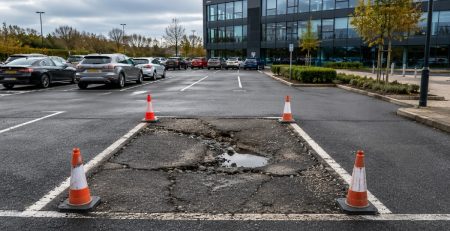
Concrete driveway paint works best when the slab is stable, clean, dry, and free from loose coating. It should only be used when the surface needs cosmetic improvement, not structural repair. If the concrete is cracked, sinking, dusty, or holding water, paint will only cover the problem for a short time.
The biggest mistake is using standard exterior paint. Ordinary paint sits on the surface and cannot handle hot tyres, turning friction, oil spills, and surface moisture. A safer approach is to use a driveway-rated coating, concrete stain, coloured sealer, or a professional surfacing option from Total Surfacing Solutions.
| Driveway Condition | Paint Decision | Better Action |
| Sound concrete with stains | Paint may work | Clean, etch, prime, coat |
| Smooth sealed concrete | Risky | Strip, grind, or stain |
| Cracked concrete | Not suitable | Repair or resurface first |
| Slippery slope | High risk | Add anti-slip or avoid paint |
| Old peeling paint | Do not repaint directly | Remove coating first |
| Drainage issue | Not suitable | Fix water flow first |
| Heavy wear area | Paint may fail | Consider resin surfacing |
The Prep Work Decides the Finish
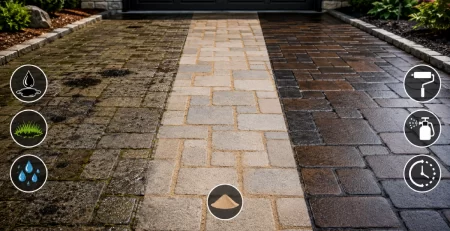
The prep work is the difference between a coating that bonds and a coating that lifts. Most driveway paint failures begin before the first coat is applied. Dirt, oil, moisture, old sealer, and smooth concrete all block adhesion.
Start with a serious inspection. Look for cracks, hollow areas, flaking edges, previous coating, moss, oil, tyre rubber, and standing water. If the surface feels dusty under your hand, the concrete is too weak for paint without repair.
Cleaning must go deeper than a quick hose rinse. Use a concrete degreaser on oil spots, scrub the surface, then pressure wash the whole driveway. Allow the slab to dry fully before judging whether it is ready for coating.
Smooth concrete usually needs etching or grinding. Paint needs a rough surface profile so it can grip into the pores. If the driveway still feels slick after cleaning, the coating may sit on top and peel under tyres.
Old paint must be treated as a weak layer. If it is peeling, bubbling, or flaking, the new coat will only stick to failing material. Removal may require pressure washing, scraping, chemical stripping, sanding, or grinding.
Cracks should be repaired before coating. Use a suitable concrete crack filler or repair compound, then allow it to cure properly. For larger cracking patterns, review this asphalt cracking prevention guide to understand how surface movement can return through weak coatings.
| Prep Stage | Why It Matters | Failure If Skipped |
| Degreasing | Removes oil film | Peeling over stains |
| Pressure washing | Clears dirt and debris | Patchy adhesion |
| Crack repair | Stabilises visible defects | Cracks show through |
| Etching or grinding | Creates surface grip | Coating lifts |
| Drying time | Stops trapped moisture | Blistering |
| Primer check | Improves bonding | Uneven finish |
Choose the Right Product or Risk Peeling
Choose the right product before thinking about colour. Driveway coatings need traffic resistance, weather resistance, and tyre heat resistance. A product that works on a porch may still fail under parked vehicles.
Concrete driveway paint gives solid colour coverage. It can hide stains, old patches, and dull grey concrete. However, it must be made for external concrete and vehicle traffic, not only foot traffic.
Concrete stain is often more forgiving than paint. Stain penetrates the concrete instead of forming a thick film on top. That makes it less likely to peel, although it may not hide heavy patch marks as completely as paint.
Acrylic coloured sealers can improve appearance while adding surface protection. They are useful when the concrete is dull but still stable. Some film-forming sealers can become slippery when wet, so anti-slip additives matter.
Epoxy-style products can be strong, but exterior use needs care. Some garage coatings are not ideal for outdoor UV, rain, and temperature fluctuations. If epoxy or polyaspartic coating is considered, it should be rated for exterior driveway use.
Resin surfacing may be more suitable when the homeowner wants a long-term finish instead of repeat repainting. For local surface upgrade choices, compare the driveway material value before choosing paint only because it looks cheaper upfront.
| Product Type | Best For | Main Risk |
| Driveway paint | Solid colour change | Peeling if prep is poor |
| Concrete stain | Natural colour improvement | Less stain hiding |
| Coloured sealer | Light protection and tone | Slip risk when wet |
| Exterior epoxy coating | Stronger surface film | UV and prep sensitivity |
| Resin-bound surface | Full surface upgrade | Higher initial cost |
Application Process That Avoids Failure
The application process should be slow, controlled, and weather-aware. Rushing the coating is one reason driveways mark, peel, or stay tacky. The surface, product, weather, and curing window must all match.
First, choose a dry weather window. Avoid coating before rain, during high humidity, or under extreme heat. Concrete that looks dry on top may still hold moisture inside.
Second, apply primer only when the system requires it. Some paints need primer for bonding, while some stains should not be blocked by primer. Always match primer to the coating type.
Third, apply thin coats instead of one heavy coat. Heavy coating can trap moisture, dry unevenly, and mark under tyres. Two controlled coats are usually stronger than one thick coat.
Fourth, add anti-slip aggregate where needed. This is especially important on slopes, shaded entrances, damp areas, and driveways with foot traffic. Anti-slip grit should be compatible with the selected coating.
Fifth, respect curing time before using the driveway. Walking too early can mark the coating, and parking too early can cause tyre pickup. A driveway should remain free from vehicles until the coating is fully cured.
| Step | Action | Quality Check |
| 1 | Inspect | No major movement |
| 2 | Degrease | Oil marks removed |
| 3 | Pressure wash | Surface clean |
| 4 | Repair | Cracks filled |
| 5 | Etch or grind | Surface feels grippy |
| 6 | Dry | No trapped moisture |
| 7 | Prime or stain | Product matched |
| 8 | Coat | Thin even layer |
| 9 | Add grip | Safer when wet |
| 10 | Cure | No early vehicle use |
For new surface systems, preparation is still the foundation. The same principle applies to resin surface groundwork steps, because surface strength depends on what happens below the finish. A durable driveway starts with the base, not the colour.
When Painting Is the Wrong Fix?
Painting is the wrong fix when the driveway has deeper surface or base problems. A coating cannot rebuild weak concrete, correct drainage, or stop ground movement. It only changes and protects the visible surface.
Do not paint over active cracks. The coating will bridge the crack for a short time, then split as the concrete moves. Crack repair or resurfacing should happen before any decorative finish.
Do not paint concrete that holds standing water. Pooling water weakens coatings and increases slip risk. Drainage must be corrected before a surface finish is applied.
Do not paint over crumbling or dusty concrete. Loose material will detach with the paint attached to it. A stable surface is required before any coating can perform.
Do not paint if the driveway already has multiple failed layers. Each old layer becomes another weak point. Removing the coating may cost enough that resurfacing becomes a better decision.
For driveways where base failure is suspected, study road base course structure before choosing another surface film. A paint layer cannot compensate for weak support below the slab. Long-term driveway performance needs a sound base and controlled water movement.
Paint, Stain, Sealer, or Resin Surface?
This choice should be based on the problem you are trying to solve. Paint is not always wrong, but it is often overused. The best finish depends on appearance, traffic, drainage, safety, and expected maintenance.
Use paint when the driveway is sound and needs solid colour. It is useful for hiding stains and patchy concrete. Accept that it may need future recoating.
Use stain when the concrete is bare and you want colour without a thick surface film. It can look more natural and reduce the risk. It may not fully hide heavy repairs.
Use sealer when the goal is protection rather than colour change. Clear penetrating sealers can protect without making the driveway look painted. For block paving maintenance, compare the paver sealing workflow before deciding on a coated finish.
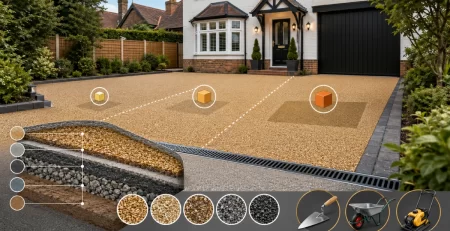
Use resin-bound surfacing when the surface needs a more complete upgrade. Resin creates a decorative, durable, and permeable finish when installed over the right base. Homeowners comparing long-term investments can review resin driveway expense factors before choosing repeat paint cycles.
A resin option also helps where water management matters. Paint and many sealers sit on the surface, while resin-bound systems can support drainage when correctly specified. Learn the core idea through resin-bound permeability basics.
Slippery Driveway Fixes Before Recoating
A slippery painted driveway is a safety problem, not just a finish problem. Smooth coatings can lose grip quickly when wet. This becomes worse on slopes, shaded areas, and smooth concrete.
The first fix is to identify whether the paint is bonded. If the paint is already lifting, adding another coat with grit may only delay failure. The weakest layer will still control the result.
If the coating is sound, an anti-slip topcoat may improve traction. Compatible grit, aluminium oxide, or a specialist anti-slip additive can be added into the coating system. Loose sand is only a short-term grip aid, not a complete repair.
If the coating is wrong, removal is usually better. Pressure washing, stripping, blasting, or grinding may be needed depending on product strength. Once the surface is clean, choose stain, sealer, textured coating, or resurfacing.
A driveway should never be left glossy and slick at the entrance to a home. Vehicle tyres, wet shoes, and turning wheels need reliable grip. Safety should take precedence over colour in product choice.
How Long Does Painted Concrete Really Last?
Painted driveway life depends on preparation, weather, traffic, product quality, and curing. A properly prepared coating may last several years. Poor preparation can fail within months.
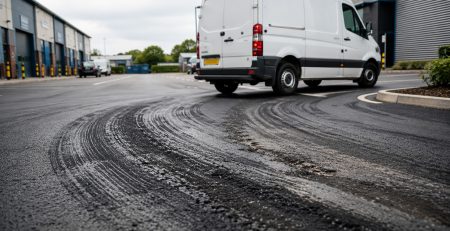
Hot tyres are one of the biggest threats. When a vehicle parks after driving, tyre heat can soften weak coatings. As the tyre cools and grips, it can pull paint from the concrete.
Water is another major threat. Moisture can rise from below or sit on top after rain. Trapped moisture may create blistering, peeling, or white cloudy patches.
UV exposure also affects colour. Cheaper coatings may fade, chalk, or become patchy. Driveways in open sunlight need UV-stable materials.
Maintenance should be expected from the start. Clean spills quickly, avoid harsh chemicals, and wash dirt before it grinds into the coating. For resin alternatives, a resin surface cleaning guide can help compare upkeep before deciding.
When Resin Bound Surfacing Makes More Sense?
Resin-bound surfacing makes sense when paint feels like a short-term cover-up. It is better for homeowners who want a cleaner, longer-lasting driveway appearance. It also suits properties where drainage, finish quality, and kerb appeal matter.
Paint can improve colour, but resin can change the whole surface experience. A professionally installed resin-bound system can create a smooth decorative finish with strong visual value. For homes needing a bigger upgrade, Total Surfacing Solutions can assess whether resurfacing is more suitable than repainting.
Local service pages help connect the right solution to the property area. Homeowners can explore resin-bound driveways in Bedfordshire, resin-bound driveways in Oxford, and resin bound driveways in Cambridgeshire when paint is not the right long-term fix.
The same decision applies across nearby counties. If the concrete is damaged, dull, or repeatedly failing under coatings, compare resin bound driveways in Essex and resin bound driveways in Hertfordshire. A planned surface upgrade can be more convincing than repainting every few years.
Paint is a finish layer, while resin is a surfacing solution. That difference matters when the driveway already has defects, drainage concerns, or poor appearance. The best option is the one that solves the real surface problem, not just the colour problem.
Expert Checklist Before You Start
A checklist prevents expensive mistakes before money is spent on paint. Use it to decide whether painting is suitable, risky, or unnecessary. The goal is to avoid coating a driveway that needs repair, drainage work, or resurfacing.
- Is the concrete structurally sound?
- Is there any standing water after rain?
- Are there oil stains that need degreasing?
- Is the surface smooth, sealed, or shiny?
- Is old paint already peeling?
- Are cracks moving or widening?
- Will vehicles park on the surface daily?
- Is the driveway sloped or often wet?
- Does the product resist hot tyre pickup?
- Is an anti-slip additive included?
- Can the driveway stay unused during curing?
- Would resurfacing give a better result?
If most answers show risk, painting should not be the first choice. A professional inspection can prevent repeat failure. For a reliable assessment, speak with Total Surfacing Solutions before coating a weak surface.
Can You Paint a Concrete Driveway? Area Coverage
Concrete driveway painting decisions can change by location because each area has different weather exposure, drainage pressure, property styles, and maintenance expectations. If the concrete is already cracked, slippery, stained, or holding water, painting may only hide the problem for a short time. In that case, it is worth comparing paint with a stronger local driveway surface before spending money on another coating.
Concrete Driveway in Bedfordshire
A concrete driveway in Bedfordshire can face regular rainfall, winter frost, surface staining, and everyday vehicle wear from family homes, shared entrances, and suburban parking areas. When concrete starts cracking, fading, or holding moisture, paint may only improve the surface appearance for a short time. In that case, Bedfordshire homeowners may benefit from comparing paint with a longer-lasting concrete driveway solution in Bedfordshire before spending money on another coating.
Concrete Driveway in Cambridgeshire
A concrete driveway in Cambridgeshire needs careful attention because flat ground, rainwater movement, seasonal dampness, and dust can affect how well paint or coating bonds to the surface. Rural homes, village properties, and new-build driveways often need strong drainage planning and a practical finish that can handle daily use. If the slab is already damp, stained, or weak, it is worth comparing paint with a more durable concrete driveway surface in Cambridgeshire before choosing a short-term coating.
Concrete Driveway in Essex
A concrete driveway in Essex may deal with rain, summer heat, coastal air in some locations, tyre friction, and high kerb appeal expectations from commuter homes, family properties, and rental driveways. Salt air, surface dust, and moisture can make older concrete look faded, patchy, or slippery over time. If the concrete is already cracked or repeatedly marked, homeowners may want to compare paint with a longer-lasting concrete driveway surface in Essex before repainting the same surface.
Concrete Driveway in Hertfordshire
A concrete driveway in Hertfordshire often needs to look clean, smart, and suitable for high-value commuter homes, family properties, and well-kept residential streets. Rain, frost, shaded areas, moss growth, and daily parking can make plain concrete look tired or unsafe if the surface is not maintained properly. When the driveway has oil stains, cracks, poor drainage, or slippery patches, it is worth comparing paint with a stronger concrete driveway finish in Hertfordshire before applying another coating.
Concrete Driveway in Oxford
A concrete driveway in Oxford needs to suit mixed property types, from townhouses and period homes to modern residential driveways, student rentals, and visitor-heavy properties. Rain, frost, humidity, shaded entrances, and regular foot or vehicle traffic can make concrete surfaces stained, slippery, or visually tired. If the surface already holds water or shows visible cracking, Oxford homeowners may want to compare paint with a more reliable concrete driveway service in Oxford before spending on a cosmetic finish.
Frequently Asked Questions
Can I paint a newly poured concrete driveway?
New concrete needs time to cure before coating. Painting too early can trap moisture and cause weak adhesion. Wait until the concrete is fully cured and the coating manufacturer allows application.
Does concrete driveway paint need primer?
Some driveway paints need primer, while some stains should not be primed. Primer depends on the product type and surface condition. Always match primer to the selected coating system.
Can oil stains be painted over?
Oil stains should not be painted over directly. Oil blocks bonding and can cause peeling or dark patches. Degrease, scrub, rinse, and confirm the stain is controlled before coating.
Will paint survive frost and heavy rain?
Paint can struggle in frost and heavy rain if moisture enters the concrete. Freeze-thaw movement can break weak coatings. A breathable stain, penetrating sealer, or resurfacing may perform better.
Should I repaint or switch to resin-bound?
Repainting is only necessary if the concrete is sound and the old coating failed from age. Switch to resin bound when the surface looks tired, patchy, slippery, or repeatedly fails. A professional surface survey gives the safest answer.