Car Park Line Markings: When Should They Be Repainted?
Car park line markings are far more than painted lines on a tarmac surface. They provide clear direction for motorists and pedestrians, maximise the number of available parking spaces, improve traffic flow and help ensure compliance with health and safety regulations. Whether you manage a retail park, school, office complex, industrial estate or residential development, well-maintained markings contribute to a safer and more organised environment.
Over time, however, every painted line begins to deteriorate. Constant vehicle movements, harsh weather, UV exposure and routine wear gradually reduce visibility. When markings become difficult to see, confusion increases, parking standards decline and the risk of accidents can rise.
Knowing when to repaint car park line markings allows property owners and site managers to maintain a professional appearance while protecting visitors and staff.
How Long Do Car Park Line Markings Last?
There is no fixed lifespan for car park line markings because every site experiences different levels of traffic and environmental conditions. In general, professionally applied thermoplastic or high-quality traffic paint can remain effective for several years before requiring refurbishment.
A lightly used residential car park may only need repainting every four to five years. A busy supermarket, distribution centre or commercial business park with continuous vehicle movements may require inspections every year and repainting much sooner.
The quality of the original installation also plays an important role. Proper surface preparation, suitable weather conditions and premium marking materials all contribute to longer-lasting results.
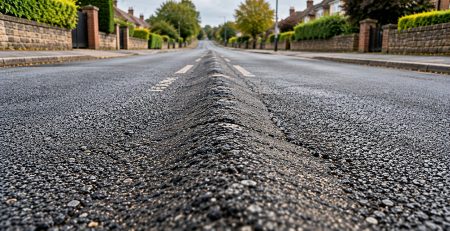
If the underlying surface is deteriorating, it may also be worth considering professional tarmac installation and road surfacing services before repainting the markings.
Signs Your Line Markings Need Repainting
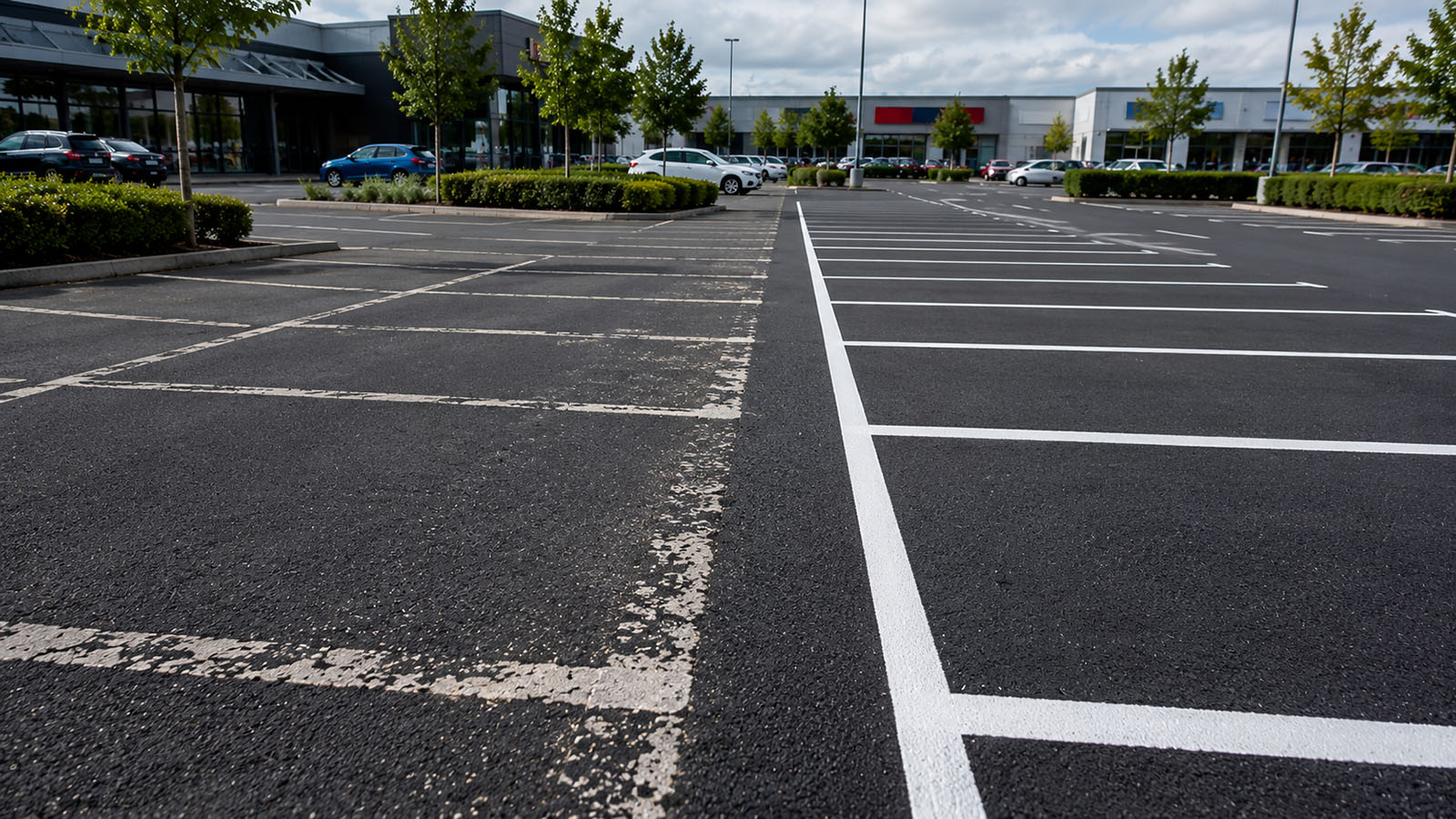
One of the clearest indicators is fading. Bright white or yellow markings naturally lose their colour through exposure to sunlight and weather. As visibility decreases, drivers may struggle to identify parking bays, directional arrows or pedestrian crossings.
Another common sign is peeling or flaking paint. Once markings begin to break away from the surface, they become inconsistent and difficult to follow. This often occurs where the surface has experienced heavy braking, turning movements or repeated vehicle loading.
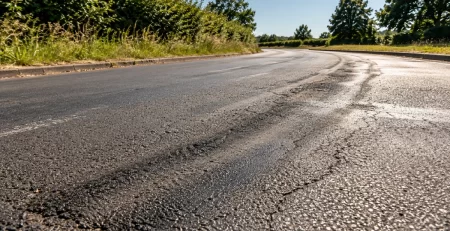
Cracking within the surrounding tarmac can also affect the appearance and effectiveness of line markings. Although repainting may temporarily improve visibility, significant surface deterioration should be repaired before new markings are applied.
Outdated layouts are another reason to repaint. Businesses frequently expand, introduce electric vehicle charging bays, modify disabled parking provisions or redesign traffic flow. Refreshing the markings ensures the car park reflects current operational requirements.
Safety Implications of Worn Markings
Clear line markings play a significant role in reducing vehicle conflicts and improving pedestrian safety.
Drivers entering a busy car park rely on visible directional arrows, give-way markings and parking bay lines to navigate safely. When these markings become faded, uncertainty increases and drivers may hesitate or make incorrect manoeuvres.
Pedestrian walkways are equally important. Clearly marked crossing points help separate people from moving vehicles, particularly around schools, healthcare facilities and retail environments where pedestrian traffic is high.
Emergency vehicle access routes also depend on visible markings. Fire lanes, loading areas and restricted zones must remain clearly identifiable at all times to ensure safe access when required.
Maintaining visible markings demonstrates a proactive approach to site safety while helping reduce avoidable incidents.
Professional Appearance Makes a Difference
First impressions matter for every commercial property.
Customers often judge a business before entering the building, and the condition of the external environment contributes significantly to those impressions. Clean, clearly marked parking bays suggest a well-maintained, professionally managed premises.
In contrast, faded markings, worn surfaces and disorganised parking can create an impression of neglect.
Regular maintenance of both the surfacing and line markings helps preserve the overall appearance of your property while supporting a positive customer experience.
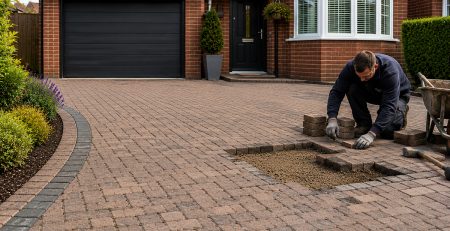
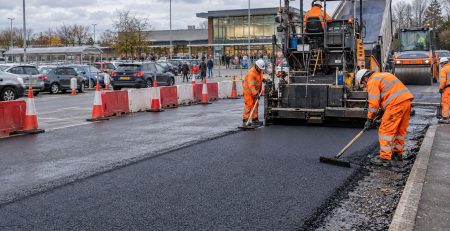
Commercial property owners often combine line marking refurbishment with wider maintenance projects completed by experienced commercial surfacing contractors to minimise disruption and extend the life of the entire car park.
Compliance Considerations
Many car parks must comply with accessibility guidance, workplace health and safety requirements and local authority standards.
Disabled parking bays require clear markings and symbols to remain effective and easily identifiable. Parent and child spaces, motorcycle bays, loading areas and emergency access routes should also remain highly visible.
If markings become difficult to distinguish, site operators may unintentionally fall short of expected standards, particularly where accessible parking provision is concerned.
Routine inspections help identify fading before it becomes a compliance issue.
Choosing the Right Time to Repaint
Weather conditions have a significant impact on line marking quality.
Dry conditions with moderate temperatures allow paint and thermoplastic materials to bond properly with the surface. Heavy rain, freezing temperatures or excessive moisture can reduce adhesion and shorten the lifespan of newly applied markings.
For this reason, spring, summer and early autumn generally provide the best opportunities for repainting projects across the UK.
Planning maintenance during quieter operational periods can also minimise disruption to customers, staff and deliveries.
Should the Surface Be Repaired First?
Repainting alone is not always the correct solution.
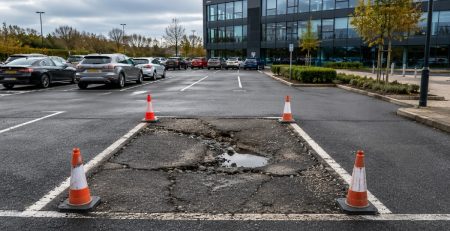
If potholes, cracks or surface deformation are present, these issues should normally be addressed before applying fresh markings. Otherwise, the new paint will simply follow an uneven or damaged surface and deteriorate more quickly.
Professional inspections can determine whether isolated repairs are sufficient or whether resurfacing would provide better long-term value.
Where potholes have developed, carrying out pothole repairs before repainting helps ensure a smooth, durable finish and improves the longevity of the new markings.
How Often Should Car Parks Be Inspected?
Rather than waiting until markings have almost disappeared, property owners should carry out regular inspections throughout the year.
Busy commercial sites often benefit from annual inspections, allowing fading or isolated damage to be identified before it affects safety or customer experience.
Sites with particularly high traffic volumes, including logistics facilities, schools and retail parks, may require more frequent reviews.
Preventative maintenance is generally more cost-effective than allowing markings to deteriorate completely before arranging refurbishment.
Working with Experienced Professionals
Professional line marking contractors use specialist equipment designed to produce accurate, consistent and durable results.
Every project begins with an assessment of the existing surface to determine whether repairs are required. The area is then cleaned thoroughly before new markings are applied using materials suited to the level of traffic and intended use.
Experienced contractors also ensure layouts comply with current guidance while maximising the available parking capacity without compromising safety.
Combining resurfacing, repairs and line marking within a single maintenance programme often provides the most efficient and economical solution for commercial property owners.
Conclusion
Car park line markings are an essential part of maintaining a safe, organised and professional parking environment. Although they naturally wear over time, allowing them to fade completely can create unnecessary safety risks, reduce the efficiency of the site and leave a poor impression on visitors.
Regular inspections, timely repainting and addressing surface defects before new markings are applied will help maximise the lifespan of both the surfacing and the markings themselves. Whether managing a commercial premises, school, industrial estate or residential development, investing in well-maintained line markings supports safer traffic movement, improves accessibility and protects the long-term value of your property.