Why This One Parking Space Costs More Than All the Others
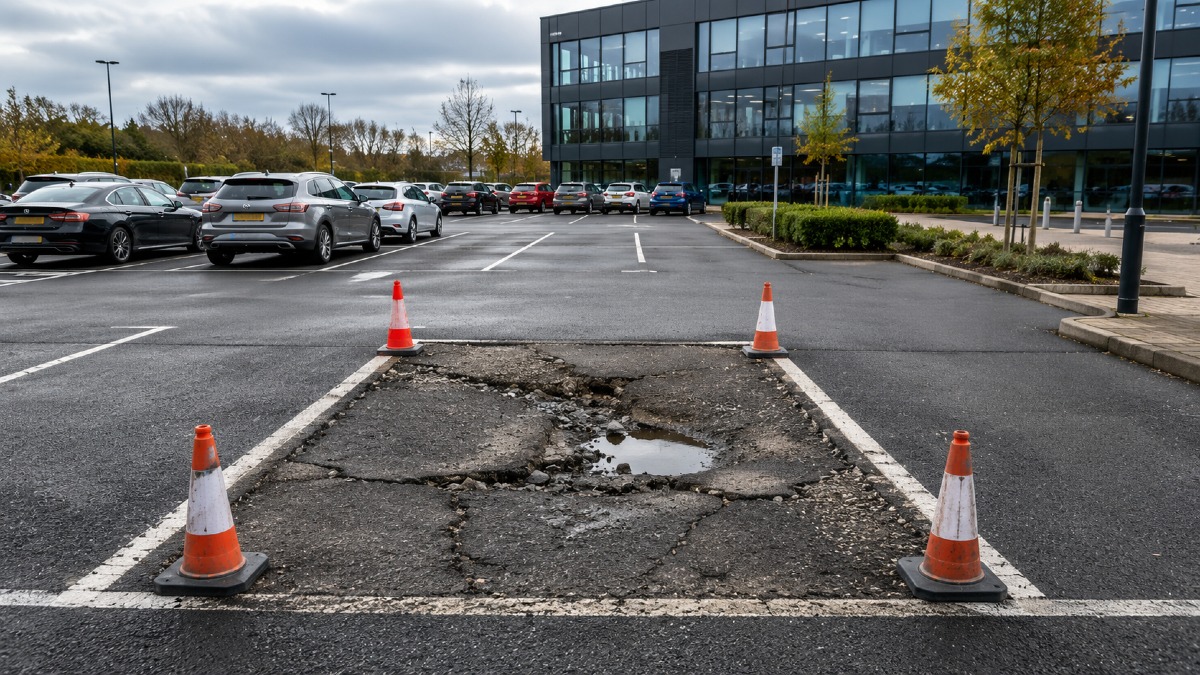
Walk through almost any commercial car park and every parking bay appears identical. They are the same size, surfaced with the same tarmac and marked with the same white lines. Yet behind the scenes, the cost of constructing one parking space can be considerably higher than the others.
The difference is rarely visible once the work is complete. Instead, it comes down to what lies beneath the finished surface. Ground conditions, drainage, underground services, accessibility requirements and traffic loading all influence the overall parking space construction cost, meaning two neighbouring bays can require very different levels of engineering.
For commercial developments, retail parks, industrial estates and business premises, understanding these factors helps explain why professional planning is essential before any surfacing work begins.
The Foundation Determines the Long-Term Performance
The visible tarmac represents only a small part of the overall construction process. Before surfacing can begin, contractors must assess the existing ground to determine whether it is capable of supporting vehicles throughout the life of the car park.
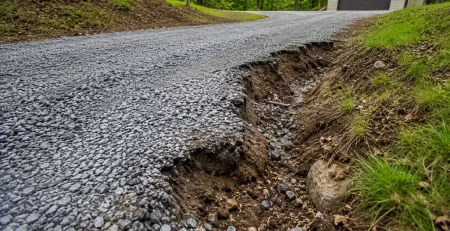
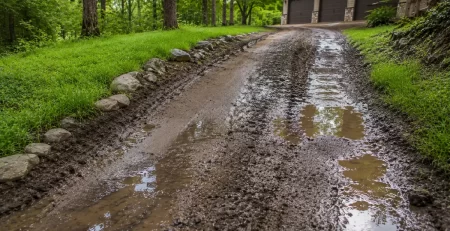
Where ground conditions are poor, additional excavation may be required before installing a stronger sub-base using quality aggregates. In some locations, geotextile membranes or ground stabilisation techniques are introduced to prevent future movement.
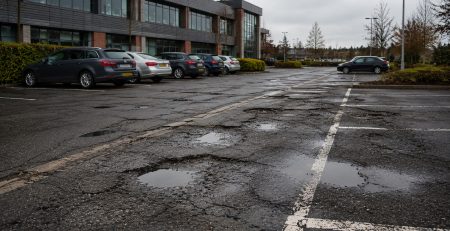
Although these improvements are hidden beneath the finished surface, they can significantly increase construction costs while providing the structural strength needed to prevent cracking, rutting and premature failure.
Choosing experienced commercial surfacing contractors ensures these ground conditions are properly assessed before construction begins.
Drainage Can Make One Parking Bay More Expensive
Water is one of the biggest threats to any paved surface. If rainwater cannot drain efficiently, it gradually weakens the layers beneath the asphalt, leading to potholes, surface deformation and expensive repairs.
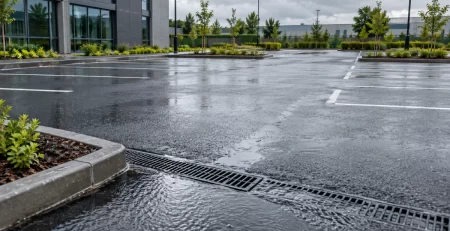
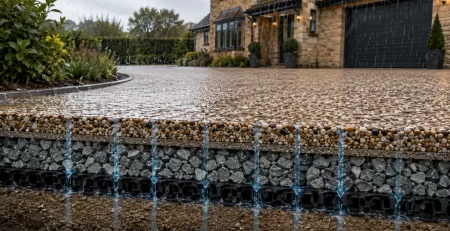
Parking spaces located at the lowest point of a car park often require additional drainage infrastructure. This may include channel drains, underground pipework, soakaways or connections to existing surface water systems.
Although only a small section of the development may require this additional work, it can substantially increase the cost of constructing those particular parking spaces.
Good drainage is an investment that protects the entire car park rather than simply the individual bay.
Underground Utilities Often Complicate Construction
Many commercial sites contain a network of buried services that are invisible once the project has been completed.
Water mains, electricity cables, fibre optic networks, gas pipes and existing drainage systems frequently pass beneath parking areas. Contractors must identify these services before excavation begins to avoid damage and ensure compliance with safety regulations.
In some situations, utilities need to be diverted or protected using specialist construction methods, adding both labour and material costs to the project.
This is one of the most common reasons why one parking space may cost considerably more than another located only a few metres away.
Accessible Parking Bays Require Additional Construction
Accessible parking spaces involve much more than wider painted markings.
They often include dropped kerbs, improved pedestrian routes, carefully designed gradients and additional surfacing work to provide safe access for wheelchair users and people with limited mobility.
These features require greater attention during construction and contribute to higher installation costs. However, they also ensure the completed development is practical, inclusive and compliant with current accessibility standards.
Electric Vehicle Charging Adds Significant Infrastructure
As electric vehicles become increasingly common, more commercial developments are incorporating charging facilities into their car parks.
Installing an EV charging bay requires far more than simply fitting a charging point. Contractors must install underground ducting, electrical cabling, protective infrastructure and suitable power connections, all of which increase the overall construction cost.
Future-proofing the electrical infrastructure during the initial build is often far more cost-effective than retrofitting charging facilities at a later date.
Heavy Vehicles Demand Stronger Construction
Not every parking space experiences the same level of traffic.
While standard visitor parking accommodates relatively light vehicles, bays used by delivery vans, maintenance vehicles or commercial fleets are subjected to much greater loading.
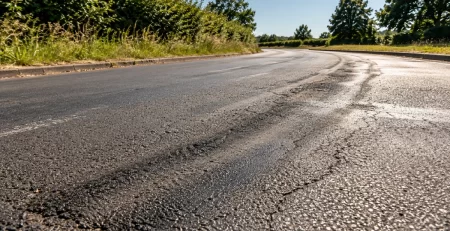
These areas require deeper foundations, stronger sub-base construction and thicker asphalt layers to withstand repeated heavy traffic without developing structural defects.
Professional tarmac installation services ensure each section of a commercial car park is built to suit its intended use rather than applying a single specification across the entire site.
Machine-Laid Surfacing Improves Consistency
Large commercial developments benefit from modern surfacing techniques that improve both quality and efficiency.
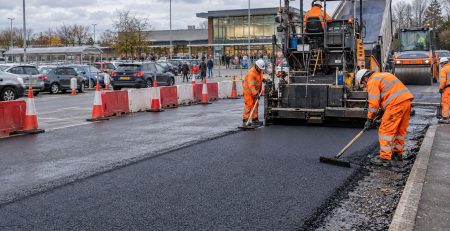
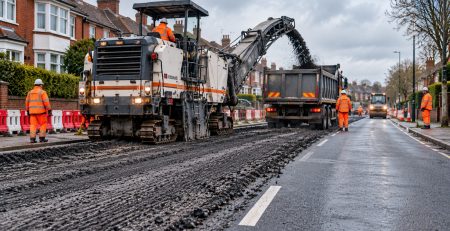
Using machine lay tarmac creates a smoother, more consistent finish with accurate material depths across extensive parking areas. This not only enhances the appearance of the completed car park but also contributes to greater durability and improved long-term performance.
While machine laying represents an investment during construction, it often reduces maintenance costs over the lifespan of the surface.
Investing in Quality Reduces Lifetime Costs
Many property owners naturally compare quotations based on the initial construction price. However, the lowest quotation does not always represent the best value.
A poorly constructed parking area may require repairs within only a few years if inadequate foundations, poor drainage or unsuitable materials have been used.
By contrast, investing in quality construction significantly reduces the likelihood of future maintenance, helping businesses avoid disruption and minimise repair costs over the long term.
The true value of professional surfacing becomes apparent over the lifespan of the entire development rather than on the day the project is completed.
Professional Planning Makes the Difference
Every commercial car park presents its own engineering challenges.
Traffic volumes, drainage requirements, existing ground conditions, underground services and future maintenance all influence the final design specification. A professional contractor considers these factors before construction begins, ensuring every parking space is built to perform reliably for many years.
You can see examples of professionally completed commercial surfacing projects by viewing our case studies.
Conclusion
Although every parking space may appear identical once construction has finished, the engineering beneath the surface often tells a very different story.
Differences in drainage, ground conditions, underground utilities, accessibility requirements and expected vehicle loads all influence the overall parking space construction cost. These hidden elements play a vital role in determining how well a parking area performs throughout its lifetime.
By investing in professional design, high-quality materials and experienced workmanship, property owners can achieve a durable, safe and cost-effective parking facility that delivers excellent value for many years to come.
If you’re considering a new commercial parking area or resurfacing an existing site, contact us to discuss the most suitable solution for your project.