Why Uneven Car Parks Increase Insurance Risks
A car park is often the first part of a commercial property that customers, staff, visitors and delivery drivers encounter. While appearance plays an important role in creating a positive first impression, the condition of the surface also has significant implications for safety, liability and insurance. Uneven surfaces may appear to be a minor maintenance issue at first, but they can quickly become a source of accidents, vehicle damage and expensive legal claims.
For businesses across the UK, maintaining a safe car park is part of responsible property management. Insurers expect property owners to take reasonable steps to minimise foreseeable risks. When obvious defects such as potholes, sunken areas, cracked tarmac or raised edges are left unattended, the likelihood of successful liability claims increases considerably.
Understanding how uneven car parks increase insurance risks can help property owners make informed decisions about maintenance before small defects become major financial problems.
How Uneven Surfaces Develop
Car parks experience constant stress from vehicles of varying sizes. Over time, weather conditions, heavy traffic, water penetration and natural ground movement gradually weaken the surface.
Water is one of the biggest contributors to deterioration. Once moisture enters small cracks, repeated freezing and thawing during colder months causes expansion that widens the damage. Heavy vehicles then place additional pressure on weakened sections, eventually leading to depressions, potholes and uneven levels.
Poor drainage can accelerate this process significantly. Standing water softens the underlying foundation, allowing sections of the surface to settle unevenly.
Professional tarmac installation ensures the correct foundations, materials and drainage are incorporated from the outset, helping reduce long-term maintenance issues.
Trip Hazards and Public Liability Claims
One of the most significant insurance concerns associated with uneven car parks is the increased risk of slips, trips and falls.
Pedestrians naturally expect parking areas to provide reasonably level walking surfaces. When unexpected height differences, potholes or broken edges are present, people may easily lose their footing.
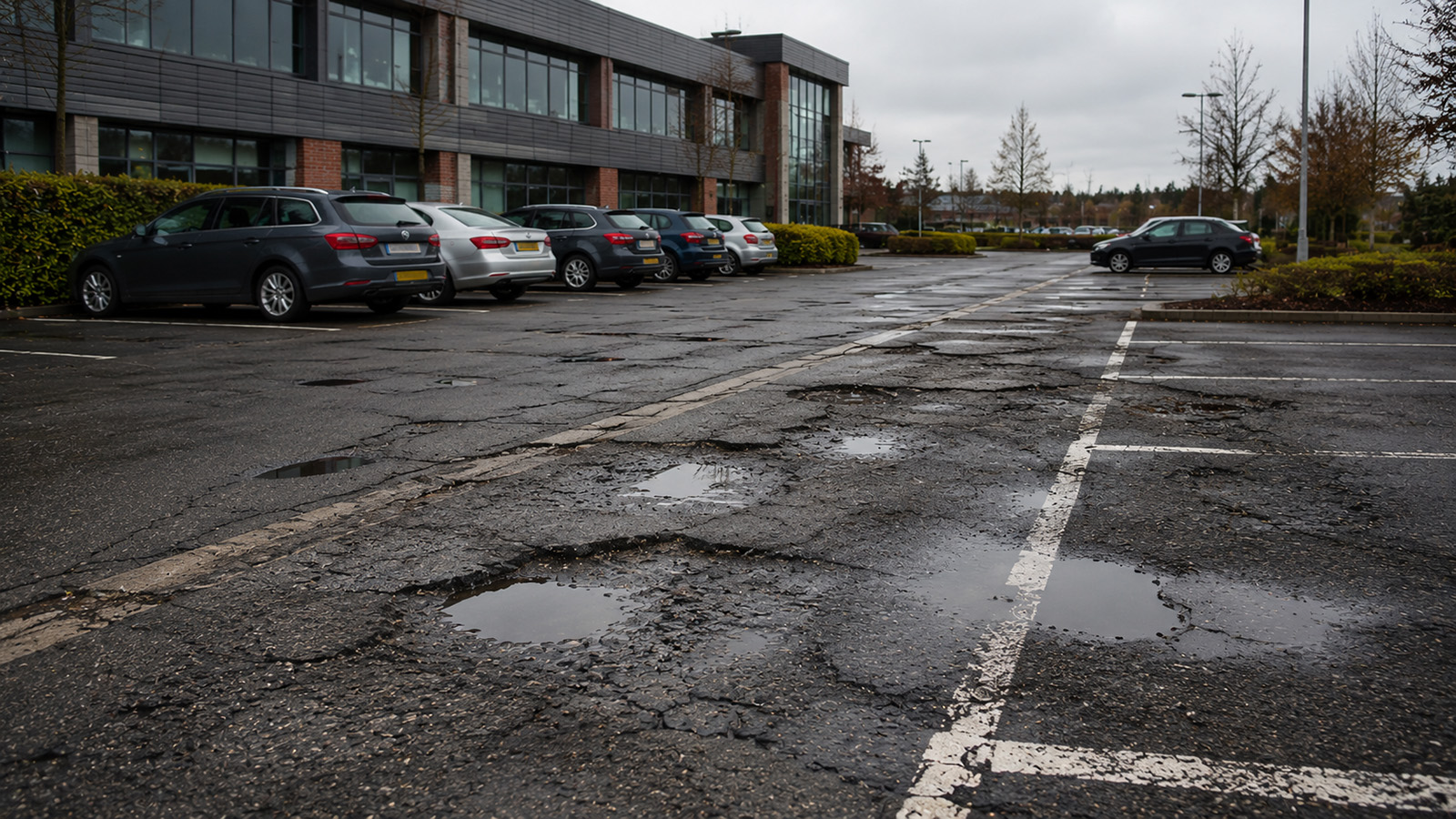
Common incidents include people tripping while walking between vehicles, customers pushing shopping trolleys over damaged surfaces, employees carrying equipment across uneven ground and visitors stepping into concealed potholes filled with rainwater.
These incidents frequently result in injuries ranging from minor sprains to broken bones. In more serious cases, head injuries can occur, leading to lengthy legal proceedings and substantial compensation claims.
Insurers will often investigate whether reasonable maintenance could have prevented the accident. Evidence of neglected defects may weaken the property owner’s defence.
Vehicle Damage Can Lead to Additional Claims
Uneven car parks do not only affect pedestrians. Vehicles are equally vulnerable to surface defects.
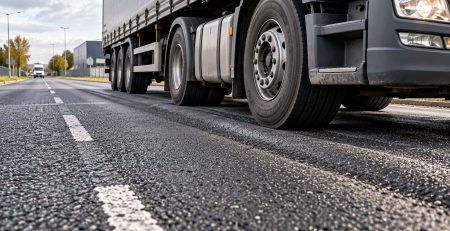
Deep potholes can damage suspension components, alloy wheels and tyres. Raised sections of broken tarmac may scrape vehicle underbodies, while poor drainage increases the likelihood of standing water concealing hidden hazards.
Commercial vehicle operators, delivery companies and customers may all seek compensation if damage can reasonably be linked to poor maintenance.
Although individual repair costs may appear relatively modest, repeated incidents can quickly become expensive and may affect future insurance premiums.
Insurance Providers Assess Property Maintenance
Insurance companies assess risk based on numerous factors, including the ongoing condition of commercial premises.
Regular maintenance demonstrates responsible property management and reduces the likelihood of preventable claims. Conversely, visible deterioration that has been ignored over an extended period may be viewed as negligence if an accident occurs.
Following an incident, insurers commonly request maintenance records, inspection schedules and evidence that reported defects were addressed within reasonable timescales.
A documented programme of inspections and timely repairs provides valuable evidence that the property owner has fulfilled their duty of care.
The Hidden Cost of Rising Insurance Premiums
Many businesses focus solely on the immediate cost of repairing a damaged car park without considering the wider financial implications.
Even one successful liability claim can influence future insurance premiums for several years. Higher excess payments, reduced insurer confidence and more restrictive policy conditions may all follow repeated claims.
In some circumstances, insurers may even require evidence that defects have been repaired before renewing cover.
Investing in preventative maintenance is often significantly less expensive than managing ongoing insurance increases alongside legal expenses and compensation payments.
Drainage Problems Increase Surface Failure
Water management is closely linked to both safety and insurance risk.
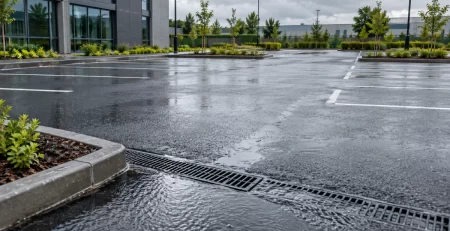
When drainage systems fail to remove rainfall effectively, standing water creates several hazards simultaneously. It hides potholes from drivers and pedestrians, accelerates surface deterioration and contributes to slippery conditions during colder weather.
Proper construction techniques ensure surface water drains efficiently away from traffic areas.
Businesses planning refurbishment projects often benefit from working with experienced commercial surfacing contractors who understand how drainage design influences long-term performance.
Protecting Employees and Meeting Legal Responsibilities
Employers have legal responsibilities to provide reasonably safe access for employees and visitors.
Uneven parking areas may expose staff to daily risks while walking between vehicles and workplace entrances. Delivery drivers handling heavy loads are particularly vulnerable because their attention is often focused on the items they are carrying rather than the ground beneath them.
Routine inspections help identify developing hazards before they become serious enough to cause injuries.
Addressing defects promptly also demonstrates a proactive approach to workplace health and safety.
Small Defects Rarely Stay Small
One common misconception is that surface damage can safely be left until it becomes severe enough to justify complete resurfacing.
In reality, early intervention is usually more economical.
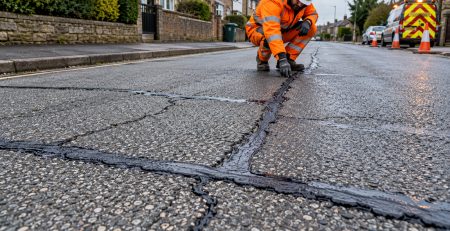
Small cracks allow water into the underlying structure. Minor depressions gradually deepen under repeated vehicle loading. Edge failures spread across larger sections of the car park.
Professional repairs carried out at an early stage frequently prevent much larger resurfacing costs in the future.
Where deterioration has become extensive, complete resurfacing may provide the safest and most cost-effective long-term solution.
Improving Customer Confidence
Customers naturally associate well-maintained premises with professionalism.
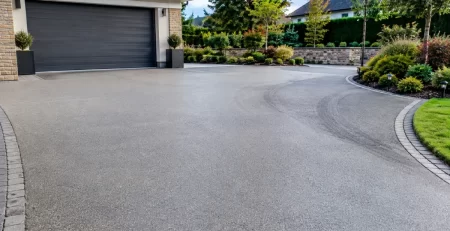
A smooth, clearly defined car park creates confidence before visitors even enter the building. Conversely, visible potholes, standing water and uneven surfaces may suggest poor overall maintenance standards.
For retail premises, business parks, healthcare facilities and educational sites, investing in safe surfacing supports both customer experience and operational reputation.
Examples of completed projects can often provide reassurance when planning improvement works, and reviewing recent case studies helps demonstrate how professional resurfacing improves safety and durability across different commercial environments.
A Proactive Approach Reduces Long-Term Risk
Preventing insurance claims is generally far less expensive than dealing with their consequences.
Routine inspections, prompt repairs and planned resurfacing programmes all contribute to safer environments for pedestrians and vehicles alike. By maintaining even, durable surfaces with effective drainage, property owners reduce accident risks, protect their reputation and demonstrate responsible management to insurers.
Rather than viewing resurfacing as an occasional expense, it should be considered an investment in long-term safety, operational efficiency and financial protection. A professionally maintained car park helps reduce liability exposure while providing a safer and more welcoming environment for everyone who uses it.