Why Roundabouts Wear Out Faster Than Straight Roads
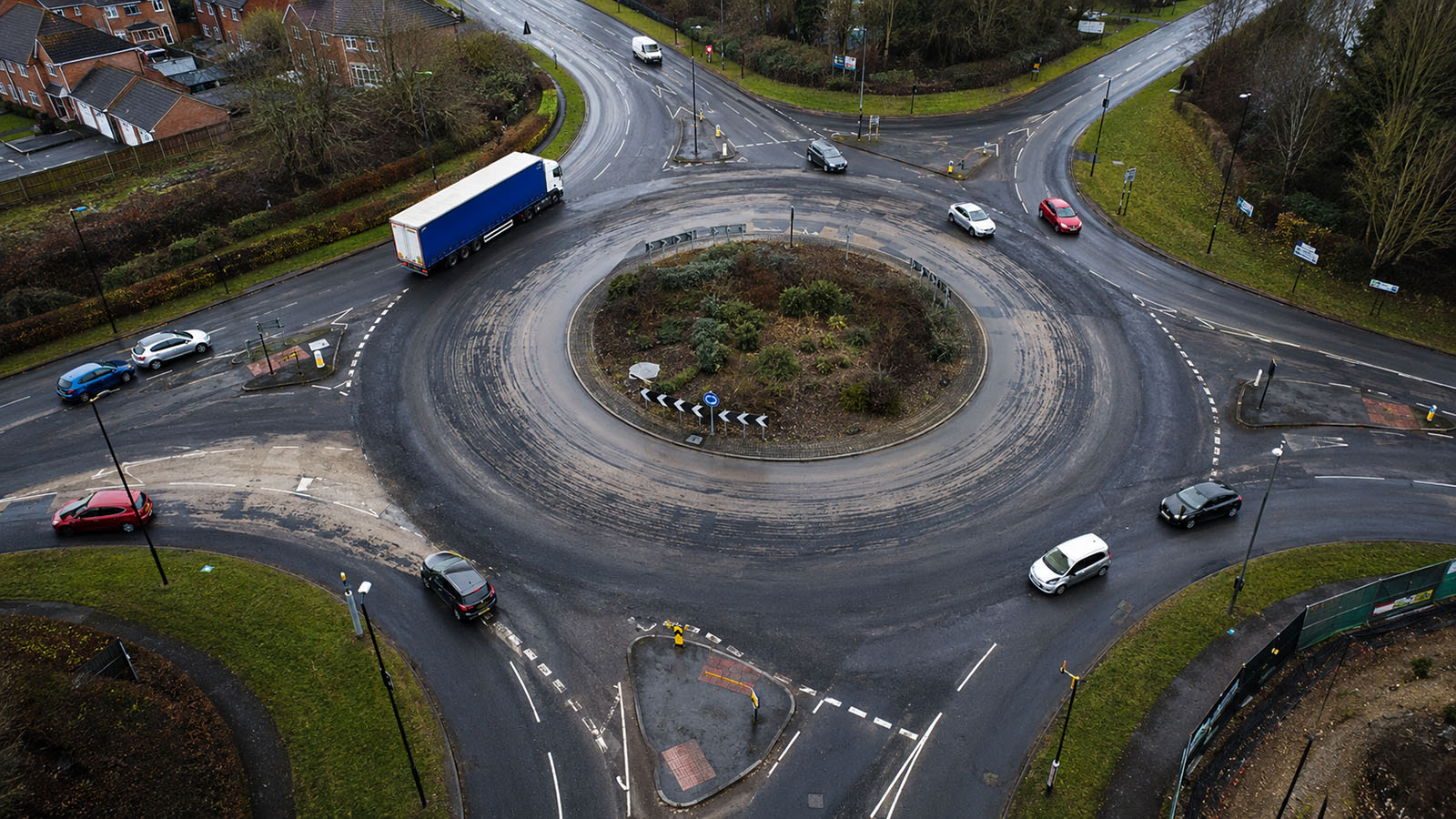
At first glance, it might seem that all roads experience similar levels of wear and tear. However, the forces acting on a roundabout are significantly different from those affecting a straight section of road. While straight roads allow vehicles to travel at relatively consistent speeds and in predictable directions, roundabouts are designed to slow traffic, requiring drivers to brake, steer, accelerate and merge within a confined space.
These repeated driving actions create much greater stress on the road surface. As a result, roundabouts often require maintenance and resurfacing more frequently than comparable stretches of straight carriageway. Understanding why this happens helps property owners, local authorities and commercial site managers appreciate the importance of selecting appropriate materials, construction methods and ongoing maintenance strategies.
Constant Turning Creates Higher Surface Stress
One of the biggest reasons roundabouts deteriorate more quickly is the continual lateral force generated by turning vehicles.
Unlike vehicles travelling in a straight line, those navigating a roundabout place sideways pressure on the surfacing as tyres grip and change direction. Every vehicle entering, circulating and exiting the junction transfers these forces directly into the surface layers.
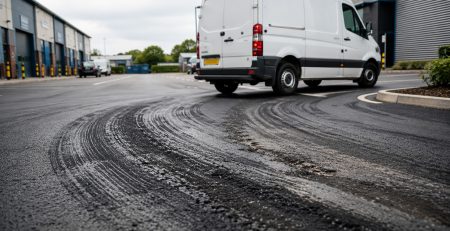
Heavy goods vehicles intensify this effect. Large articulated lorries often have trailers that track differently from the tractor unit, causing tyres to scrub across the surface rather than roll smoothly. This repeated tyre scrubbing gradually weakens the surface, polishing aggregates and increasing the likelihood of deformation.
Professional tarmac installation takes these additional stresses into account by selecting materials designed to withstand constant turning movements.
Braking and Acceleration Increase Surface Fatigue
Roundabouts require drivers to adjust their speed far more frequently than straight roads.
Approaching traffic brakes before entering the junction before accelerating once a safe gap has been identified. This repeated cycle occurs thousands of times every day, particularly on busy roads serving retail parks, industrial estates and commercial developments.
Braking transfers substantial force through vehicle tyres onto the road surface. Acceleration introduces additional shear forces as tyres grip the pavement. Over time, these combined actions weaken the bond between aggregates and bitumen, contributing to cracking, rutting and surface deformation.
Straight roads generally experience more uniform loading because vehicles maintain steadier speeds, reducing these repeated stress cycles.
Heavy Traffic Concentrates in Smaller Areas
Traffic on straight roads is spread over a relatively wide area across multiple lanes. At roundabouts, vehicle paths become much more predictable.
Drivers naturally follow similar lines around the central island, meaning tyres repeatedly travel over almost identical sections of pavement. This concentration of wheel loads accelerates wear within these narrow zones.
Commercial traffic further compounds the issue. Delivery vehicles, buses and refuse lorries often follow the same routes every day, increasing loading on already stressed areas. The result is localised deterioration that appears much earlier than on neighbouring straight roads.
When designing commercial surfacing, contractors carefully consider expected traffic patterns to maximise durability.
Water Can Accelerate Deterioration
Effective drainage is essential on every road, but it becomes particularly important on roundabouts.
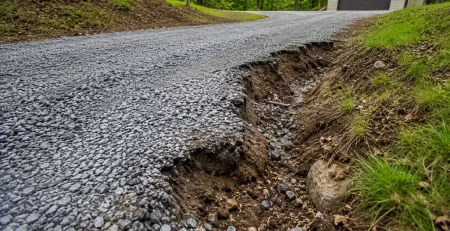
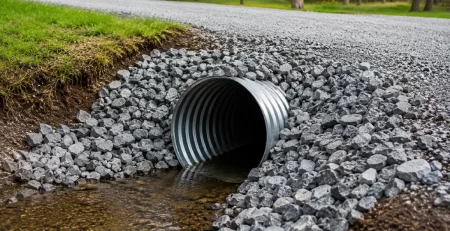
Because of their circular geometry and changing gradients, poorly designed drainage can allow water to collect in wheel tracks or around entry and exit points. Standing water weakens the underlying layers, allowing moisture to penetrate through small cracks before expanding during colder weather.
Once water enters the pavement structure, deterioration accelerates rapidly. Repeated traffic loading then pumps water deeper into the foundation layers, reducing their ability to support the surface above.
Regular inspections and timely repairs help prevent minor drainage issues developing into costly structural failures.
Why Heavy Vehicles Cause Disproportionate Damage
Not all vehicles affect road surfaces equally.
Heavy goods vehicles produce axle loads many times greater than passenger cars. When these vehicles negotiate roundabouts, their tyres generate both vertical loading and sideways forces simultaneously.
Large vehicles also tend to travel more slowly, extending the duration of loading on individual sections of pavement. This prolonged pressure contributes to rut formation and deformation, particularly where road construction was not originally designed for heavy commercial traffic.
Roundabouts serving industrial estates, logistics centres and distribution facilities therefore require especially robust construction techniques and high-quality surfacing materials.
Material Selection Plays a Critical Role
Choosing the correct surfacing material is essential for roundabouts.
High-performance asphalt mixtures designed to resist deformation provide greater long-term durability than standard materials used on lightly trafficked roads. Aggregate quality, binder selection and layer thickness all influence how well the pavement withstands continual braking, turning and acceleration.
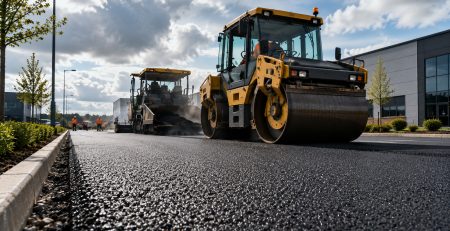
Machine-laid surfacing also improves consistency, ensuring uniform compaction throughout the construction process. This reduces weak spots that may otherwise become early failure points under heavy traffic.
Using experienced contractors with specialist knowledge of high-stress road environments helps ensure the finished surface performs as intended for many years.
The Importance of Preventative Maintenance
Even the highest quality road surfacing requires ongoing maintenance.
Small cracks should be repaired before water penetrates the lower pavement layers. Surface defects should be addressed promptly to prevent them developing into potholes or structural failures.
Regular inspections allow maintenance teams to identify early signs of rutting, fretting and aggregate loss before repairs become significantly more expensive. A proactive maintenance strategy usually extends pavement life considerably while minimising disruption for road users.
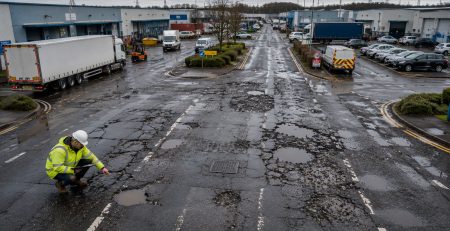
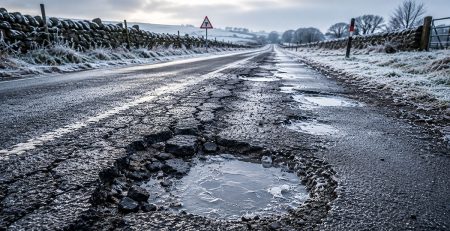
Where isolated defects are identified, prompt pothole repairs can prevent much larger resurfacing projects later.
Designing Roundabouts for Long-Term Performance
Successful roundabout construction begins long before surfacing materials are laid.
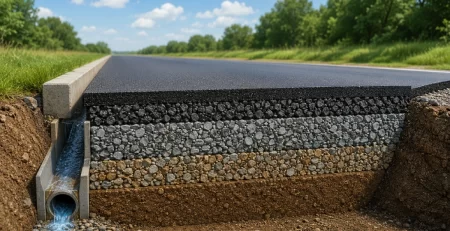
Engineers assess expected traffic volumes, vehicle types, drainage requirements and foundation conditions to determine appropriate pavement design. Strong sub-base construction provides the support necessary for surface layers to perform effectively under continual loading.
Attention to edge restraint, drainage infrastructure and joint construction also contributes to longer service life. Every element of the pavement structure works together, meaning weaknesses in one layer can eventually affect the entire road.
Professional planning and quality workmanship reduce lifecycle costs while delivering safer, smoother roads for motorists.
Conclusion
Roundabouts wear out faster than straight roads because they experience a unique combination of turning forces, braking, acceleration, concentrated traffic loading and heavy vehicle movements. These continual stresses place exceptional demands on road surfacing materials and construction quality.
Selecting appropriate materials, designing robust pavement structures and carrying out preventative maintenance all play an important role in extending the lifespan of roundabouts. Whether serving commercial developments, industrial estates or public highways, professionally designed and installed surfacing provides greater durability, improved safety and better long-term value.