How Frost and Freeze-Thaw Cycles Damage Roads
The UK’s winter weather presents one of the greatest challenges to the longevity of road surfaces. While snow and ice are often the most visible seasonal hazards, it is the repeated cycle of freezing and thawing that causes the greatest structural damage. Understanding how freeze-thaw road damage UK develops can help property owners, commercial site managers and estate managers recognise early warning signs and take preventative action before minor defects become costly repairs.
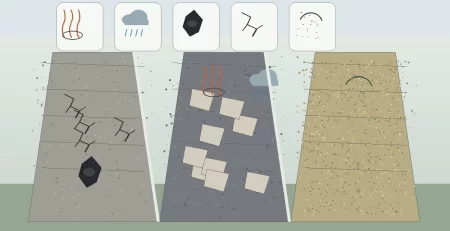
Road surfaces are designed to withstand significant loads and varying weather conditions, but no surface is completely waterproof. Tiny pores and hairline cracks naturally exist within tarmac and asphalt. During wet weather, water enters these small openings. When temperatures fall below freezing, that trapped water expands as it turns to ice.
Water increases in volume by approximately nine per cent when it freezes. Although this expansion appears small, it creates considerable pressure within the surface material. Repeated freezing and thawing gradually widens cracks, weakens the bond between aggregates and binder, and eventually causes sections of the road surface to fail.
Why UK Roads Are Particularly Vulnerable
The UK climate is especially susceptible to freeze-thaw damage because winter temperatures frequently fluctuate around zero degrees Celsius. Instead of remaining frozen for long periods, roads may freeze overnight before thawing during the day.
This continual expansion and contraction places repeated stress on the road structure. Every cycle slightly weakens the surface until larger cracks develop and the structural integrity of the pavement begins to deteriorate.
Commercial access roads, industrial estates, private roads and car parks are particularly vulnerable because they often experience heavy vehicle movements while already weakened by winter weather. The additional loading accelerates deterioration once frost damage has begun.
Professional installation using quality materials, such as those provided through tarmac installation services, helps reduce water penetration and improves long-term durability.
How Potholes Develop
Potholes rarely appear overnight. They are usually the final stage of damage that has been developing over many months.
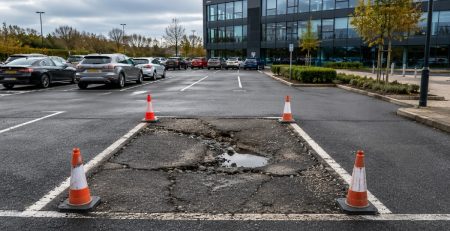
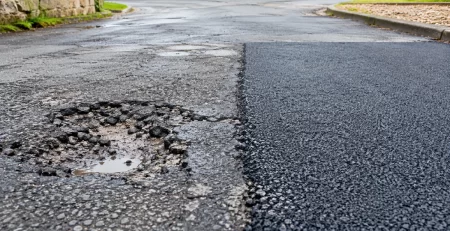
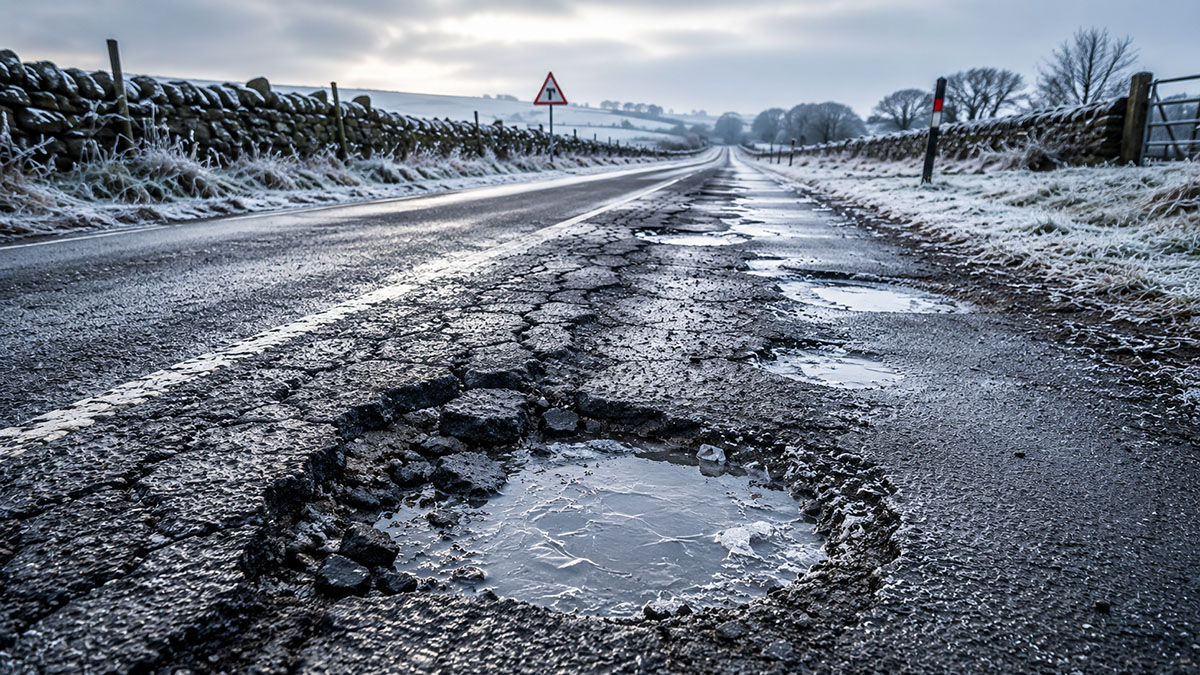
Initially, water enters small surface cracks. Once frozen, the expanding ice widens these defects. When temperatures rise, the ice melts and leaves larger voids beneath the surface. Passing vehicles force the weakened material downward, breaking away small pieces of asphalt or tarmac.
Each subsequent freeze-thaw cycle enlarges these cavities until sections of the surface collapse completely, creating potholes.
Heavy goods vehicles, buses and agricultural traffic place particularly high stresses on weakened road surfaces, making deterioration occur much more rapidly than on lightly trafficked roads.
When defects are identified early, professional pothole repairs can prevent much larger sections of road from requiring full resurfacing.
The Hidden Damage Beneath the Surface
One of the most significant risks associated with freeze-thaw damage is that much of it occurs below the visible surface.
Water can travel through surface cracks into the underlying foundation layers. As freezing continues, these lower layers also expand and weaken. Once the supporting structure loses strength, even an apparently sound road surface can begin to deform under traffic.
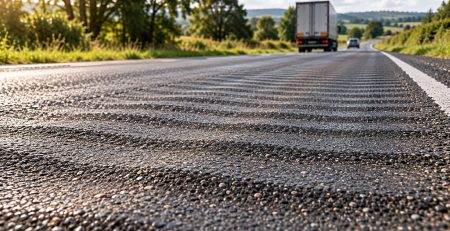
Common signs include shallow depressions, rutting, loose aggregate and uneven settlement. These defects often indicate that moisture has compromised the underlying construction rather than the wearing course alone.
This hidden deterioration makes routine inspections particularly valuable during late winter and early spring.
Areas Most at Risk
Although any paved surface can suffer frost damage, certain locations experience greater exposure than others.
Roads with poor drainage are especially vulnerable because standing water increases moisture penetration. Shaded areas beneath trees or beside buildings often remain frozen for longer, extending the duration of each freeze cycle.
Industrial yards, loading bays, private estates and commercial entrances frequently experience concentrated traffic loading, increasing stress on already weakened surfaces.
Regular maintenance and good drainage design significantly reduce these risks by preventing water from remaining on the surface for prolonged periods.
The Importance of Drainage
Water is the essential ingredient in freeze-thaw deterioration. Without moisture entering the pavement, frost damage cannot develop to the same extent.
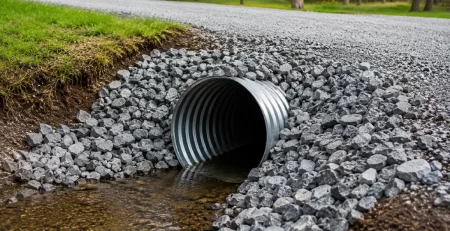
Effective drainage removes surface water quickly before it can penetrate cracks or joints. Correct crossfalls, properly functioning gullies and well-maintained drainage channels all contribute to protecting road surfaces throughout winter.
During resurfacing projects, drainage should always be assessed alongside the condition of the pavement itself. Addressing drainage deficiencies at the same time provides a more durable long-term solution.
Preventing Freeze-Thaw Damage
Although winter weather cannot be avoided, the extent of damage can often be minimised through proactive maintenance.
Routine inspections allow minor cracks to be identified before winter arrives. Early sealing prevents water infiltration and reduces the likelihood of frost expansion.
Keeping drainage systems clear of leaves, debris and sediment also reduces standing water and limits moisture penetration.
Where surfaces have reached the end of their service life, complete resurfacing using modern materials provides greater resistance to seasonal weather conditions and extends pavement lifespan considerably.
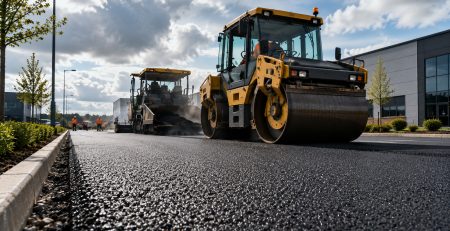
Professional installation using modern equipment, including machine lay tarmac, produces a more consistent finish with improved compaction, helping to reduce future water ingress.
When Repairs Are No Longer Enough
There comes a point where repeated patching becomes less economical than replacing the affected surface.
If widespread cracking, multiple potholes or extensive deformation are present, the underlying structure may already have been compromised by years of moisture penetration and freeze-thaw cycling.
A professional condition survey identifies whether isolated repairs remain appropriate or whether resurfacing offers a more cost-effective long-term investment.
Commercial property owners often benefit from addressing deterioration before extensive structural failure develops, reducing disruption and avoiding escalating maintenance costs.
Professional Road Surfacing Makes a Difference
The quality of installation has a direct influence on how well a road withstands future winters. Proper preparation, suitable materials, adequate compaction and effective drainage all contribute to reducing moisture penetration and improving resistance to freeze-thaw cycles.
Experienced contractors understand how local ground conditions, expected traffic loading and environmental exposure influence pavement design. Selecting the correct construction method helps maximise durability and minimise long-term maintenance requirements.
For organisations planning new access roads, estate roads or commercial surfacing projects, working with experienced professionals ensures every stage of construction is designed to withstand the demanding conditions created by the UK climate.
Further information about commercial surfacing solutions can be found through Total Surfacing Solutions’ commercial surfacing contractors, where specialist expertise supports long-lasting road performance throughout the year.