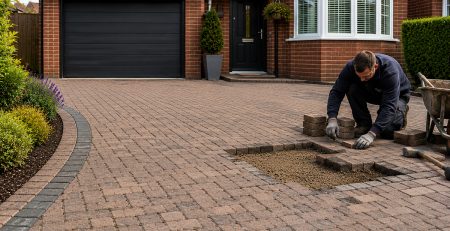
Base Course Preparation for Durable Road Surfaces
A road surface rarely fails from the top alone. Cracks, potholes, rutting and dips usually start when the base course, subgrade or drainage path has been rushed, weakened or left untested. A serious surfacing team checks the ground, controls moisture, places compactable layers and builds the base to carry real traffic before the final surface is installed.
Tip: A durable road surface starts with the right base, drainage and compaction. For reliable preparation for durable road surfaces , plan the structure before the final surface is laid.
Base Course Preparation for Durable Road Surfaces
A strong road starts with a base that does not move under load. The base course must spread traffic pressure, protect the subgrade and hold the final surface in the correct shape. Poor preparation creates failure long before the surface reaches its expected lifespan.
| Base factor | What must be checked | Failure if ignored |
| Subgrade strength | Soft spots, clay, pumping, weak soil | Settlement, cracking, rutting |
| Sub-base condition | Depth, separation, drainage support | Stone migration, weak bearing |
| Moisture level | Too wet, too dry, trapped water | Poor compaction, soft base |
| Layer placement | Controlled lifts, even depth | Voids, loose pockets, movement |
| Grading and falls | Crown, camber, crossfall, outlets | Pooling, potholes, edge failure |
| Compaction quality | Density, roller passes, proof checks | Dips, fatigue cracking, repairs |
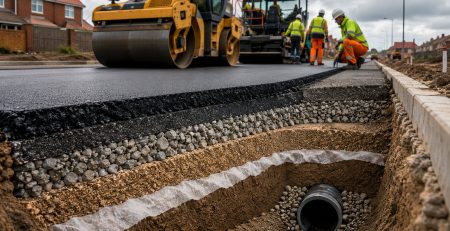
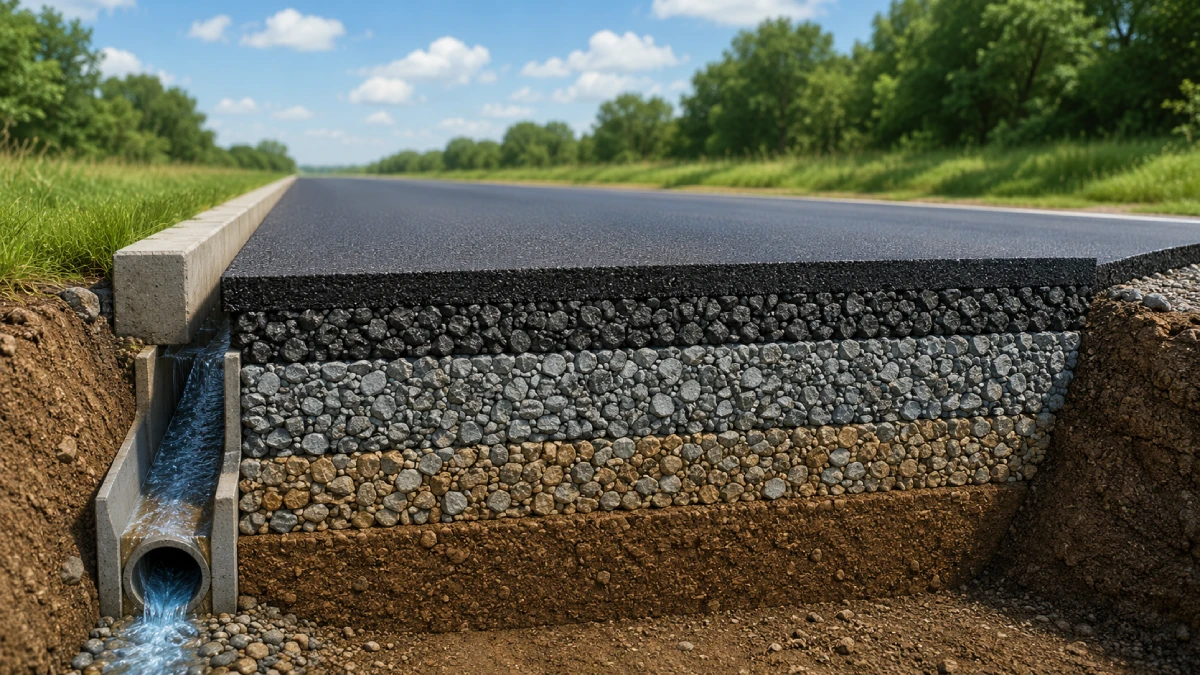
For durable surfacing, the base is not just crushed stone. It is a controlled system of Subgrade and Sub-Base Preparation, Moisture Control and Compaction, and Layer Placement and Grading. That is why experienced teams such as Total Surfacing Solutions look below the visible finish before recommending a surfacing method.
Start With Subgrade Proof, Not Stone
The first decision is not which stone to spread. The first decision is whether the ground can support the pavement structure. Weak soil, wet clay, organic material or soft formation must be corrected before the base course is placed.
The subgrade is the prepared ground below the sub-base and base course. It must be shaped, stable and firm enough to resist excessive deformation. If the subgrade pumps, bounces or holds water, the road surface above it will carry that weakness.
Good Subgrade and Sub-Base Preparation starts with excavation to the correct level. Unsuitable soil, roots, loose fill and contaminated material should be removed. Low areas should be corrected before stone is placed.
A practical site check should include:
- soft spot inspection
- proof rolling where suitable
- ground level checks
- drainage direction review
- formation depth confirmation
- need for capping layer or geotextile
For heavy-use areas, the base design should reflect traffic loads. Yard entrances, access roads and commercial surfaces need more than a light domestic driveway build-up. For related planning, see this guide on industrial yard pavement planning.
Control Moisture Before Compaction Starts
Moisture decides whether aggregate and soil compact properly. Material that is too dry will not bind tightly, while material that is too wet can pump, move or lose bearing strength. Good compaction depends on the right moisture condition before rolling starts.
Moisture Control and Compaction should begin before the first base layer is finished. Standing water, saturated formation and wet stockpiles should not be hidden under new material. The base must be workable, compactable and free from trapped water pockets.
Too much moisture can cause:
- soft subgrade movement
- weak compaction results
- rutting under wheel loads
- base pumping
- surface dips
- pothole return after patching
Too little moisture can also cause poor results. Dry aggregate may look firm after rolling but still lack internal lock. The material needs enough moisture to help the fines bind and compact into a stable layer.
This is why base work often takes longer than the surface finish. The waiting, drying, grading and compacting stages are not delays. They are the work that prevents future failure.
Place Layers That Can Actually Lock
A base course should not be dumped in one thick layer. Thick uncontrolled placement can leave loose zones below the surface, even if the top looks compacted. Durable base construction depends on controlled lifts that can be compacted through their full depth.
Layer Placement and Grading should follow the designed thickness and site condition. Each lift must be spread evenly, shaped correctly and compacted before the next layer is added. This prevents deep voids that later turn into settlement and cracking.
A good layer system normally checks:
- correct aggregate type
- even material spread
- no segregation of coarse and fine particles
- suitable lift depth
- moisture condition
- compaction before covering
- levels after each pass
A poor layer system often fails quietly. The road may look finished for weeks or months. Then traffic, rain and weak support reveal the hidden movement.
This same principle applies to driveways and resin-bound surfaces. A resin finish needs a sound structure below it, not just a neat surface above. For more detail on this build-up, see the resin driveway base structure.
Grade The Base Before The Surface
The finished surface can only follow the base below it. If the base has poor levels, the surface will also hold water, dip or crack under traffic. Correct grading must be built into the base course before final surfacing starts.
Grading controls where water goes. A base may need crown, camber, crossfall or directed falls depending on the site. Flat or uneven bases usually create pooling, soft edges and repeated repair points.
A strong grading plan should confirm:
- surface fall direction
- drain or channel position
- high and low points
- edge support
- access levels
- tie-ins to existing surfaces
- no trapped water zones
Do not rely on the final surface to fix major base-level errors. Asphalt, concrete and resin surfaces are not meant to hide poor formation. They perform best when the base already has the correct profile.
Grading also affects private access roads and estate roads. Larger areas need planned levels, safe runoff and a structure that can handle repeated use. Related guidance can be found under private estate road structure.
Drainage Must Leave The Base Dry
Water is one of the biggest enemies of road base strength. A base course can be thick and compacted, but still fail if water sits inside it. Drainage must be planned before the final surface seals the structure.
A durable road base needs a clear route for water. Surface water should move toward drains, channels, verges or designed outlets. Sub-base water should not remain trapped under the traffic path.
Poor drainage creates a repeated failure cycle:
- water enters the pavement structure
- subgrade softens
- traffic flexes the surface
- cracks open further
- base material loosens
- potholes and rutting appear
Edge drainage also matters. Unsupported edges allow water and traffic pressure to break down the side of the road. Kerbs, restraints, shoulders or compacted edge support help protect the base from lateral movement.
For permeable finishes, drainage must work with the base design. Resin-bound surfaces need the right structure below to support water movement and surface stability. This is explained further in the porous resin surface explanation.
Match Base Depth To Real Traffic
Base thickness must match real use, not guesswork. A light domestic path, private driveway, business park road and industrial yard do not carry the same loads. Thin base layers often fail when traffic is heavier than expected.
Traffic load affects the depth and strength of the base course. Cars, vans, delivery vehicles, refuse lorries and forklifts all place different stress on the structure. Repeated turning and braking also increase pressure on the base.
Depth decisions should consider:
- expected vehicle type
- frequency of use
- existing soil strength
- drainage exposure
- slope and turning areas
- edge restraint
- future maintenance access
A thin base over weak soil is a common false saving. It may reduce the first cost but increase repair frequency. For cost-related context, the resin driveway factor overview explains how preparation influences the full project.
Base depth also affects material lifespan. A surface that is well chosen but poorly supported will not perform as expected. This is why driveway material lifespan factors should always include base preparation.
Use Aggregate That Compacts Under Load
Not every stone makes a good base course. Durable road bases need suitable graded aggregate that can interlock, compact and resist movement. Random loose gravel does not provide the same structural support.
A good aggregate base usually includes angular particles and fines. The larger particles provide strength, while the fines help fill voids and bind the layer. This gives the base better load transfer and less movement under traffic.
Material selection should check:
- grading consistency
- particle shape
- cleanliness
- fines content
- drainage role
- compaction performance
- suitability for the surface above
In UK surfacing, MOT Type 1 is often used as a compacted sub-base material. Type 3 open-graded material may be considered where permeability is required. The right choice depends on design, drainage and final surface type.
Commercial roads need more careful aggregate planning. Poor material choice can lead to deformation where vehicles stop, turn or load. For larger sites, business park roadway planning gives useful context on traffic-led surfacing decisions.
Check Density Before Surfacing Begins
A base should be checked before it is covered. Once asphalt, concrete or resin is installed, hidden base defects become expensive to correct. Density, levels and surface firmness should be confirmed before final surfacing.
Compaction is not just about running a roller over stone. The base must be compacted enough to resist settlement and movement. If the material can still shift, rut or comb loose, it is not ready.
Pre-surfacing checks should include:
- level and fall inspection
- visual soft spot check
- compaction pass control
- density testing where required
- edge support review
- material contamination check
- drainage path confirmation
Proof rolling can reveal weak areas before surfacing. Movement, pumping or visible deflection should not be ignored. Those areas should be corrected, dried, stabilized or rebuilt before the surface is laid.
This step protects against fatigue cracking. When the base moves below the surface, the top layer flexes until cracks begin. For more detail, see road surface fatigue factors.
Poor Base Clues You Should Not Ignore
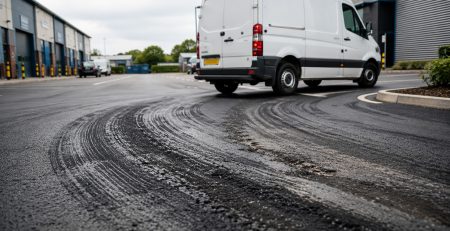
Surface defects often reveal what happened below. The mistake is treating every crack or pothole as only a surface issue. Many failures are symptoms of weak base course preparation.
Common warning signs include:
- cracks returning after repair
- dips in wheel tracks
- potholes forming in the same area
- water pooling after rain
- loose edges
- soft areas under traffic
- gravel pushing into soil
- surface raveling around cracks
These signs point to movement, moisture or poor support. A patch may hide the defect for a short time. It will not solve the problem if the base continues to fail.
The correct repair depends on the cause. Some areas need local reconstruction down to the subgrade. Others need drainage correction, edge support or a stronger compacted base.
A professional inspection should connect the visible damage to the hidden cause. This prevents repeated patching and wasted money. For project guidance, Total Surfacing Solutions can assess whether the issue is surface wear, base movement or drainage failure.
Where Resin Driveways Need Strong Bases?
Resin-bound driveways also depend on the base below. The finished surface may look smooth and decorative, but it still needs stable support, suitable falls and correct drainage. Weak preparation can cause cracking, dips and water issues.
For local driveway projects, ground condition and drainage should be checked first. Property type, rainfall exposure and existing base condition can change the preparation method. Homeowners researching resin bound driveways in Bedfordshire should treat base design as part of the surface choice.
Oxford projects may involve older properties, narrow access and mixed existing driveway layers. The base may need removal, correction or better falls before resin installation. For area-specific guidance, see resin bound driveways in Oxford.
Cambridgeshire sites can involve flat ground, drainage sensitivity and soft formation risks. In those cases, sub-base preparation and water movement become especially important. Local details are available for resin bound driveways in Cambridgeshire.
Essex driveways often need a stable base that handles daily parking and regular weather changes. The surface should not be laid over weak or poorly drained material. For local driveway planning, visit resin bound driveways in Essex.
Hertfordshire properties often need both kerb appeal and practical parking strength. A neat finish will not last if the base settles or traps water. Area guidance is available for resin bound driveways in Hertfordshire.
Base Course Preparation for Durable Road Surfaces: Resin Driveways Area Coverage
Resin driveways need strong base preparation because the surface depends on stable groundwork, drainage control, compaction, edging, and long-term weather resistance. Rain, frost, humidity, heat, dust, traffic pressure, property type, and seasonal maintenance challenges can all affect how well a resin driveway performs after installation.
Resin Driveways in Bedfordshire
Bedfordshire properties often deal with regular rainfall, winter frost, shaded damp areas, and daily vehicle movement from family homes, village properties, and suburban driveways. Loose gravel, cracked concrete, and tired paving can become uneven or difficult to maintain when the base is weak or poorly drained. For homeowners who want a cleaner finish with stronger support below the surface, resin driveways in Bedfordshire can be a practical long-term upgrade.
Resin Driveways in Cambridgeshire
Cambridgeshire driveways often need careful base planning because flat ground, rainwater movement, seasonal dampness, surface dust, and drainage challenges can affect surface stability. Rural homes, new-build estates, and larger residential properties may need proper sub-base preparation before a resin surface is installed. For properties that need a stable, attractive, and easier-to-maintain driveway, resin driveways in Cambridgeshire can help improve both access and appearance.
Resin Driveways in Essex
Essex homes may face rain, summer heat, coastal air in some locations, surface dust, tyre marks, and strong kerb appeal expectations from commuter properties, family homes, rentals, and coastal residences. Salt air, moisture, and frequent vehicle use can make older surfaces fade, crack, or become harder to maintain over time. For homeowners who want better drainage planning and a cleaner driveway finish, resin driveways in Essex can offer a durable local surface option.
Resin Driveways in Hertfordshire
Hertfordshire driveways are often expected to look smart, clean, and suitable for high-value commuter homes, family properties, and well-kept residential streets. Rain, frost, shaded entrances, moss growth, regular parking, and weak base support can make old concrete, tarmac, block paving, or gravel look tired over time. For homeowners who want a decorative surface with stronger groundwork and reduced maintenance pressure, resin driveways in Hertfordshire can be a reliable upgrade.
Resin Driveways in Oxford
Oxford properties include period homes, townhouses, modern driveways, student rentals, and visitor-heavy residential areas where driveway appearance can strongly affect first impressions. Rain, frost, humidity, shaded entrances, moss, and frequent foot or vehicle traffic can make older surfaces slippery, stained, or uneven if the base and drainage are not planned correctly. For homeowners who want a finish that suits local property character while improving stability and maintenance, resin driveways in Oxford can be a dependable choice.
Final Base Preparation Checklist
A durable surface is built by checking each stage before moving forward. The base course should not be treated as hidden work with fewer standards. It is the part that decides how the surface behaves under real use.
Use this checklist before surfacing:
- remove weak or unsuitable ground
- confirm subgrade strength
- correct soft spots
- install separation layer where needed
- choose suitable aggregate
- place controlled layers
- manage moisture
- compact each lift
- form correct falls
- protect edges
- confirm drainage
- inspect density and levels
A strong base reduces repair cycles. It protects the surface from movement, water and traffic stress. It also helps the finished pavement perform closer to its intended lifespan.
Base course preparation is not just adding stone. It is a controlled process that connects ground strength, material choice, moisture, grading and compaction. For planned surfacing work, Total Surfacing Solutions can help review the structure before the final finish is chosen.
Frequently Asked Questions
Can road base be too wet to compact?
Yes, a wet base can lose strength and move under pressure. Too much water stops the material from locking properly. The base should be dried, corrected or stabilized before surfacing.
Is MOT Type 1 always the right sub-base?
MOT Type 1 is common for compacted sub-base work, but it is not always the right answer. Drainage design, permeability needs and final surface type matter. Some projects may need open-graded material, stabilization or a different build-up.
Why does a paved surface dip after rain?
Dips often appear when water weakens the base or subgrade. Traffic then pushes the unsupported surface downward. The cause is usually below the visible layer.
When should geotextile be used under road base?
Geotextile may help where aggregate could sink into soft soil. It separates the subgrade from the stone and can improve base stability. The need depends on soil condition and design.
What must be checked before resin surfacing?
The base must be stable, compacted and shaped to the right falls. Drainage must work before the resin surface is installed. Weak or moving areas should be corrected first.