How Oil and Fuel Spills Affect Asphalt Surfaces
Asphalt is widely used across the UK for roads, car parks, commercial yards, access routes and other areas exposed to regular vehicle traffic. A properly designed and installed asphalt surface can provide reliable long-term performance, but it is not completely resistant to contamination. Oil, petrol, diesel and other vehicle fluids can gradually affect the material when spills are allowed to remain on the surface.
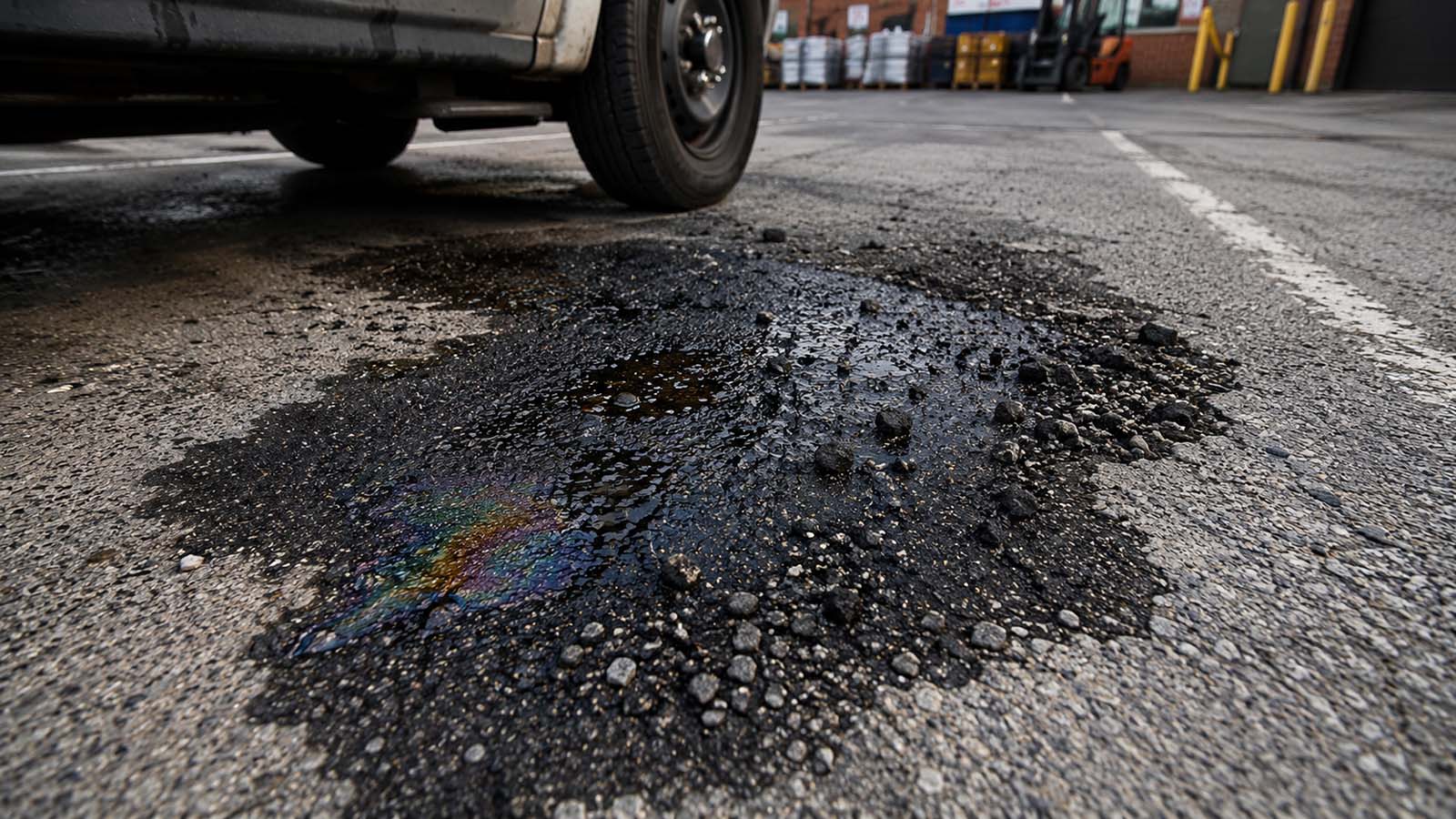
Oil damage to asphalt can begin as a relatively small cosmetic problem before developing into something more serious. A stain beneath a parked vehicle may initially seem harmless, but prolonged exposure can soften the bituminous binder that holds the asphalt mixture together. Once this happens, the affected area may become weaker and more vulnerable to traffic, weather and surface deterioration.
Understanding how oil and fuel spills affect asphalt surfaces helps property owners and commercial site managers identify problems early and decide when cleaning, repair or professional assessment may be required.
Why Oil and Fuel Can Damage Asphalt
Asphalt is produced from a carefully controlled combination of aggregate and bituminous binder. The aggregate provides much of the structural body of the material, while the binder helps hold those particles together and creates the familiar dark, cohesive surface.
Petroleum-based contaminants can interact with this binder. Because substances such as petrol, diesel, engine oil and some hydraulic fluids are chemically related to petroleum-derived materials, prolonged contact can affect the binder within the asphalt.
Rather than simply sitting harmlessly on top of the surface, contamination can penetrate into the material. Over time, this may cause the binder to soften and reduce the strength of the affected asphalt.
The severity of oil damage to asphalt in the UK depends on several factors, including the type of contaminant, the amount spilled, how long it remains in place, the condition of the existing surface and the level of traffic passing over the affected area.
Different Vehicle Fluids Can Have Different Effects
Not every stain on an asphalt surface presents exactly the same level of concern. The type of liquid involved can influence both the speed and extent of deterioration.
Petrol and diesel spills can be particularly problematic because these fuels can affect bituminous materials relatively quickly. Engine oil may remain on the surface for longer and gradually penetrate the asphalt, particularly where repeated leaks occur in the same parking position.
Commercial and industrial sites can also experience contamination from hydraulic fluids, lubricants and other vehicle or machinery-related substances.
A single minor incident that is dealt with promptly is very different from an area that receives repeated contamination every day. Loading bays, fleet parking areas, workshops and service yards can therefore require particular attention because vehicles and machinery may repeatedly occupy the same positions.
Sites experiencing frequent vehicle movements benefit from appropriately specified commercial surfacing that takes expected traffic and operational conditions into account from the beginning.
What Happens When Asphalt Binder Softens?
The binder within asphalt plays an essential role in keeping aggregate particles together. When contamination causes this binder to soften, the material can begin losing its original stability.
At first, the affected section may simply look darker or slightly different from the surrounding asphalt. With continued exposure, however, the area may start to feel softer or become more easily disturbed.
Vehicle tyres can then place additional stress on the weakened material. Turning movements are particularly significant because tyres create horizontal forces across the surface rather than simply applying downward pressure.
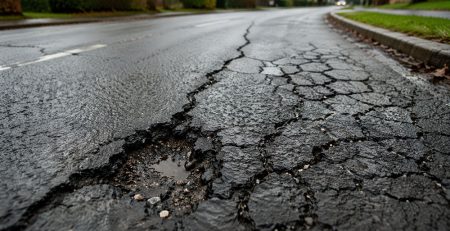
As weakened asphalt is repeatedly trafficked, aggregate particles may begin to loosen. The surface can become rough, depressed or broken, and deterioration can spread beyond the original stained area.
This is why cleaning a spill and repairing damaged asphalt are not always the same task. Removing contamination from the top of the surface does not necessarily restore material that has already lost structural integrity.
Early Signs of Oil Damage on Asphalt
Visible staining is usually the first indication that oil or fuel has reached an asphalt surface. However, colour alone does not determine how much damage has occurred.
A recent spill may create a noticeable mark without having caused significant deterioration. An older contaminated area may show changes in texture as well as colour.
The asphalt may become softer than neighbouring material, aggregate may begin to loosen, or tyre movements may leave visible marks in the affected section. In more advanced cases, the contaminated area can begin breaking apart.
Site managers should pay particular attention to recurring stains. If fresh oil repeatedly enters the same area, deterioration may continue even when individual spills appear relatively small.
Regular inspection is therefore useful for commercial car parks, yards and access routes where vehicle leaks may otherwise go unnoticed.
Why Parking Areas Are Particularly Vulnerable
Car parks are among the most common locations for oil and fuel contamination because vehicles remain stationary for extended periods.
A slow engine oil leak can deposit fluid in almost exactly the same location every time a vehicle is parked. Fleet vehicles can create a similar issue where allocated bays are used repeatedly.
Parking areas also experience steering movements while vehicles enter and leave spaces. These movements place additional stress on the surface, particularly where the asphalt has already been weakened by contamination.
The combination of chemical exposure and mechanical loading can therefore accelerate deterioration.
Well-designed tarmac installation and road surfacing should take the expected use of an area into consideration, particularly where regular vehicle traffic and turning movements are anticipated.
Commercial Yards Can Face Greater Exposure
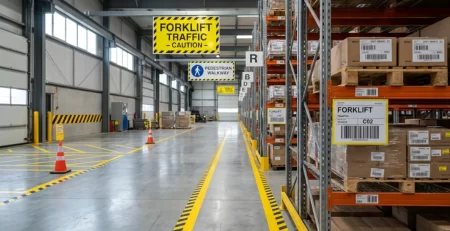
Commercial and industrial sites can experience more demanding conditions than ordinary residential areas. Delivery vehicles, HGVs, forklifts, plant and other machinery can all introduce potential sources of oil, diesel and hydraulic fluid.
The weight of these vehicles also means that weakened asphalt can deteriorate more quickly once contamination has affected the binder.
Loading areas are a particular concern because vehicles may remain stationary while goods are moved, allowing leaking fluids to collect beneath engines or mechanical equipment. Tight turning movements can then disturb softened material.
For this reason, commercial surface maintenance should consider contamination alongside other common issues such as drainage, cracking, potholes and general wear.
Addressing a small affected area early may be considerably more straightforward than allowing deterioration to develop across a heavily trafficked section of the site.
How Water and UK Weather Can Make the Problem Worse
Oil or fuel contamination does not occur in isolation. Asphalt surfaces in the UK are also exposed to rainfall, temperature changes and seasonal weather.
Once contamination has weakened a section of asphalt and aggregate begins to loosen, water can find additional routes into the surface.
Water penetration can contribute to further deterioration, particularly where defects allow moisture to reach lower layers. Repeated traffic then places stress on material that may already have lost some of its original strength.
During colder periods, moisture within surface defects can also be subjected to temperature fluctuations. Although oil contamination and weather damage are separate processes, they can combine to accelerate deterioration.
Effective drainage and routine maintenance therefore remain important even where the original problem begins with a vehicle fluid spill.
Should Oil and Fuel Spills Be Cleaned Immediately?
Prompt attention is generally preferable because it reduces the amount of time contaminants remain in contact with the asphalt.
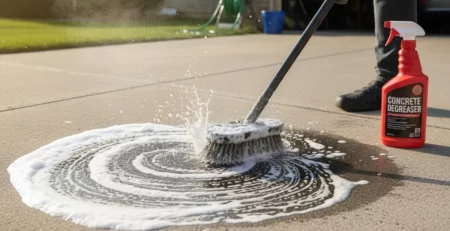
The appropriate response depends on the substance involved, the size of the spill and the site environment. Commercial premises may also have specific procedures for managing fuel or oil spills safely and preventing contaminants from entering drainage systems.
Simply washing a significant spill towards a drain is not an appropriate solution. Oil and fuel contamination needs to be managed carefully, with consideration given to both the surface and the surrounding environment.
Where a spill is substantial, site managers should follow the relevant environmental and workplace procedures for containment and disposal.
From a surfacing perspective, early removal of contamination may reduce prolonged exposure. However, cleaning cannot reverse damage if the binder has already softened significantly.
When Does Contaminated Asphalt Need Repairing?
The need for repair depends on the condition of the material after contamination has been dealt with.
Where a spill has been removed quickly and the asphalt remains firm and intact, further surfacing work may not always be necessary. Monitoring the area can help identify whether any changes develop later.
If the asphalt has become soft, loose, deformed or broken, cleaning alone is unlikely to restore the original surface strength. The damaged material may need to be removed and replaced.
Localised deterioration can sometimes be addressed without resurfacing an entire road or car park. Professional pothole repairs and local asphalt repairs can target damaged areas where the surrounding pavement remains serviceable.
The key is to determine the full extent of the affected material rather than repairing only the most obvious surface mark.
Why Covering the Damage Is Not Always Enough
When an oil-damaged area looks untidy, it can be tempting to simply place new material over it. However, the condition of the existing asphalt needs to be considered first.
New surfacing depends on the stability of the layers beneath it. If softened, contaminated material remains in place, it can provide an unsuitable foundation for the repair.
The affected material may therefore need to be removed back to a sound surface before replacement asphalt is installed.
Good preparation is fundamental to long-term surfacing performance. This principle applies whether work involves a small localised repair, a larger car park or a complete access road.
For substantial areas, machine-laid tarmac can provide a consistent finish where the site and project specification make mechanical laying appropriate.
Preventing Repeated Oil Damage
Preventing repeated contamination is particularly important where the source can be identified.
If one vehicle regularly leaks oil into the same parking bay, repairing the surface without addressing the vehicle problem may simply result in new contamination. The same principle applies to machinery with hydraulic leaks or site equipment that repeatedly releases lubricants.
Commercial site managers can benefit from including spill identification within routine surface inspections. Looking for new stains around parking spaces, loading bays, service areas and plant operating zones can help identify problems before extensive deterioration develops.
Surface maintenance should also consider existing cracks, depressions and drainage issues. A contaminated area that already has defects may be more vulnerable than a sound section of recently installed asphalt.
The Importance of Correct Asphalt Installation
Oil resistance is only one part of overall surface performance. Asphalt must also be designed and installed to accommodate expected traffic, loading and site conditions.
A lightly used residential access area does not face the same demands as a busy commercial yard. The construction depth, base preparation and surfacing specification therefore need to reflect how the area will actually be used.
Professional installation cannot make asphalt completely immune to fuel and oil contamination, but a correctly constructed pavement provides a sound starting point for long-term performance.
For larger roads and access routes, specialist highway surfacing methods can be used to provide surfaces appropriate to more demanding traffic conditions.
Regular Inspections Can Limit Long-Term Deterioration
One of the simplest ways to manage asphalt surfaces is to inspect them periodically rather than waiting for obvious failures to appear.
Oil stains, small cracks, loose aggregate and local depressions can all provide useful early indications of developing problems. The earlier the cause is understood, the easier it is to decide on an appropriate response.
This is especially valuable for commercial premises where a relatively small defect can eventually affect vehicle routes, parking availability or pedestrian access.
Property managers considering the condition of an existing surface can review completed surfacing case studies to understand how different types of asphalt and tarmac projects can be approached.
Protecting Asphalt From Oil and Fuel Damage
Oil damage to asphalt can range from superficial staining to significant deterioration of the material. The difference often depends on the contaminant involved, the amount spilled and how long it remains in contact with the surface.
Petrol, diesel, engine oil and other petroleum-based fluids can affect the bituminous binder that holds asphalt together. Once that binder begins to soften, traffic can loosen aggregate, deform the surface and contribute to further breakdown.
Prompt spill management, regular inspections and appropriate repairs can help limit the extent of the problem. Where asphalt has already become soft or unstable, simply cleaning or covering the affected area may not provide a lasting solution.
Assessing the condition of the underlying material allows repairs to address the actual deterioration rather than its appearance alone. Property owners and site managers who are unsure whether contamination has caused lasting damage can contact Total Surfacing Solutions for advice on the condition and repair requirements of an existing asphalt surface.