What Makes Some Resin Surfaces Rougher Than Others
Resin-bound surfacing is often recognised for its clean appearance, attractive aggregate finish and ability to create a practical surface for driveways, paths and other external areas. However, not every resin surface feels exactly the same underfoot. One installation may have a relatively smooth, refined texture, while another can feel noticeably coarser or rougher.
This variation does not necessarily mean that something has gone wrong. Resin surface texture is influenced by several factors, including the aggregate used, the size and shape of the stone, the resin-to-aggregate combination, installation methods and the intended purpose of the finished area.
For property owners considering resin driveways, understanding these differences can make it easier to choose a finish that balances appearance, practicality, drainage and everyday use.
What Determines Resin Surface Texture?
A resin-bound surface is created by combining selected aggregates with a resin binder before the mixed material is laid onto a suitable prepared base. The aggregate remains visible within the completed surface, which is one of the reasons resin installations can offer such a distinctive appearance.
Because the aggregate forms such an important part of the finished material, its characteristics have a significant effect on texture.
The size of the stone, its natural shape and the combination of different aggregate particles can all change how the finished surface feels. Smaller, more rounded aggregates may create a finer appearance, whereas larger or more angular materials can result in a more pronounced texture.
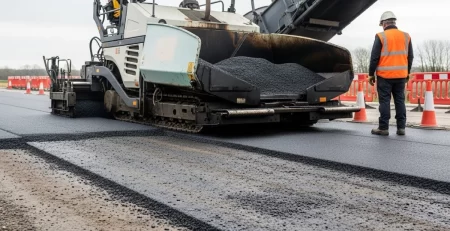
The way the material is installed also matters. Resin surfacing needs to be mixed and applied consistently so that the aggregate is distributed correctly and the completed area has an even finish. Experienced domestic surfacing contractors will therefore consider much more than colour when assessing the appropriate resin system for a property.
Aggregate Size Has a Major Influence
One of the clearest reasons for differences in resin surface texture is aggregate size.
Resin-bound systems can incorporate aggregates of different sizes depending on the required finish and application. When relatively small stones are used, the individual pieces can sit closely together, creating a tighter-looking surface. Larger aggregate naturally creates more variation across the surface because the individual stones are more noticeable.
This does not mean that smaller aggregate is automatically better. The appropriate specification depends on how the area will be used, the required appearance and the overall surfacing design.
A residential pathway, for example, may have different priorities from a heavily used vehicle access area. The material specification should therefore be selected according to the requirements of the site rather than simply choosing the smoothest possible finish.
The Shape of the Aggregate Also Matters
Aggregate is a natural material, so individual stones are not perfectly uniform. Some aggregates are relatively rounded, while others have sharper or more angular edges.
These differences affect the tactile character of the finished resin surface.
Angular aggregate can create a more textured appearance because individual stone edges remain visually and physically noticeable. Rounded stone may produce a softer-looking finish, although the exact result still depends on aggregate size, grading and installation.
The colour blend can also influence how texture is perceived visually. A mixture containing strongly contrasting stones can appear more textured because the individual pieces are easier to distinguish, even where the physical difference is relatively small. A more uniform colour combination may look smoother from a distance.
This is why selecting resin surfacing based purely on a small colour sample can sometimes be misleading. The overall effect needs to be considered in relation to the size of the area, its surroundings and the practical requirements of the property.
Resin-Bound Surfaces Are Not Designed to Be Completely Smooth
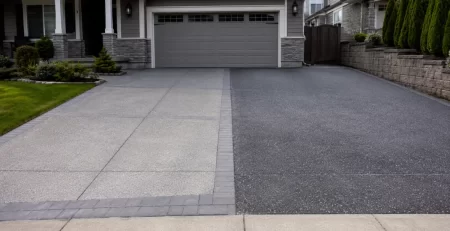
It is important to distinguish a well-finished resin surface from a completely smooth or polished surface. Resin-bound installations retain visible aggregate and therefore naturally have some degree of texture.
That texture forms part of the character and practical performance of the material.
A completely smooth outdoor surface would not necessarily be desirable, particularly in areas exposed to rain and regular pedestrian movement. External surfacing needs to provide an appropriate balance between comfort, appearance and practical grip.
The aim should therefore not automatically be to eliminate texture. Instead, the objective is to achieve a consistent surface suited to its intended environment.
A professionally installed resin driveway should look even across the area without unexpected patches where the material is noticeably different. Natural aggregate variation is normal, but obvious inconsistencies may warrant closer examination.
Installation Quality Can Change the Finished Texture
Even when exactly the same aggregate is used, differences in installation can influence the final result.
Resin-bound surfacing requires controlled mixing so that the aggregate and resin are combined consistently. The material then needs to be spread and finished correctly before curing.
If different sections are handled inconsistently, the texture can vary across the installation. This may become visible as areas that appear more open, coarse or uneven than surrounding sections.
Professional installation is therefore particularly important with decorative surfacing. Unlike some materials where the surface appearance is largely determined at the manufacturing stage, resin-bound surfacing is mixed and finished as part of the installation process.
Working with an experienced surfacing contractor helps ensure that preparation, material selection and installation are considered as parts of the same project rather than separate decisions.
Surface Preparation Can Affect the Final Result
Although the visible aggregate determines much of the texture, what sits underneath the resin surface is equally important.
The base needs to provide suitable support for the completed installation. Problems with an existing surface cannot always be solved simply by covering them with a decorative material.
Movement, poor levels or unsuitable preparation beneath a new surface may affect its long-term performance. Proper assessment before installation therefore helps determine whether an existing base can be used or whether additional preparation is necessary.
Drainage and surface levels also need consideration. A visually attractive resin finish still needs to function as part of the wider external area, directing or managing water appropriately and connecting properly with entrances, paths, kerbs and adjoining surfaces.
For larger or more demanding locations, experienced commercial surfacing contractors can assess these wider requirements before the final surfacing specification is selected.
Why Some Areas May Need More Texture
Not every resin installation has the same purpose. A decorative residential driveway, pedestrian path, courtyard and commercial access area can each have different performance requirements.
Where pedestrian grip is an important consideration, a more textured finish may be appropriate. Areas that are exposed to regular rainfall, changes in level or frequent foot traffic need to be considered carefully when choosing a surfacing specification.
This is particularly relevant in the UK, where external surfaces regularly experience wet conditions throughout the year.
The intended use should therefore influence the surface specification from the beginning of the project. Choosing purely according to appearance without considering how people and vehicles will use the area can result in a finish that is less suitable for the site.
Rough Does Not Automatically Mean Poor Quality
A common misconception is that a rough resin surface must have been installed badly. Texture alone is not enough to determine installation quality.
Some correctly specified resin surfaces are deliberately more textured than others because of their aggregate composition and intended use. The more useful question is whether the texture is consistent with the chosen material and specification.
A surface that is uniformly textured across the installation may simply reflect the aggregate selected. By contrast, isolated areas that are substantially rougher or visually different from the surrounding material could indicate inconsistency.
Property owners should therefore consider the whole installation rather than judging quality solely by how smooth the surface feels.
Examples of completed surfacing work can also provide useful context when considering different finishes. Viewing relevant surfacing case studies can help demonstrate how materials and finishes appear when installed across full-sized external areas rather than viewed as individual samples.
The Difference Between Resin-Bound and Loose Aggregate
Another reason people sometimes expect resin to feel smoother is that the finished surface can look highly uniform in photographs. Up close, however, the individual aggregate remains a visible and tactile part of the installation.
Unlike loose gravel, the stones within resin-bound surfacing are held together by the binder. This creates a stable surface without the same loose movement associated with gravel driveways and paths.
The stones do not disappear beneath a completely flat resin coating. Their shape and size remain part of the surface, creating the characteristic textured finish.
This is one of the defining visual features of resin-bound installations and explains why two different aggregate blends can create noticeably different results even when installed using a similar process.
Weather Can Change How Texture Is Perceived
British weather can also influence how a resin surface looks and feels.
When dry, individual aggregate particles and surface variations may be particularly visible. When wet, colours can become deeper and the surface may appear visually different. Water can also make people more conscious of the amount of grip offered by an external surface.
Seasonal contamination can have an additional effect. Dirt, leaves, organic material and general debris may collect on outdoor areas over time. This can change the way the surface feels and potentially obscure its original texture.
Regular appropriate cleaning helps maintain the appearance of resin surfacing and makes it easier to identify any genuine changes in the surface rather than temporary contamination.
Can a Resin Surface Be Too Rough?
There is a difference between normal aggregate texture and a surface that is excessively uneven.
A properly completed installation should generally have a consistent finish appropriate to the aggregate and specification chosen. It should not contain unexpected changes in level or isolated areas that appear substantially different without a clear design reason.
If a newly installed resin surface seems significantly rougher than expected, it is worth comparing it with the agreed sample or specification. The aggregate size and intended finish should help explain much of the difference.
Existing surfaces that have changed over time may require a different assessment. Wear, contamination, damage to the underlying structure or localised deterioration can all affect how an external surface performs.
Where there is uncertainty about the condition or suitability of an installation, obtaining professional advice is preferable to assuming that roughness alone identifies the cause.
Choosing the Right Resin Finish for a Property
The best resin surface is not necessarily the smoothest one. It is the surface that suits the property, expected traffic, drainage requirements and desired appearance.
For a domestic driveway, owners may place particular emphasis on colour, kerb appeal and comfortable pedestrian use alongside vehicle performance. Commercial sites may have additional considerations relating to traffic frequency, access arrangements and maintenance.
The surrounding environment also matters. Aggregate colours and textures should complement buildings, walls, edging and neighbouring surfaces rather than being considered in isolation.
Property owners across different locations can review the areas covered by Total Surfacing Solutions when considering professional surfacing work for residential or commercial premises.
Texture Should Be Considered Before Installation
Resin surface texture is much easier to choose correctly at the specification stage than to reconsider after an entire driveway or access area has been installed.
Before work begins, the aggregate blend, expected finish, site use and underlying surface should all be considered together. Samples can be particularly helpful, but it is important to remember that a small sample may look slightly different when the same material is installed across a much larger area.
Discussing how the area will actually be used can also help determine what type of finish is appropriate. Vehicle movements, pedestrian traffic, entrances, gradients, drainage and surrounding landscaping may all influence the final specification.
Where a property owner is considering a new resin installation, discussing these details with an experienced contractor before choosing the final aggregate can prevent unrealistic expectations about texture and appearance. Further project-specific advice can be obtained by contacting Total Surfacing Solutions to discuss the requirements of the site.
Understanding the Finished Resin Surface
The reason some resin surfaces are rougher than others usually comes down to a combination of aggregate characteristics, specification and installation. Stone size and shape have a direct effect on resin surface texture, while the intended use of the area influences what type of finish is most appropriate.
A textured surface should not automatically be viewed as a defect. Resin-bound materials naturally retain the character of their aggregate, and a degree of texture is an expected part of the finished appearance.
What matters is that the surface is properly specified, consistently installed and appropriate for the way the area will be used. By considering texture alongside drainage, preparation, appearance and long-term performance before installation, property owners can choose a resin finish that works effectively within the wider site.