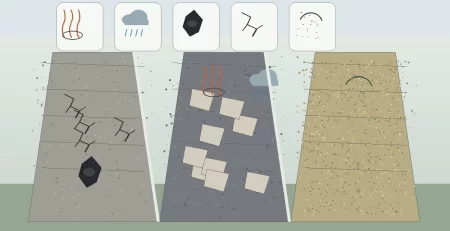
What Is The Best Driveway Surface For Heavy Rain?
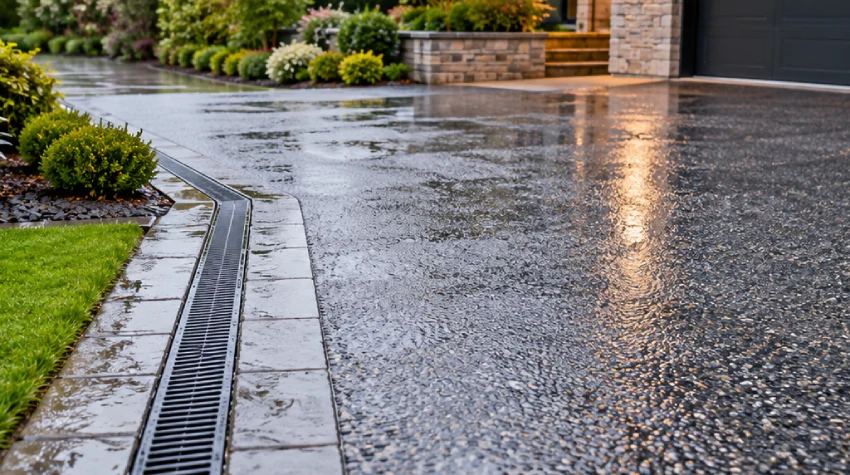
Heavy rain exposes every weakness in a driveway: poor falls, blocked drainage, soft sub-base, slippery surface texture, and materials that push water towards the road instead of managing it. So, What Is The Best Driveway Surface For Heavy Rain? For most UK homes and many light commercial settings, the strongest answer is a properly designed permeable resin-bound system, supported by the right base and drainage detail.
Total Surfacing Solutions installs resin-bound surfacing, tarmacadam, asphalt, block paving, road surfacing, pothole repairs, and hard landscaping across Hertford, Hertfordshire, Bedfordshire, Oxford, Cambridgeshire, and Essex, so the right choice depends on how the surface will drain, how it will be used, and how much traffic it must carry.
Quick Check: If your current driveway holds water after rain, Total Surfacing Solutions can assess whether permeable resin-bound surfacing is the right drainage-led upgrade for your home or site.
What Is The Best Driveway Surface For Heavy Rain?
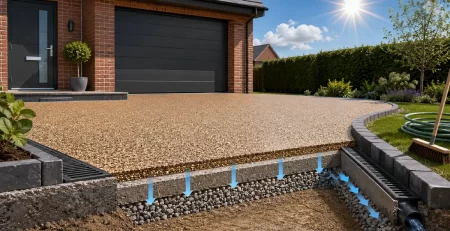
The best driveway surface for heavy rain is the one that controls water at the surface and below it. In the UK, GOV.UK guidance says front garden hard surfacing over 5 square metres generally needs either a permeable surface or drainage to a permeable area, while impermeable driveways without that provision may need planning permission.
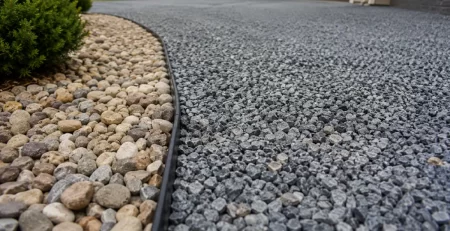
For most residential driveways, resin-bound surfacing performs well because the open structure allows rainwater to pass through when it is installed over a suitable permeable base. That makes it a strong match for homeowners comparing Resin Bound Driveways, low maintenance surfacing, and SuDS compliant driveway options.
| Driveway surface | Heavy rain performance | Main limitation | Suitable use |
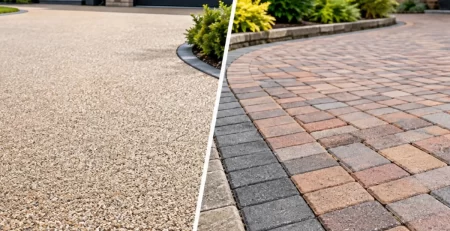
| Resin bound | Permeable when installed with a suitable base | Needs careful base preparation | Residential driveways, paths, light-use areas |
| Tarmacadam | Durable and practical with correct falls/drainage | Usually needs drainage design because it is not inherently permeable | Driveways, access roads, car parks |
| Asphalt | Strong for heavier traffic with correct drainage | Can hold water if levels are wrong | Commercial car parks, roads, service yards |
| Block paving | Can be permeable if designed that way | Weeds and movement if poorly installed | Driveways, patios, edged areas |
| Gravel | Drains naturally in many cases | Can migrate and rut under traffic | Rural drives, low-budget access areas |
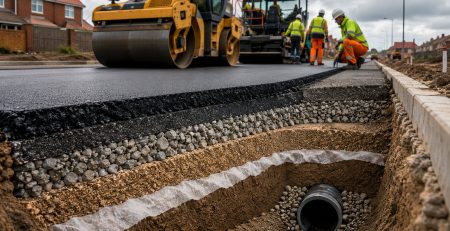
Total Surfacing Solutions usually approaches heavy rain driveway projects by looking at the existing base first. A resin surface on a weak, saturated, or badly shaped base will not solve the problem on its own, which is why preparation, levels, edging, and drainage are treated as part of the same system.
Resin Bound Driveways For Heavy Rain
Resin bound driveways are often the best driveway surface for heavy rain because they combine a smooth finish with permeability. The aggregate and resin are mixed together, then trowelled to create a surface with interconnected voids that let water move through the layer rather than sitting on top.
That does not mean every resin driveway is automatically suitable for heavy rain. The sub-base must be designed to receive, store, and release rainwater correctly, especially on clay ground, sloping driveways, or properties where the existing surface already has standing water.
Homeowners comparing resin options should understand the difference between permeability at the surface and drainage performance across the whole driveway build-up. For a deeper explanation, the resin driveway drainage pathway is the key point that separates a surface-level upgrade from a proper rain-ready installation.
Total Surfacing Solutions uses resin-bound surfacing where the driveway needs a clean appearance, good everyday grip, and a practical way to reduce surface water. For homes in Hertfordshire and nearby counties, it is especially useful where the driveway connects to a public footpath, road edge, or garage threshold that must be protected from runoff.
SUDS Compliant Surfacing And Planning
SuDS compliant surfacing matters because heavy rain is not only a driveway problem; it affects drains, roads, gardens, paths, and neighbouring properties. A SuDS compliant driveway can help manage water at source instead of sending it straight into overloaded drains.
That is why resin-bound surfacing, permeable block paving, porous asphalt, and drainage-to-border designs are commonly considered for front gardens and heavy rain areas.
The Met Office also notes that frequent and intense rainfall can increase flooding risk, which makes local surface design more important for homes and commercial sites. Total Surfacing Solutions considers this when recommending resin, tarmacadam, asphalt, block paving, or drainage corrections for properties exposed to repeated rainfall.
For homeowners checking regulations before resurfacing, the driveway planning threshold is worth understanding before choosing a material.
Tarmacadam Driveways In Wet Weather
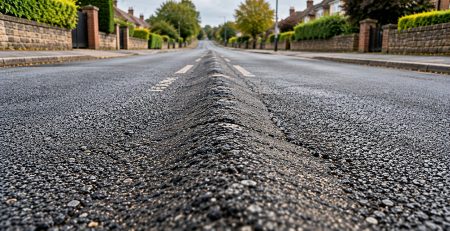
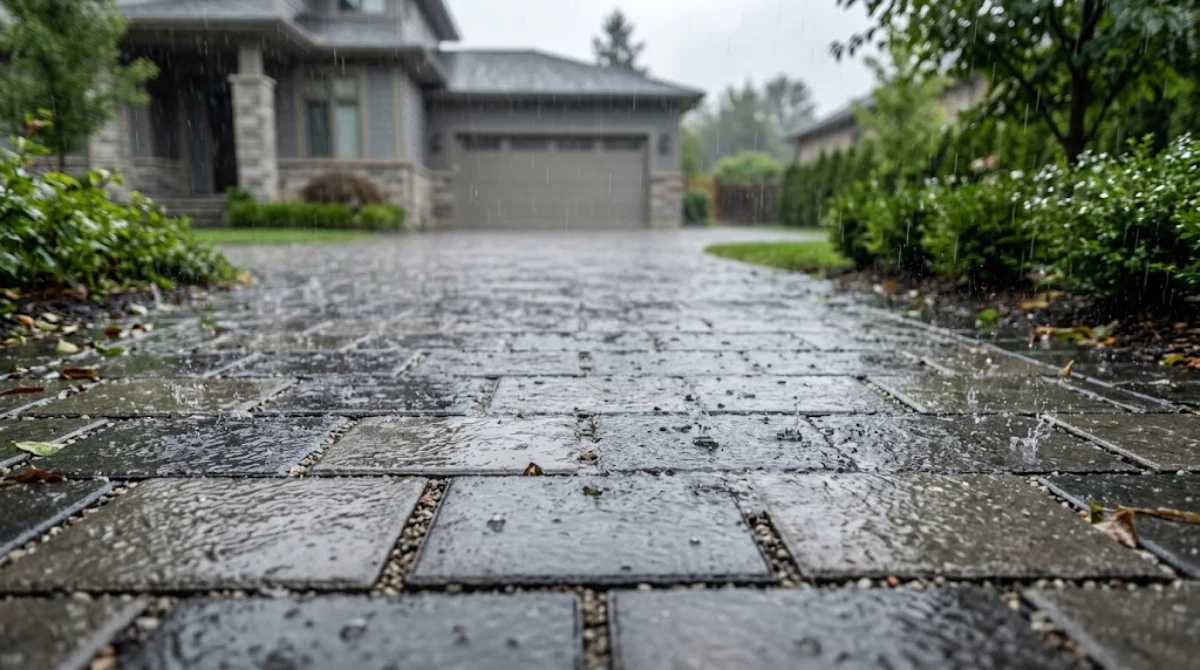
Tarmacadam driveways can perform well in heavy rain when they are installed with the correct falls, edges, and drainage channels. Tarmac is durable, practical, and suitable for driveways that need a clean, hard-wearing surface, but water management depends heavily on the levels beneath and around it.
For properties where permeability is the top priority, resin-bound surfacing may be the better choice. For driveways with heavier vehicle use, larger turning areas, or a need for fast installation, tarmac can be a strong option when rainwater is directed safely to drains, channels, or permeable areas.
Total Surfacing Solutions provides tarmac surfacing in Hertfordshire for residential and commercial settings where durability, access, and correct surface falls matter. If the existing driveway is cracked, uneven, or holding water, the team can assess whether resurfacing, repair, or full reconstruction is needed.
If longevity is part of the decision, the tarmac driveway lifespan factors help explain why base quality, water control, and maintenance affect performance over time.
Asphalt Surfacing For Roads And Car Parks
Asphalt surfacing is commonly used for roads, access routes, and commercial car parks because it handles regular traffic better than many decorative driveway materials. In heavy rain, its performance depends on surface falls, drainage outlets, and whether low points have been designed out before installation.
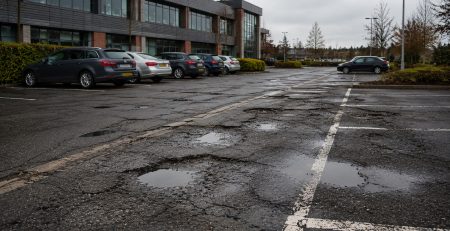
For commercial surfacing, the main risk is not only puddling. Standing water can obscure line markings, increase spray, accelerate edge deterioration, and make potholes more likely where water reaches weak layers underneath.
Total Surfacing Solutions supports commercial clients with road surfacing in Hertfordshire where access roads, car parks, forecourts, and service areas need a practical surface built around real vehicle use.
| Site type | Heavy rain risk | Practical surface response |
| Residential driveway | Puddles, slippery entry points, runoff to pavement | Resin bound or tarmac with correct drainage |
| Commercial car park | Standing water, faded markings, pothole formation | Asphalt or machine-laid tarmac with drainage falls |
| Access road | Edge failure, rutting, water tracking | Road surfacing with prepared base and camber |
| Sloped driveway | Erosion, washout, water at garage threshold | Drainage channels, stable base, suitable finish |
| Block paved area | Joint movement, weed growth, settlement | Correct sub-base, edge restraints, permeable design |
Machine Laid Tarmac For Larger Wet Areas
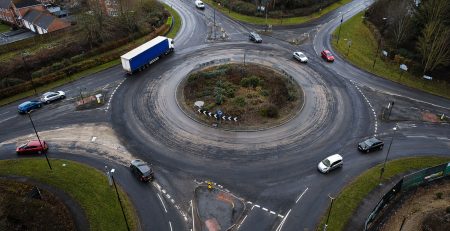
Machine laid tarmac is often the better option for larger areas because it gives a consistent finish across car parks, access roads, estate roads, and commercial surfacing projects. In heavy rain, consistency matters because uneven hand-laid sections can create low spots where water gathers.
Total Surfacing Solutions provides machine-laid tarmac teams for larger surfaces where speed, level control, and durability are important. This is particularly relevant for commercial car parks, school access routes, business premises, and larger private roads.
For rain-prone sites, machine lay tarmac should be planned with drainage falls before the material is placed. If the base is already uneven or saturated, resurfacing without correction can simply trap the same water problem under a cleaner-looking surface.
Block Paving In Heavy Rain
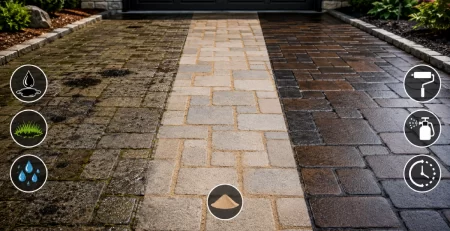
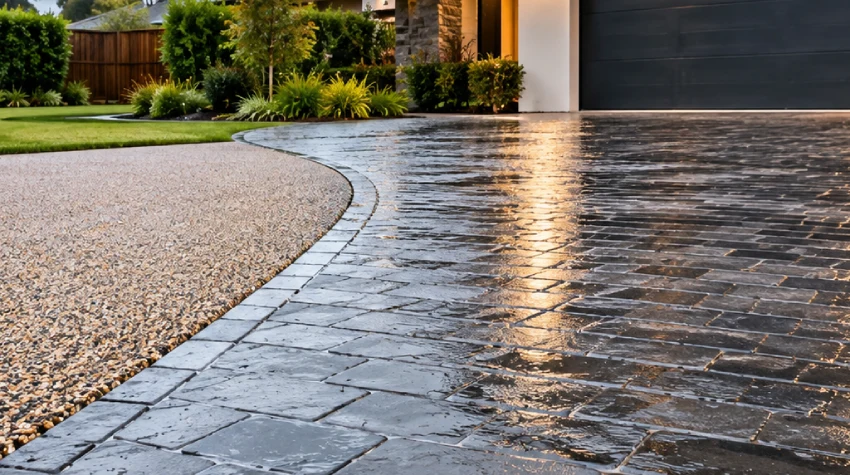
Block paving can work in heavy rain when it is designed as a permeable system or laid with clear drainage routes. It is useful for homeowners who want defined edges, patterns, and repairable sections, but it must be installed on a stable sub-base to avoid movement.
The weakness of poorly installed block paving is that water can sit in joints, soften bedding layers, and encourage settlement. On sloped driveways or areas with turning vehicles, edge restraints and base preparation become even more important.
For readers comparing options, the driveway material budget framework can help separate upfront cost from long-term performance. A low-cost surface that fails under heavy rain can become more expensive once drainage repairs, patching, and relaying are included.
Sloped Driveways And Rainwater Control
A sloped driveway changes the answer to What Is The Best Driveway Surface For Heavy Rain? because gravity moves water faster, increasing the risk of erosion, loose material movement, and water collecting at the bottom of the drive.
On sloped sites, the surface material must work with channels, thresholds, edging, and stable base construction. Resin bound surfacing can still be suitable, but the installation must be planned around gradient, water volume, and where the water will go after it enters the surface or reaches the edge.
The sloped driveway construction process gives useful context for homeowners dealing with gradients. For muddy or washed-out entrances, the muddy driveway stabilisation method also explains why simply adding loose material rarely solves the underlying water problem.
Total Surfacing Solutions can combine surfacing, edging, drainage details, and brickwork where a sloped driveway needs more than a new top layer.
Pothole Repairs After Heavy Rain
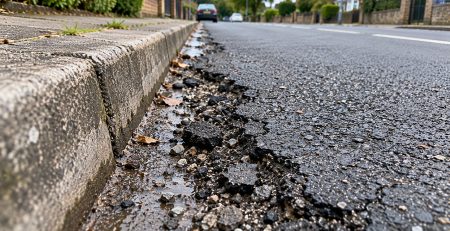
Heavy rain often reveals potholes because water enters cracks, weakens the base, and gets pushed deeper by traffic. Once that happens, a small defect can spread quickly, especially on tarmac, asphalt, commercial car parks, and access roads.
Pothole repairs are not only about filling a hole. A reliable repair should address loose edges, trapped water, and weak surrounding material so the patch does not fail after the next period of rain.
Total Surfacing Solutions provides surface repair in Hertfordshire for driveways, roads, yards, and car parks where water damage has already started. The driveway erosion warning signs are useful for spotting early failure before it becomes a bigger repair.
If water appears from below rather than from rainfall alone, the water leak under driveway checks can help separate drainage problems from supply pipe or underground leak issues.
Line Marking For Wet Commercial Car Parks
Line marking matters in heavy rain because poor visibility, standing water, and worn markings can make commercial car parks harder to navigate. The surface choice controls drainage, but markings control movement, safety, bays, pedestrian routes, and loading areas.
Total Surfacing Solutions provides clear car park marking layouts after surfacing or resurfacing work so commercial areas remain practical in wet conditions. This is especially important when new asphalt or machine laid tarmac is installed and the site needs organised traffic flow.
A good car park surface should not only shed water correctly; it should also remain readable and usable during rain. That is why surfacing and line marking are often planned together on commercial sites.
Brickwork, Outdoor Steps And Edges
Brickwork, outdoor steps, and hard landscaping details can decide whether a rain-ready driveway performs properly. Even the best driveway surface for heavy rain can struggle if retaining edges are weak, steps direct water onto the drive, or boundary walls trap runoff.
Total Surfacing Solutions provides brick edging and boundary detailing where driveways need structure as well as surface replacement. This can include walls, raised edges, step details, and decorative features that support the driveway design.
For resin driveways, edging is especially important because it frames the surface and helps maintain a neat finish. For tarmac and asphalt, strong edges reduce crumbling where water and vehicle movement meet.
Low Maintenance Surfacing After Rain
Low maintenance surfacing is valuable in heavy rain because the driveway should not need constant sweeping, patching, weed control, or puddle management. Resin bound surfacing is often chosen because it gives a clean finish with fewer loose stones than gravel and less joint maintenance than standard block paving.
Total Surfacing Solutions can advise on a low maintenance driveway where the client wants a surface that looks tidy and handles regular rainfall without constant repair. Maintenance still matters, but the aim is to reduce avoidable work.
The resin surface maintenance cycle explains why cleaning, inspection, and prompt repairs help protect the surface over time. Where appearance matters, driveway jet washing in Hertfordshire can also help remove dirt, organic growth, and weather-related staining from suitable surfaces.
Fast Surfacing Installation For Rain-Prone Sites
Fast surfacing installation can be important when a driveway, access road, or commercial car park cannot stay closed for long. Heavy rain makes timing more sensitive because wet conditions can delay preparation, curing, compaction, and finishing.
Total Surfacing Solutions offers driveway installation in Hertfordshire for clients who need a practical installation plan, not just a surface choice. The right schedule depends on the material, weather window, base condition, and whether drainage correction is required before surfacing.
For resin work, preparation is especially important. The resin driveway base preparation sequence and resin driveway installation workflow show why a successful finish depends on more than the final decorative layer.
Custom Resin Driveways And Finish Choices
Custom resin driveways can be designed around colour, aggregate blend, borders, and property style while still focusing on heavy rain performance. A decorative driveway should not sacrifice drainage, grip, or structural preparation.
Total Surfacing Solutions provides custom resin driveways for homes that need a practical rain-ready surface with a finish that suits the property. This is useful for homeowners who want kerb appeal without choosing a loose or high-maintenance material.
The resin driveway finish comparison helps explain where resin performs well and where careful installation matters. In cold and wet months, the winter resin surface grip factors are also useful when comparing driveway safety.
Residential Driveways And Commercial Car Parks
Residential driveways and commercial car parks face different rain problems. A home driveway usually needs water control, kerb appeal, safe foot access, and a surface that handles cars without rutting. A commercial car park needs load tolerance, drainage falls, markings, repairs, and predictable access.
That is why Total Surfacing Solutions does not treat every surface as the same product. Resin-bound surfacing may be the strongest fit for a residential driveway where permeability and appearance matter. Asphalt or machine-laid tarmac may be better for commercial car parks, access roads, and larger areas with heavier traffic.
For commercial sites, pothole repairs, line marking, and surfacing are often connected. Fixing the surface without correcting drainage can allow the same defects to return after the next heavy rainfall period.
What Is The Best Driveway Surface For Heavy Rain Area Coverage
Local knowledge matters because rainfall, soil conditions, driveway gradients, road edges, and property layouts vary from one area to another. Total Surfacing Solutions serves Hertfordshire and nearby counties with resin bound driveways, tarmacadam, machine laid tarmac, pothole repairs, and hard landscaping that can be matched to local surface conditions.
Best Driveway Surface For Heavy Rain In Bedfordshire
Bedfordshire properties often need driveway surfacing that can manage rain without sending water towards the pavement or road edge. Total Surfacing Solutions can help homeowners compare resin bound driveways, tarmacadam, block paving, and drainage-led repairs based on the existing base, vehicle use, and surface water behaviour.
Best Driveway Surface For Heavy Rain In Oxford
Oxford driveway projects can involve older properties, tight access, and surfaces that need to look clean while still managing rainfall. Resin bound surfacing is a strong option where the driveway needs permeability, a neat finish, and low everyday maintenance, provided the base is prepared correctly.
Best Driveway Surface For Heavy Rain In Cambridgeshire
Cambridgeshire homes and small commercial sites can benefit from driveway surfacing that deals with standing water before it becomes a maintenance issue. Total Surfacing Solutions can assess whether resin bound surfacing, tarmacadam, or supporting drainage details are the right route for rain-prone areas.
Essex Resin Bound Driveways
Essex resin bound driveway projects are well suited to homeowners who want a smooth, permeable surface that can handle regular UK rainfall. Total Surfacing Solutions can match aggregate finishes, edging, and base design so the driveway works practically as well as visually.
Essex Driveways
Essex driveway installations may require resin, tarmacadam, block paving, or hard landscaping depending on use and drainage. Total Surfacing Solutions can recommend the right surface where the existing driveway is muddy, cracked, uneven, or holding water after heavy rain.
Essex Pothole Repairs
Essex pothole repairs are important where heavy rain has opened cracks or weakened tarmac and asphalt areas. Total Surfacing Solutions can repair damaged sections before water spreads the defect into a larger driveway, access road, or car park problem.
Essex Machine Lay Tarmac
Essex machine lay tarmac is suitable for larger driveways, access routes, and car parks that need an even, hard-wearing surface. Total Surfacing Solutions can plan levels and drainage so the finished surface remains practical during wet weather.
Hertfordshire Resin Bound Driveways
Hertfordshire resin bound driveways are a natural fit for homes that need permeability, appearance, and a surface that avoids loose gravel movement. Based in Hertford, Total Surfacing Solutions can assess existing bases, drainage routes, and driveway condition before recommending resin.
Hertfordshire Driveways
Hertfordshire driveway projects may involve resurfacing, replacement, drainage correction, edging, or hard landscaping. Total Surfacing Solutions can provide resin bound surfacing, tarmacadam, block paving, and related repairs where heavy rain has exposed surface weaknesses.
Hertfordshire Pothole Repairs
Hertfordshire pothole repairs help prevent rainwater from damaging the base layers of driveways, roads, and car parks. Total Surfacing Solutions can repair localised failures and advise when the wider surface needs resurfacing rather than repeated patching.
Hertfordshire Machine Lay Tarmac
Hertfordshire machine lay tarmac is useful for larger residential and commercial surfaces where a consistent finish and efficient installation matter. Total Surfacing Solutions can support projects where traffic use, drainage falls, and durable surfacing must be planned together.
Choosing The Right Rain-Ready Surface
The best driveway surface for heavy rain is usually resin-bound surfacing for homes that need permeability, appearance, and low maintenance. For heavier vehicle use, larger areas, and commercial surfacing, tarmacadam, asphalt, or machine laid tarmac may be more suitable when installed with correct drainage.
Block paving can also work where a permeable design is used and the sub-base is strong. Pothole repairs, brickwork, line marking, jet washing, and surface maintenance all support long-term performance when rain has already started to affect the driveway.
For most homeowners asking What Is The Best Driveway Surface For Heavy Rain?, the practical next step is a site-specific inspection. Total Surfacing Solutions can assess the current surface, drainage route, base condition, and vehicle use before recommending permeable resin-bound surfacing or another suitable option. That means the final choice is based on how the driveway actually behaves in wet weather, not just how the surface looks when dry.
FAQs
What is the best driveway surface for heavy rain in the UK?
The best driveway surface for heavy rain in the UK is often resin-bound surfacing when it is installed over a suitable permeable base. It allows rainwater to pass through the surface instead of collecting as puddles. However, the base, drainage route, gradient, and existing ground conditions matter as much as the surface material. For heavier traffic or commercial areas, asphalt or tarmacadam may be better when designed with correct falls and drainage.
Is resin bound surfacing better than tarmac for heavy rain?
Resin-bound surfacing is often better than standard tarmac for heavy rain when permeability is the main requirement. Tarmac can perform very well, but it normally relies on surface falls, channels, drains, or runoff routes. Resin-bound surfacing can let water pass through the surface, provided the base is also designed to drain. For larger commercial areas, tarmac or asphalt may still be more suitable because of traffic demands.
Do I need planning permission for a driveway in heavy rain areas?
Planning permission depends on the driveway size, permeability, and where the water drains. GOV.UK guidance states that a new or replacement driveway does not usually need planning permission if it uses permeable surfacing or directs rainwater to a lawn or border to drain naturally. If an impermeable surface over 5 square metres does not drain to a permeable area, planning permission may be needed.
Can block paving handle heavy rain?
Block paving can handle heavy rain if it is installed as a permeable system or designed with proper drainage. The risk comes from poor sub-base preparation, weak edge restraints, and joints that allow movement or weed growth. For rain-prone driveways, the blocks, bedding layer, sub-base, and water route must work together. Standard block paving without good drainage can still suffer from settlement and standing water.
Why does my driveway flood after heavy rain?
A driveway can flood after heavy rain because the surface is impermeable, the falls are wrong, drains are blocked, the base has failed, or surrounding ground directs water towards the driveway. Sometimes the issue is below the surface, such as a leaking pipe or saturated sub-base. The right repair depends on whether the water is coming from rainfall, runoff from another area, or a hidden underground problem.
Are resin driveways slippery in heavy rain?
A properly installed resin-bound driveway should provide practical everyday grip, but texture, aggregate choice, installation quality, maintenance, and contamination all affect slip resistance. Heavy rain can make any surface more hazardous if algae, moss, oil, or mud are present. Regular cleaning and correct installation help maintain safer use. If the driveway is steep, extra attention should be given to gradient, drainage, and surface texture.
What driveway surface needs the least maintenance after rain?
Resin-bound surfacing is often chosen as a low-maintenance driveway surface after rain because it has no loose gravel and fewer joints than block paving. It still needs cleaning and occasional inspection, especially where leaves, silt, or organic growth can settle. Tarmac and asphalt are also practical, but cracks and potholes should be repaired early to stop rainwater from entering and weakening the layers below.
Can a driveway be repaired instead of replaced after heavy rain damage?
A driveway can sometimes be repaired instead of replaced if the damage is localised, such as a pothole, small cracked area, worn edge, or isolated drainage fault. Replacement may be better if the base is unstable, water is widespread, or the driveway has repeated failures after rain. A proper inspection should check the surface, sub-base, drainage route, edging, and traffic use before deciding.